Power Frequency Inverter: Reliable DC to AC Conversion for Industrial and Residential Applications

All Categories
Get a Quote
%}

Get a Free Quote

Our representative will contact you soon.
Email
Mobile/WhatsApp
Name
Message
0/1000

power frequency inverter

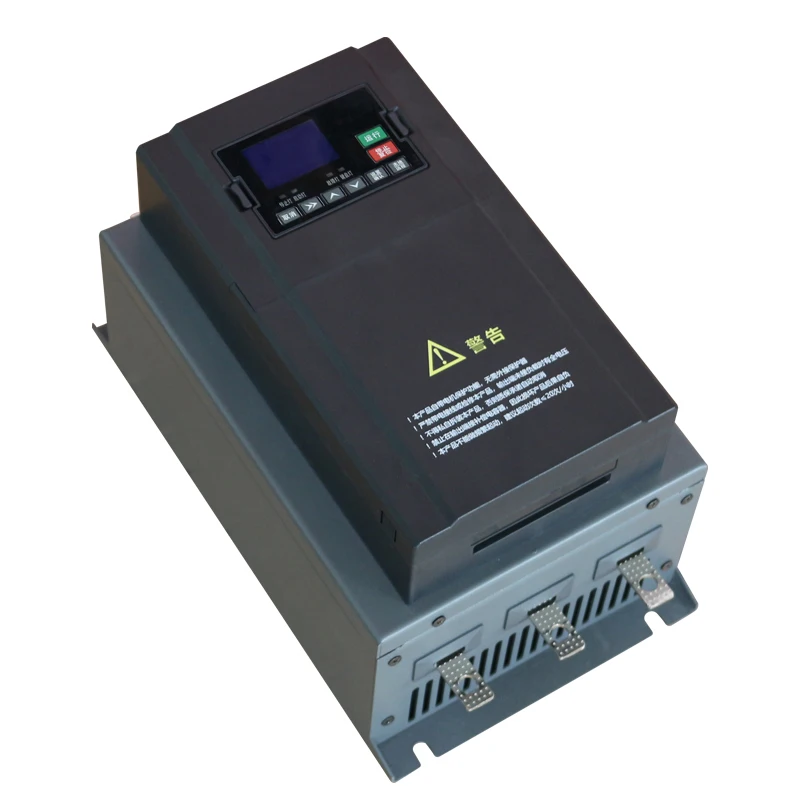
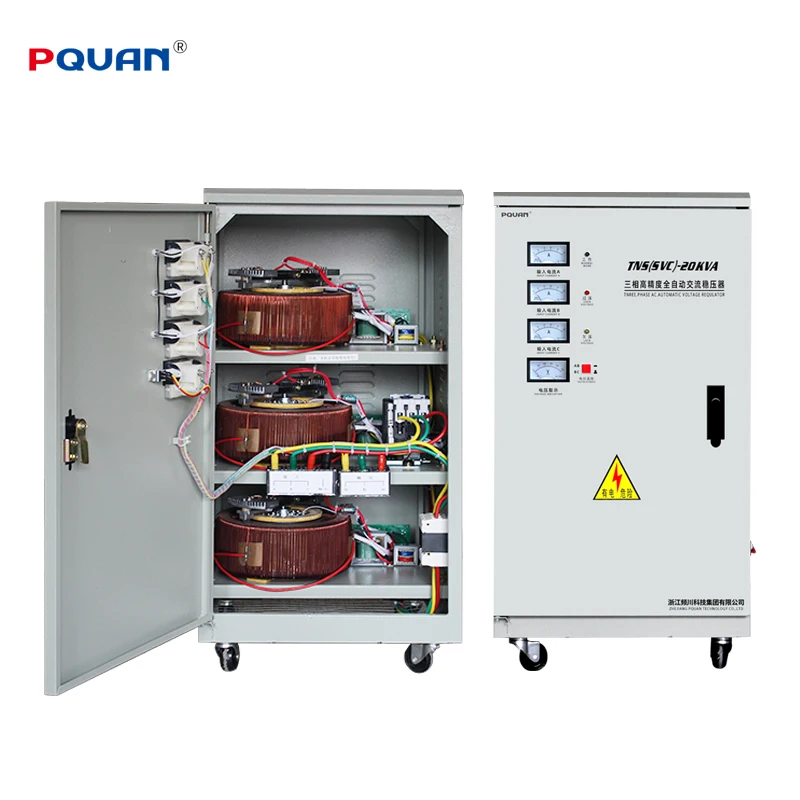
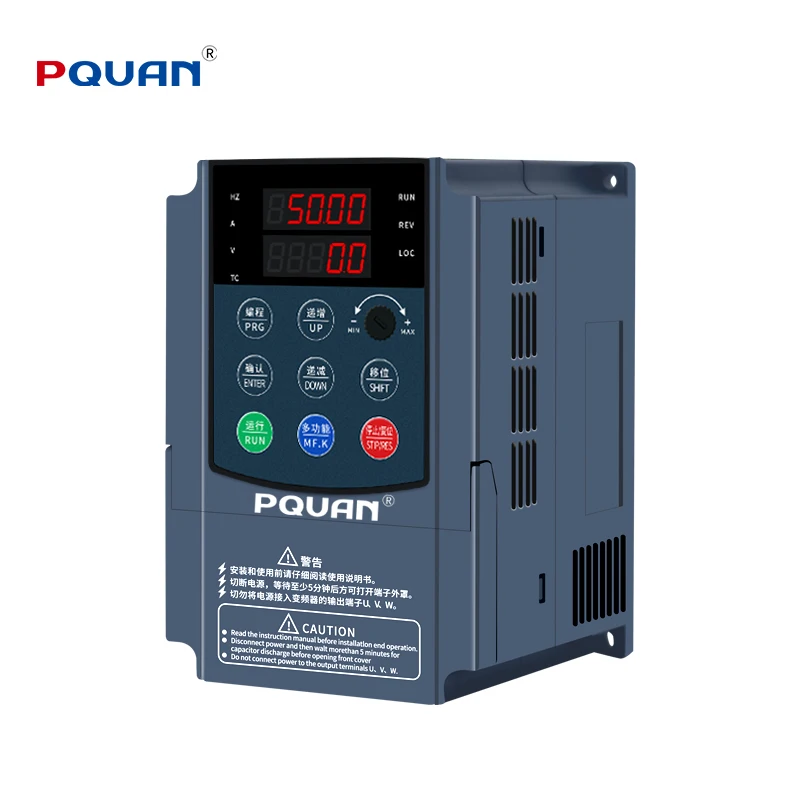
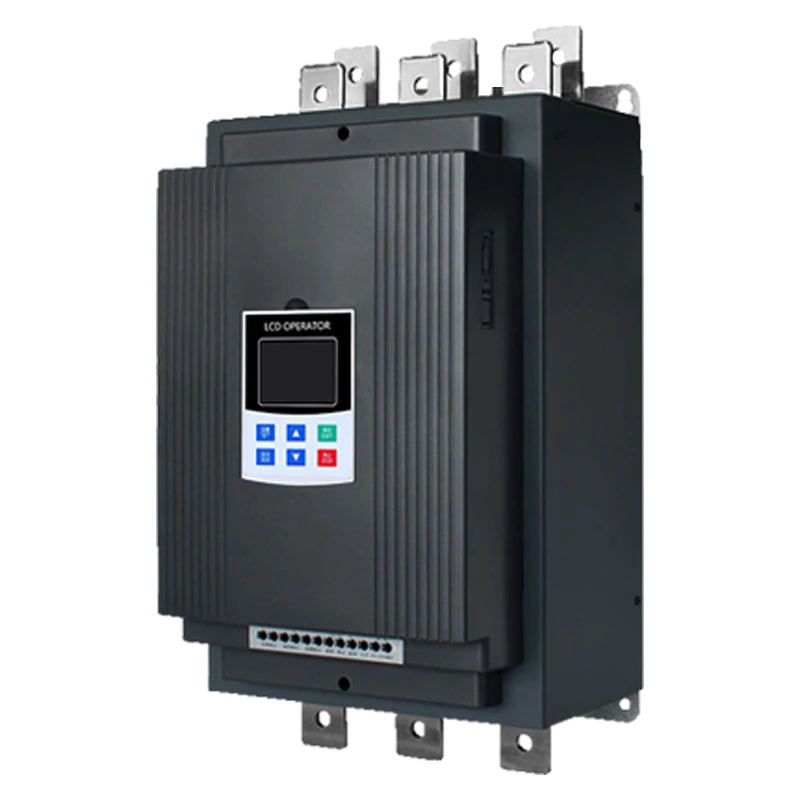
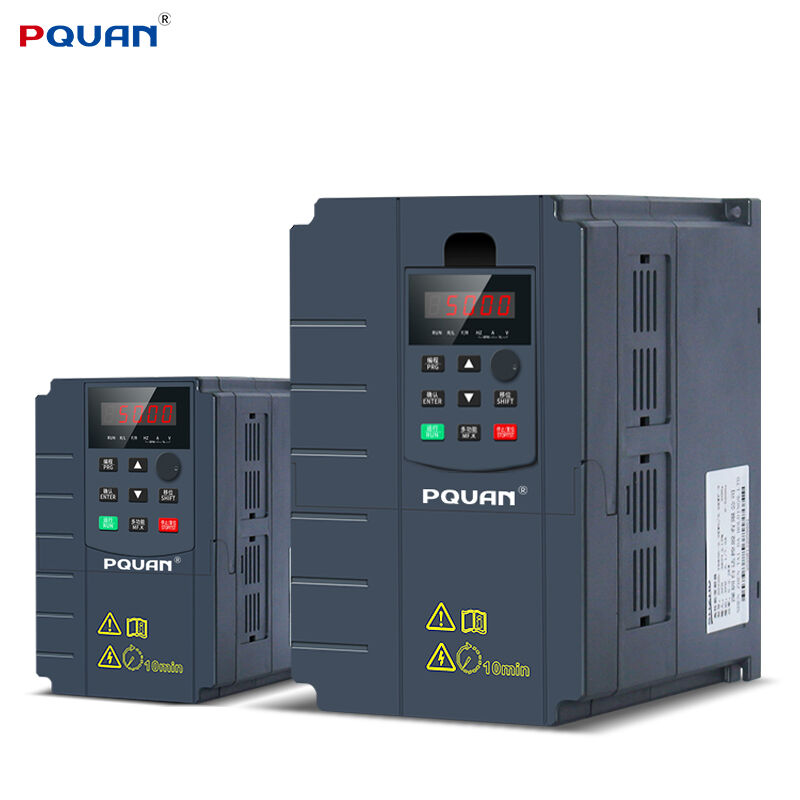
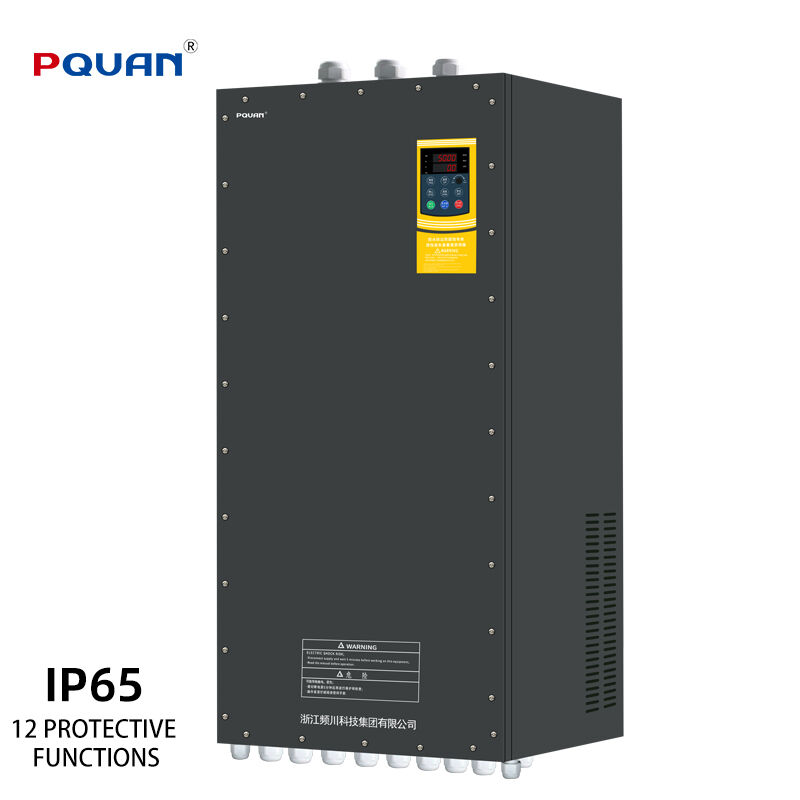
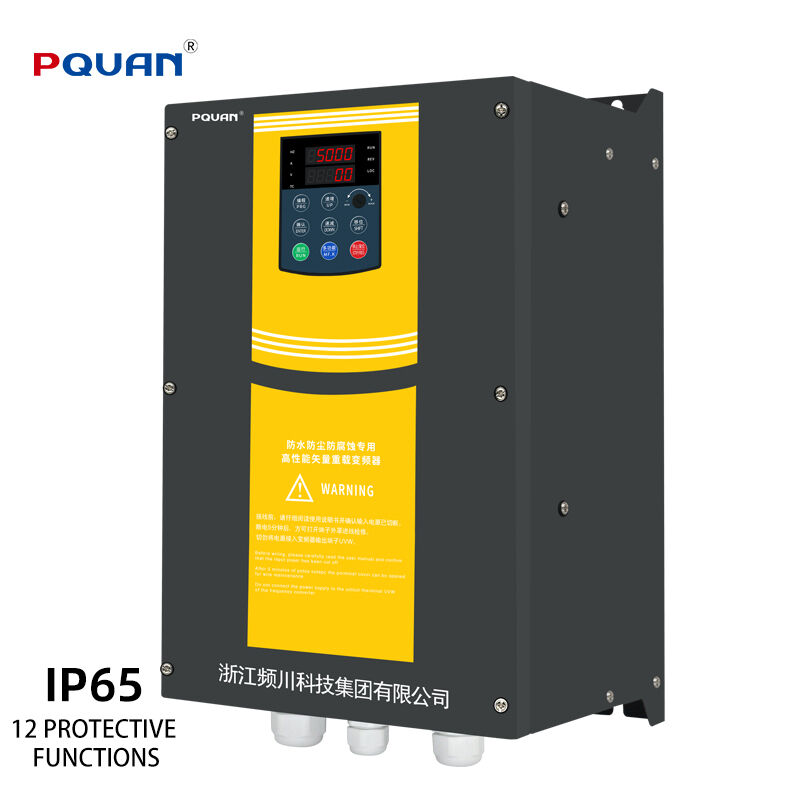
A power frequency inverter represents an essential electrical device that converts direct current (DC) into alternating current (AC) at standard power line frequencies, typically 50Hz or 60Hz depending on regional standards. This conversion technology serves as the backbone for numerous electrical systems where reliable AC power generation is crucial. Unlike high-frequency inverters that operate at thousands of hertz, power frequency inverters work at the same frequency as utility grid power, making them particularly suitable for sensitive equipment and applications requiring stable, clean electricity. The device consists of several key components including transformers, switching circuits, control systems, and filtering mechanisms that work together to produce consistent AC output. The operational principle involves using semiconductor switches to create a square wave or modified sine wave pattern from DC input, which then passes through a transformer to produce smooth sinusoidal AC output matching grid specifications. These inverters find widespread use across residential, commercial, and industrial settings where dependable power conversion is necessary. Their robust construction typically incorporates heavy-duty transformers wound with copper wire, capacitor banks for power factor correction, and sophisticated microprocessor-based control circuits that monitor and adjust output parameters in real-time. The technology has evolved significantly over decades, with modern power frequency inverters offering improved efficiency ratings, enhanced protection features, and better harmonic distortion characteristics. They excel in applications demanding high surge capacity, as the transformer-based design can handle momentary overloads far exceeding rated capacity. Installation flexibility is another advantage, with units available in various power ratings from small residential systems under 1kW to massive industrial installations exceeding several megawatts. The power frequency inverter maintains voltage regulation even under varying load conditions, ensuring connected equipment receives consistent power quality regardless of demand fluctuations.

New Products

Choosing a power frequency inverter brings numerous practical benefits that directly impact your daily operations and long-term investment value. First and foremost, these devices deliver exceptional reliability that you can count on year after year. The transformer-based design means fewer electronic components prone to failure, translating to longer equipment lifespan and reduced maintenance costs. You will notice that your power frequency inverter handles demanding loads with ease, providing surge capacity up to 300 percent of rated power for several seconds. This capability proves invaluable when starting motors, compressors, or other equipment with high inrush currents that would overwhelm lesser inverters. The clean power output protects your sensitive electronics, computers, medical equipment, and telecommunications gear from damage caused by poor power quality. You get true sine wave output that matches or exceeds utility grid standards, eliminating the buzzing, overheating, and premature failure associated with modified sine wave alternatives. Another significant benefit is the simple, proven technology that technicians understand and can service easily. You avoid dependence on specialized repair facilities or expensive proprietary components. The robust construction withstands harsh environmental conditions including temperature extremes, humidity, and vibration that would compromise high-frequency designs. Your investment remains protected through built-in safeguards against overload, short circuit, over-temperature, and reverse polarity conditions. These protection mechanisms shut down the unit safely before damage occurs, then allow automatic restart once conditions normalize. You also gain flexibility in system configuration, as power frequency inverters integrate seamlessly with generators, solar panels, batteries, and grid connections. The modular architecture allows capacity expansion by paralleling multiple units, letting you start small and grow as needs increase without replacing existing equipment. Energy efficiency has improved dramatically in recent models, with conversion efficiency reaching 90 percent or higher, meaning less wasted electricity and lower operating costs. You benefit from reduced electromagnetic interference compared to high-frequency switching designs, which can disrupt nearby radio, television, and communication equipment. The power frequency inverter operates quietly without the high-pitched whine characteristic of other inverter types, making it suitable for residential and office environments where noise matters. Customer support and warranty coverage typically extend longer for these established products, giving you peace of mind and protection for your investment. Overall, the combination of durability, performance, and value makes power frequency inverters the smart choice for anyone serious about reliable power conversion.

Tips And Tricks

Automatic Voltage Regulator (AVR): How It Ensures Stable Electrical Supply

05

Mar

Automatic Voltage Regulator (AVR): How It Ensures Stable Electrical Supply

In today’s highly industrialized and digitized world, the stability of electrical power is paramount. Industrial manufacturing plants, data centers, healthcare facilities, and laboratories all rely on a continuous flow of clean, predictable ele...
View More
Variable Frequency Drive Installation: Key Steps and Best Practices

20

Mar

Variable Frequency Drive Installation: Key Steps and Best Practices

Installing a Variable Frequency Drive correctly is just as important as selecting the right one. A drive that is improperly wired, poorly mounted, or inadequately configured will underperform, trip on faults, and wear out far sooner than its rated se...
View More
How to Install an Automatic Voltage Regulator: Step-by-Step Guide

14

May

How to Install an Automatic Voltage Regulator: Step-by-Step Guide

Fluctuations within low-voltage electrical distribution networks present a continuous hazard to high-value industrial machinery. Deploying an Automatic Voltage Regulator is the most effective strategy for neutralizing voltage sags, surges, and transi...
View More
Benefits of Using VFD Drives for Pump and Fan Applications

26

May

Benefits of Using VFD Drives for Pump and Fan Applications

In modern industrial facilities, fluid and air handling systems represent a massive portion of total energy expenditure. Traditionally, centrifugal pumps and ventilation fans operated at a constant, fixed speed, utilizing mechanical throttling valves...
View More

Get a Free Quote

Our representative will contact you soon.
Email
Mobile/WhatsApp
Name
Message
0/1000

power frequency inverter

Unmatched Surge Capacity for Heavy-Duty Applications

Unmatched Surge Capacity for Heavy-Duty Applications

The power frequency inverter stands apart from competing technologies through its extraordinary ability to handle sudden power demands that would overwhelm other inverter types. This surge capacity stems from the fundamental transformer-based architecture at the heart of every power frequency inverter design. When you connect equipment like refrigerators, air conditioners, pumps, or power tools, these devices often require three to seven times their normal operating power for a few seconds during startup. The massive inrush current needed to overcome inertia and initialize motors presents a challenge that many inverters simply cannot meet. However, the power frequency inverter excels precisely in these demanding situations. The heavy copper windings and iron core of the internal transformer can store and release tremendous amounts of magnetic energy instantaneously, providing the burst of power your equipment needs without voltage sag or shutdown. This capability means you can confidently run workshop equipment, household appliances, and industrial machinery without worrying whether your inverter can handle the load. The practical implications extend beyond mere convenience. In remote locations, medical facilities, or critical operations where equipment failure carries serious consequences, the reliable surge handling of a power frequency inverter becomes a safety feature. Imagine a water pump failing to start during firefighting operations, or medical equipment shutting down during a procedure because the inverter could not provide adequate starting current. These scenarios highlight why surge capacity matters so much in real-world applications. Additionally, the transformer isolation provided by power frequency inverters protects your equipment from electrical noise and voltage spikes that could cause damage or data loss. The physical separation between input and output circuits acts as a buffer, preventing disturbances on one side from affecting the other. This isolation proves especially valuable in sensitive electronic applications or when connecting to questionable power sources. The longevity benefits also deserve emphasis, as transformers represent mature, well-understood technology with proven durability spanning decades of service life when properly maintained. You invest once and enjoy reliable surge capacity for years to come.
Superior Power Quality for Sensitive Equipment Protection

Superior Power Quality for Sensitive Equipment Protection

Modern homes and businesses rely increasingly on sophisticated electronics that demand clean, stable electricity to function properly. The power frequency inverter addresses this critical need by generating output waveforms that closely replicate ideal utility power, protecting your valuable equipment from damage and ensuring optimal performance. At the core of this advantage lies the pure sine wave output characteristic of quality power frequency inverters. Unlike modified sine wave or square wave alternatives that produce stepped approximations of AC power, true sine wave output follows a smooth, continuous curve identical to what electric companies supply. This distinction matters tremendously for equipment containing motors, transformers, or sensitive circuitry. Computers, televisions, audio equipment, variable speed drives, laser printers, and countless other devices all perform better and last longer when powered by clean sine waves. You avoid problems like overheating, buzzing sounds, reduced efficiency, and shortened component life associated with inferior waveforms. The power frequency inverter achieves this superior output quality through careful design and filtering. After the switching circuit creates the basic AC pattern, multiple stages of filtering smooth out harmonics and distortion, resulting in total harmonic distortion levels typically below three percent. This low distortion means connected equipment receives power virtually indistinguishable from premium utility supply. Medical equipment represents one area where power quality becomes absolutely critical. Diagnostic machines, patient monitors, life support systems, and imaging equipment all contain precise electronics calibrated to operate within narrow voltage and frequency tolerances. Any deviation can cause inaccurate readings, equipment malfunction, or patient safety issues. Hospitals and clinics therefore specify power frequency inverters for backup power systems because the clean output ensures medical devices continue functioning properly during utility outages. Telecommunications equipment similarly benefits from the stable power characteristics. Cell towers, data centers, and network facilities cannot tolerate power fluctuations that might corrupt data or interrupt service. The power frequency inverter maintains tight voltage regulation typically within plus or minus two percent of nominal, even as loads vary throughout the day. Frequency stability remains equally precise, locked to crystal-controlled standards that prevent timing errors in digital systems. Industrial process control systems also depend on quality power to maintain production accuracy and prevent costly downtime. The investment in a power frequency inverter pays dividends through reduced equipment failures, fewer service calls, and extended operational life for all connected devices.

Proven Reliability and Simplified Maintenance Requirements

Proven Reliability and Simplified Maintenance Requirements

When you invest in power conversion equipment, long-term reliability and ease of maintenance should rank among your top priorities. The power frequency inverter delivers exceptional performance in both areas through time-tested design principles and straightforward construction that minimizes complexity and potential failure points. The fundamental architecture relies on transformers and robust switching components rather than densely packed high-frequency circuits vulnerable to heat stress and component degradation. This design philosophy emphasizes durability over miniaturization, resulting in equipment that withstands demanding operating conditions and provides decades of faithful service. Consider the typical lifespan of major components in a power frequency inverter. Transformers, when properly designed and operated within ratings, commonly function for thirty years or more without significant performance degradation. The copper windings and silicon steel cores represent passive components with no moving parts and minimal wear mechanisms. Capacitors used for filtering and power factor correction do age over time, but quality units rated for high ripple current and elevated temperatures will typically provide fifteen to twenty years of service before requiring replacement. Even when capacitors eventually need changing, the procedure involves straightforward removal and installation that any competent electrician can perform using standard tools. The switching devices, whether IGBTs or MOSFETs in modern designs, operate at relatively low frequencies compared to high-frequency inverters, reducing thermal cycling stress and extending operational life. Heat sinking requirements become easier to meet because lower switching frequencies generate less waste heat, allowing simpler cooling arrangements and improved reliability. Many power frequency inverters use convection cooling without fans, eliminating a common mechanical failure point and reducing maintenance needs. The microprocessor control systems incorporate proven technology with extensive diagnostic capabilities that help identify issues before they cause failures. Display panels show operating parameters including input voltage, output voltage, current, frequency, and temperature, allowing you to monitor system health at a glance. Warning indicators alert you to conditions requiring attention, such as overload situations or approaching service intervals. When problems do occur, the modular construction of most power frequency inverters facilitates rapid diagnosis and repair. Technicians can isolate faulty sections and replace boards or components without specialized factory training or proprietary diagnostic equipment. Spare parts remain available for years after purchase because components follow industry standards rather than custom designs that become obsolete quickly. This serviceability translates directly into lower lifetime costs and reduced downtime. The proven track record of power frequency inverters in challenging applications worldwide provides confidence that your investment will deliver reliable performance when you need it most.
Power Frequency Inverter: Reliable DC to AC Conversion for Industrial and Residential Applications

Get a Free Quote

Our representative will contact you soon.
Email
Mobile/WhatsApp
Name
Message
0/1000