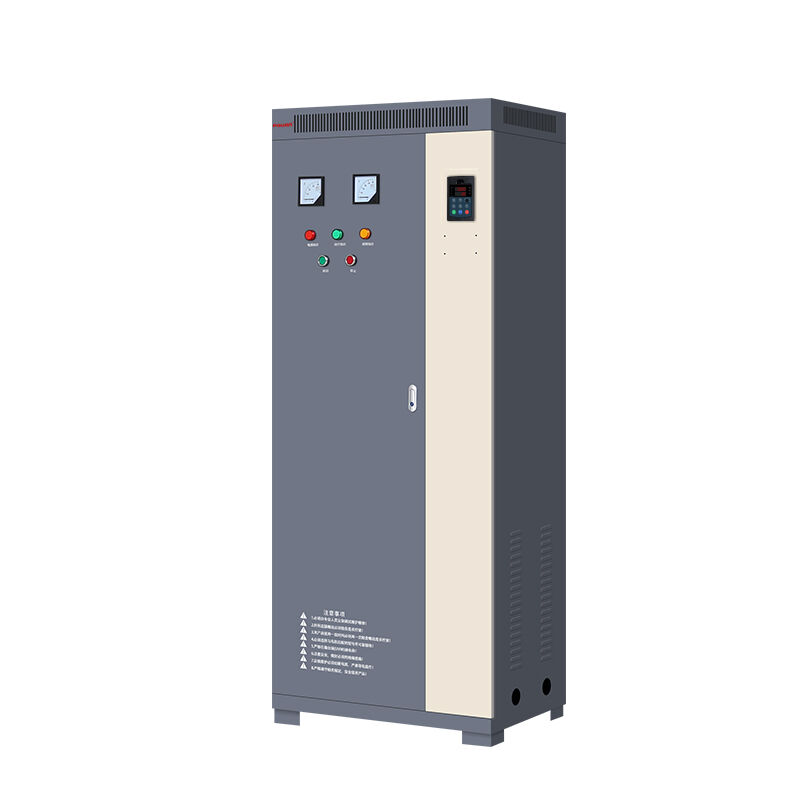
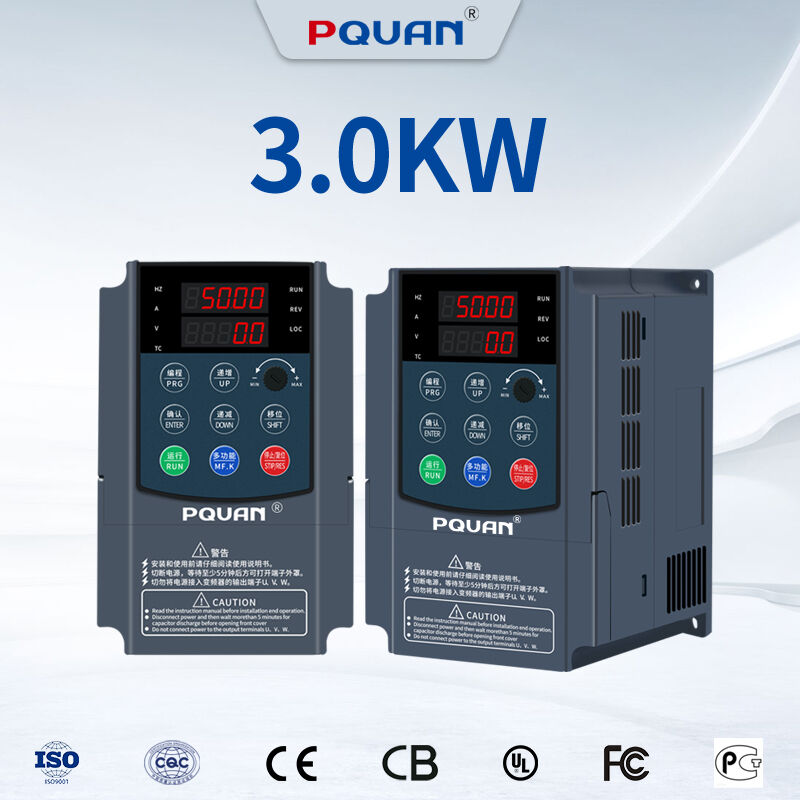
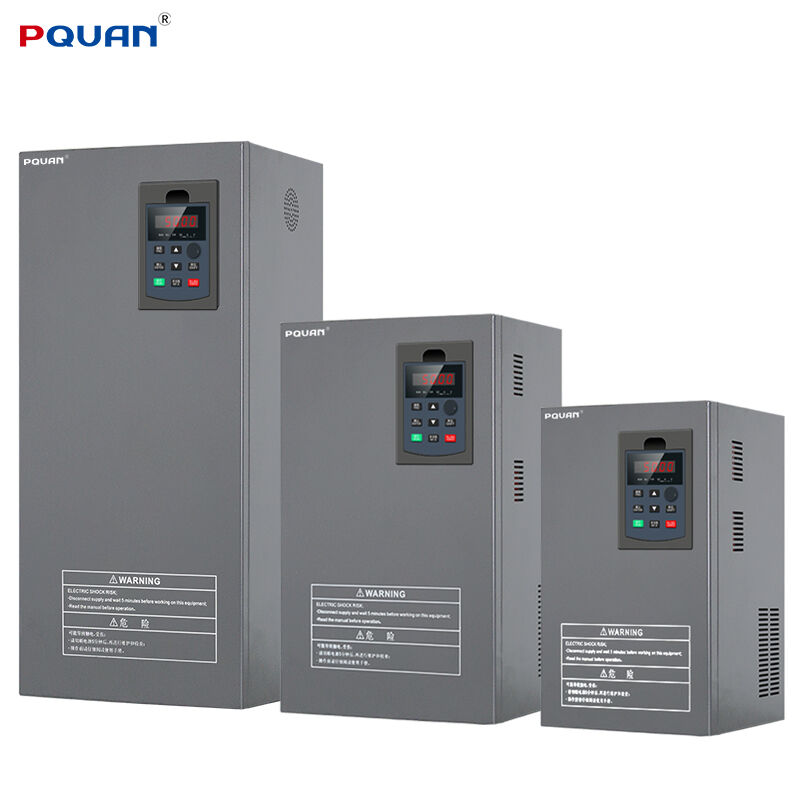
frequency inverter for cnc machine
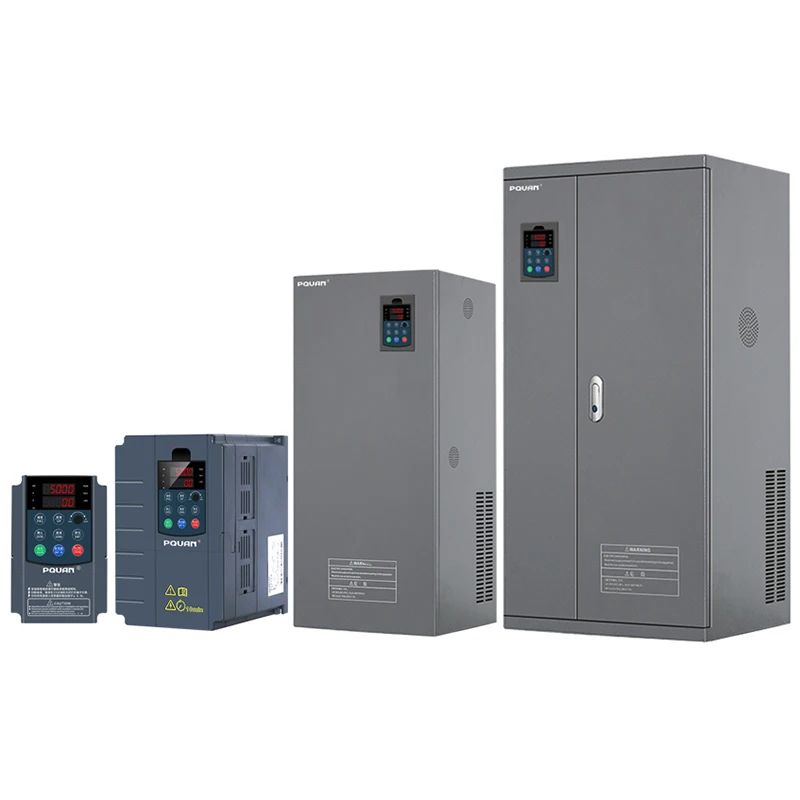
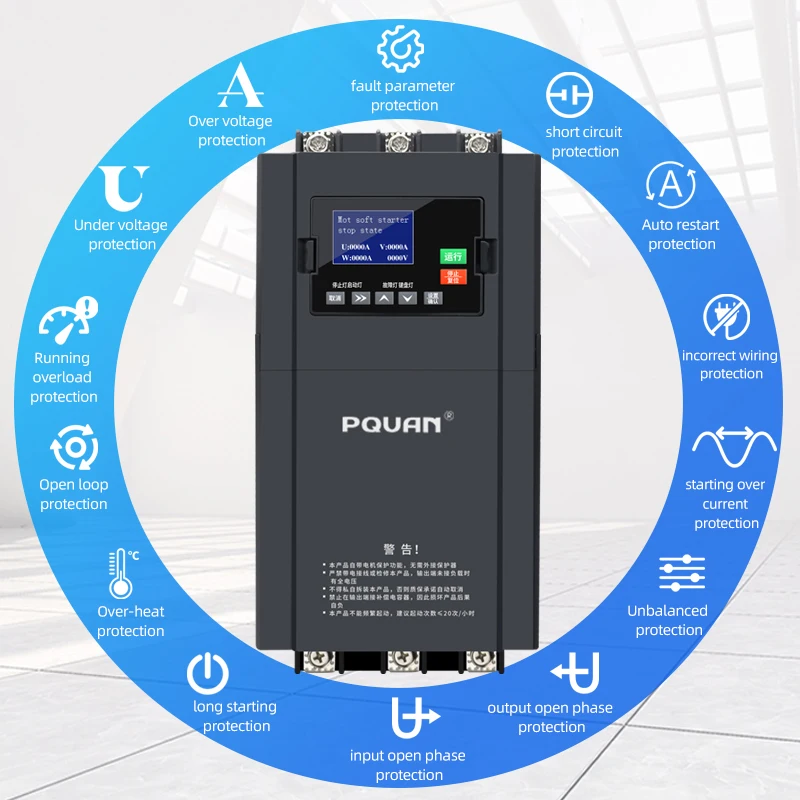
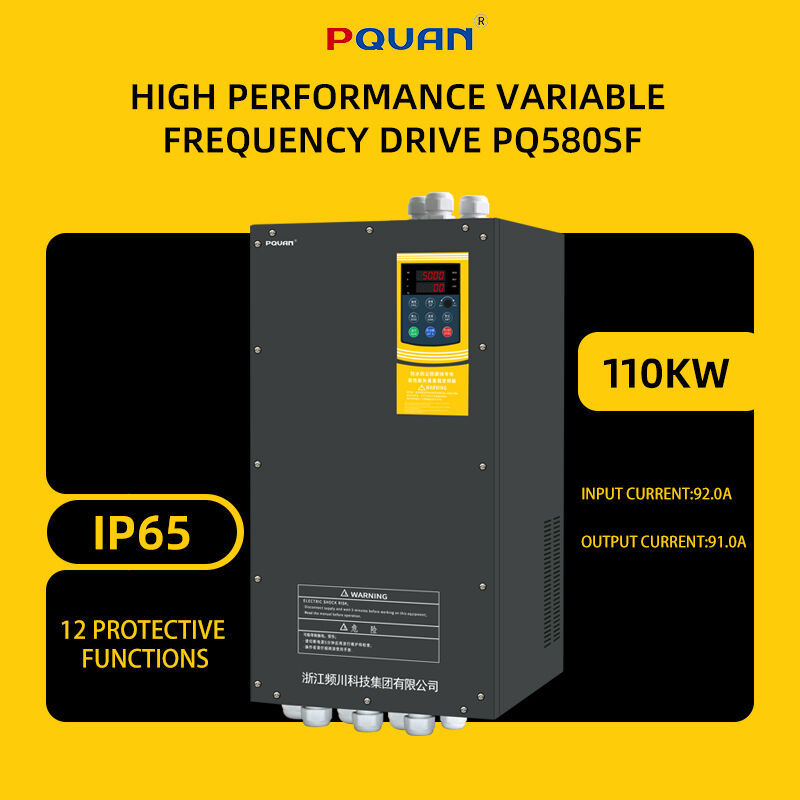
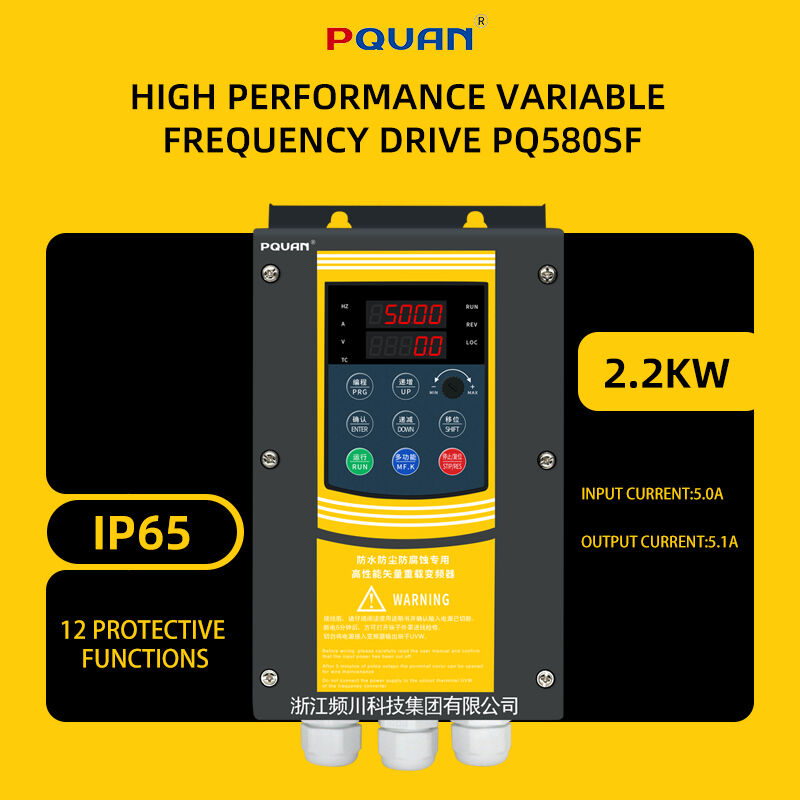
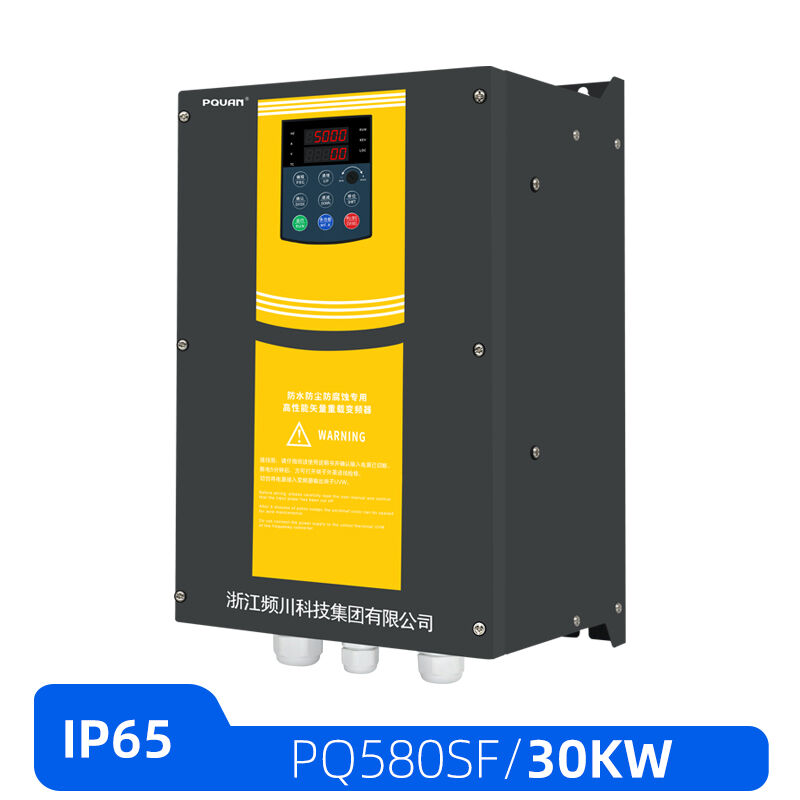
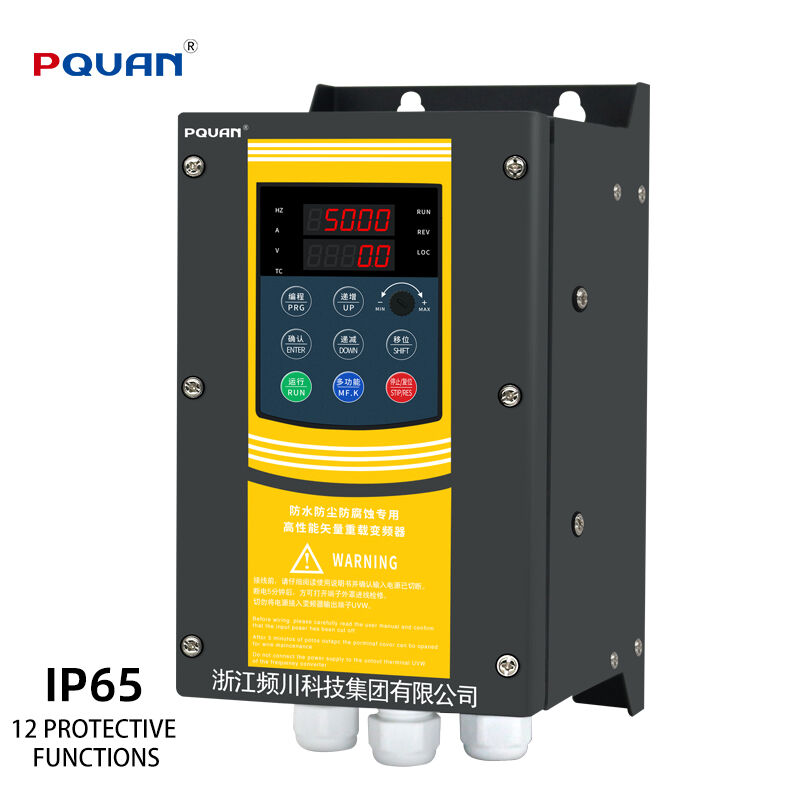
A frequency inverter for cnc machine represents a critical power control component that regulates motor speed and performance in computer numerical control systems. This sophisticated electronic device converts fixed frequency and voltage input power into variable frequency and voltage output, enabling precise control over spindle motors and servo drives. The frequency inverter for cnc machine operates by first rectifying incoming AC power to DC, then inverting it back to AC at the desired frequency and voltage levels. Modern frequency inverters incorporate advanced microprocessor technology, providing real-time monitoring and adjustment capabilities that ensure optimal machine performance. These devices feature multiple control modes including V/F control, vector control, and direct torque control, each suited to different machining requirements. The technological architecture includes power semiconductors such as IGBTs or MOSFETs, filtering circuits, protection mechanisms, and intelligent control boards. Primary functions encompass speed regulation across wide ranges, torque control for consistent cutting forces, energy efficiency optimization, and motor protection against electrical faults. The frequency inverter for cnc machine supports various communication protocols including Modbus, Profibus, and Ethernet, facilitating seamless integration with manufacturing execution systems. Applications span diverse industries including aerospace component fabrication, automotive parts manufacturing, mold making, metal cutting operations, and precision engineering workshops. These inverters handle different motor types from standard induction motors to permanent magnet synchronous motors, accommodating power ratings from fractional horsepower to hundreds of kilowatts. Advanced models incorporate regenerative braking capabilities, capturing kinetic energy during deceleration and returning it to the power supply. The frequency inverter for cnc machine also provides soft start functionality, reducing mechanical stress on transmission components and extending equipment lifespan. Environmental adaptability features ensure reliable operation across temperature ranges, humidity conditions, and altitude variations commonly encountered in industrial settings.
 EN
EN