3 Phase Frequency Converter - Complete Guide to Power Conversion Solutions

All Categories
Get a Quote
%}

Get a Free Quote

Our representative will contact you soon.
Email
Mobile/WhatsApp
Name
Message
0/1000

3 phase frequency converter

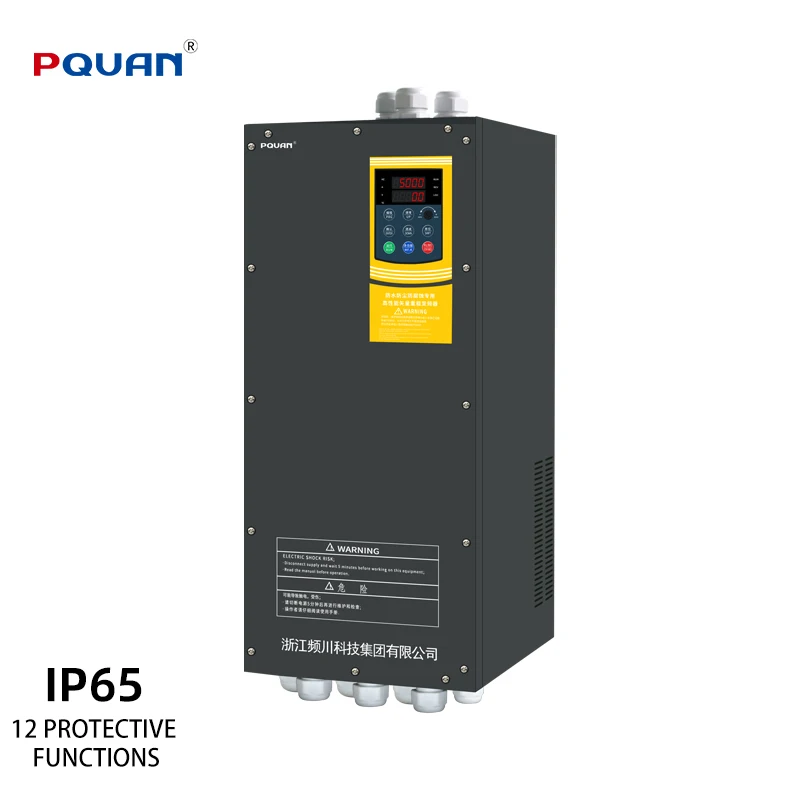
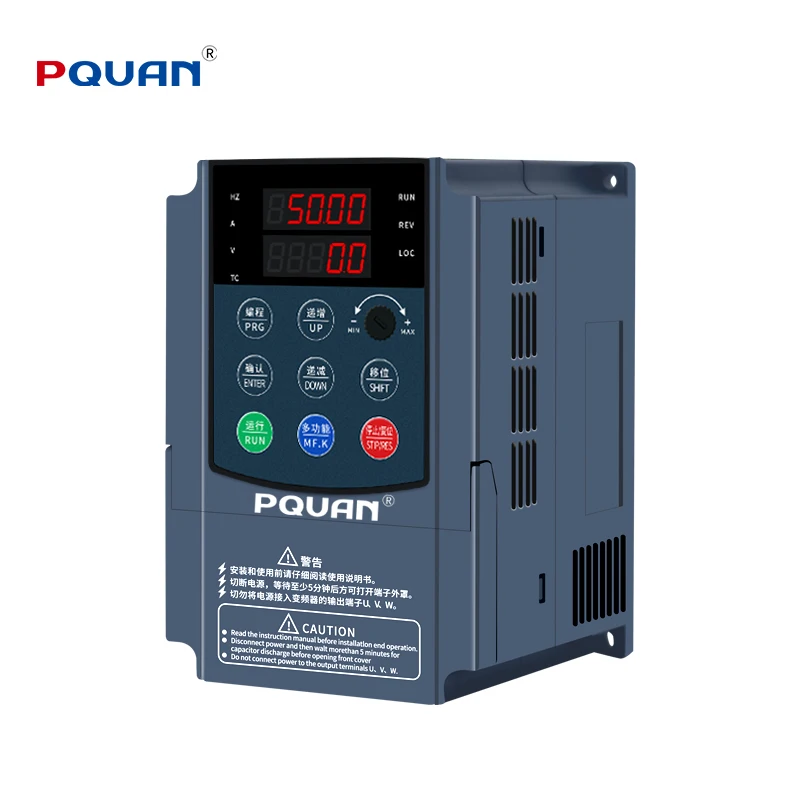
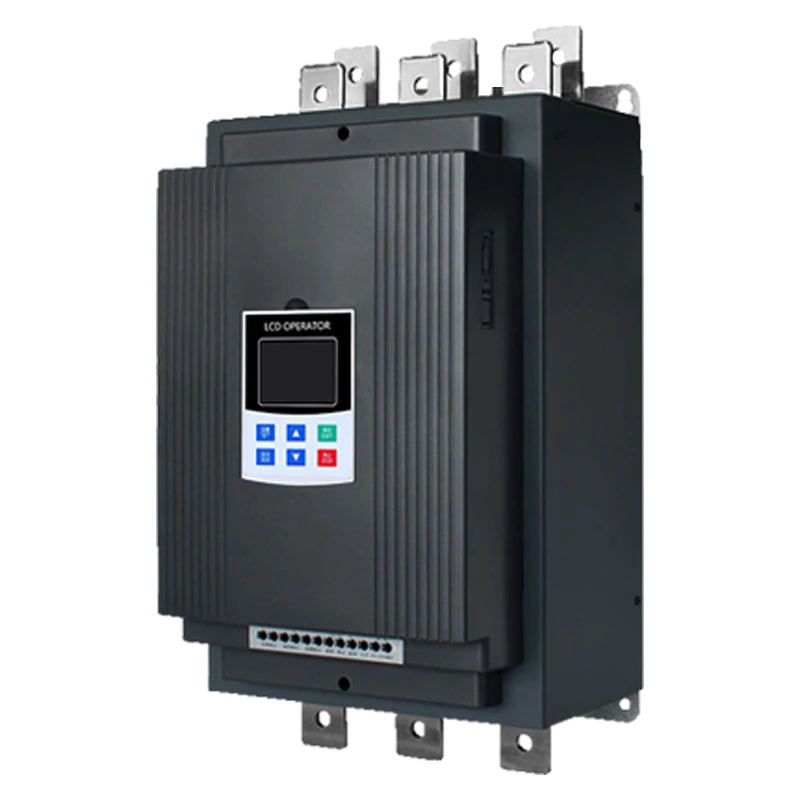
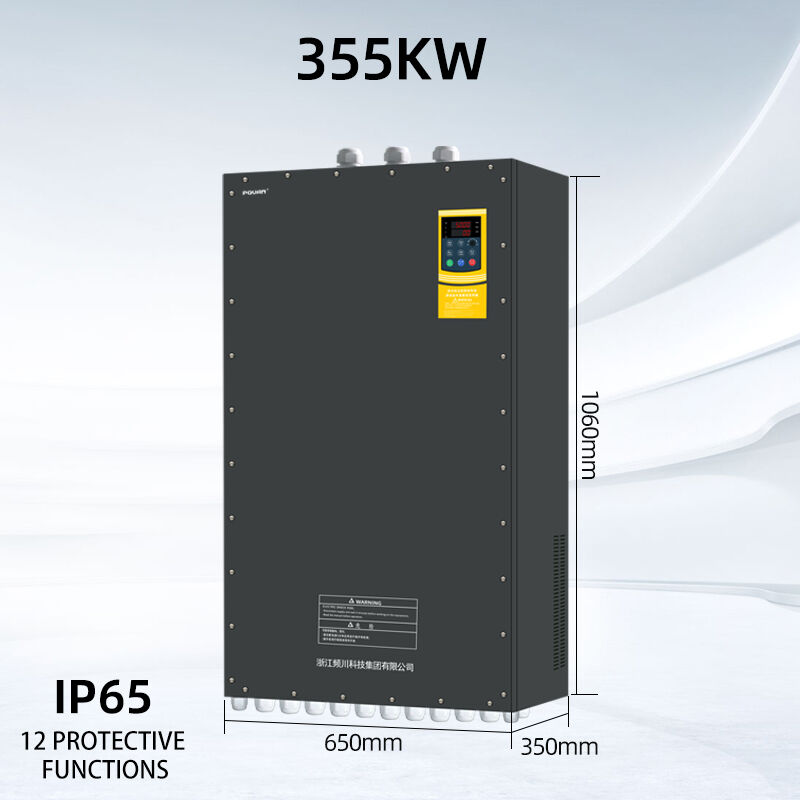
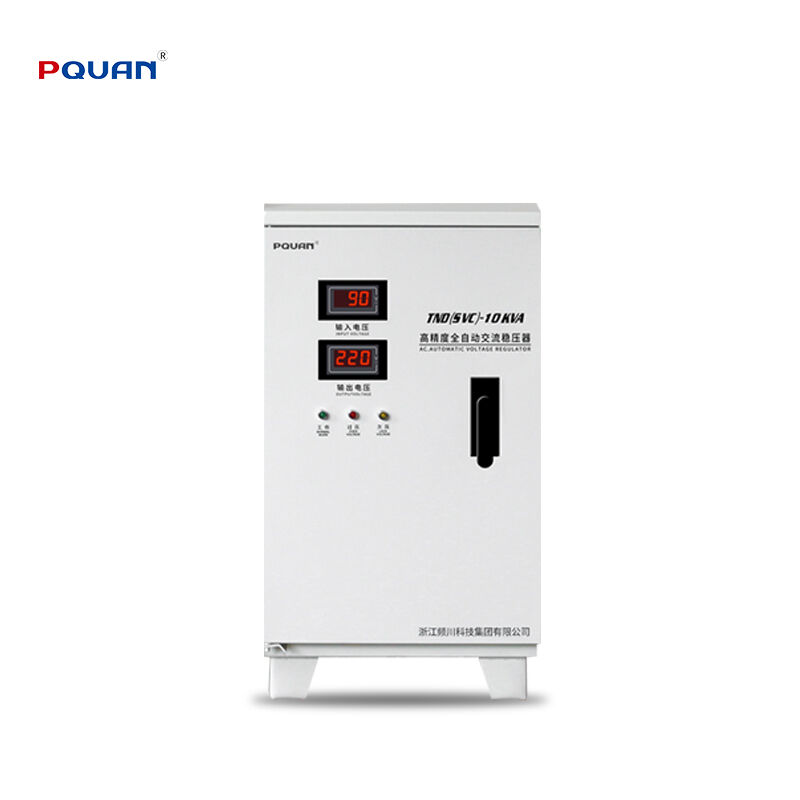
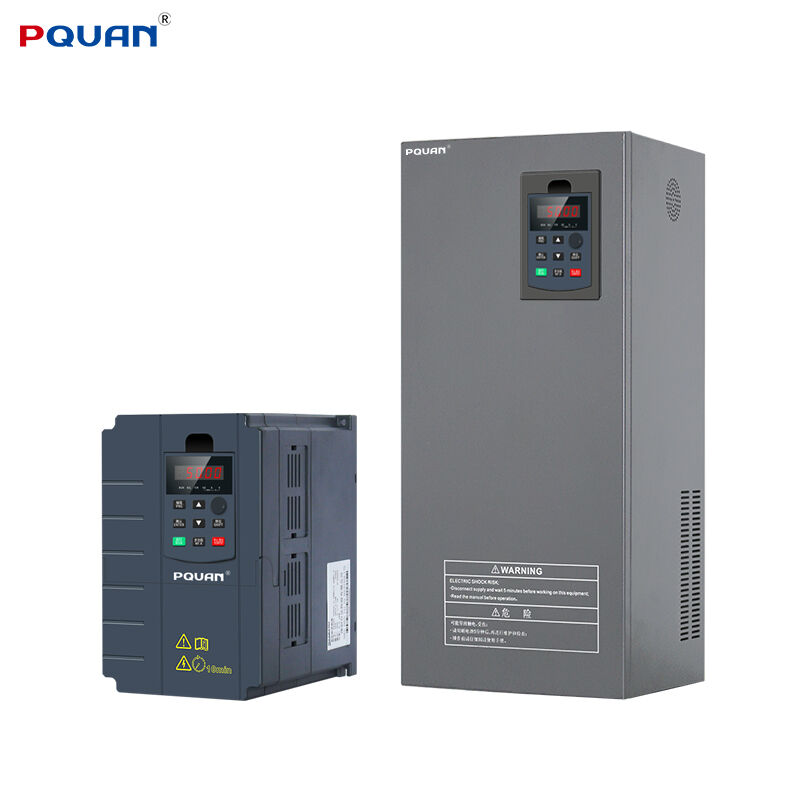
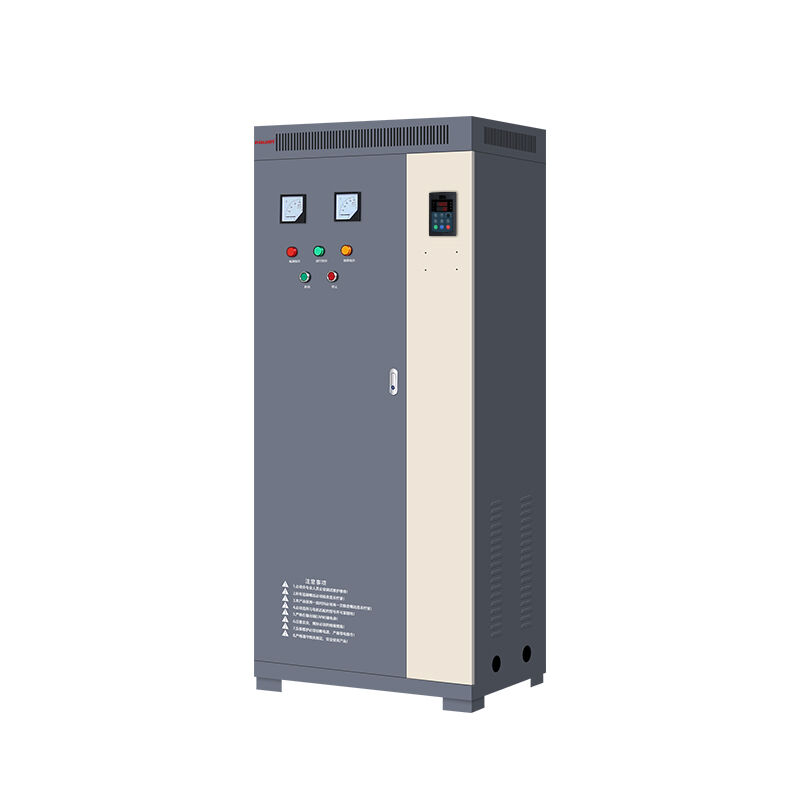
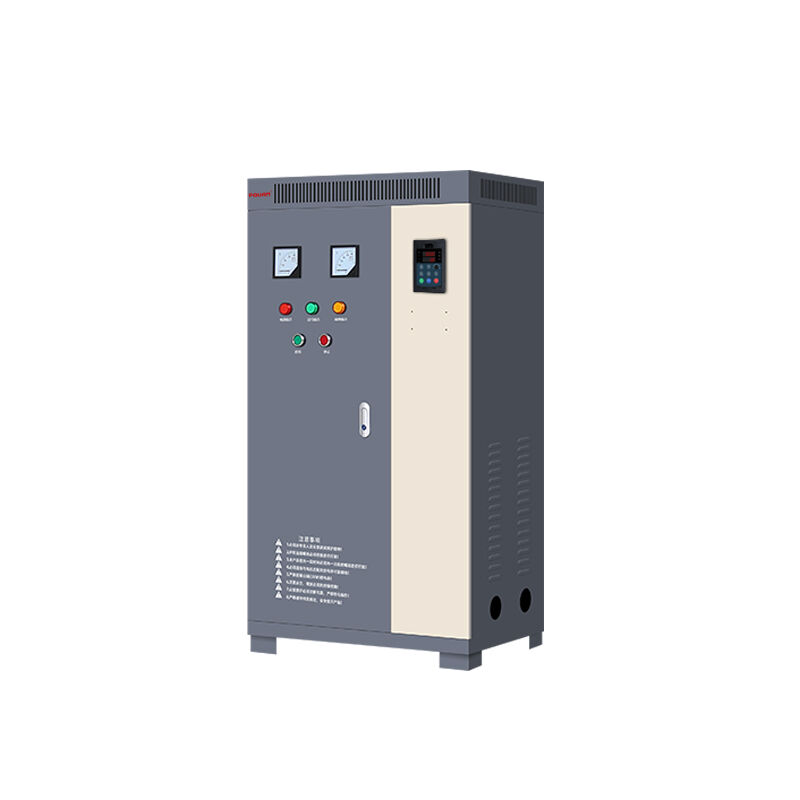
A 3 phase frequency converter represents a sophisticated power conversion device designed to transform electrical power characteristics between different frequency standards and voltage configurations. This essential industrial equipment operates by receiving three-phase alternating current at one frequency and converting it to output power at a different frequency, enabling seamless operation of motors, machinery, and equipment across various electrical systems. The device incorporates advanced power electronics, including rectification stages, intermediate DC circuits, and inversion components that work harmoniously to deliver stable, reliable power conversion. Modern 3 phase frequency converters utilize cutting-edge semiconductor technology, featuring insulated gate bipolar transistors and intelligent control algorithms that ensure precise frequency regulation and optimal performance. The primary functions encompass frequency transformation, voltage adjustment, phase conversion, and power quality enhancement, making these converters indispensable in international trade, manufacturing processes, and specialized applications requiring specific electrical parameters. Technological features include microprocessor-based control systems, digital signal processing capabilities, comprehensive protection mechanisms against overload conditions, short circuits, and thermal stress, plus user-friendly interfaces for parameter configuration and monitoring. These converters support wide input frequency ranges, typically accommodating 50Hz and 60Hz standards, while delivering output frequencies customizable to application requirements. The robust construction ensures durability in demanding industrial environments, with cooling systems designed for continuous operation and extended service life. Applications span aerospace testing facilities, marine vessel power systems, manufacturing plants with imported equipment, data centers requiring uninterruptible power supplies, and research laboratories conducting electrical equipment validation. The 3 phase frequency converter enables businesses to operate machinery regardless of local power grid specifications, facilitating global equipment deployment and eliminating costly equipment modifications or replacements due to frequency incompatibility.

New Product Releases

Investing in a 3 phase frequency converter delivers substantial practical benefits that directly impact operational efficiency and cost management. First, these converters eliminate geographical limitations when purchasing or relocating equipment, allowing companies to source machinery from any global market without worrying about power compatibility issues. This flexibility opens opportunities for acquiring specialized equipment at competitive prices, regardless of manufacturing origin or electrical specifications. Second, the devices protect valuable equipment from damage caused by incorrect frequency operation, preserving machinery investments and preventing expensive repairs or premature replacements. When motors and electronic equipment run on improper frequencies, they experience reduced efficiency, overheating, and accelerated wear, but the converter ensures optimal operating conditions consistently. Third, energy efficiency improvements translate to reduced electricity consumption and lower operational costs over time, as the converter optimizes power delivery and minimizes waste through advanced control strategies. Fourth, installation simplicity means businesses avoid complex electrical infrastructure modifications, saving both time and capital expenditure during setup and deployment phases. Fifth, the converter provides voltage stabilization features that protect sensitive equipment from power fluctuations and quality issues common in many electrical grids, enhancing overall system reliability. Sixth, operational flexibility allows easy adjustment of output parameters to match changing requirements, supporting diverse applications within a single facility without additional equipment purchases. Seventh, maintenance requirements remain minimal thanks to solid-state construction without moving parts, reducing downtime and service costs while maximizing availability for production activities. Eighth, comprehensive monitoring capabilities enable proactive management of power systems, identifying potential issues before they cause disruptions and supporting predictive maintenance strategies. Ninth, safety features including automatic shutdown during fault conditions protect both personnel and equipment from electrical hazards, meeting stringent workplace safety standards. Tenth, scalability options accommodate business growth, with models available for various power ratings from small workshop applications to large industrial installations. Finally, environmental benefits emerge from improved energy utilization and reduced waste, supporting corporate sustainability initiatives while delivering tangible economic advantages through decreased carbon footprint and regulatory compliance.

Practical Tips

Voltage Regulator Types: Which One Is Right for Your Application?

17

Mar

Voltage Regulator Types: Which One Is Right for Your Application?

In the industrial sector, maintaining a steady, reliable power supply is essential to safeguarding sophisticated automated machinery, high-precision laboratory instruments, and data infrastructures. A voltage regulator serves as a vital safeguard aga...
View More
Variable Frequency Drive Installation: Key Steps and Best Practices

20

Mar

Variable Frequency Drive Installation: Key Steps and Best Practices

Installing a Variable Frequency Drive correctly is just as important as selecting the right one. A drive that is improperly wired, poorly mounted, or inadequately configured will underperform, trip on faults, and wear out far sooner than its rated se...
View More
Common Problems with Voltage Stabilizers and How to Troubleshoot Them

16

Apr

Common Problems with Voltage Stabilizers and How to Troubleshoot Them

In many industrial and commercial facilities, voltage stabilizers are the unsung heroes of electrical reliability. These devices work tirelessly behind the scenes to smooth out unpredictable grid fluctuations, protecting sensitive machinery from the ...
View More
How to Install an Automatic Voltage Regulator: Step-by-Step Guide

14

May

How to Install an Automatic Voltage Regulator: Step-by-Step Guide

Fluctuations within low-voltage electrical distribution networks present a continuous hazard to high-value industrial machinery. Deploying an Automatic Voltage Regulator is the most effective strategy for neutralizing voltage sags, surges, and transi...
View More

Get a Free Quote

Our representative will contact you soon.
Email
Mobile/WhatsApp
Name
Message
0/1000

3 phase frequency converter

Unmatched Frequency Conversion Precision for Global Equipment Integration

Unmatched Frequency Conversion Precision for Global Equipment Integration

The 3 phase frequency converter stands out through its exceptional precision in transforming electrical frequencies, a capability that proves invaluable for businesses operating in international markets or utilizing imported equipment. This precision stems from sophisticated digital control architectures that monitor and adjust output characteristics thousands of times per second, ensuring stable frequency delivery regardless of input variations or load fluctuations. Manufacturing facilities frequently encounter challenges when integrating equipment designed for different electrical standards, particularly when combining 50Hz European machinery with 60Hz North American systems, or vice versa. The converter eliminates these compatibility barriers completely, enabling seamless operation of diverse equipment portfolios within unified facilities. This integration capability extends beyond simple frequency transformation to encompass comprehensive power conditioning that addresses voltage differences, phase balancing requirements, and harmonic distortion mitigation. The technology employs advanced pulse width modulation techniques that synthesize clean sinusoidal output waveforms, replicating ideal power conditions that optimize equipment performance and longevity. Precision control extends to maintaining constant output frequency under varying load conditions, preventing speed variations in motors and timing errors in sensitive electronic equipment. For industries requiring exact speed control such as textile manufacturing, printing operations, or conveyor systems, this stability proves essential for product quality and process consistency. Additionally, the converter facilitates testing and certification activities, allowing manufacturers to validate equipment performance under various frequency conditions without requiring multiple power sources or complex test setups. The economic implications of this precision are substantial, eliminating the need to maintain separate equipment inventories for different markets and enabling centralized production strategies that leverage economies of scale. Companies can standardize on optimal equipment regardless of destination market electrical specifications, making sourcing decisions based purely on performance and cost considerations rather than electrical compatibility constraints. Furthermore, the precision frequency conversion supports emerging applications in renewable energy integration, where generators operating at variable speeds require conversion to grid-standard frequencies before power injection.
Comprehensive Protection Systems Ensuring Maximum Equipment Safety

Comprehensive Protection Systems Ensuring Maximum Equipment Safety

Safety represents a paramount concern in industrial electrical systems, and the 3 phase frequency converter incorporates multiple layers of intelligent protection mechanisms that safeguard both the converter itself and connected equipment from diverse electrical hazards and operational anomalies. These protection systems function autonomously, continuously monitoring critical parameters and responding instantaneously to dangerous conditions before damage occurs. Overcurrent protection detects excessive current draw indicating short circuits, ground faults, or equipment malfunctions, triggering immediate shutdown sequences that prevent conductor overheating, insulation failure, and fire hazards. Overvoltage and undervoltage protection guards against power supply irregularities that could damage sensitive electronic components, with the converter automatically disconnecting or entering protective mode when voltage excursions exceed safe thresholds. Thermal monitoring systems track component temperatures throughout the converter, employing multiple sensors that detect hotspots and trigger cooling system adjustments or load reduction procedures to prevent thermal stress damage. Phase loss detection identifies single-phase failures in three-phase supply systems, a condition that causes motors to operate inefficiently and potentially burn out without intervention. Ground fault protection rapidly identifies insulation breakdown or accidental grounding conditions, isolating the system before dangerous current levels develop. Short circuit protection responds within microseconds to fault conditions, limiting fault current magnitude and duration to protect downstream equipment and wiring infrastructure. Overload protection prevents sustained operation beyond rated capacity, implementing gradual derating or shutdown procedures that protect converter components from cumulative thermal damage. Input and output monitoring systems continuously verify electrical parameters against programmed limits, alerting operators to developing issues before they escalate into failures. These protection features work synergistically, creating defense-in-depth architectures where multiple safeguards address each potential failure mode. The economic benefits of comprehensive protection extend beyond preventing equipment damage to include minimizing unplanned downtime, reducing insurance costs through improved safety records, and ensuring regulatory compliance with electrical safety standards. For businesses, this translates to predictable maintenance schedules, extended equipment service life, and reduced total cost of ownership across the electrical infrastructure.
Energy Efficiency Optimization Reducing Operational Costs Significantly

Energy Efficiency Optimization Reducing Operational Costs Significantly

Modern 3 phase frequency converters incorporate advanced energy efficiency technologies that deliver measurable reductions in electrical consumption, translating directly to lower operational costs and improved environmental performance. These efficiency gains emerge from multiple technological innovations working in concert to minimize energy waste throughout the conversion process. High-efficiency power semiconductor devices form the foundation, featuring low conduction losses and fast switching characteristics that reduce heat generation during power conversion stages. Intelligent control algorithms continuously optimize switching patterns based on real-time load conditions, adjusting modulation strategies to maintain maximum efficiency across the full operating range from light loads to rated capacity. This dynamic optimization contrasts sharply with older converter designs that operated at fixed efficiency points regardless of actual power demand. Regenerative capabilities in advanced models capture energy during deceleration or braking events in motor applications, feeding recovered power back to the source rather than dissipating it as waste heat, which proves particularly valuable in applications with frequent start-stop cycles or variable speed requirements. Power factor correction features ensure that the converter draws current from the supply system in phase with voltage, minimizing reactive power consumption that utilities often penalize through demand charges and improving overall system efficiency. Harmonic filtering technologies reduce distortion in both input current and output voltage waveforms, preventing energy losses associated with harmonic circulation and avoiding negative impacts on other equipment sharing the electrical infrastructure. Soft-start functionality gradually ramps motor speeds during startup sequences, eliminating high inrush currents that stress supply systems and waste energy while extending motor winding life through reduced mechanical and thermal shock. Variable frequency operation enables motors to operate at speeds precisely matched to process requirements rather than running constantly at full speed with mechanical throttling, a practice that wastes substantial energy in pumping, fan, and compressor applications. Efficiency benefits compound over equipment service life, with energy savings often exceeding the converter purchase cost within reasonable payback periods. Environmental advantages accompany these economic benefits, as reduced electrical consumption directly decreases carbon emissions and supports corporate sustainability objectives, increasingly important considerations for businesses facing regulatory requirements and stakeholder expectations regarding environmental responsibility.
3 Phase Frequency Converter - Complete Guide to Power Conversion Solutions

Get a Free Quote

Our representative will contact you soon.
Email
Mobile/WhatsApp
Name
Message
0/1000