Precision Speed Control for Optimal Performance
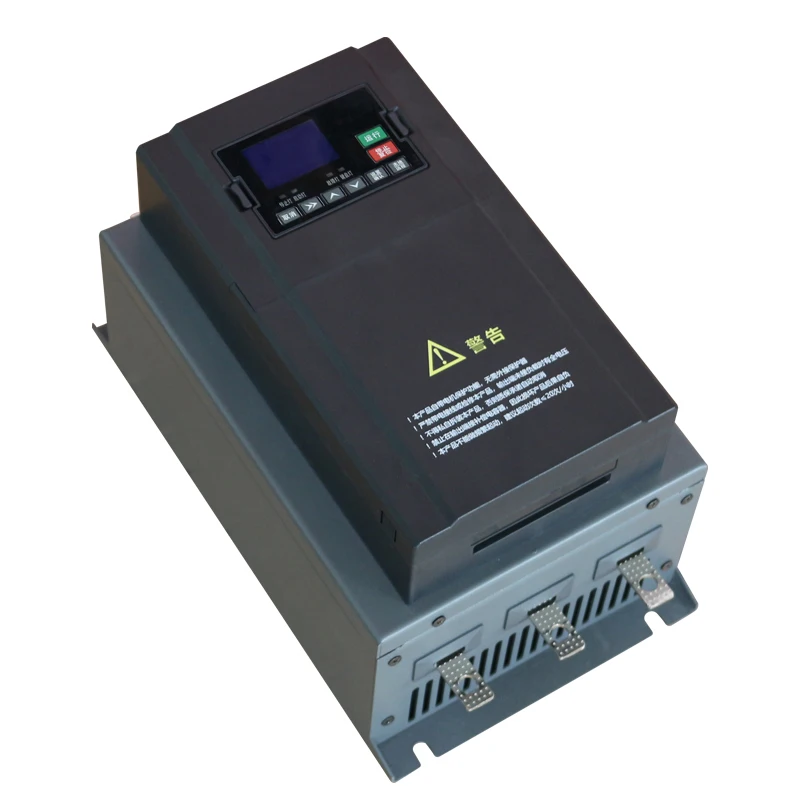
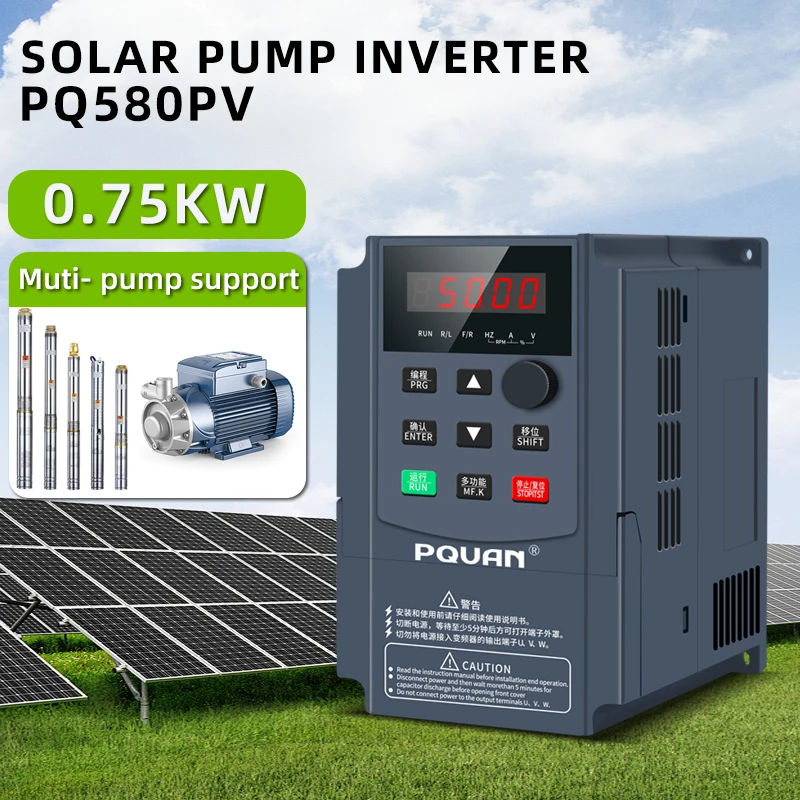
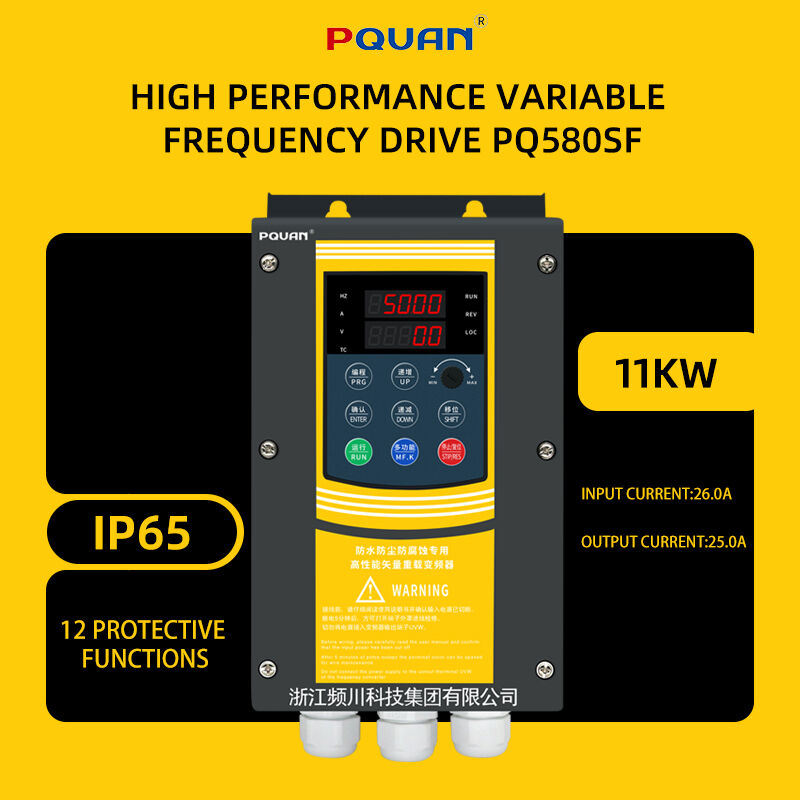
The frequency converter for motor delivers unmatched precision in speed control, enabling operations to fine-tune motor performance to exact specifications required by their processes. Unlike traditional motor control methods that offer limited speed adjustment options, the frequency converter for motor provides infinitely variable speed control across the entire operating range. This capability transforms how businesses approach production challenges, allowing them to optimize speeds for different materials, product specifications, or operating conditions without mechanical changes. Manufacturing operations benefit enormously from this precision, as conveyor speeds can match production line requirements exactly, preventing bottlenecks and maintaining smooth workflow. Processing industries achieve consistent product quality by maintaining precise mixing speeds, pump flows, or fan velocities regardless of load variations. The frequency converter for motor accomplishes this through sophisticated control algorithms that continuously monitor motor performance and make instantaneous adjustments to maintain setpoints. Closed-loop control options integrate feedback sensors, enabling the system to compensate automatically for process disturbances, load changes, or environmental factors. This automation eliminates the need for constant operator intervention, reducing labor costs while improving consistency. The precision extends to acceleration and deceleration control, where customizable ramp times prevent product damage, reduce mechanical stress, and eliminate process disruptions. Applications requiring synchronized motion benefit from the frequency converter for motor ability to coordinate multiple drives, maintaining precise speed relationships between connected equipment. Textile operations, printing presses, and material handling systems rely on this synchronization for quality output. The control precision also enables soft landing features for positioning applications, bringing loads to rest smoothly without jarring stops that damage products or equipment. Operators can store multiple speed presets, allowing quick changeovers between production recipes or operating modes through simple selections rather than manual adjustments. This flexibility supports lean manufacturing principles, reducing changeover times and enabling smaller batch production economically. The frequency converter for motor maintains speed accuracy within fractions of a percent, even as motors age or operating conditions vary, ensuring consistent performance throughout equipment lifecycles and delivering the reliability modern operations demand for competitive advantage.
 EN
EN