Superior Reliability and Operational Efficiency Maximizing Investment Value
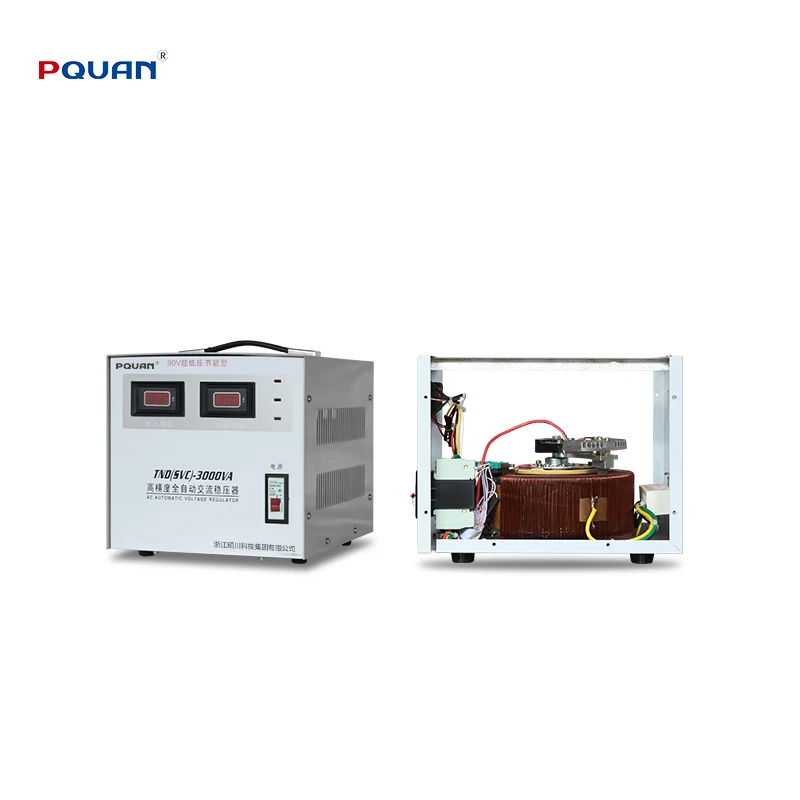
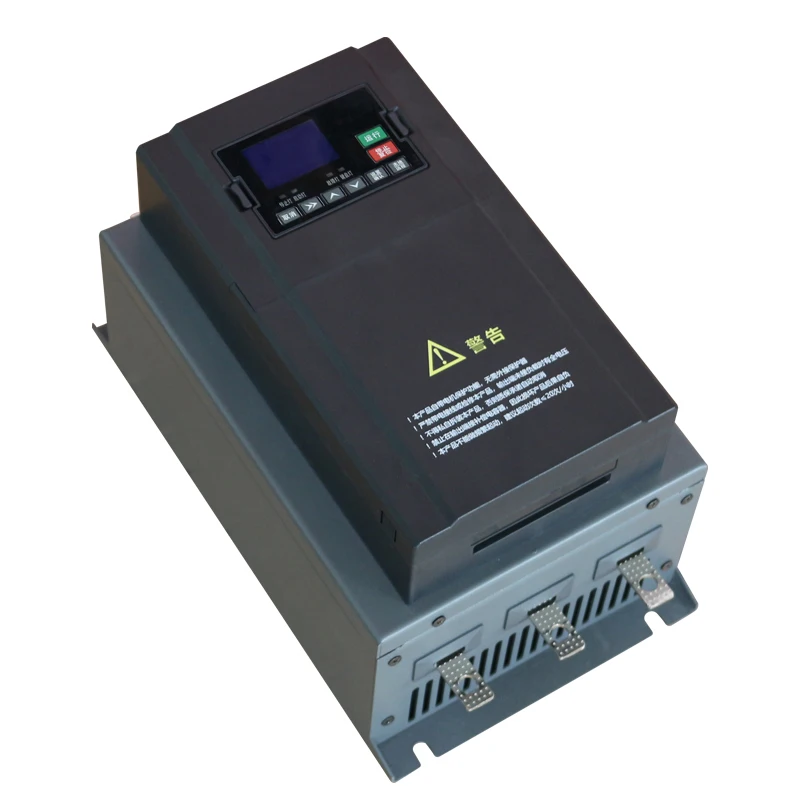
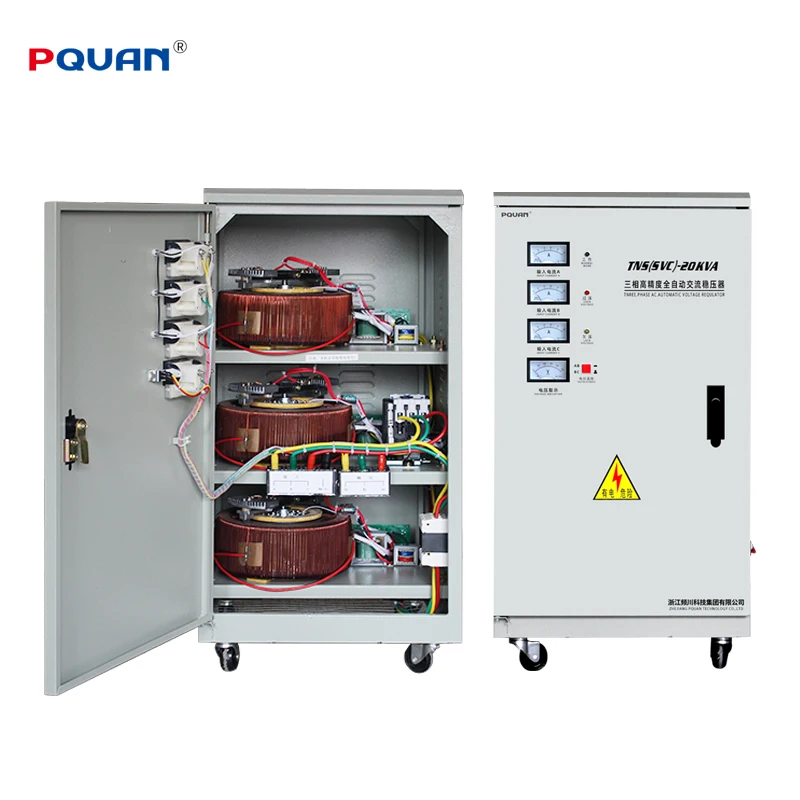
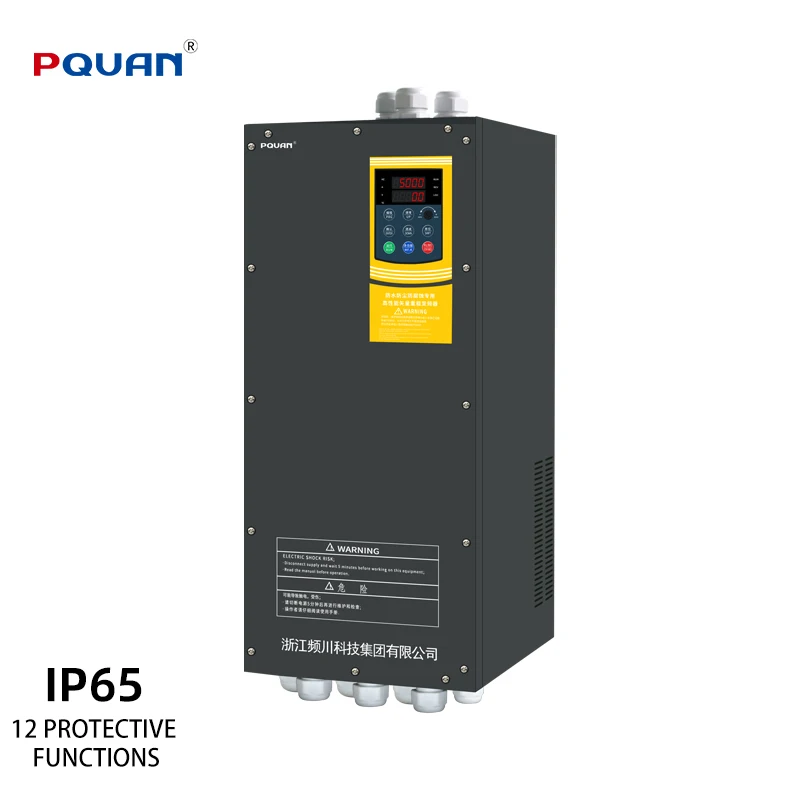
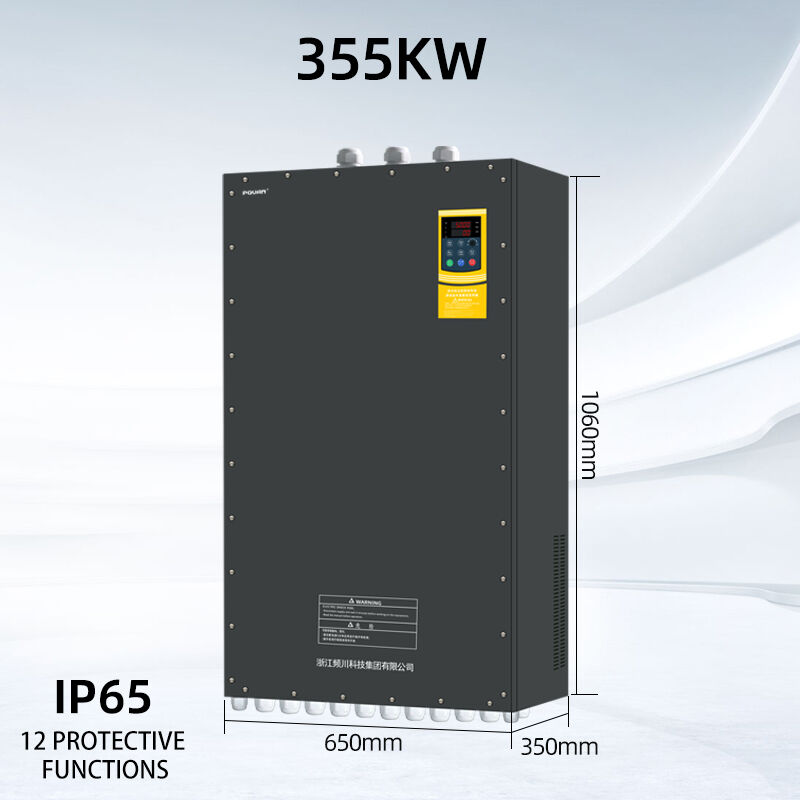
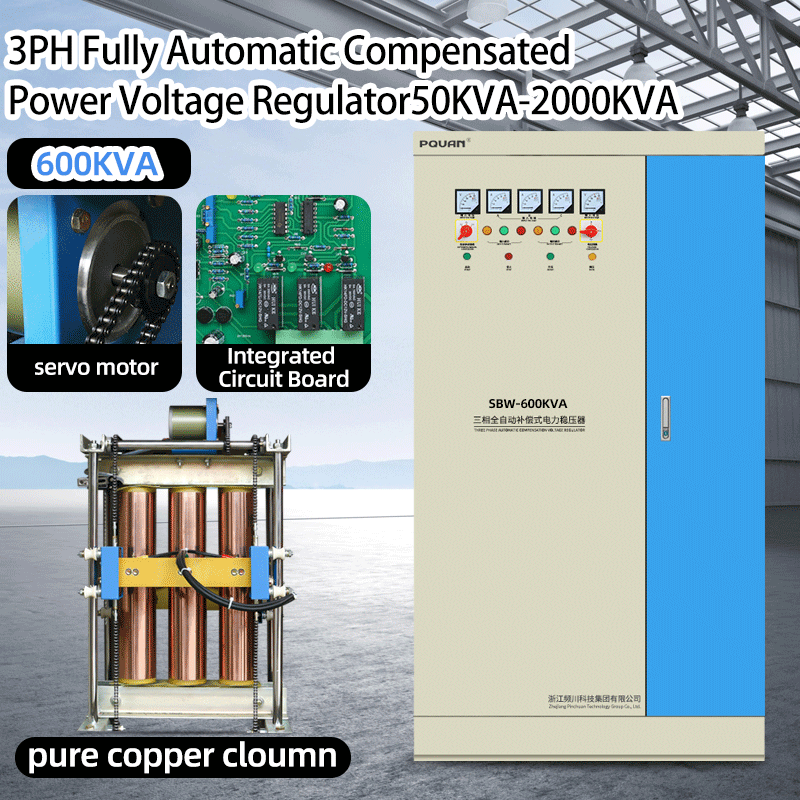
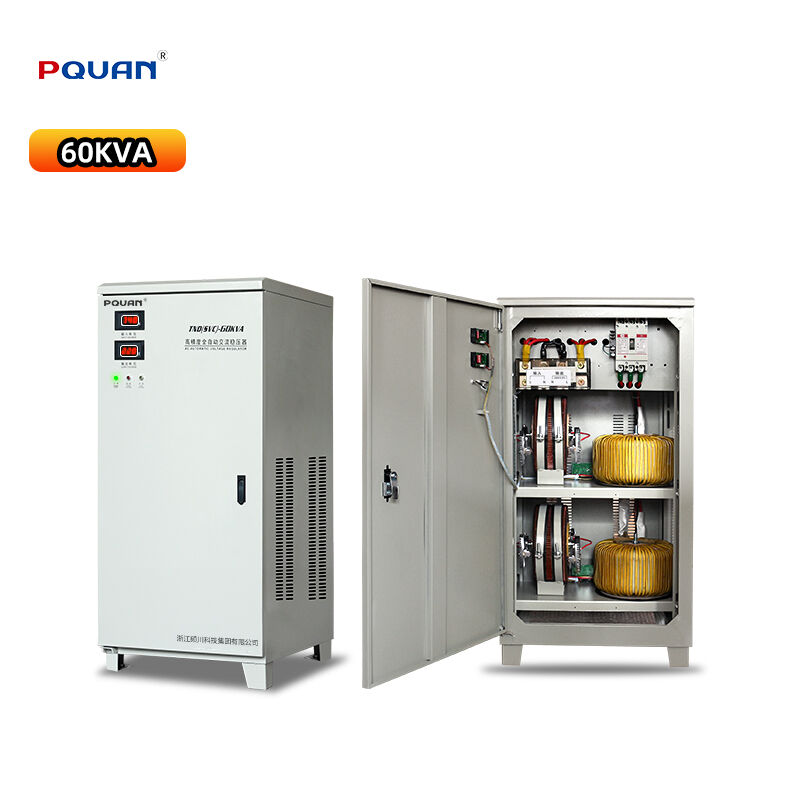
The economic value proposition of an ac frequency converter extends far beyond its initial purchase price, encompassing substantial long-term benefits that accumulate throughout its operational lifetime and significantly impact total cost of ownership. Reliability stands as the cornerstone of this value equation, with quality converters engineered for continuous duty operation in demanding industrial environments where failure is not an option. The solid-state construction employed in modern designs eliminates mechanical components such as rotating machinery, brushes, or contactors that would be subject to wear, vibration damage, and periodic replacement. This fundamental design philosophy results in mean time between failure measurements often exceeding one hundred thousand hours, translating to decades of reliable service under normal operating conditions. The absence of routine mechanical maintenance requirements reduces both direct costs associated with replacement parts and indirect costs related to scheduled downtime, maintenance labor, and production interruptions. Energy efficiency characteristics directly impact operational expenses, with premium ac frequency converter models achieving conversion efficiencies in the ninety-six to ninety-eight percent range, meaning that minimal input power is lost as heat during the conversion process. Over years of continuous or frequent operation, these efficiency gains compound into substantial electricity cost savings that can represent a significant portion of the initial equipment investment. The power factor correction capabilities integrated into many converter designs provide additional utility cost benefits by reducing reactive power consumption and potentially avoiding power factor penalties imposed by electrical utilities. Equipment protection features embedded within the ac frequency converter architecture deliver value through prevented losses, as voltage regulation, frequency stability, and power quality conditioning protect expensive connected equipment from damage, premature aging, and performance degradation that would otherwise necessitate early replacement. The scalability of converter solutions enables businesses to right-size their investment, selecting capacity that matches current needs while retaining the option to expand or reconfigure as requirements evolve, avoiding the waste associated with over-purchasing or the limitations of under-capacity installations. Operational visibility provided through monitoring interfaces and diagnostic capabilities reduces troubleshooting time when issues arise, enables predictive maintenance strategies that prevent unexpected failures, and provides documentation supporting warranty claims, insurance requirements, or regulatory compliance obligations. The compact form factor of contemporary ac frequency converter products maximizes facility space utilization, an often-overlooked value factor in industrial and commercial settings where floor space carries substantial cost implications. Installation flexibility, including options for wall mounting, floor standing, or rack integration, enables optimal placement that minimizes cable runs, reduces installation labor, and accommodates facility layout constraints. The extended operational lifetime typical of quality converters, often exceeding twenty years with proper care, spreads the initial capital investment across an extended period, improving financial metrics and providing stable, predictable power infrastructure that supports long-term business planning. When these reliability and efficiency factors are considered holistically, the ac frequency converter emerges not simply as a technical necessity but as a strategic investment that enhances operational capabilities, protects capital assets, reduces ongoing expenses, and delivers measurable return on investment that strengthens competitive positioning and supports sustainable business growth.
 EN
EN