verkko-ohjattu taajuusmuuttaja
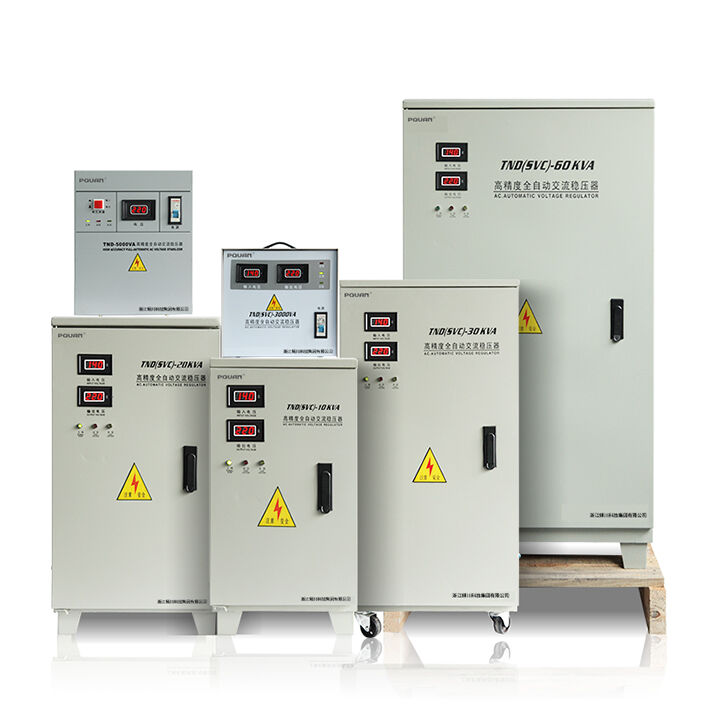
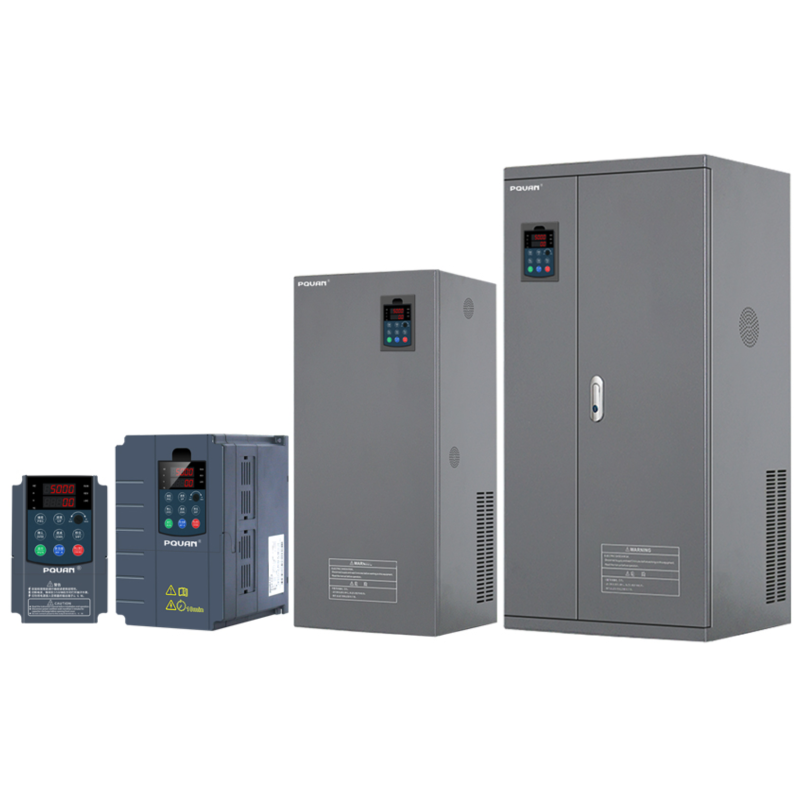
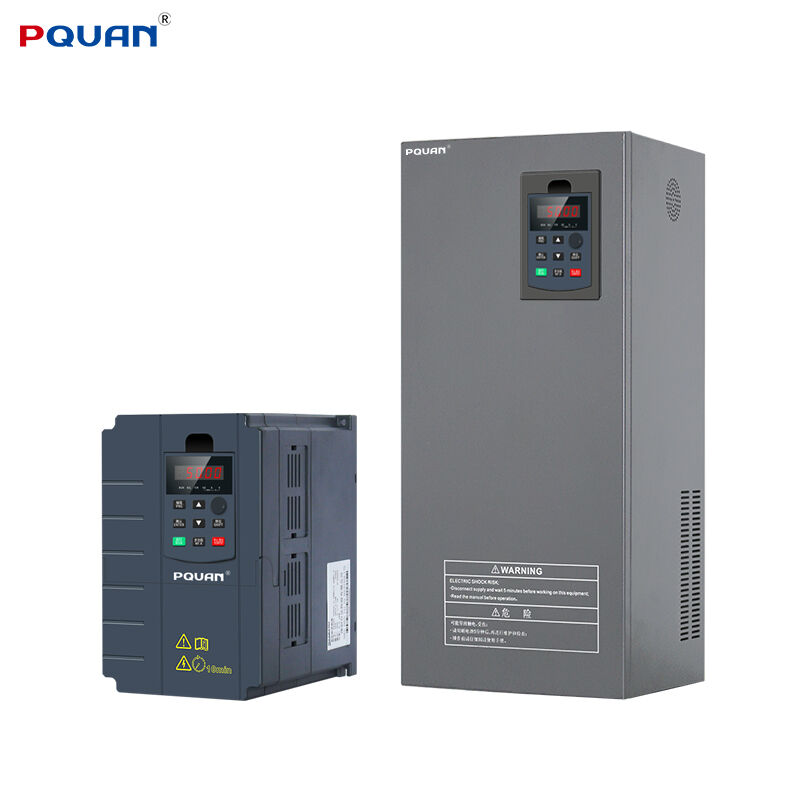
Tehotaajuusmuuttaja on monitasoinen sähkölaitteisto, joka muuntaa tasavirtaa (DC) vaihtovirraksi (AC) standarditehotaajuuksilla, yleensä 50 Hz tai 60 Hz riippuen alueellisista sähköverkkostandardeista. Tämä keskeinen tehomuunnosteknologia toimii useiden sähköjärjestelmien perustana ja mahdollistaa saumattoman integraation tasavirtalähteiden ja vaihtovirtakäyttöisten laitteiden välillä. Tehotaajuusmuuttaja toimii edistyneiden kytkentäpiirien avulla, jotka vaihtavat tasavirtasyöttöä nopeasti luodakseen sinimuotoisen vaihtovirtatulosteen, joka vastaa tarkasti sähköverkon ominaisuuksia. Nykyaikaiset tehotaajuusmuuttajat sisältävät mikroprosessoripohjaiset ohjausjärjestelmät, jotka seuraavat ja säädävät tulosteparametrejä erinomaisen tarkasti. Nämä laitteet sisältävät kattavia suojamekanismeja, kuten ylijännitesuojausta, alajännitekatkaisua, ylikuormitussuojausta, lämpöhallintaa ja oikosulkusuojaa turvalliselle ja luotettavalle toiminnalle. Tehotaajuusmuuttajien teknologinen arkkitehtuuri sisältää korkean hyötysuhteen tehopolupuolijoita, kehittyneitä suodatuspiirejä ja älykkäitä ohjausalgoritmeja, jotka optimoivat suorituskykyä erilaisissa kuormitustiloissa. Syöttöjännitteen alueet on yleensä suunniteltu soveltumaan standardiakkukonfiguraatioihin, aurinkopaneelikenttiin tai muihin tasavirtalähteisiin. Tulostejännitteen säätö pitää jännitteen vakiona kapealla toleranssialueella, mikä varmistaa yhteensopivuuden herkillä elektronisilla laitteilla. Tehotaajuusmuuttajat tuottavat puhtaan ja vakaa vaihtovirran, joka täyttää tiukat laatuvaatimukset sekä asuin- että kaupallisille sovelluksille. Modulaarinen suunnittelufilosofia mahdollistaa skaalautuvat asennukset, jotka voivat kasvaa muuttuvien teho- ja energiantarpeiden mukana. Edistyneemmissä malleissa on ominaisuuksia, kuten etäseurantamahdollisuus, ohjelmoitavat parametrit ja viestintäliittymät rakennusjohtojärjestelmien integrointia varten. Lämpötilakorjausalgoritmit varmistavat johdonmukaisen suorituskyvyn erilaisissa ympäristöolosuhteissa, kun taas automaattiset uudelleenkäynnistystoiminnot minimoivat käyttökatkoja tilapäisten vian tilanteissa. Vankka rakenne ja teollisuuden luokan komponentit tarjoavat pitkän käyttöiän myös vaativissa ympäristöissä.

 EN
EN