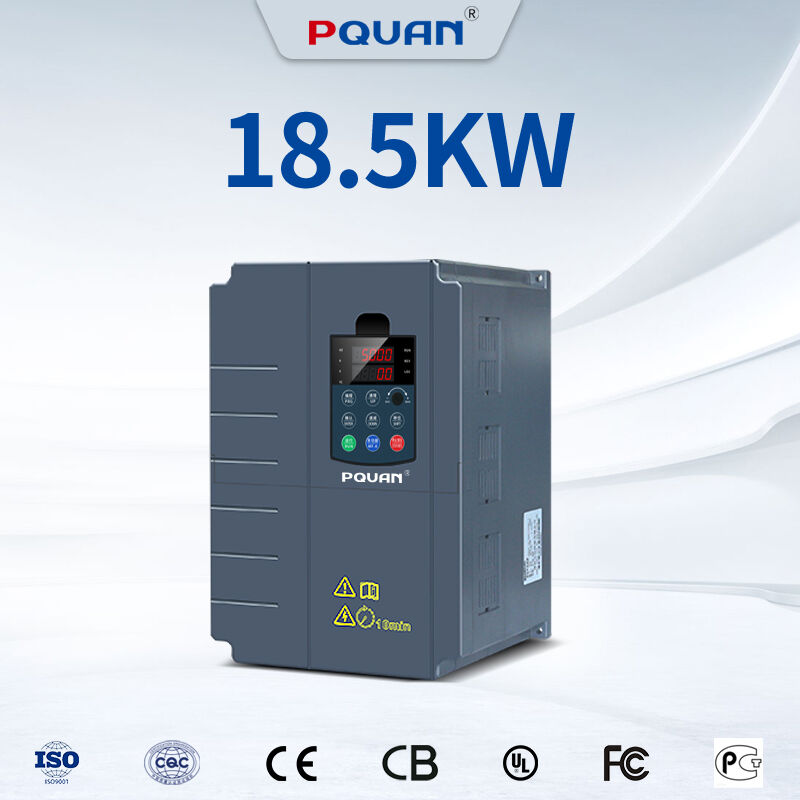
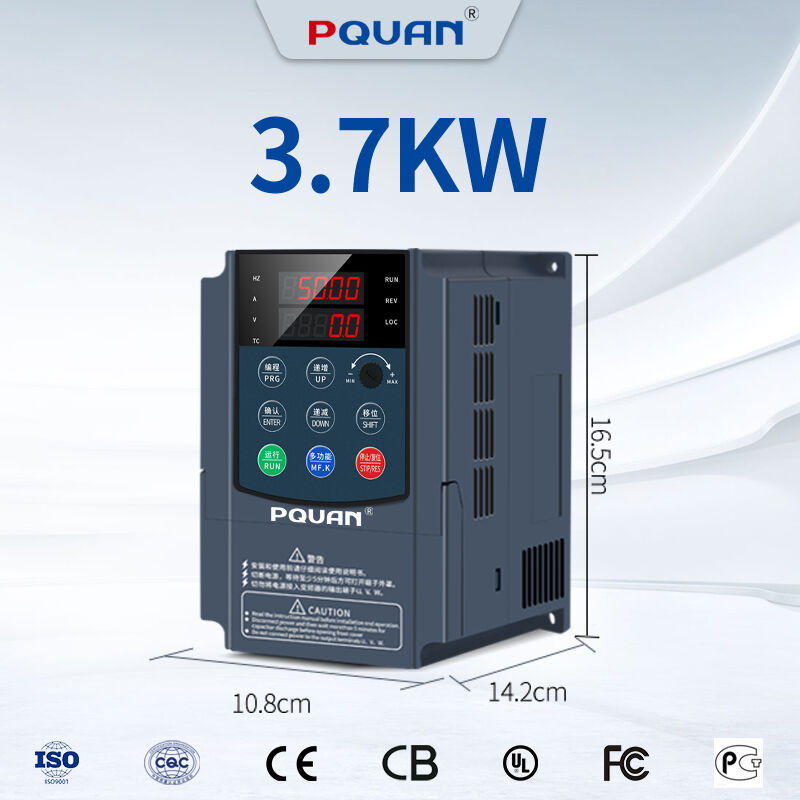
frequency inverter for fan
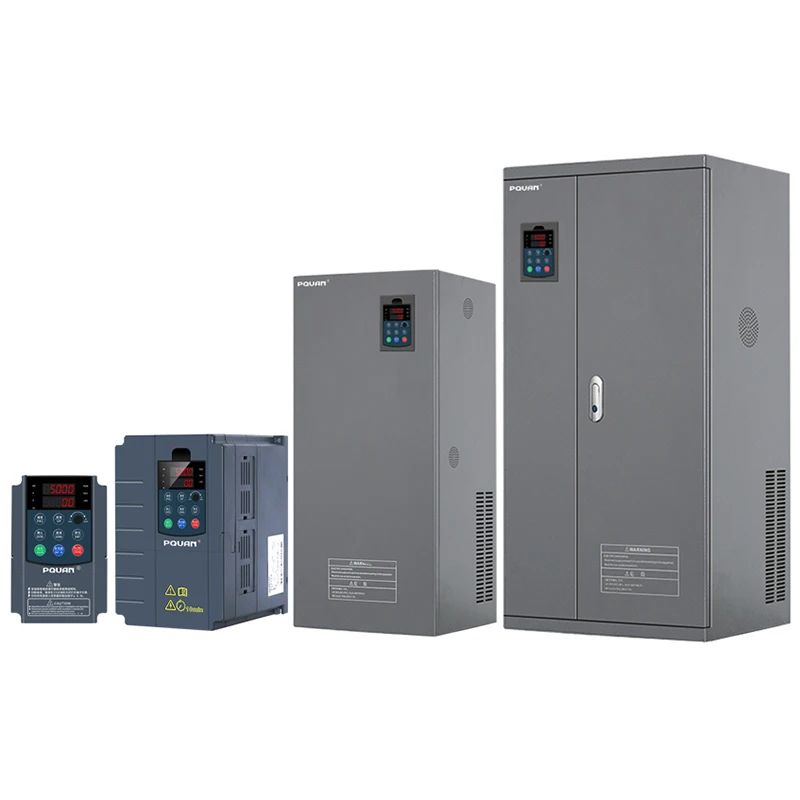
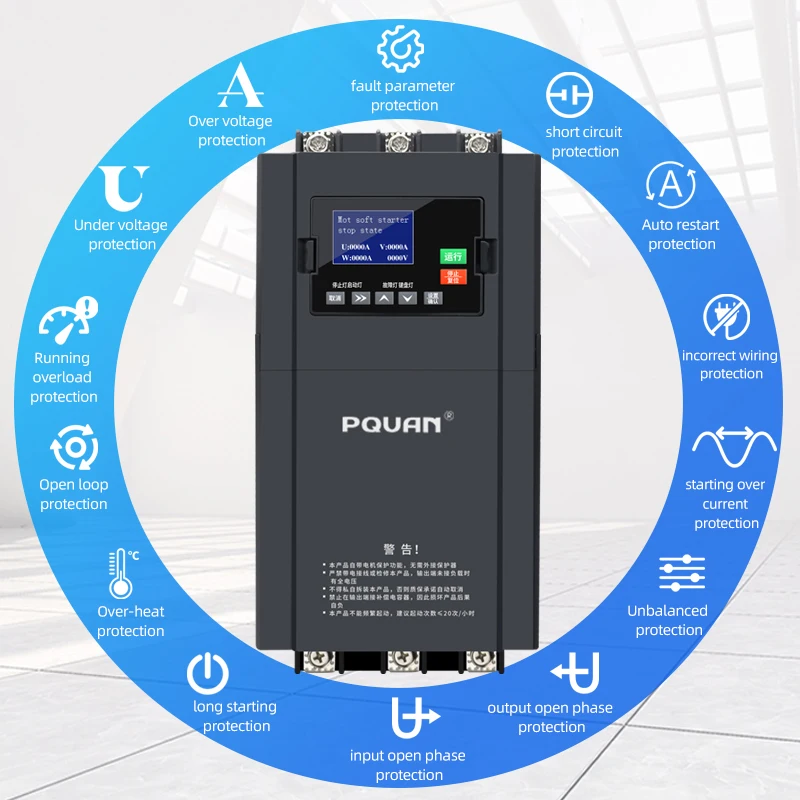
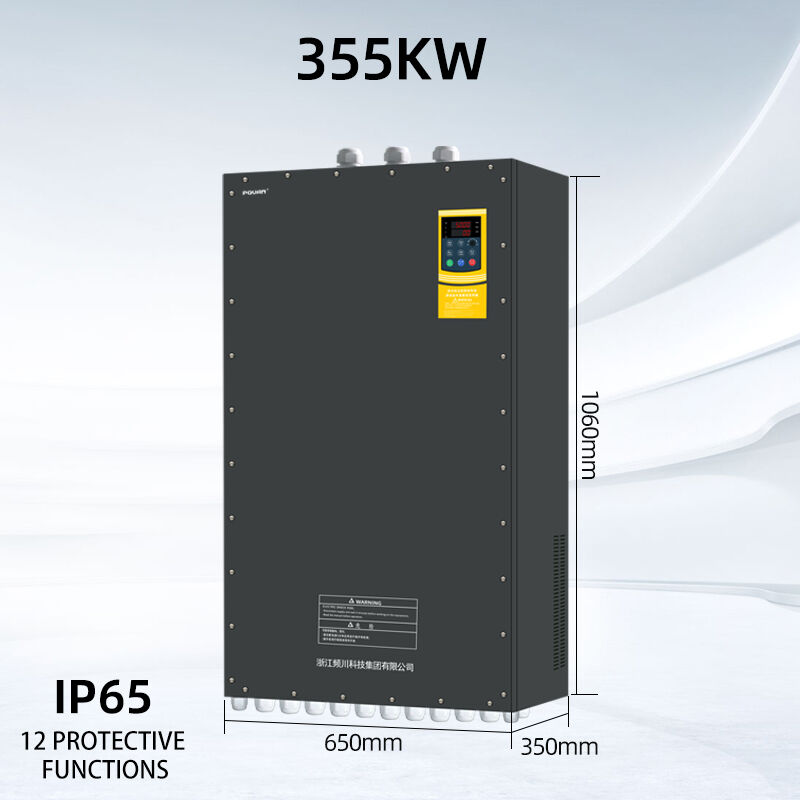
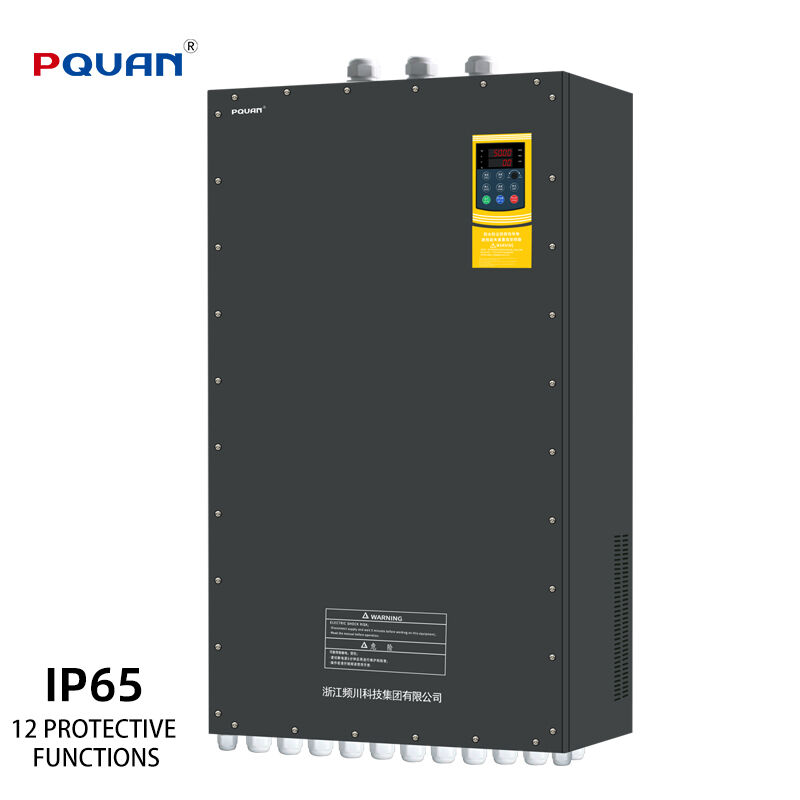
A frequency inverter for fan represents a sophisticated electronic device that controls fan motor speed by adjusting the frequency and voltage of electrical power supplied to the motor. This technology transforms fixed-speed fan operations into variable-speed systems, delivering precise control over airflow and energy consumption. The frequency inverter for fan works by converting incoming AC power to DC power, then reconverting it back to AC power at a variable frequency, enabling seamless speed adjustments based on actual operational requirements. Modern frequency inverter for fan systems incorporate advanced microprocessor technology, offering real-time monitoring, automated adjustments, and protection features that safeguard both the inverter and connected fan motors. These devices support a wide range of fan applications, from small ventilation units to large industrial exhaust systems, providing flexibility across diverse operational environments. The frequency inverter for fan delivers multiple control methods, including manual speed adjustment, analog signal control, digital communication protocols, and automated sensor-based regulation. Built-in safety mechanisms protect against overcurrent, overvoltage, undervoltage, overheating, and short circuits, ensuring reliable long-term operation. The technology proves particularly valuable in HVAC systems, manufacturing facilities, commercial buildings, agricultural operations, and transportation infrastructure where fan performance directly impacts operational efficiency and comfort levels. Installation simplicity stands as another key characteristic, with most frequency inverter for fan units designed for straightforward integration into existing electrical systems without extensive modifications or specialized expertise required for basic setup procedures.
 EN
EN