 EN
EN

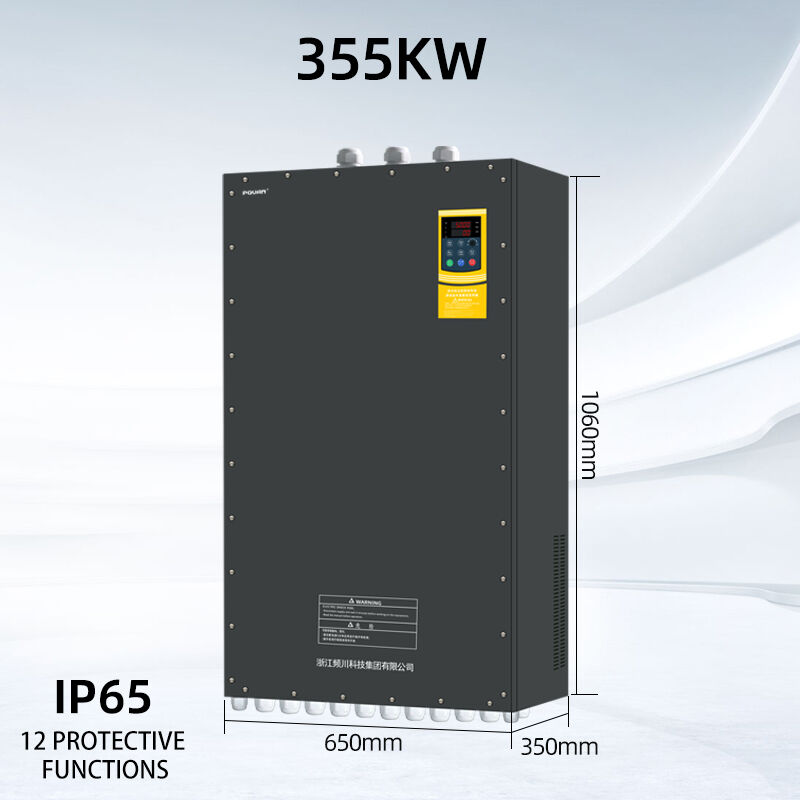
Industrial facilities worldwide are increasingly turning to advanced motor control technologies to optimize their energy consumption and operational efficiency. Among these technologies, a variable frequency drive stands out as one of the most effective solutions for reducing power consumption while maintaining precise control over motor-driven equipment. These sophisticated electronic devices have revolutionized how industries approach energy management, offering substantial cost savings and improved system performance across diverse applications.
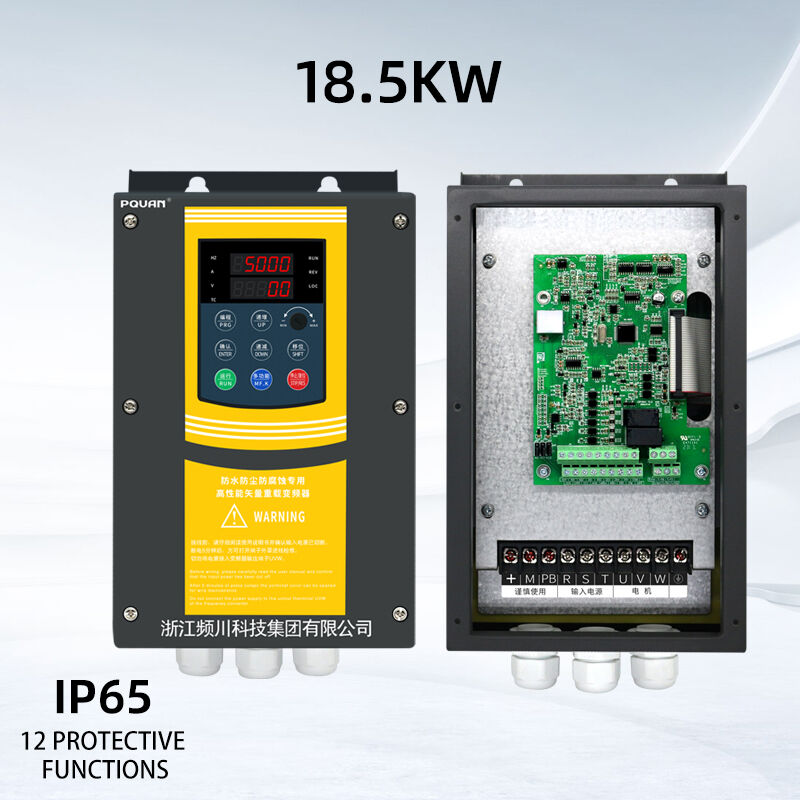
The growing emphasis on sustainable manufacturing practices and rising energy costs have made variable frequency drives an essential component in modern industrial operations. From water treatment plants to manufacturing facilities, these devices enable precise motor control while delivering remarkable energy efficiency gains. Understanding the fundamental principles and benefits of variable frequency drive technology is crucial for facility managers, engineers, and decision-makers seeking to optimize their operational costs and environmental impact.
Understanding Variable Frequency Drive Technology
Core Principles of VFD Operation
A variable frequency drive operates by converting incoming alternating current into direct current through a rectifier stage, then reconverting it back to alternating current with variable frequency and voltage through an inverter section. This process allows precise control over motor speed and torque, enabling motors to operate at optimal efficiency levels across varying load conditions. The sophisticated power electronics within a variable frequency drive utilize pulse width modulation techniques to create smooth, adjustable output waveforms that match specific application requirements.
The control algorithms embedded in modern variable frequency drives incorporate advanced features such as vector control and direct torque control, which provide exceptional precision in motor management. These technologies enable the drive to maintain accurate speed regulation even under changing load conditions, ensuring consistent performance across diverse industrial applications. The microprocessor-based control systems continuously monitor motor parameters and adjust output accordingly, maximizing both performance and energy efficiency.
Electronic Components and Architecture
The internal architecture of a variable frequency drive consists of several critical components working in harmony to deliver precise motor control. The rectifier section typically employs diode bridges or active front-end rectifiers to convert AC input power to DC, while the DC bus section includes capacitors and inductors for power conditioning and energy storage. The inverter stage utilizes insulated gate bipolar transistors or similar switching devices to generate the variable frequency output.
Modern variable frequency drives incorporate sophisticated protection circuits and diagnostic capabilities that monitor system health and prevent equipment damage. These protective features include overcurrent protection, overvoltage safeguards, thermal monitoring, and ground fault detection. Additionally, communication interfaces such as Modbus, Ethernet, and Profibus enable seamless integration with building management systems and industrial networks, facilitating remote monitoring and control capabilities.
Energy Efficiency Benefits and Savings
Power Consumption Reduction Mechanisms
The primary energy-saving mechanism of a variable frequency drive lies in its ability to match motor speed precisely to load requirements, eliminating the energy waste associated with constant-speed operation. Traditional motor control methods, such as throttling valves or dampers, create artificial load restrictions that force motors to work against unnecessary resistance. In contrast, a variable frequency drive adjusts motor speed dynamically, reducing power consumption proportionally to the cube of speed reduction in centrifugal applications.
Quantitative studies demonstrate that implementing variable frequency drives in pump and fan applications can achieve energy savings ranging from thirty to fifty percent compared to traditional control methods. These savings result from the fundamental relationship between motor speed and power consumption, where even modest speed reductions translate to significant energy reductions. For example, reducing motor speed by twenty percent typically results in approximately fifty percent power reduction in centrifugal pump applications.
Operational Efficiency Improvements
Beyond direct energy savings, variable frequency drive technology delivers substantial operational benefits through improved process control and equipment longevity. The soft-start capability eliminates mechanical stress associated with across-the-line motor starting, reducing wear on mechanical components and extending equipment lifespan. This gentle acceleration and deceleration reduces maintenance requirements and minimizes unexpected downtime, contributing to overall operational efficiency.
The precise speed control offered by variable frequency drives enables optimization of process parameters that were previously difficult to achieve with fixed-speed systems. This enhanced control capability allows operators to fine-tune system performance for maximum efficiency while maintaining product quality and process consistency. The result is improved overall equipment effectiveness and reduced total cost of ownership across the equipment lifecycle.
Industrial Applications and Implementation
HVAC and Building Systems
Heating, ventilation, and air conditioning systems represent one of the most common applications for variable frequency drive technology in commercial and industrial buildings. Variable frequency drives enable precise control of fan and pump speeds based on actual demand, rather than operating at constant maximum capacity. This demand-responsive operation significantly reduces energy consumption while maintaining optimal indoor environmental conditions and air quality standards.
In chilled water systems, variable frequency drives control pump speeds to maintain optimal pressure and flow rates throughout the distribution network. This approach eliminates the energy waste associated with throttling valves and bypass systems, while providing superior temperature control and system responsiveness. Similarly, cooling tower fan control through variable frequency drives optimizes heat rejection efficiency based on ambient conditions and cooling load requirements.
Water and Wastewater Treatment
Water treatment facilities utilize variable frequency drives extensively for pump control in various process stages, from raw water intake to treated water distribution. The ability to match pump output to actual demand eliminates the energy penalties associated with constant-speed operation and throttling control. Variable frequency drives also enable sophisticated pump sequencing strategies that optimize energy consumption across multiple pump installations.
Wastewater treatment applications benefit from variable frequency drive technology through improved process control and energy efficiency in aeration systems, sludge pumps, and clarifier mechanisms. The precise speed control enables operators to optimize biological treatment processes while minimizing energy consumption. Additionally, the reduced mechanical stress from soft-starting extends equipment life in the harsh environments typical of wastewater treatment facilities.
Selection and Sizing Considerations
Technical Specifications and Requirements
Proper selection of a variable frequency drive requires careful analysis of application requirements, including motor specifications, load characteristics, and environmental conditions. Key parameters include input voltage requirements, current capacity, overload capability, and control features necessary for the specific application. The variable frequency drive must be sized appropriately to handle both continuous and peak load conditions while providing adequate margin for system variations.
Environmental factors such as ambient temperature, humidity, and altitude significantly influence variable frequency drive selection and installation requirements. Industrial environments may require drives with enhanced protection ratings, such as IP65 enclosures, to withstand harsh conditions including dust, moisture, and chemical exposure. Additionally, electromagnetic compatibility considerations ensure that variable frequency drive installations do not interfere with other sensitive electronic equipment.
Integration and Installation Planning
Successful variable frequency drive implementation requires comprehensive planning that addresses electrical infrastructure requirements, including appropriate circuit protection, conductor sizing, and grounding systems. The installation must comply with applicable electrical codes and standards while incorporating proper line and load reactors to minimize harmonic distortion. Power quality considerations become particularly important in facilities with sensitive electronic equipment or multiple variable frequency drive installations.
System integration planning should address communication requirements, user interface needs, and maintenance accessibility. Modern variable frequency drives offer extensive communication capabilities that enable integration with building automation systems, energy management platforms, and predictive maintenance programs. Proper planning ensures that these advanced features are utilized effectively to maximize the return on investment from variable frequency drive installations.
Maintenance and Troubleshooting
Preventive Maintenance Protocols
Regular maintenance of variable frequency drive systems is essential for ensuring reliable operation and maximizing equipment lifespan. Preventive maintenance protocols should include periodic inspection of electrical connections, cleaning of cooling components, and verification of protection settings. The sophisticated diagnostic capabilities built into modern variable frequency drives provide valuable information for maintenance planning and early detection of potential issues.
Thermal management represents a critical aspect of variable frequency drive maintenance, as excessive heat is the primary factor limiting component life. Regular cleaning of heat sinks and cooling fans prevents thermal buildup that can degrade power semiconductors and electrolytic capacitors. Environmental monitoring helps identify conditions that may accelerate component aging, enabling proactive maintenance interventions before failures occur.
Common Issues and Solutions
Understanding common variable frequency drive problems and their solutions enables maintenance personnel to respond quickly to operational issues. Typical problems include overcurrent trips, overvoltage conditions, and communication failures, each requiring specific diagnostic approaches. The built-in fault logging and diagnostic features of modern variable frequency drives provide valuable troubleshooting information that can significantly reduce repair times.
Power quality issues, such as voltage sags or harmonic distortion, can affect variable frequency drive operation and should be addressed through proper system design and power conditioning equipment. Regular monitoring of input power quality helps identify developing problems before they impact system performance. Additionally, proper grounding and shielding techniques minimize electromagnetic interference that could affect variable frequency drive operation or other facility equipment.
Future Trends and Technological Advances
Smart Drive Technologies
The evolution of variable frequency drive technology continues toward increased intelligence and connectivity, with emerging features such as artificial intelligence optimization and machine learning capabilities. These advanced systems can automatically optimize performance parameters based on historical operating data and real-time conditions. Smart variable frequency drives incorporate predictive analytics that enable proactive maintenance scheduling and performance optimization without human intervention.
Internet of Things connectivity is transforming variable frequency drive technology by enabling cloud-based monitoring, remote diagnostics, and centralized fleet management. These capabilities provide facility managers with unprecedented visibility into system performance and energy consumption patterns across multiple locations. The integration of edge computing capabilities allows variable frequency drives to process data locally while communicating key information to enterprise systems.
Efficiency and Performance Enhancements
Ongoing developments in power semiconductor technology are enabling variable frequency drives to achieve even higher efficiency levels while reducing size and cost. Wide bandgap semiconductors, such as silicon carbide devices, offer superior switching characteristics that reduce losses and enable higher switching frequencies. These technological advances translate to improved motor control precision and reduced electromagnetic interference.
Advanced motor control algorithms continue to evolve, providing better performance across diverse load conditions and motor types. Sensorless vector control techniques eliminate the need for encoder feedback while maintaining precise speed and torque control. These developments make variable frequency drive technology more accessible and cost-effective for applications that previously required expensive feedback systems.
FAQ
What is the typical payback period for variable frequency drive installations?
The payback period for variable frequency drive installations typically ranges from six months to three years, depending on application type, operating hours, and energy costs. Pump and fan applications generally provide the fastest payback due to the cubic relationship between speed and power consumption. Facilities with high energy costs and continuous operation see the most rapid return on investment, while applications with intermittent operation may have longer payback periods.
Can variable frequency drives work with any type of motor?
Variable frequency drives are designed primarily for three-phase AC induction motors, which represent the majority of industrial motor applications. While they can operate with some single-phase motors using phase conversion techniques, optimal performance is achieved with properly matched three-phase motors. Permanent magnet motors require specialized variable frequency drives with appropriate control algorithms to prevent demagnetization and ensure safe operation.
How do variable frequency drives affect power quality in electrical systems?
Variable frequency drives can introduce harmonic distortion into electrical systems due to their non-linear power consumption characteristics. However, modern drives incorporate harmonic mitigation features and comply with IEEE 519 standards when properly installed with appropriate line reactors or filters. Facilities with multiple drives may require additional power quality equipment, such as active harmonic filters, to maintain acceptable voltage distortion levels throughout the electrical distribution system.
What safety considerations are important when working with variable frequency drives?
Variable frequency drive safety considerations include proper lockout/tagout procedures, awareness of stored energy in DC bus capacitors, and protection against electrical shock hazards. Personnel working on variable frequency drive systems should be trained in electrical safety practices and use appropriate personal protective equipment. Additionally, proper arc flash analysis and appropriate safety equipment are essential when working on energized variable frequency drive installations in industrial environments.
Table of Contents
- Understanding Variable Frequency Drive Technology
- Energy Efficiency Benefits and Savings
- Industrial Applications and Implementation
- Selection and Sizing Considerations
- Maintenance and Troubleshooting
- Future Trends and Technological Advances
-
FAQ
- What is the typical payback period for variable frequency drive installations?
- Can variable frequency drives work with any type of motor?
- How do variable frequency drives affect power quality in electrical systems?
- What safety considerations are important when working with variable frequency drives?