Motor Frequency Inverter - Advanced Speed Control & Energy Efficiency Solutions

All Categories
Get a Quote
%}

Get a Free Quote

Our representative will contact you soon.
Email
Name
Company Name
Message
0/1000

motor frequency inverter

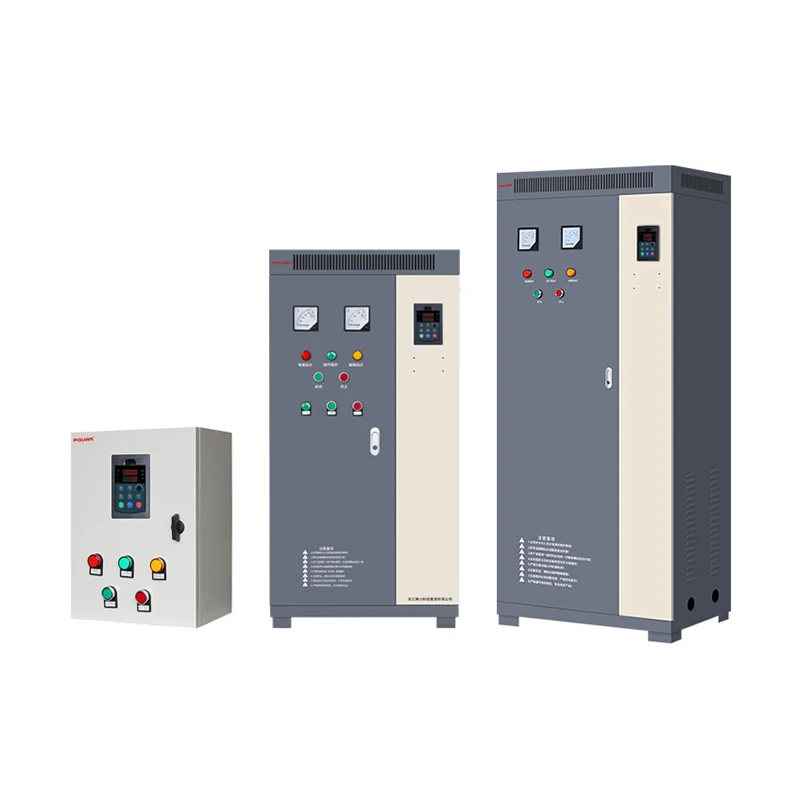
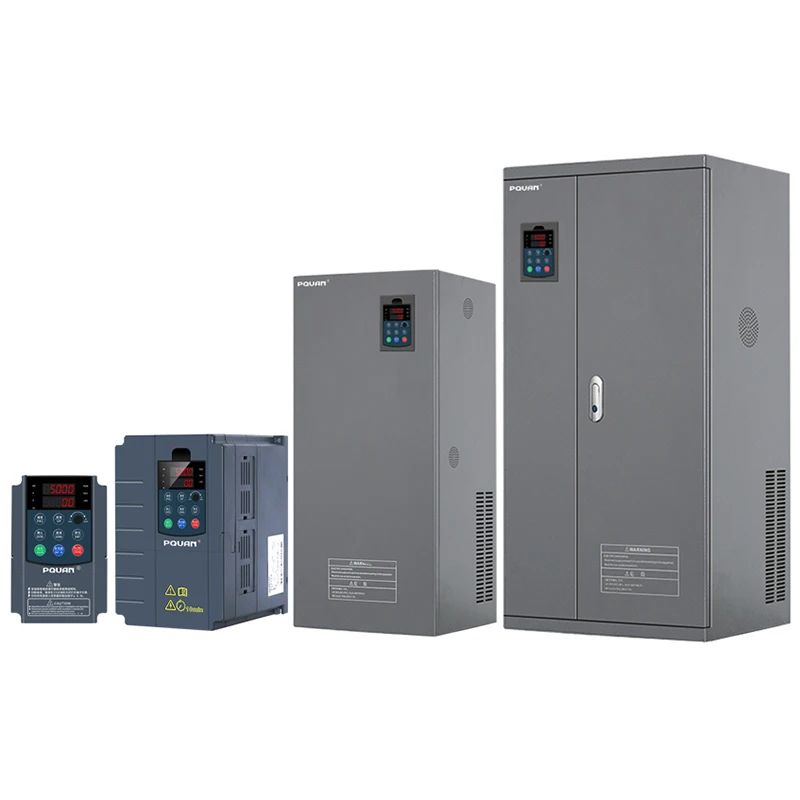
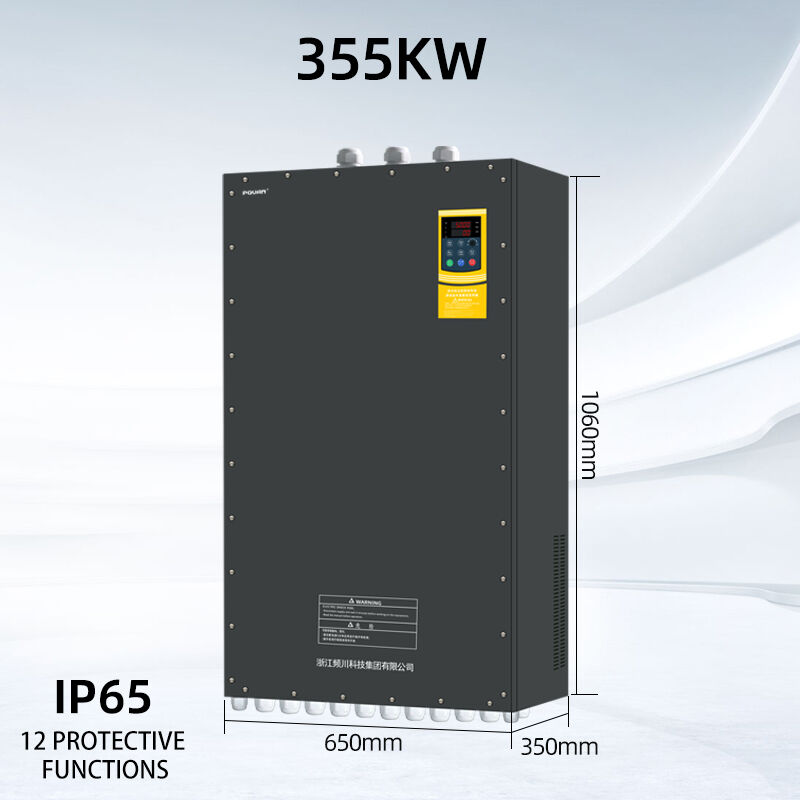
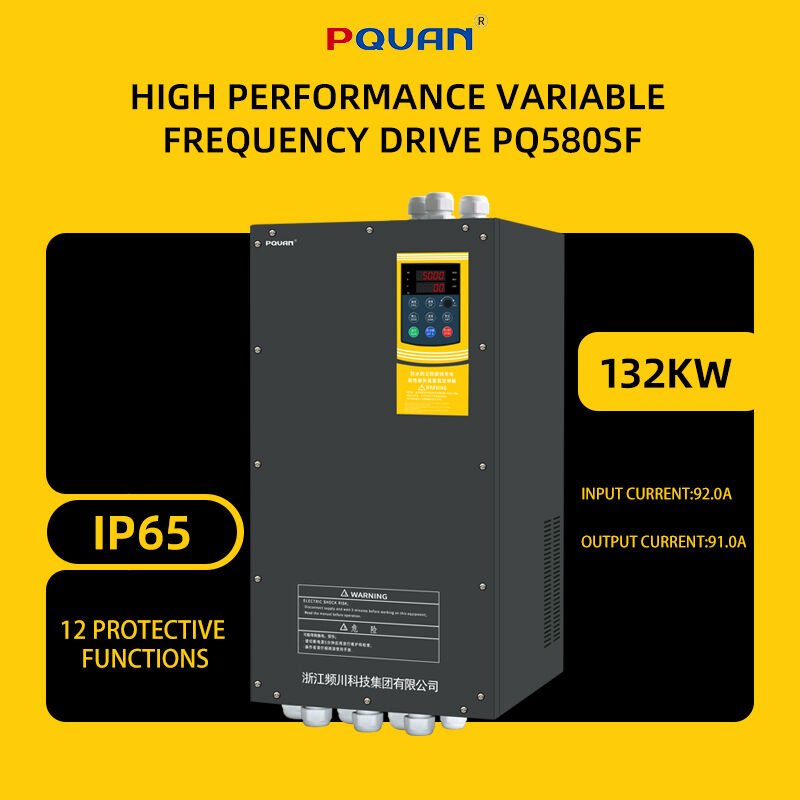
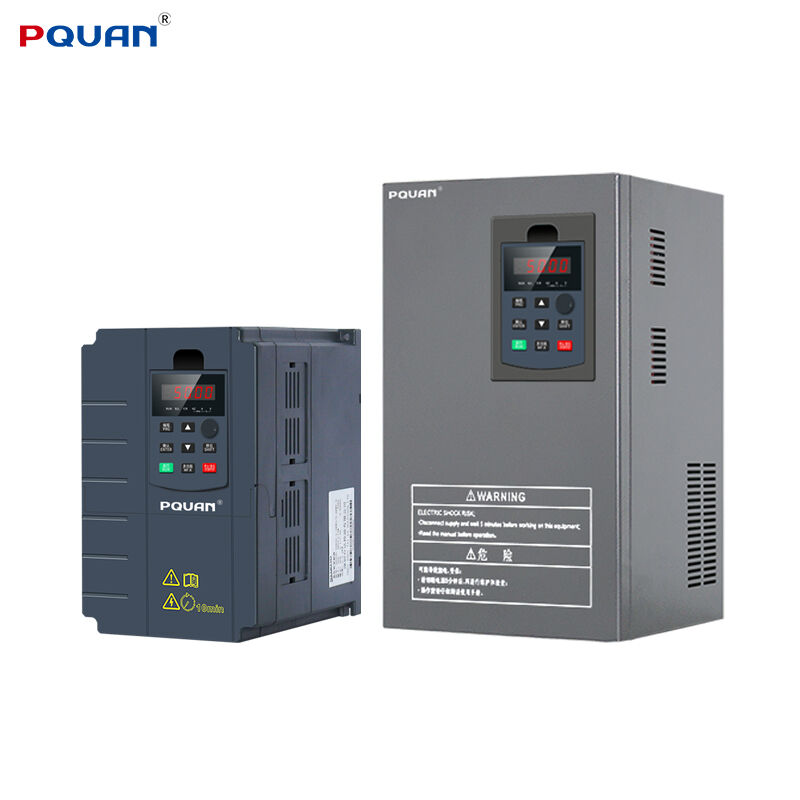
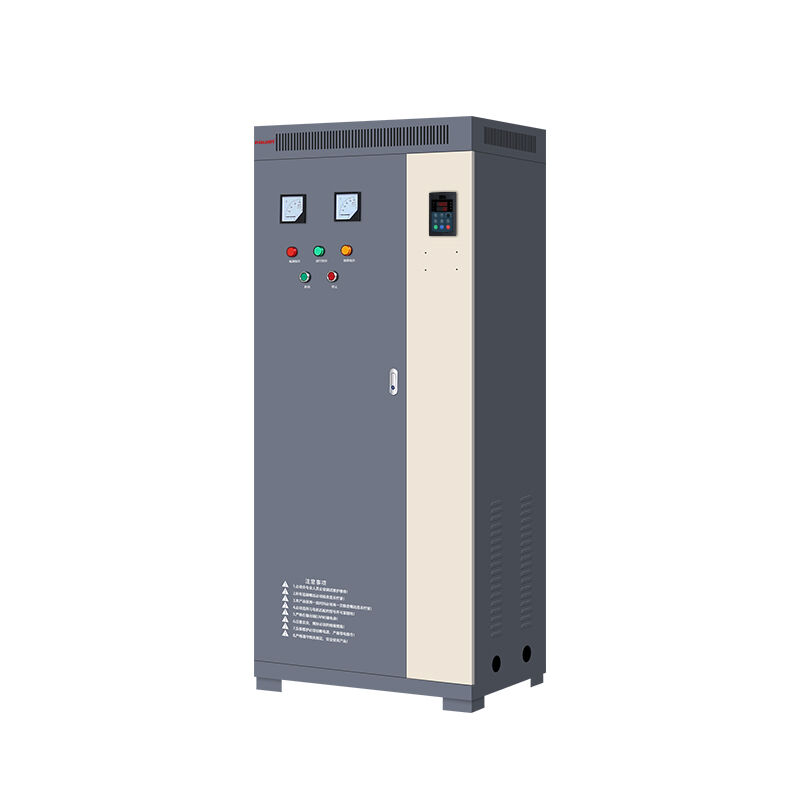
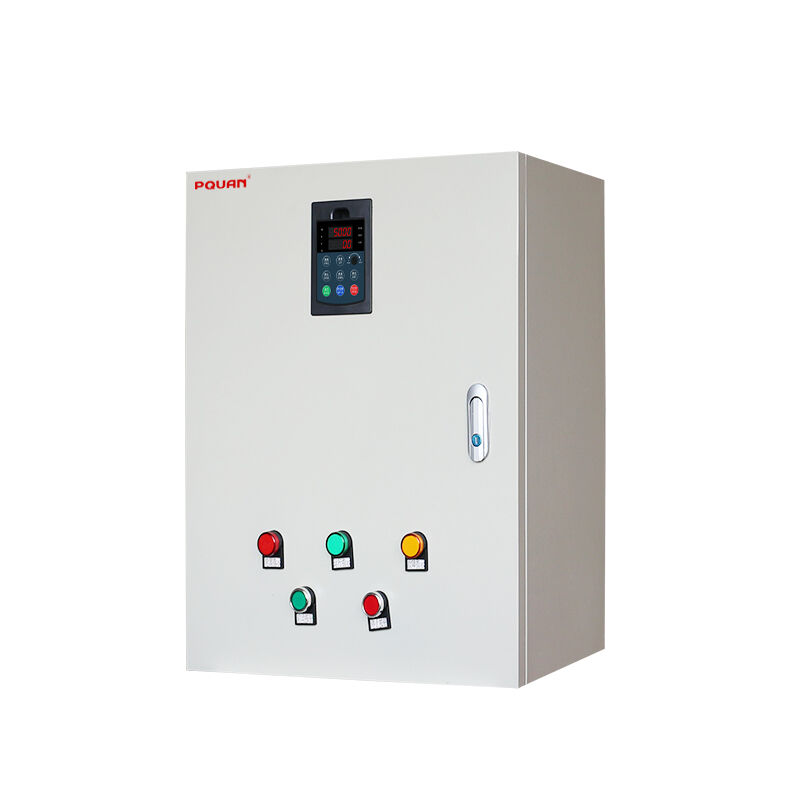
A motor frequency inverter is a sophisticated electronic device that controls the speed and torque of alternating current (AC) motors by varying the frequency and voltage of the power supply. This advanced technology serves as the cornerstone of modern industrial automation, providing precise control over motor operations across diverse applications. The motor frequency inverter transforms fixed-frequency AC power into variable-frequency output, enabling operators to adjust motor speed according to specific operational requirements. The device incorporates complex power electronics, including rectifiers, DC bus circuits, and inverter sections that work harmoniously to deliver smooth, efficient motor control. Modern motor frequency inverter systems feature microprocessor-based control units that offer extensive programming capabilities, allowing users to customize operational parameters such as acceleration time, deceleration rates, and torque characteristics. These intelligent systems include built-in protection mechanisms that safeguard both the inverter and connected motors from electrical faults, overloads, and environmental hazards. The technological architecture of a motor frequency inverter encompasses pulse-width modulation (PWM) techniques that generate sinusoidal output waveforms, minimizing harmonic distortion and reducing motor heating. Advanced models incorporate vector control algorithms that provide superior dynamic response and precise speed regulation, even under varying load conditions. Communication interfaces such as Modbus, Profibus, and Ethernet connectivity enable seamless integration with supervisory control systems and building management networks. The motor frequency inverter finds extensive applications in HVAC systems, water treatment facilities, manufacturing equipment, conveyor systems, and renewable energy installations. Industrial sectors including automotive, food processing, pharmaceuticals, and textiles rely heavily on these devices to optimize production processes and reduce operational costs. The versatility of motor frequency inverter technology makes it indispensable for applications requiring variable speed control, energy efficiency improvements, and enhanced process automation capabilities.

New Product Recommendations

Motor frequency inverter technology delivers substantial energy savings that directly impact operational expenses and environmental sustainability. These devices optimize motor performance by matching speed output to actual load requirements, eliminating the energy waste associated with constant-speed operations. Traditional motor control methods often consume excessive power during low-demand periods, while a motor frequency inverter adjusts power consumption proportionally to workload demands. This intelligent power management typically reduces energy consumption by 20-50 percent in variable-load applications, resulting in significant cost reductions over the equipment lifecycle. The precise speed control capabilities of motor frequency inverter systems enhance operational flexibility across diverse industrial processes. Operators gain the ability to fine-tune motor speeds to match specific production requirements, improving product quality and process consistency. This level of control enables manufacturers to respond quickly to changing production demands without compromising efficiency or quality standards. The motor frequency inverter eliminates mechanical stress on connected equipment by providing smooth start and stop operations, replacing jarring direct-on-line starting methods that can damage motors and driven machinery. Soft starting capabilities extend equipment lifespan, reduce maintenance requirements, and minimize unexpected downtime that disrupts production schedules. Advanced diagnostic features built into modern motor frequency inverter units provide real-time monitoring of operational parameters, enabling predictive maintenance strategies that prevent costly equipment failures. These systems continuously track motor current, voltage, temperature, and vibration levels, alerting operators to potential issues before they escalate into major problems. The integration capabilities of motor frequency inverter technology streamline facility management by connecting motor control systems to centralized automation networks. This connectivity enables remote monitoring, automated process adjustments, and comprehensive data logging that supports continuous improvement initiatives. Noise reduction represents another significant advantage, as motor frequency inverter operation eliminates the mechanical contactors and variable-speed drives that generate disruptive acoustic emissions. The improved power factor correction provided by motor frequency inverter systems reduces reactive power demands on electrical infrastructure, potentially qualifying facilities for utility rebates and avoiding power factor penalties. These combined benefits make motor frequency inverter technology an essential investment for organizations seeking to optimize operational efficiency while reducing environmental impact and operational costs.

Latest News

Pakistani Customers Visit PQUAN for Inspection and Exchange

09

Feb

Pakistani Customers Visit PQUAN for Inspection and Exchange

View More
How to Choose Voltage Regulator Power: A Concise Guide for Industrial & Commercial Users

23

Jan

How to Choose Voltage Regulator Power: A Concise Guide for Industrial & Commercial Users

View More
A Complete Guide to Selecting the Right Variable Frequency Drive (VFD) Model

03

Mar

A Complete Guide to Selecting the Right Variable Frequency Drive (VFD) Model

View More

Get a Free Quote

Our representative will contact you soon.
Email
Name
Company Name
Message
0/1000

motor frequency inverter

Advanced Energy Optimization Technology

Advanced Energy Optimization Technology

The energy optimization capabilities of motor frequency inverter systems represent a revolutionary advancement in industrial motor control technology that delivers measurable cost savings and environmental benefits. Unlike traditional motor control methods that operate at fixed speeds regardless of load requirements, a motor frequency inverter continuously adjusts motor speed and torque output to match real-time demand conditions. This intelligent matching process eliminates the substantial energy waste that occurs when motors operate at full speed during periods of reduced load demand. The sophisticated algorithms embedded within motor frequency inverter control systems analyze load patterns and automatically optimize power consumption, resulting in energy savings that typically range from 20 to 50 percent in variable-load applications. These savings translate directly into reduced electricity bills, lower carbon emissions, and improved sustainability metrics for organizations across all industries. The power factor correction features integrated into modern motor frequency inverter designs further enhance energy efficiency by reducing reactive power consumption and improving overall electrical system performance. This optimization not only reduces energy costs but also minimizes stress on electrical infrastructure, extending the lifespan of transformers, switchgear, and power distribution equipment. The motor frequency inverter achieves these energy savings while maintaining precise control over motor performance, ensuring that operational requirements are met without compromise. Advanced models incorporate regenerative braking capabilities that capture energy during deceleration phases and return it to the power grid, further improving overall system efficiency. The cumulative effect of these energy optimization features makes motor frequency inverter technology an essential component of sustainable industrial operations, helping organizations meet environmental compliance requirements while achieving significant cost reductions that improve competitive positioning in their respective markets.
Precision Speed Control and Process Enhancement

Precision Speed Control and Process Enhancement

The precision speed control capabilities of motor frequency inverter technology revolutionize industrial process control by providing unprecedented accuracy and flexibility in motor operations. Traditional motor control systems offer limited speed adjustment options, typically requiring mechanical solutions such as gear reduction systems or belt drives that introduce inefficiencies and maintenance complications. In contrast, a motor frequency inverter provides infinitely variable speed control across the entire operational range, enabling operators to achieve precise speed settings that optimize process performance and product quality. This level of control precision allows manufacturers to fine-tune production parameters to meet exact specifications, reducing product variations and minimizing waste generation. The motor frequency inverter accomplishes this precision through advanced vector control algorithms that maintain accurate speed regulation even under varying load conditions, ensuring consistent performance throughout the operational cycle. The smooth acceleration and deceleration capabilities provided by motor frequency inverter systems eliminate the mechanical shock and stress associated with direct-on-line motor starting, protecting both motors and driven equipment from damage while extending operational lifespan. This gentle starting process is particularly beneficial in applications involving delicate materials or precision machinery where sudden speed changes could compromise product quality or equipment integrity. The programmable nature of motor frequency inverter systems enables operators to create custom speed profiles that match specific process requirements, including multi-step acceleration sequences, timed speed changes, and automatic load-responsive adjustments. These programming capabilities transform static motor control systems into dynamic, responsive components that adapt automatically to changing operational conditions. The real-time monitoring and adjustment capabilities of motor frequency inverter technology provide operators with comprehensive visibility into motor performance parameters, enabling immediate response to process variations and continuous optimization of operational efficiency. This combination of precision control, programmability, and real-time responsiveness makes motor frequency inverter technology indispensable for modern industrial processes that demand consistent, high-quality output while maintaining operational flexibility and efficiency.
Comprehensive Equipment Protection and Reliability

Comprehensive Equipment Protection and Reliability

The comprehensive protection features integrated into motor frequency inverter systems provide unparalleled equipment safety and operational reliability that significantly reduces maintenance costs and prevents costly production disruptions. Modern motor frequency inverter designs incorporate sophisticated monitoring and protection algorithms that continuously assess electrical and mechanical parameters, automatically implementing protective actions when potentially damaging conditions are detected. These protection systems monitor motor current, voltage, temperature, and frequency parameters in real-time, immediately detecting anomalies such as overcurrent conditions, voltage fluctuations, phase imbalances, and overheating situations that could damage expensive motor equipment. The motor frequency inverter responds to these conditions by implementing graduated protection responses, ranging from automatic speed reduction to complete system shutdown, depending on the severity of the detected fault condition. This intelligent protection strategy prevents minor issues from escalating into major equipment failures that require extensive repairs and extended downtime periods. The built-in ground fault protection, short circuit detection, and overload monitoring capabilities of motor frequency inverter systems provide comprehensive coverage against the most common causes of motor failure, significantly extending equipment lifespan and reducing total cost of ownership. Advanced diagnostic capabilities built into modern motor frequency inverter units provide detailed fault history logging and predictive maintenance indicators that enable proactive maintenance strategies. These systems track operational trends and provide early warning indicators when components approach end-of-life conditions, allowing maintenance teams to schedule repairs during planned downtime rather than responding to unexpected failures. The environmental protection features of motor frequency inverter technology include automatic compensation for temperature variations, humidity effects, and power supply fluctuations that could otherwise compromise motor performance or reliability. The robust construction and electromagnetic compatibility features of industrial-grade motor frequency inverter units ensure reliable operation in harsh industrial environments characterized by electrical noise, temperature extremes, and mechanical vibration. This combination of active protection, predictive monitoring, and environmental resilience makes motor frequency inverter technology essential for critical applications where equipment reliability directly impacts operational success and profitability.
Motor Frequency Inverter - Advanced Speed Control & Energy Efficiency Solutions

Get a Free Quote

Our representative will contact you soon.
Email
Name
Company Name
Message
0/1000