 EN
EN

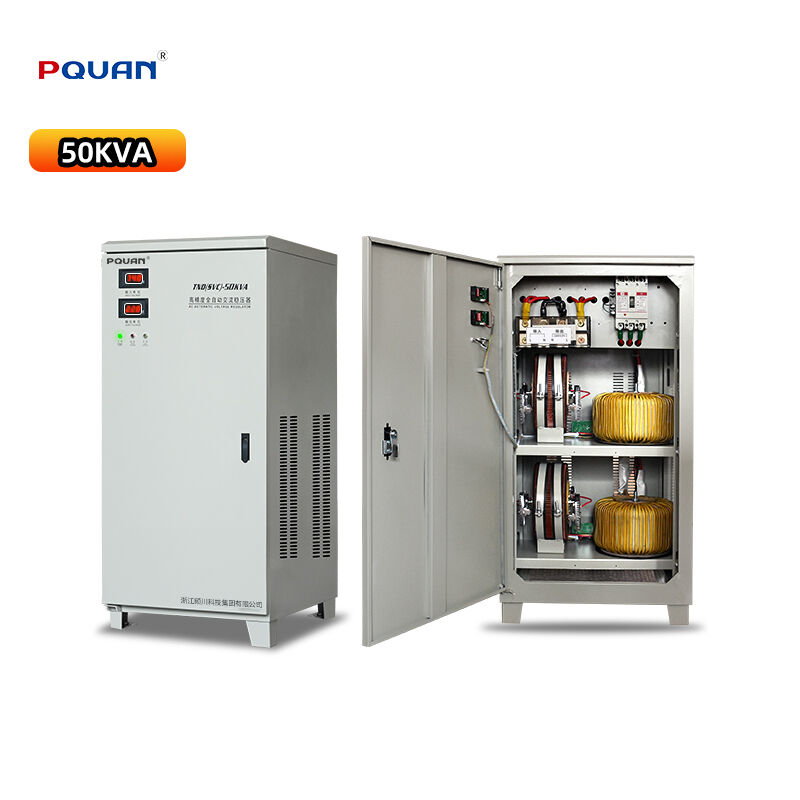
Unstable electrical grids present a constant hazard to expensive machinery and sophisticated production lines. A high-performance voltage stabilizer serves as your primary line of defense, correcting under-voltage, over-voltage, and transient surges before they can reach your equipment. However, like any precision power solution, its long-term reliability and capacity to protect depend heavily on how well it is maintained.
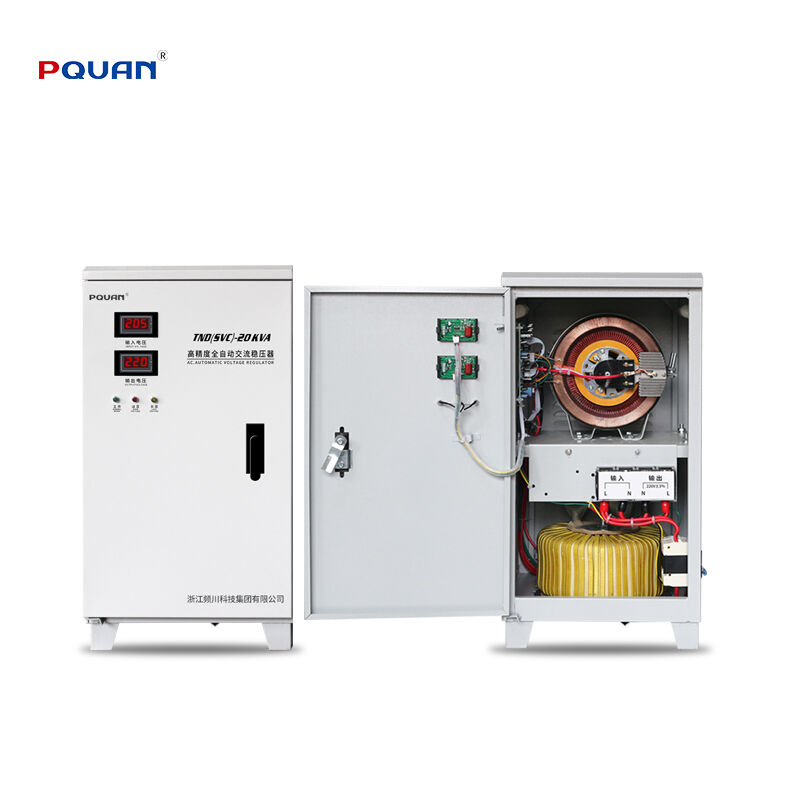
Investing in a premium voltage stabilizer is only the first step toward securing power quality; safeguarding that investment requires an ongoing operational care strategy. By implementing a proactive preventative maintenance routine, you can maximize the operating life of your unit, ensure continuous voltage regulation accuracy, and prevent unexpected component failures that could halt your entire operation.
Environmental Optimization and Visual Inspection Routines
The operational environment plays a massive role in determining the operational lifespan of a voltage stabilizer. Because these units house high-power transformers, solid-state electronic control boards, and sensitive servo-driven mechanisms, they require a clean, dry, and thermally regulated workspace. Excessive heat can cause premature insulation breakdown in transformer windings, while moisture and conductive airborne dust can create short circuits on electronic control boards.
Regular physical inspections form the backbone of an effective maintenance program. Technicians should inspect the exterior enclosure weekly, ensuring that ventilation slots are completely unblocked and checking that the ambient temperature remains within the manufacturer’s specified thresholds. Inside the enclosure, you must look for any discoloration on wires or circuit boards, which often signals localized overheating. Catching these thermal anomalies early allows you to address poor terminal contacts before they escalate into a catastrophic hardware failure.
Mechanical Upkeep, Calibration, and Electrical Tightening
For servo-controlled models, the mechanical carbon brushes and motorized voltage regulation assemblies require periodic specialized care. As the stabilizer continuously adjusts to grid fluctuations, the carbon brushes wear down naturally over time, generating a fine carbon dust that must be gently vacuumed out using non-conductive tools. Replacing worn brushes before they reach their wear limit prevents arcing, which can pit and permanently damage the copper regulator commutator.
Beyond mechanical care, securing all internal electrical connections is critical for keeping your equipment running efficiently. Thermal cycling—the expanding and contracting of conductors as they heat up under load and cool down when idle—inevitably loosens screw terminals over time. Loose connections increase electrical resistance, causing severe heat buildup and unstable voltage readouts. During scheduled plant shutdowns, maintenance personnel should use calibrated torque tools to check and retighten all power input and output terminals, circuit breakers, and busbar connections according to specification.
Scheduled Calibration Verification and Component Lifecycle Management
Even a robust voltage stabilizer can experience minor drift in its voltage measurement circuitry over years of continuous operation. This drift can cause the stabilizer to under-correct or over-correct the output voltage, putting sensitive downstream loads at risk. Verifying the drive's display readings against a certified, calibrated digital multimeter at least once a year ensures that the internal controller is reading line metrics accurately. If a discrepancy is found, the digital control board should be re-calibrated using the onboard software interface.
Managing the lifecycle of consumable components within the stabilizer is another essential strategy for avoiding sudden breakdowns. Components such as cooling fans and DC bus filtering capacitors have finite operational lifespans, regardless of the overall system condition. Cooling fans should be replaced proactively every three to five years to prevent sudden thermal tripping, while electrolytic capacitors should be inspected for bulging tops or leaking fluid, replacing them immediately to maintain clean, stable power filtering.
Comprehensive Maintenance Schedule and Action Checklist
To help your engineering team establish a structured preventative maintenance workflow, the reference guide below outlines key actions organized by operational intervals.
| Maintenance Frequency | Target Component Area | Prescribed Technical Action |
| Weekly | Enclosure & Vent Filters | Clean external dust accumulation, check that ventilation paths are unobstructed, and verify cooling fan functionality. |
| Monthly | Digital Display & Metrics | Cross-reference system log files for unusual over-temperature or overload alerts; log current input/output voltages. |
| Quarterly | Internal Dust & Mechanics | Isolate unit from power, vacuum internal carbon dust, inspect servo carbon brushes for wear, and check for signs of moisture. |
| Bi-Anually | Wiring & Power Terminals | Perform a thermal imaging scan under load to locate hot spots, then torque all terminal screws to manufacturer specs off-line. |
| Annually | Controller Calibration | Verify internal voltage tracking parameters against an external calibrated meter; test safety trip mechanisms and bypass switches. |
Frequently Asked Questions
Why does my voltage stabilizer hum loudly during specific hours of the day?
A pronounced humming sound is generally caused by magnetic vibrations within the transformer's laminated steel core. While a mild, steady hum is normal during high-load periods, a sudden loud or buzzing noise often indicates heavy harmonic distortion on the utility grid, loose internal core clamping bolts, or that the stabilizer is operating near its maximum capacity due to peak factory electrical demands.
Can I install a standard industrial voltage stabilizer outdoors?
Standard stabilizers are typically built with NEMA 1 or IP20 rated enclosures, which are engineered strictly for indoor protection against dust and accidental contact. Installing these units outdoors requires a specialized weather-proof enclosure rated IP54 or higher, equipped with an integrated air conditioning unit or heavy-duty ventilation filters to manage ambient humidity, driving rain, and extreme solar heating.
How do I know when the carbon brushes in my servo stabilizer need replacement?
Carbon brushes should be checked visually during quarterly maintenance shutdowns. Most manufacturers include a wear limit line etched directly onto the side of the brush block; if the brush has worn down past two-thirds of its original length, or if you notice surface pitting, chipping, or excessive sparking during operation, it must be replaced immediately to protect the regulator surface.
What is the purpose of the manual bypass switch on a stabilizer?
The manual bypass switch is a critical safety and maintenance feature that routes incoming utility power directly to the downstream equipment, completely isolating the stabilizer’s internal transformer and control circuits. This allows maintenance teams to safely perform internal component replacements, cleanings, and calibrations without having to shut down power to the entire facility.