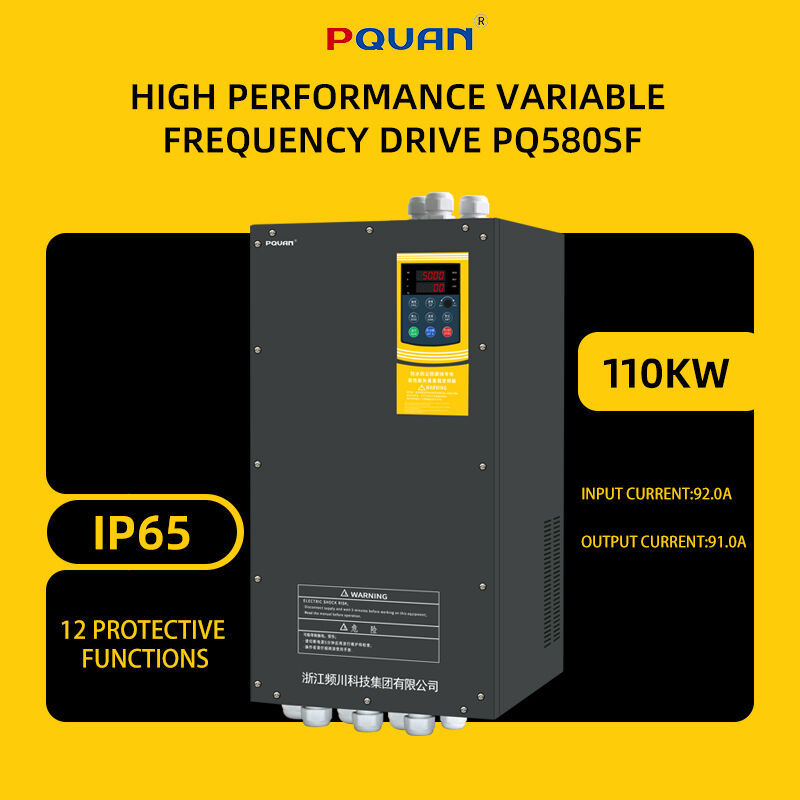
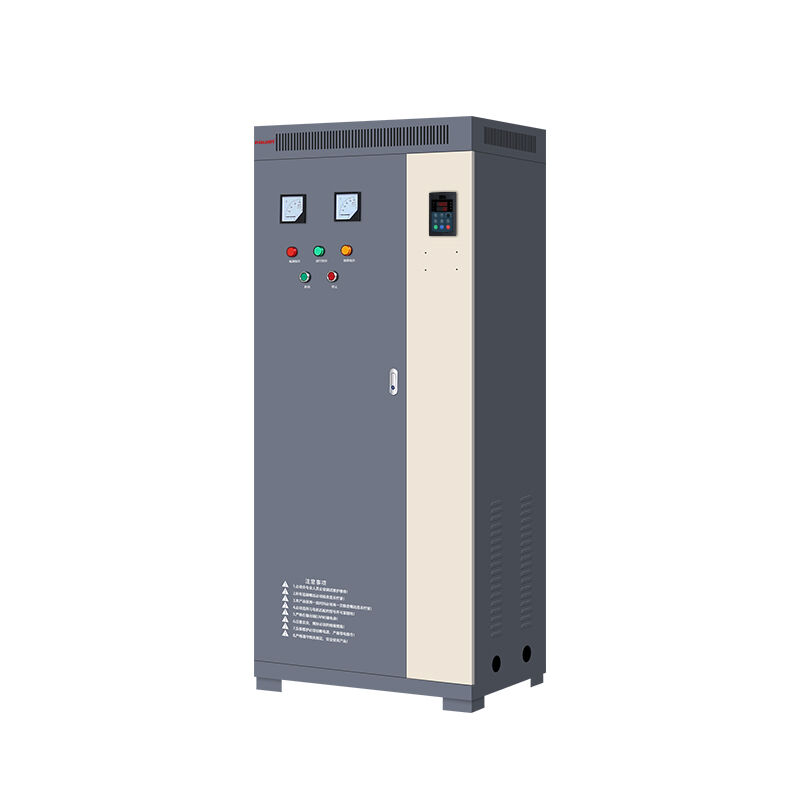
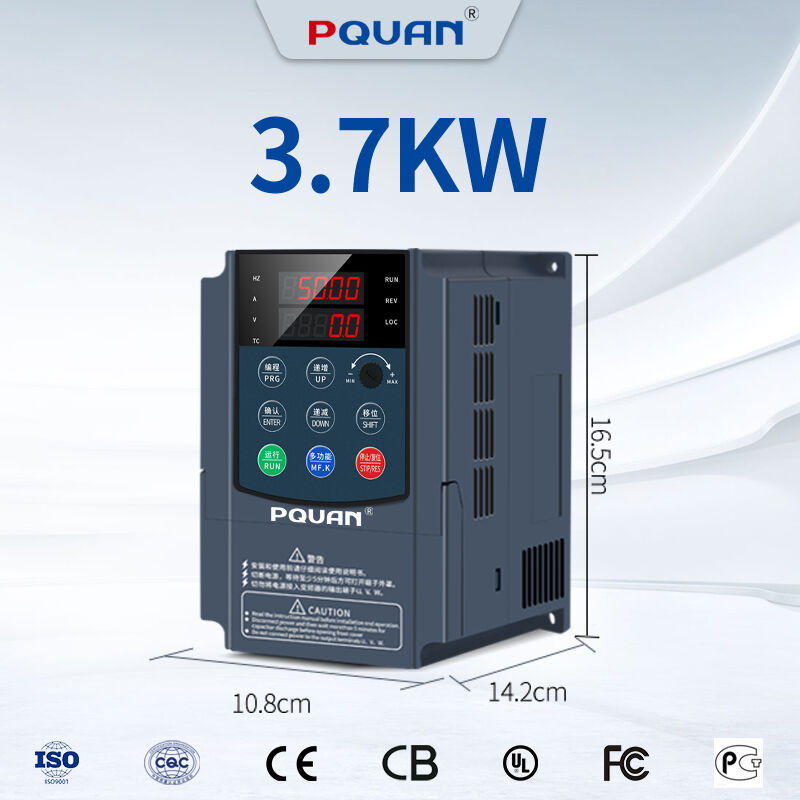
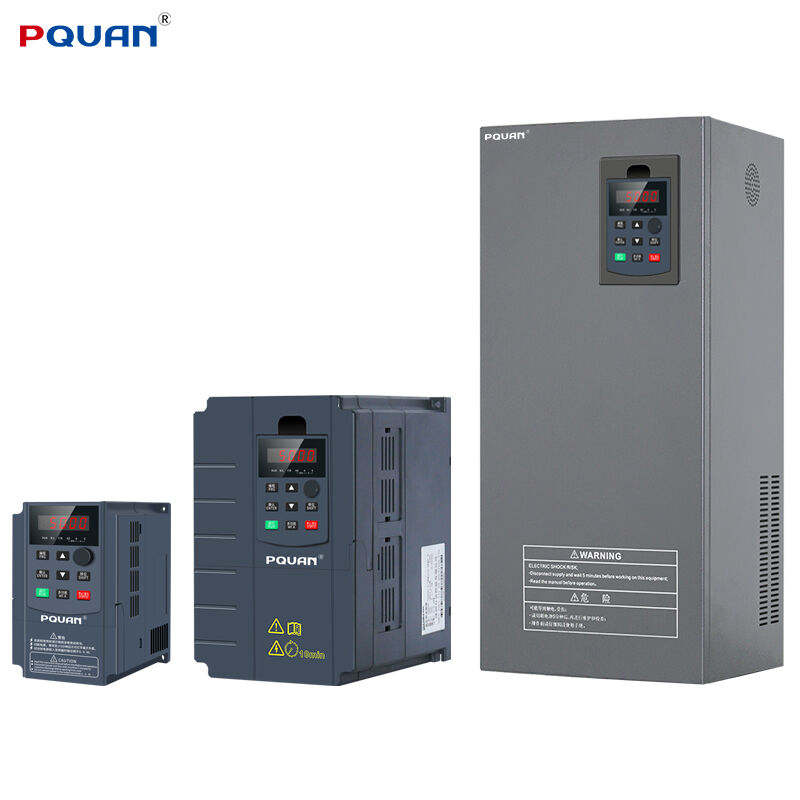
frequency converter vfd
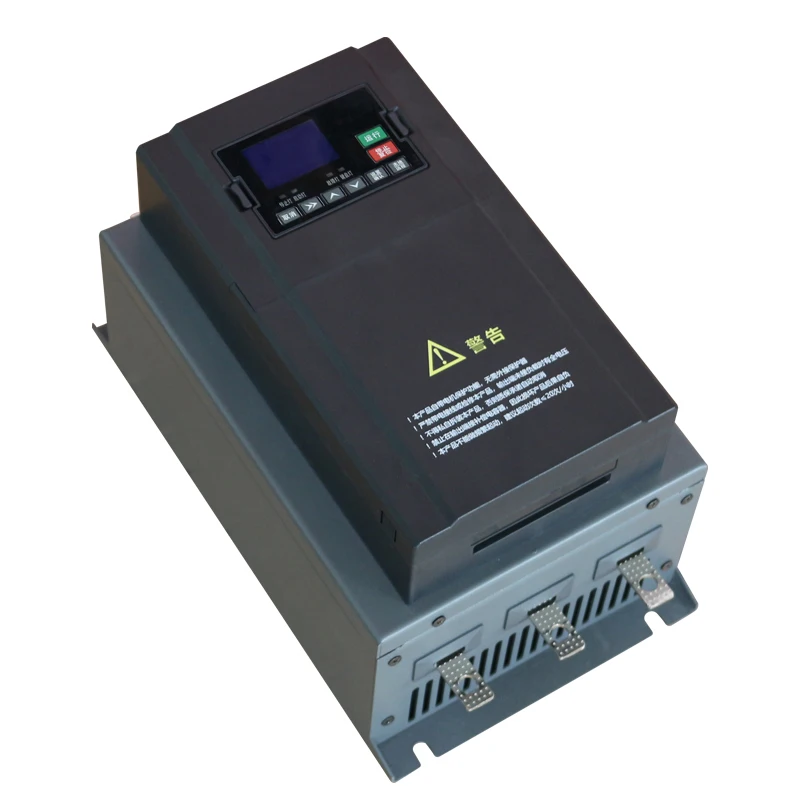
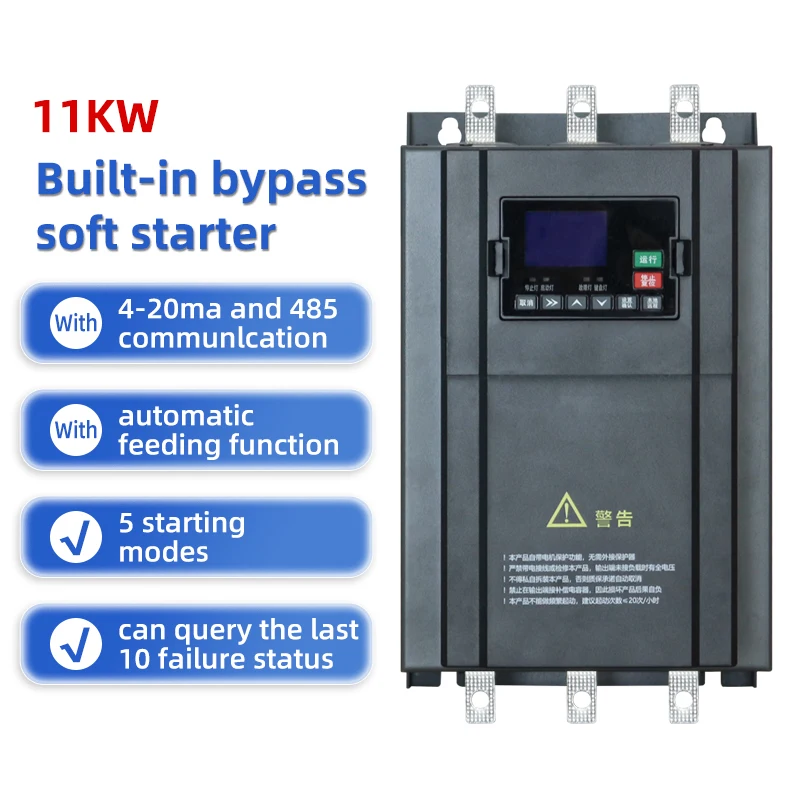
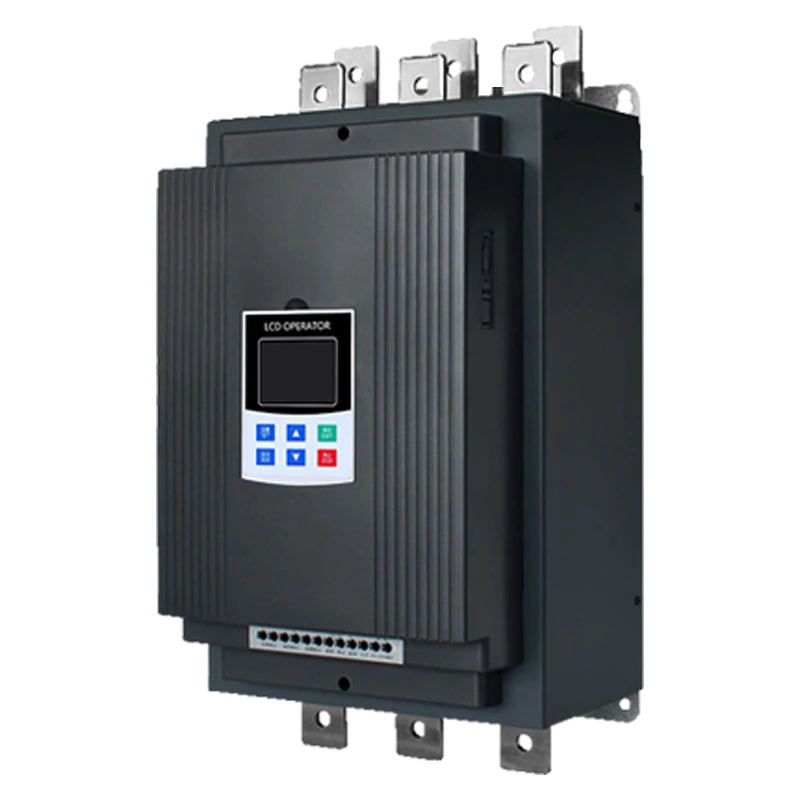
A frequency converter VFD, also known as a variable frequency drive, represents a sophisticated power control device that regulates the speed and torque of electric motors by adjusting the frequency and voltage of the power supplied to them. This technology has revolutionized industrial automation and motor control systems across countless applications worldwide. The frequency converter VFD operates by converting incoming alternating current into direct current through a rectifier stage, then reconverting it back to alternating current at a variable frequency through an inverter section. This precise control mechanism allows operators to fine-tune motor performance according to specific operational requirements. The main functions of a frequency converter VFD include precise speed control, soft starting capabilities, energy optimization, and comprehensive motor protection. Speed control enables users to adjust motor velocity from zero to maximum rated speed with exceptional accuracy, providing flexibility that fixed-speed systems simply cannot match. The soft starting function gradually ramps up motor speed, eliminating the mechanical stress and electrical surge associated with direct-on-line starting methods. Technological features of modern frequency converter VFD units include advanced microprocessor control, programmable logic capabilities, multiple communication protocol support, and sophisticated protection algorithms. These drives incorporate digital signal processing technology that continuously monitors motor performance parameters such as current, voltage, temperature, and speed. The built-in protection features safeguard against overcurrent, overvoltage, undervoltage, overheating, and phase loss conditions. Applications for frequency converter VFD systems span virtually every industry sector, including manufacturing plants, water treatment facilities, HVAC systems, conveyor operations, pump stations, compressor systems, and material handling equipment. In manufacturing environments, these drives control production line speeds, ensuring consistent product quality and optimizing throughput. Water treatment plants utilize frequency converter VFD technology to regulate pump speeds based on demand, significantly reducing energy consumption while maintaining proper pressure levels throughout distribution networks.
 EN
EN