Low Voltage Frequency Inverters: Advanced Power Control Solutions for Industrial Applications

All Categories
Get a Quote
%}

Get a Free Quote

Our representative will contact you soon.
Email
Name
Company Name
Message
0/1000

low voltage frequency inverter

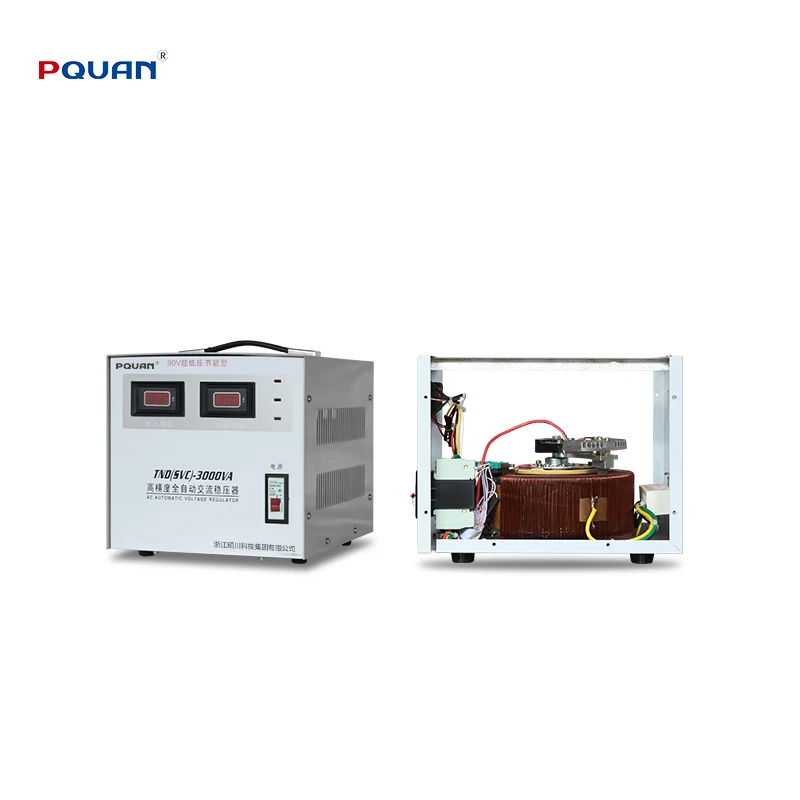
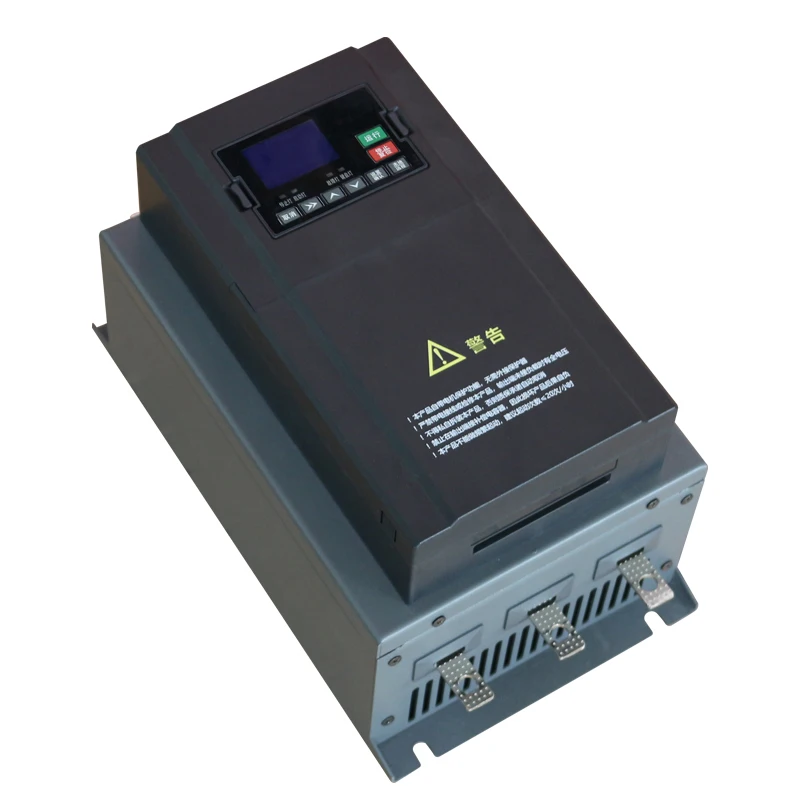
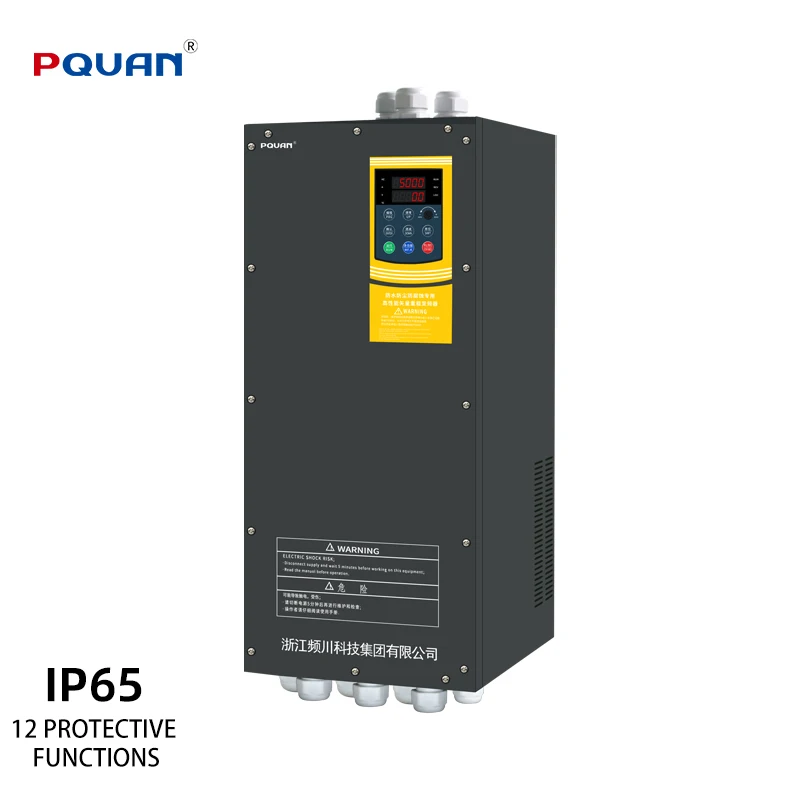
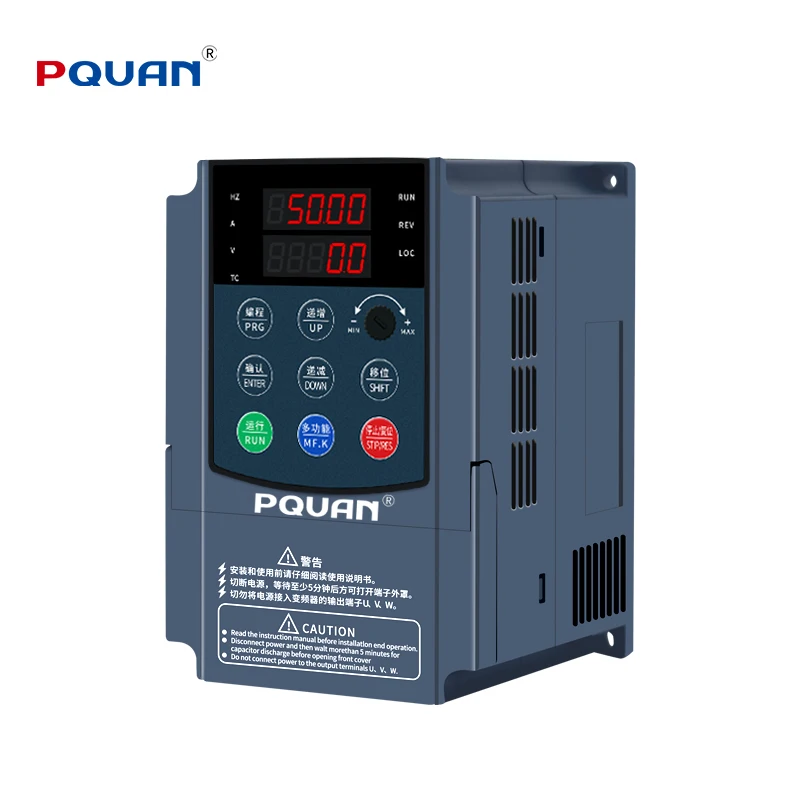
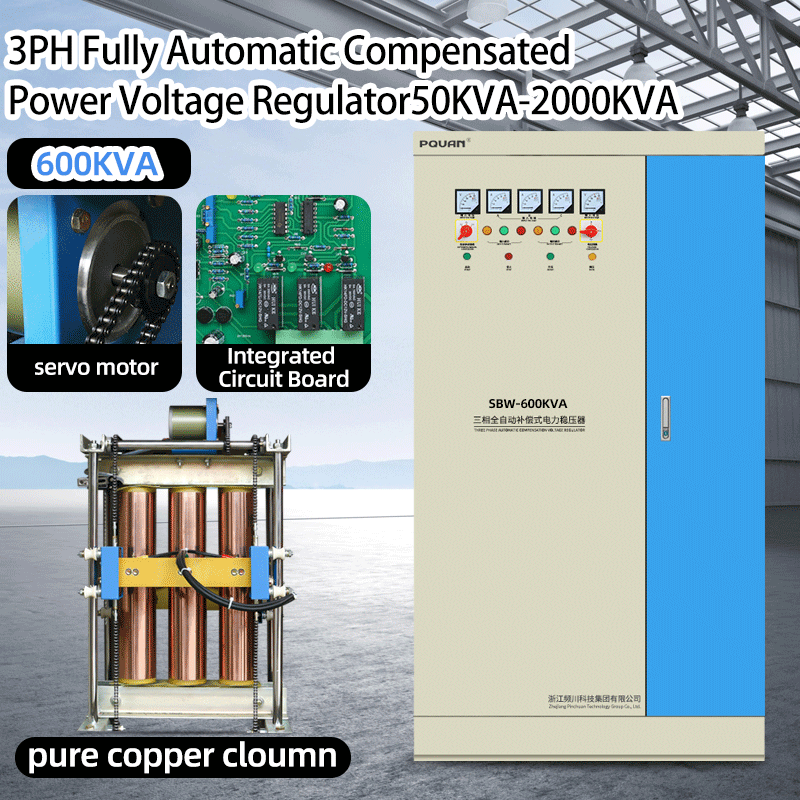
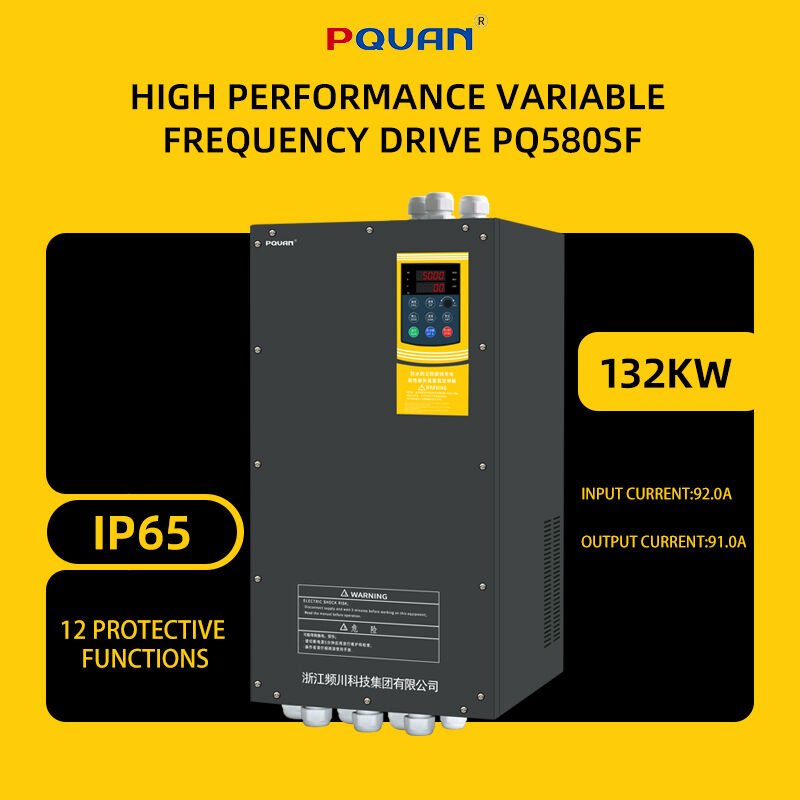
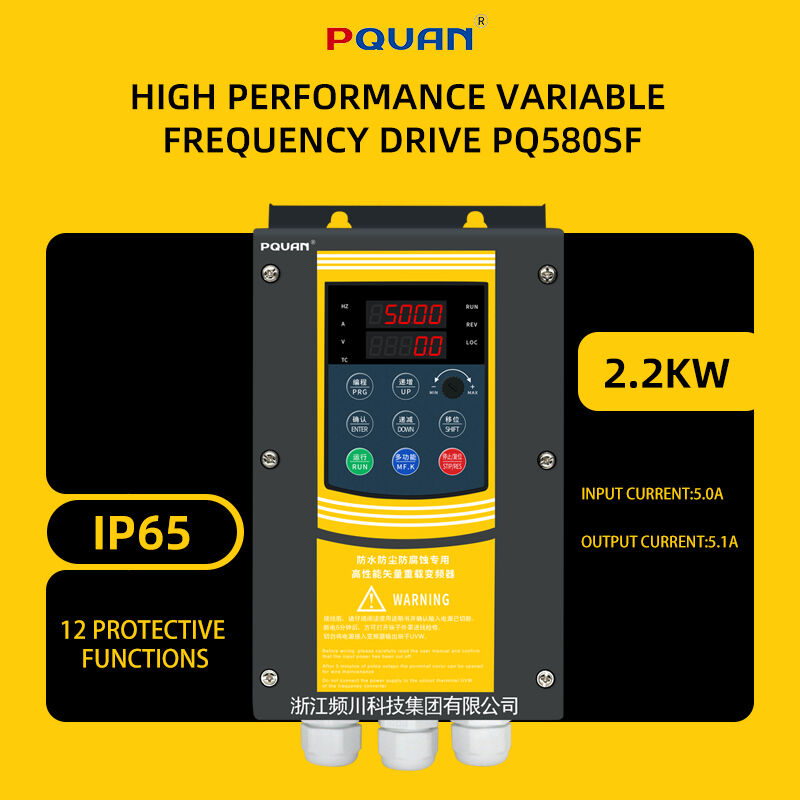
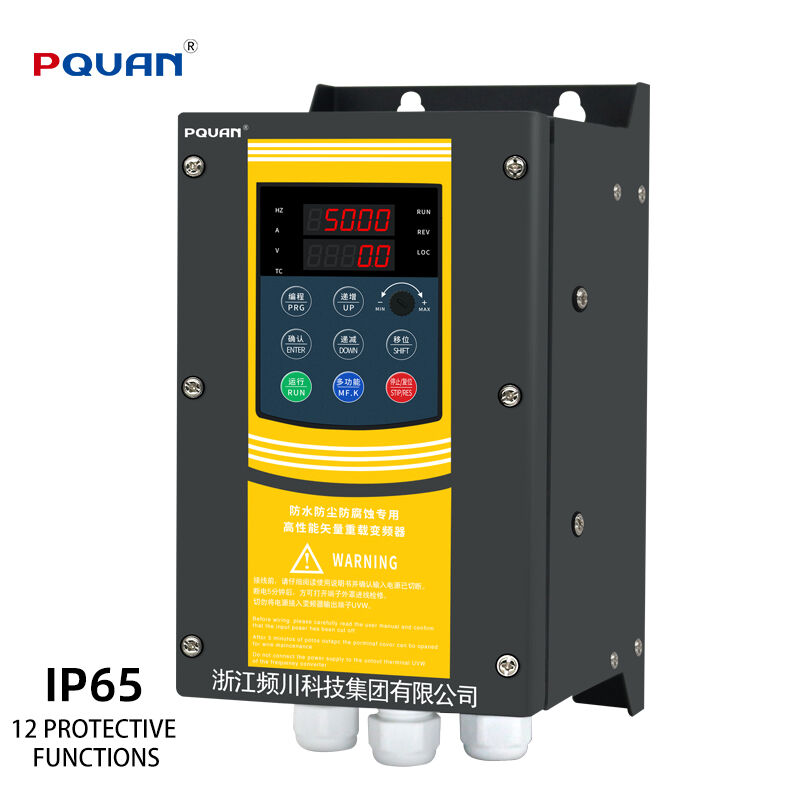
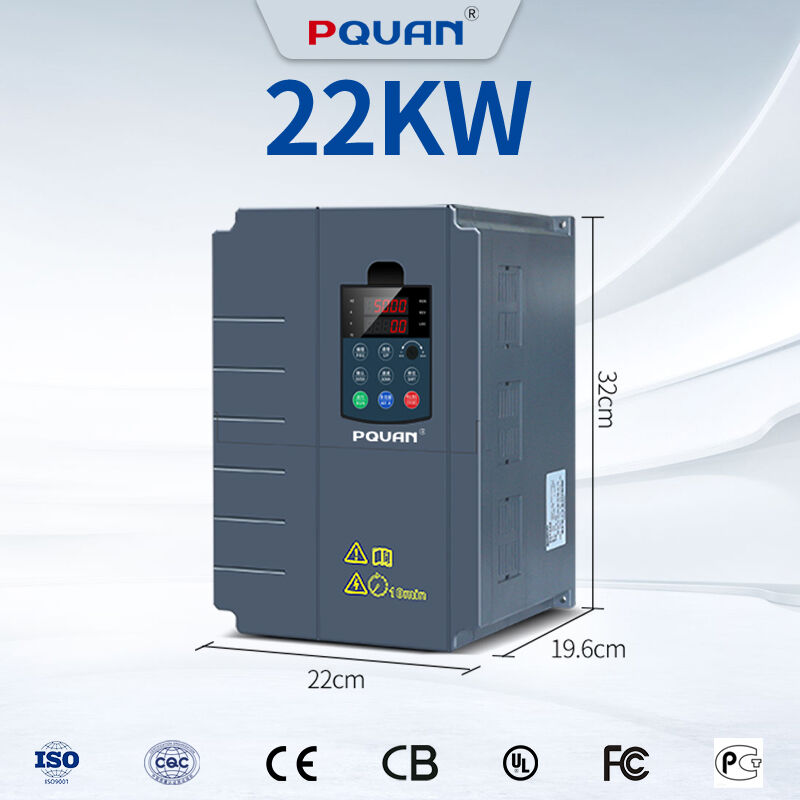
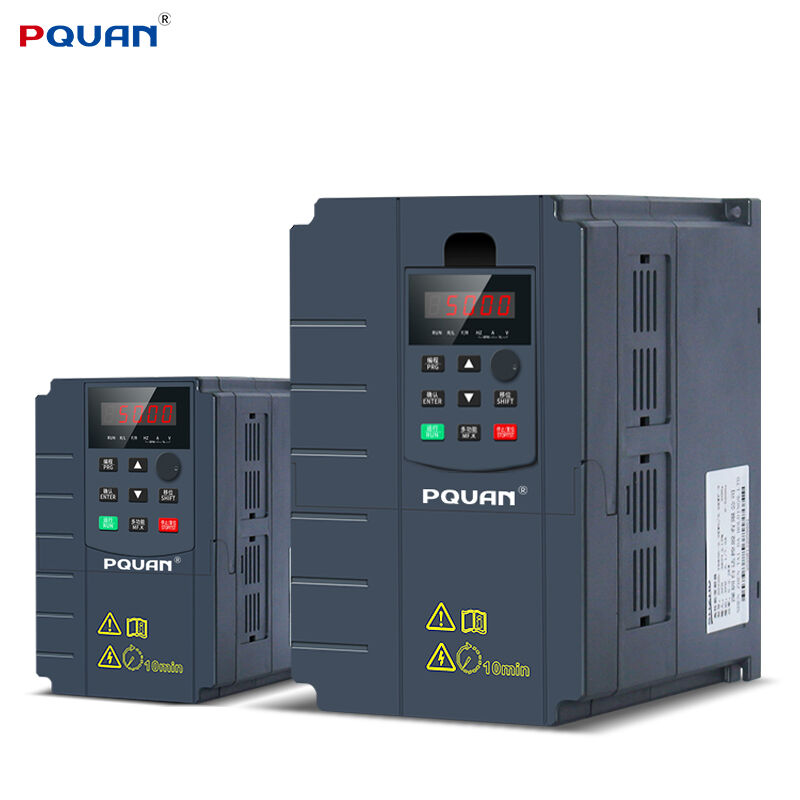
A low voltage frequency inverter is an essential power conversion device that transforms direct current (DC) into alternating current (AC) while operating within voltage ranges typically below 1000V. These sophisticated electronic systems serve as the cornerstone for countless applications requiring precise control over electrical power delivery and motor operations. The primary function of a low voltage frequency inverter involves converting fixed-frequency AC power into variable-frequency AC output, enabling users to control motor speed, torque, and overall performance with exceptional precision. Modern low voltage frequency inverters incorporate advanced microprocessor technology and intelligent control algorithms that monitor system parameters in real-time. These devices feature comprehensive protection mechanisms including overcurrent protection, overvoltage safeguards, thermal monitoring, and fault detection systems that ensure reliable operation under various conditions. The technological architecture includes sophisticated pulse-width modulation (PWM) techniques that generate clean, stable output waveforms while minimizing harmonic distortion. Key technological features encompass programmable parameters, multiple communication protocols, and user-friendly interfaces that simplify configuration and monitoring processes. Applications span across industrial manufacturing, HVAC systems, water treatment facilities, conveyor systems, pumping stations, and renewable energy installations. In manufacturing environments, these inverters optimize production efficiency by providing precise speed control for assembly lines, machining operations, and material handling equipment. Building automation systems rely on low voltage frequency inverters to regulate fan speeds, pump operations, and climate control systems, resulting in significant energy savings and improved comfort levels. The versatility of these devices makes them indispensable for applications requiring variable speed drives, soft starting capabilities, and energy-efficient motor control solutions across diverse industrial and commercial sectors.

New Product Releases

Low voltage frequency inverters deliver substantial energy savings that directly impact operational costs and environmental sustainability. These devices optimize motor efficiency by matching speed and torque requirements to actual load demands, eliminating wasteful constant-speed operation that consumes unnecessary power. Users typically experience energy reductions of 20-50% compared to traditional motor control methods, translating into significant cost savings over the equipment lifecycle. The precise speed control capabilities allow operators to fine-tune system performance according to specific process requirements, ensuring optimal productivity while minimizing waste. Installation procedures are straightforward and cost-effective, requiring minimal modifications to existing electrical infrastructure. Most low voltage frequency inverters integrate seamlessly with standard motor configurations without extensive rewiring or system overhauls. The compact design and standardized mounting options facilitate quick deployment in space-constrained environments. Maintenance requirements are substantially reduced due to the elimination of mechanical contactors, starters, and other wear-prone components typically found in conventional motor control systems. The soft-start functionality prevents mechanical stress on connected equipment, extending motor lifespan and reducing maintenance intervals. Operational flexibility represents another significant advantage, enabling users to adjust system parameters without physical modifications or equipment replacement. Remote monitoring and control capabilities through various communication protocols allow for centralized system management and predictive maintenance scheduling. Safety enhancements include comprehensive fault detection and protection features that automatically respond to abnormal operating conditions, preventing equipment damage and ensuring personnel safety. The user-friendly programming interfaces eliminate the need for specialized technical expertise during configuration and troubleshooting procedures. Improved power quality characteristics reduce electrical noise and harmonic distortion, protecting sensitive equipment and improving overall system reliability. These inverters also provide excellent dynamic response characteristics, enabling rapid adjustments to changing load conditions while maintaining stable output parameters. The modular design approach facilitates easy expansion and system upgrades as operational requirements evolve. Temperature management systems ensure consistent performance across varying environmental conditions, making these devices suitable for demanding industrial applications where reliability is paramount.

Tips And Tricks

Pakistani Customers Visit PQUAN for Inspection and Exchange

09

Feb

Pakistani Customers Visit PQUAN for Inspection and Exchange

View More
How to Choose Voltage Regulator Power: A Concise Guide for Industrial & Commercial Users

23

Jan

How to Choose Voltage Regulator Power: A Concise Guide for Industrial & Commercial Users

View More
A Complete Guide to Selecting the Right Variable Frequency Drive (VFD) Model

03

Mar

A Complete Guide to Selecting the Right Variable Frequency Drive (VFD) Model

View More

Get a Free Quote

Our representative will contact you soon.
Email
Name
Company Name
Message
0/1000

low voltage frequency inverter

Advanced Energy Efficiency and Cost Reduction

Advanced Energy Efficiency and Cost Reduction

Low voltage frequency inverters represent a revolutionary approach to energy management, delivering unprecedented efficiency gains that transform operational economics across diverse applications. These sophisticated devices achieve remarkable energy savings through intelligent power modulation technology that precisely matches electrical output to actual load requirements, eliminating the wasteful energy consumption associated with fixed-speed motor operations. The advanced control algorithms continuously monitor system parameters and automatically adjust power delivery to maintain optimal efficiency levels regardless of varying load conditions. This dynamic optimization capability typically results in energy reductions ranging from 25% to 60% compared to traditional motor control methods, with some applications achieving even greater savings under specific operating conditions. The cumulative financial impact extends far beyond immediate utility cost reductions, encompassing decreased maintenance expenses, extended equipment lifespan, and improved overall system reliability. Modern low voltage frequency inverters incorporate sophisticated power factor correction technology that enhances electrical system efficiency while reducing demand charges from utility providers. The intelligent energy management features include programmable scheduling capabilities that automatically adjust system operation based on time-of-day utility rates, further maximizing cost savings opportunities. Environmental benefits are equally compelling, as reduced energy consumption directly correlates with lower carbon emissions and decreased environmental impact. The precision control capabilities enable users to operate systems at optimal efficiency points while maintaining required performance levels, creating a sustainable balance between productivity and environmental responsibility. Advanced monitoring systems provide detailed energy consumption analytics that enable facility managers to identify additional optimization opportunities and track performance improvements over time. The return on investment for these devices typically occurs within 12 to 24 months, making them an attractive solution for organizations seeking to improve operational efficiency while reducing long-term operating costs.
Superior Reliability and Protection Systems

Superior Reliability and Protection Systems

The exceptional reliability of low voltage frequency inverters stems from comprehensive protection systems and robust engineering that ensures consistent performance under demanding operational conditions. These advanced devices incorporate multi-layered protection mechanisms that continuously monitor critical parameters including temperature, voltage levels, current flow, and system frequency to prevent equipment damage and ensure safe operation. Sophisticated thermal management systems utilize intelligent cooling strategies and temperature monitoring to maintain optimal operating conditions while preventing overheating scenarios that could compromise system reliability. The built-in fault detection algorithms can identify potential issues before they escalate into serious problems, enabling proactive maintenance scheduling that minimizes unexpected downtime and reduces overall maintenance costs. Overvoltage and undervoltage protection circuits automatically respond to power quality disturbances, safeguarding both the inverter and connected equipment from electrical anomalies that commonly occur in industrial environments. Advanced current limiting technology prevents overcurrent conditions that could damage motor windings or other system components, while short-circuit protection provides instantaneous response to potentially catastrophic electrical faults. The robust construction includes high-quality components rated for extended operational life, with many critical elements featuring redundant designs that ensure continued operation even if individual components experience degradation. Environmental protection features enable reliable operation across wide temperature ranges and varying humidity conditions, making these inverters suitable for challenging industrial applications including outdoor installations and harsh manufacturing environments. The sophisticated diagnostics capabilities provide detailed fault information and system status reports that facilitate rapid troubleshooting and minimize repair time when service is required. Communication interfaces enable remote monitoring and control capabilities that allow maintenance personnel to assess system health and performance from centralized control rooms, reducing the need for on-site inspections and enabling faster response to potential issues. The modular design approach ensures that service and component replacement procedures are streamlined and cost-effective, further enhancing the overall reliability value proposition.
Exceptional Control Precision and Operational Flexibility

Exceptional Control Precision and Operational Flexibility

Low voltage frequency inverters deliver unmatched control precision that enables users to achieve optimal system performance across diverse operational requirements and varying load conditions. The advanced microprocessor-based control systems provide extremely accurate speed regulation with typical accuracy levels exceeding 99.5%, ensuring consistent performance even under fluctuating load conditions or varying input power quality. This exceptional precision extends to torque control capabilities, allowing operators to maintain exact torque levels required for specific processes while preventing equipment damage caused by excessive force or inadequate power delivery. The sophisticated control algorithms incorporate feedback mechanisms that continuously monitor actual system performance against programmed parameters, making automatic adjustments to maintain optimal operating conditions. Programmable acceleration and deceleration profiles enable users to customize system startup and shutdown characteristics according to specific process requirements, preventing mechanical stress on connected equipment while optimizing cycle times. The extensive parameter programming capabilities allow for precise customization of operating characteristics including speed ranges, torque limits, response times, and protection settings to match exact application requirements. Multiple operating modes provide operational flexibility for applications requiring different control strategies, including vector control for high-performance applications and scalar control for general-purpose operations. The intelligent brake control systems enable precise positioning and controlled stopping for applications requiring accurate material handling or positioning capabilities. Communication protocol support includes multiple industry-standard interfaces that enable seamless integration with existing automation systems and centralized control networks. Remote operation capabilities allow operators to adjust system parameters and monitor performance from distant control rooms, improving operational efficiency while reducing labor requirements. The user-friendly programming interfaces feature intuitive menu structures and clear parameter descriptions that eliminate the need for extensive technical training, enabling quick setup and configuration by maintenance personnel. Load compensation features automatically adjust system performance to accommodate varying process requirements, maintaining consistent output quality regardless of external influences. The advanced diagnostic capabilities provide detailed performance analytics that enable continuous optimization and identification of improvement opportunities throughout the operational lifecycle.
Low Voltage Frequency Inverters: Advanced Power Control Solutions for Industrial Applications

Get a Free Quote

Our representative will contact you soon.
Email
Name
Company Name
Message
0/1000