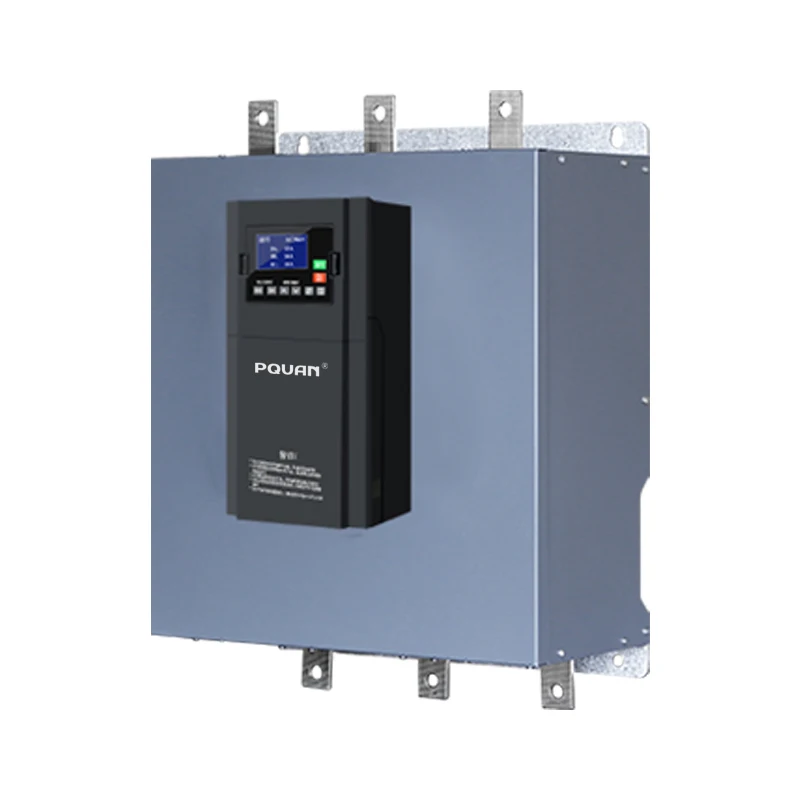
3 Phase Frequency Inverter - Advanced Motor Control for Energy Savings and Performance

All Categories
Get a Quote
%}

Get a Free Quote

Our representative will contact you soon.
Email
Mobile/WhatsApp
Name
Message
0/1000

3 phase frequency inverter

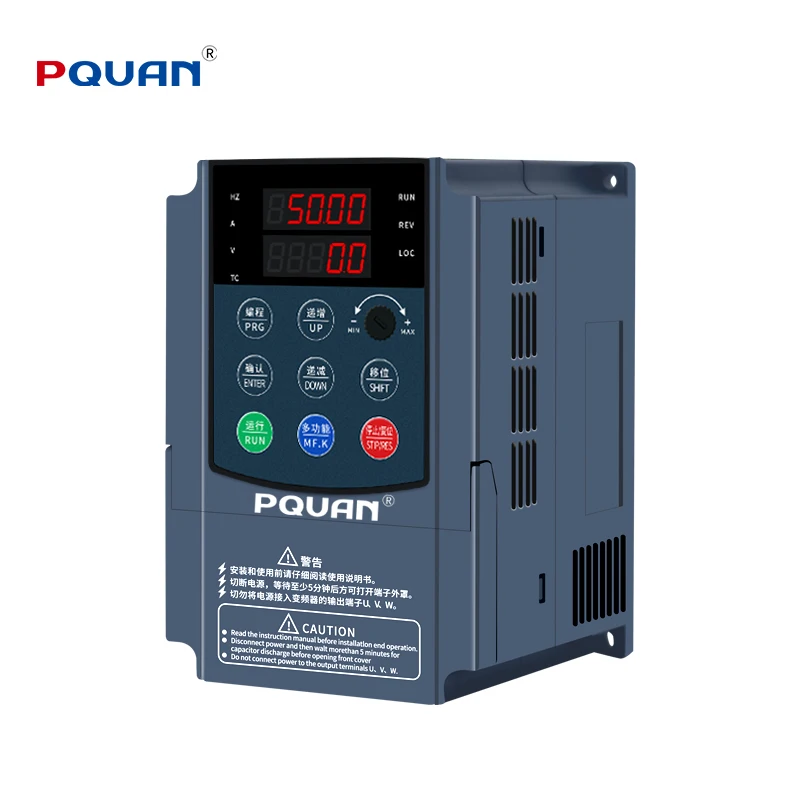
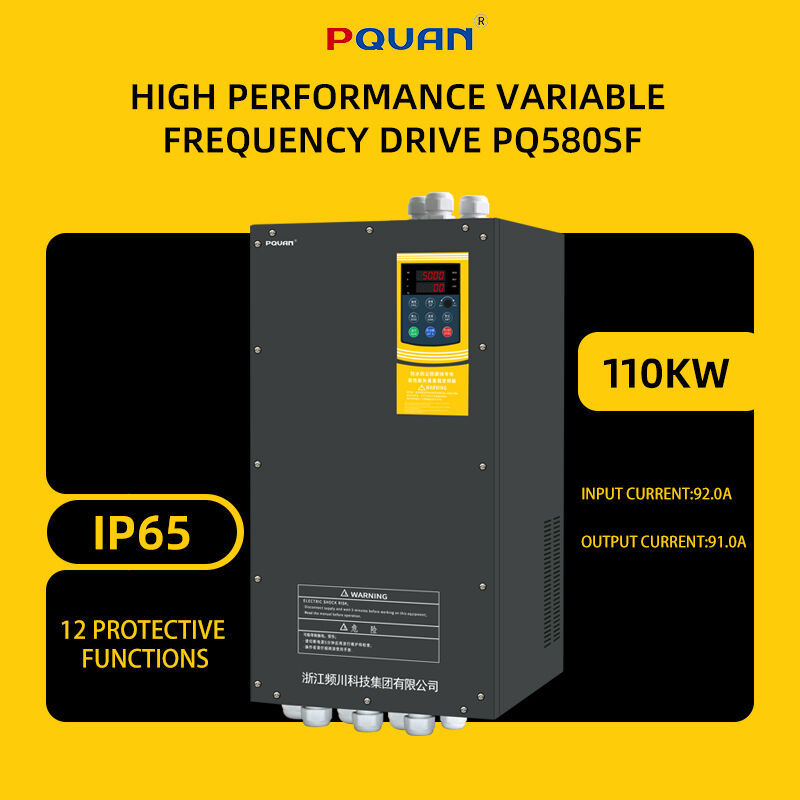
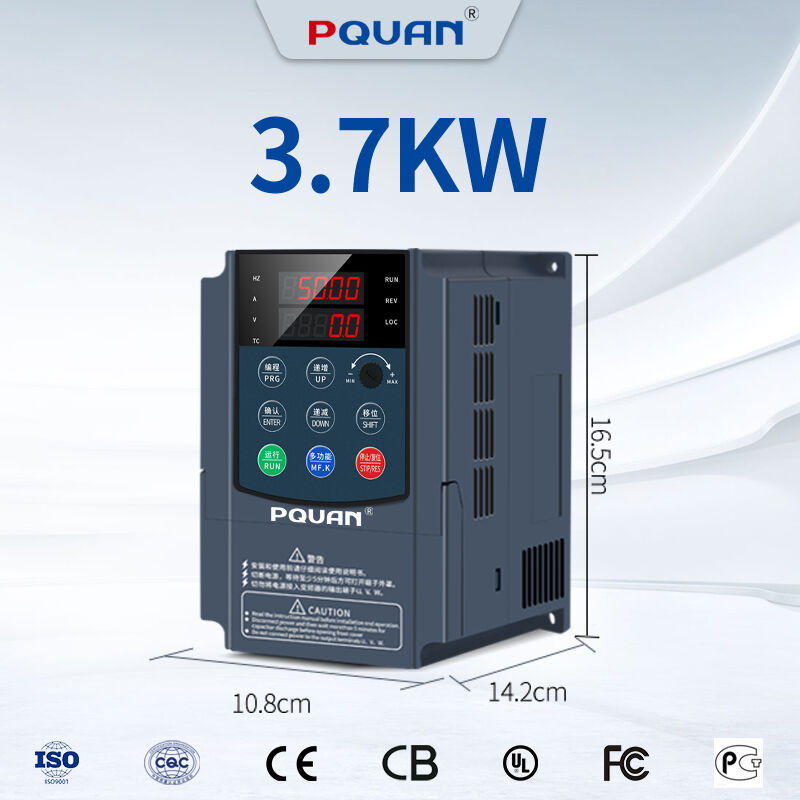
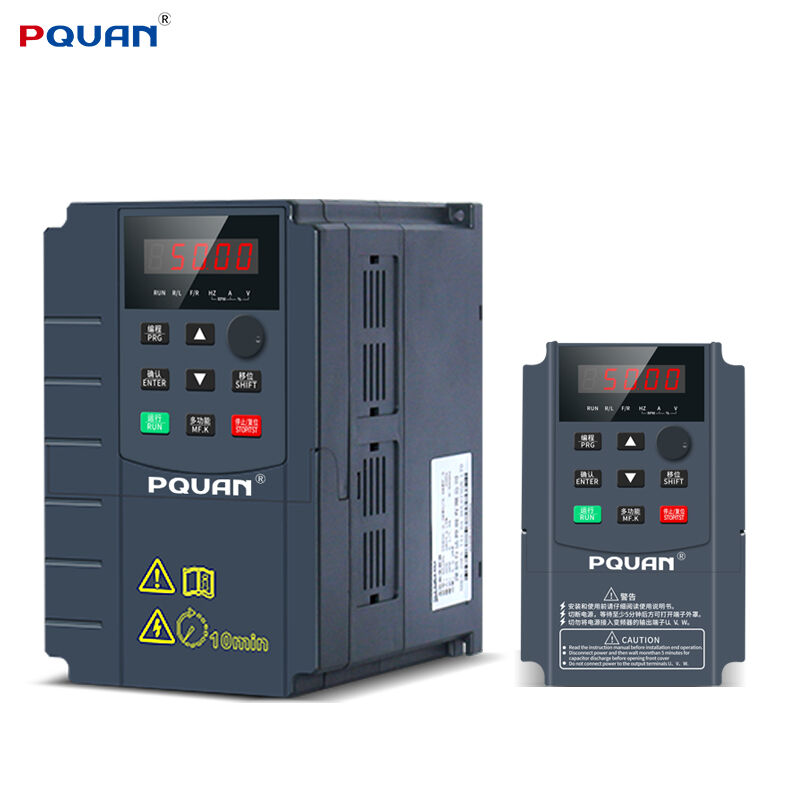
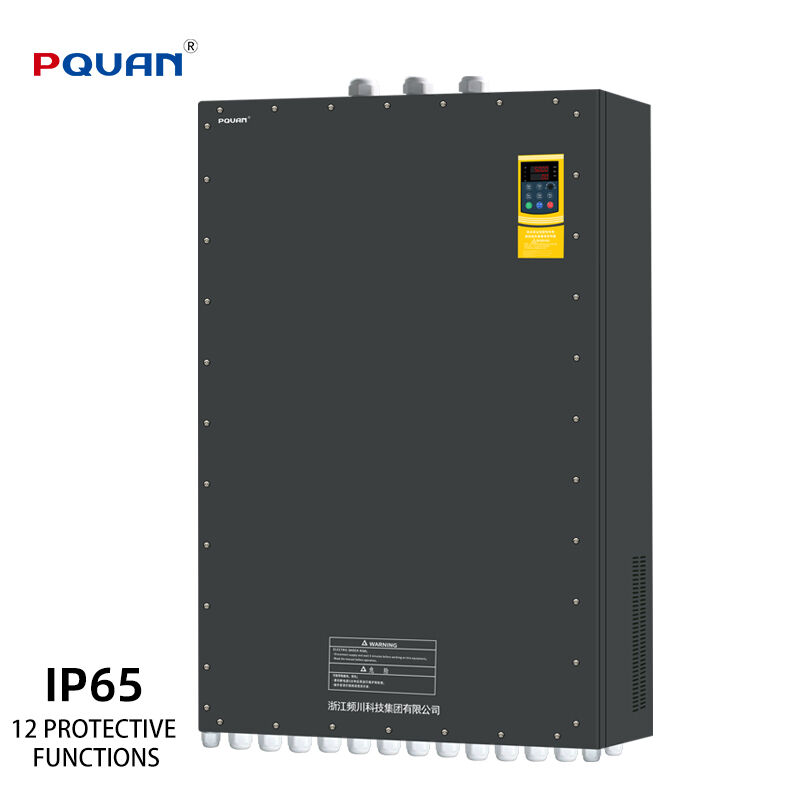
A 3 phase frequency inverter represents a sophisticated power conversion device that transforms fixed frequency and voltage electrical supply into variable frequency and voltage output for controlling three-phase AC motors. This technology serves as the backbone of modern industrial motor control systems, enabling precise speed regulation and energy optimization across countless applications. The device operates by first converting incoming AC power to DC through a rectifier stage, then reconverting it back to AC at the desired frequency through an inverter stage using advanced semiconductor switching technology. The 3 phase frequency inverter provides manufacturers and facility operators with unprecedented control over motor-driven equipment, allowing them to adjust operational speeds according to actual process requirements rather than running at constant full speed. This fundamental capability translates into substantial energy savings, reduced mechanical wear, improved process control, and extended equipment lifespan. Modern units incorporate microprocessor-based control systems that monitor dozens of parameters in real-time, protecting both the inverter and connected motors from harmful conditions. The technology accommodates motors ranging from fractional horsepower to thousands of horsepower, making it suitable for applications from small conveyors to massive industrial pumps and compressors. Installation flexibility represents another key attribute, with models available for wall mounting, floor standing, or integration into control panels. Communication capabilities allow these devices to integrate seamlessly with industrial automation systems through protocols like Modbus, Profibus, and Ethernet/IP. The 3 phase frequency inverter has become an essential component in industries pursuing operational efficiency, with typical payback periods of less than two years through energy savings alone. Beyond energy considerations, the smooth acceleration and deceleration profiles possible with frequency inverter control eliminate the mechanical shock associated with across-the-line motor starting, significantly reducing maintenance costs and downtime. Environmental benefits extend beyond energy efficiency, as reduced power consumption directly correlates with lower carbon emissions and decreased cooling requirements in industrial facilities.

Popular Products

The primary advantage of implementing a 3 phase frequency inverter lies in dramatic energy cost reduction, with typical savings ranging from 20 to 50 percent depending on the application. Traditional motor control methods operate equipment at full speed continuously, wasting enormous amounts of energy when full capacity is not needed. By contrast, a frequency inverter adjusts motor speed to match actual load requirements, consuming only the power necessary for current operating conditions. This proportional energy use becomes especially significant in variable torque applications like pumps and fans, where power consumption decreases with the cube of speed reduction. A motor running at 80 percent speed through frequency inverter control uses approximately 50 percent of the energy required at full speed, representing substantial cost savings over the equipment's operational lifetime. The 3 phase frequency inverter also eliminates the need for mechanical speed control devices such as throttling valves, dampers, or gearboxes, which waste energy and require ongoing maintenance. Process control improvements constitute another major benefit, as the ability to precisely adjust motor speed enables optimization of production parameters that were previously fixed. Manufacturing operations can fine-tune conveyor speeds, pump flow rates, and fan volumes to achieve ideal product quality and throughput. The smooth starting capability of a 3 phase frequency inverter protects both electrical infrastructure and mechanical components from the damaging effects of high inrush currents and mechanical shock. Traditional across-the-line motor starting can draw six to eight times normal running current, causing voltage dips that affect other equipment and subjecting mechanical components to severe stress. Frequency inverter soft-start functionality ramps motor speed gradually, eliminating these problems entirely while extending equipment life by years. Motor protection features built into modern units surpass traditional overload relays, continuously monitoring current, voltage, temperature, and other parameters to prevent damage from abnormal conditions. The 3 phase frequency inverter responds to problems in milliseconds, far faster than conventional protective devices. Maintenance cost reduction emerges as a frequently overlooked advantage, as the elimination of mechanical starting stress and the ability to operate equipment at optimal speeds reduces wear on bearings, seals, belts, and couplings. Facilities report bearing life improvements of 300 percent or more after frequency inverter installation. The technology also supports predictive maintenance programs by providing diagnostic data about motor and process conditions, allowing maintenance teams to address developing problems before they cause failures. Power quality improvements benefit the entire electrical system, as modern frequency inverters can correct power factor and filter harmonics when properly configured. This cleaner power reduces utility charges and extends the life of other electrical equipment. The flexibility to accommodate changing process requirements without equipment replacement provides long-term value, as a 3 phase frequency inverter can be reprogrammed for different operating profiles as production needs evolve.

Latest News

Automatic Voltage Regulator (AVR): How It Ensures Stable Electrical Supply

05

Mar

Automatic Voltage Regulator (AVR): How It Ensures Stable Electrical Supply

In today’s highly industrialized and digitized world, the stability of electrical power is paramount. Industrial manufacturing plants, data centers, healthcare facilities, and laboratories all rely on a continuous flow of clean, predictable ele...
View More
What Size Automatic Voltage Regulator Do You Need for Your Equipment?

12

Mar

What Size Automatic Voltage Regulator Do You Need for Your Equipment?

Choosing the wrong size automatic voltage regulator is one of the most common — and costly — mistakes in power protection planning. An undersized unit will overload under normal operating conditions, while an oversized one wastes capital ...
View More
Voltage Stabilizer: Reliable Protection for Your Low-Voltage Electrical System

30

Apr

Voltage Stabilizer: Reliable Protection for Your Low-Voltage Electrical System

Maintaining stable power quality within low-voltage distribution networks is one of the most critical challenges faced by modern industrial facilities. Fluctuations in grid voltage, such as sudden voltage sags or high-energy surges, can severely comp...
View More
Top Features to Look for in a High-Quality VFD Drive

06

May

Top Features to Look for in a High-Quality VFD Drive

Selecting the right industrial automation components is crucial for maintaining operational efficiency, minimizing energy expenditure, and extending the lifespan of your mechanical systems. A Variable Frequency Drive (VFD) serves as the core controll...
View More

Get a Free Quote

Our representative will contact you soon.
Email
Mobile/WhatsApp
Name
Message
0/1000

3 phase frequency inverter

Unmatched Energy Efficiency and Cost Savings

Unmatched Energy Efficiency and Cost Savings

The energy efficiency capabilities of a 3 phase frequency inverter deliver compelling financial returns that transform operational economics across industrial and commercial facilities. Traditional fixed-speed motor operation forces equipment to run at full capacity regardless of actual demand, wasting tremendous amounts of electrical energy through throttling, bypassing, or other mechanical control methods. A frequency inverter fundamentally changes this paradigm by enabling motor speed to track load requirements precisely, consuming only the energy needed for current operating conditions. The mathematical relationship between speed and power consumption in variable torque applications creates extraordinary savings potential, with power consumption dropping proportionally to the cube of speed reduction. This means operating a pump or fan at 80 percent of full speed through a 3 phase frequency inverter reduces energy consumption to approximately 50 percent of full-speed operation, while 60 percent speed operation uses only about 22 percent of full power. These dramatic reductions compound over the thousands of operating hours typical in industrial applications, generating savings that often exceed the initial equipment cost within 18 to 24 months. The energy efficiency benefits extend beyond motor power consumption to include reduced cooling loads in facilities, as less waste heat generation means air conditioning systems work less to maintain comfortable working conditions. Electrical infrastructure also benefits from reduced peak demand, potentially allowing facilities to negotiate better utility rates or defer expensive electrical upgrades. The 3 phase frequency inverter achieves these savings while simultaneously improving process control and equipment reliability, creating a rare scenario where efficiency improvements enhance rather than compromise operational capability. Modern units incorporate advanced algorithms that optimize efficiency across the entire speed range, automatically adjusting switching patterns and voltage levels to minimize losses under varying load conditions. Some models include energy monitoring functions that quantify savings in real-time, providing concrete data for return-on-investment calculations and ongoing performance verification. The elimination of mechanical speed control devices such as throttling valves removes another source of energy waste while reducing maintenance requirements. Facilities that have completed comprehensive frequency inverter installations report total energy reductions of 30 to 40 percent on motor-driven systems, with some applications achieving even greater savings. These benefits scale across motor sizes from fractional horsepower to thousands of horsepower, making the technology economically viable for virtually any motor-driven application.
Superior Motor and Equipment Protection

Superior Motor and Equipment Protection

The protective capabilities of a 3 phase frequency inverter far exceed traditional motor control methods, safeguarding valuable equipment from damage while extending operational life and reducing maintenance costs. Modern units continuously monitor dozens of electrical and operational parameters at scanning rates measured in milliseconds, detecting abnormal conditions and responding before damage occurs. This comprehensive protection begins with precise current monitoring that prevents motor overheating under all load conditions, automatically reducing output or shutting down if safe limits are approached. Unlike simple thermal overload relays that respond slowly and provide limited protection, the microprocessor-based protection in a frequency inverter analyzes current patterns in real-time, distinguishing between normal load variations and genuine fault conditions. Voltage monitoring protects against supply problems including overvoltage, undervoltage, and phase loss conditions that can quickly destroy unprotected motors. The 3 phase frequency inverter responds to these conditions in microseconds, far faster than damage can occur, and provides detailed fault records for troubleshooting. Ground fault detection identifies insulation failures before they escalate into catastrophic failures, potentially saving tens of thousands in motor replacement costs. The soft-start capability eliminates the mechanical shock associated with across-the-line starting, which subjects motor windings, bearings, and driven equipment to severe stress with every start cycle. Traditional starting methods create instantaneous torque pulses that can crack shafts, damage couplings, and generate shock waves through entire mechanical systems. By ramping speed gradually under precise control, a frequency inverter eliminates these damaging events entirely, extending equipment life by years or even decades. Bearing protection comes from both elimination of starting shock and the ability to operate equipment at optimal speeds rather than constant full speed, reducing friction and heat generation. Facilities report bearing life improvements of 300 to 500 percent after frequency inverter installation, with corresponding reductions in seal failures and coupling wear. The 3 phase frequency inverter also protects driven equipment from process upsets by enabling controlled responses to changing conditions rather than abrupt on-off cycling. Pumps avoid cavitation damage, fans operate within safe pressure ranges, and conveyors accelerate products gently. Built-in ride-through capability allows the unit to maintain operation during brief power disturbances that would trip conventional starters, improving process continuity and product quality. Advanced models incorporate predictive maintenance features that analyze operational data to identify developing problems before they cause failures, monitoring parameters like vibration signatures, current imbalances, and temperature trends. This intelligence transforms maintenance from reactive to proactive, reducing unexpected downtime and allowing repairs to be scheduled during planned outages. The comprehensive protection features of a 3 phase frequency inverter represent an insurance policy against premature equipment failure while simultaneously enabling operational practices that extend equipment life far beyond normal expectations.
Exceptional Process Control and Operational Flexibility

Exceptional Process Control and Operational Flexibility

The process control capabilities of a 3 phase frequency inverter transform rigid, fixed-speed operations into flexible, optimized systems that adapt to changing requirements and deliver superior product quality. Traditional motor control offers only on-off operation or a few fixed speeds, forcing processes to accommodate equipment limitations rather than optimizing for ideal operating conditions. A frequency inverter provides infinitely variable speed control across the entire motor operating range, enabling precise adjustment of process parameters such as flow rates, conveyor speeds, and mixing intensities. This granular control allows operators to fine-tune operations for optimal product quality, maximum throughput, or minimum energy consumption depending on current priorities. The ability to program acceleration and deceleration rates prevents product damage on conveyor systems, eliminates water hammer in piping systems, and reduces spillage or overflow conditions. Process engineers can optimize startup sequences to minimize stress on equipment while achieving production speeds quickly and efficiently. The 3 phase frequency inverter accepts control signals from a wide variety of sources including manual potentiometers, pressure transducers, flow meters, temperature sensors, and industrial automation systems, enabling closed-loop control strategies that automatically adjust motor speed to maintain desired process conditions. This automation capability eliminates the need for constant operator attention while delivering more consistent results than manual control. Multiple programming modes accommodate different operational scenarios, allowing a single frequency inverter installation to support various products, recipes, or operating modes without equipment changes. Some applications require precise positioning or synchronization between multiple motors, capabilities that advanced frequency inverters deliver through encoder feedback and communication networks. The technology supports torque control in addition to speed control, enabling applications like tension control in winding operations or coordinated motion in complex machinery. Communication capabilities allow the 3 phase frequency inverter to integrate seamlessly with plant-wide control systems, providing operational data for monitoring and optimization while accepting commands from supervisory controllers. Standard industrial protocols ensure compatibility with existing automation infrastructure regardless of manufacturer. The flexibility extends to motor types as well, with modern units capable of controlling induction motors, synchronous motors, and permanent magnet motors with appropriate configuration. This versatility protects equipment investments as motor technology evolves and allows standardization on a single frequency inverter platform across diverse applications. Diagnostic capabilities provide visibility into motor and process conditions that were previously invisible, displaying parameters like motor current, voltage, power consumption, operating hours, and fault histories. This information supports troubleshooting, energy management, and predictive maintenance programs. The operational flexibility of a 3 phase frequency inverter eliminates the need for expensive mechanical variable speed drives, multiple motors for different speeds, or complex process control valves, simplifying systems while improving performance and reducing maintenance requirements.

3 Phase Frequency Inverter - Advanced Motor Control for Energy Savings and Performance

Get a Free Quote

Our representative will contact you soon.
Email
Mobile/WhatsApp
Name
Message
0/1000