single phase frequency inverter
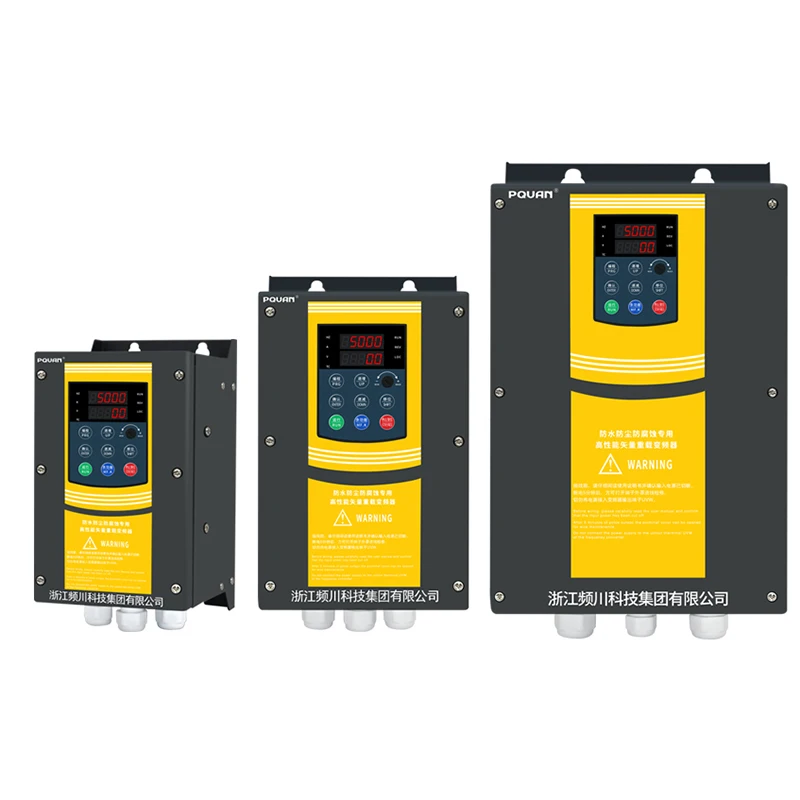
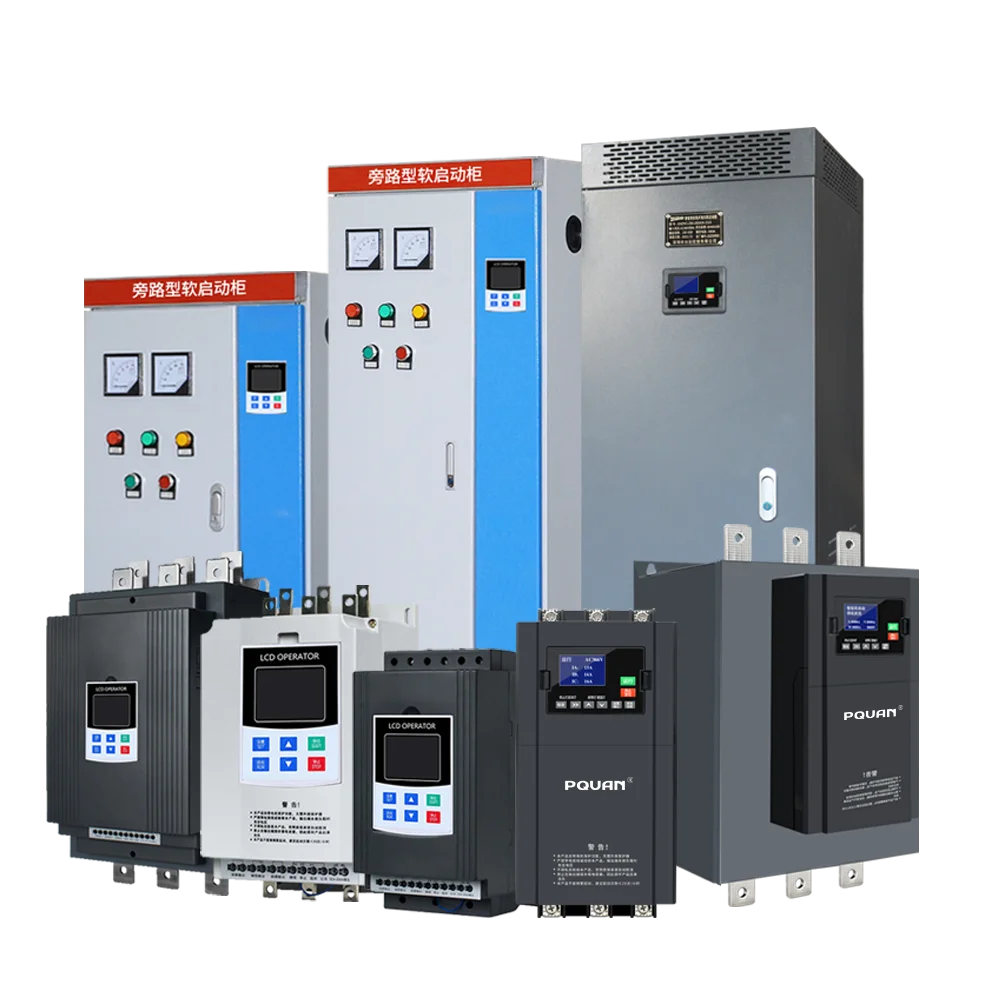
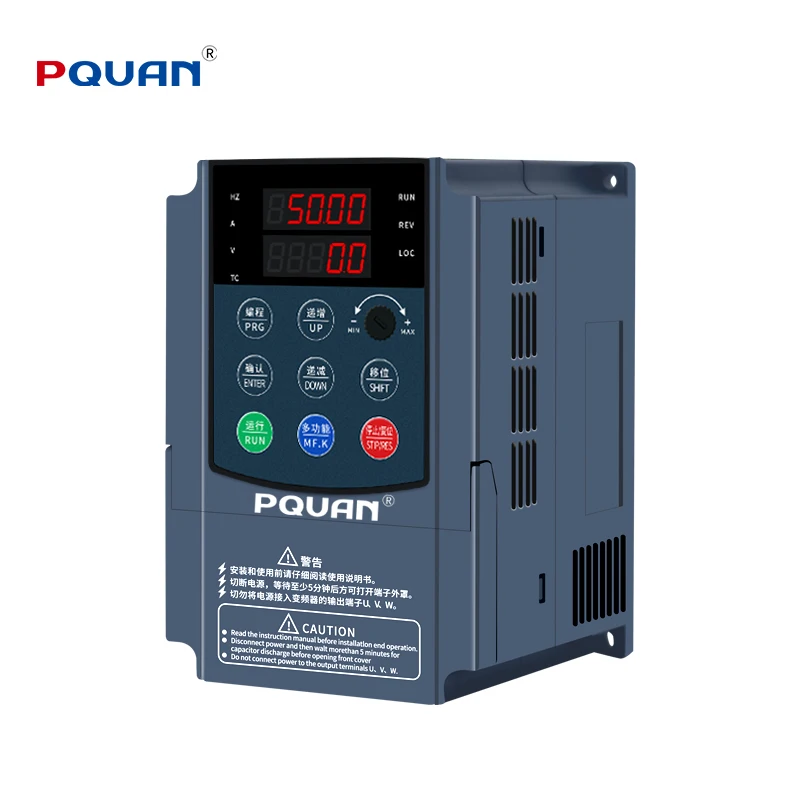
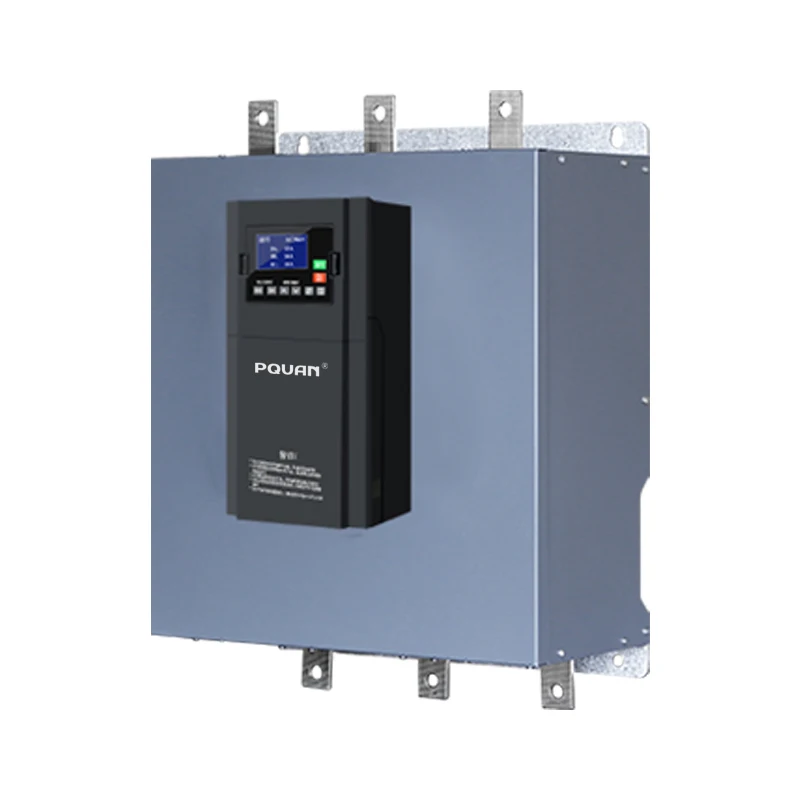
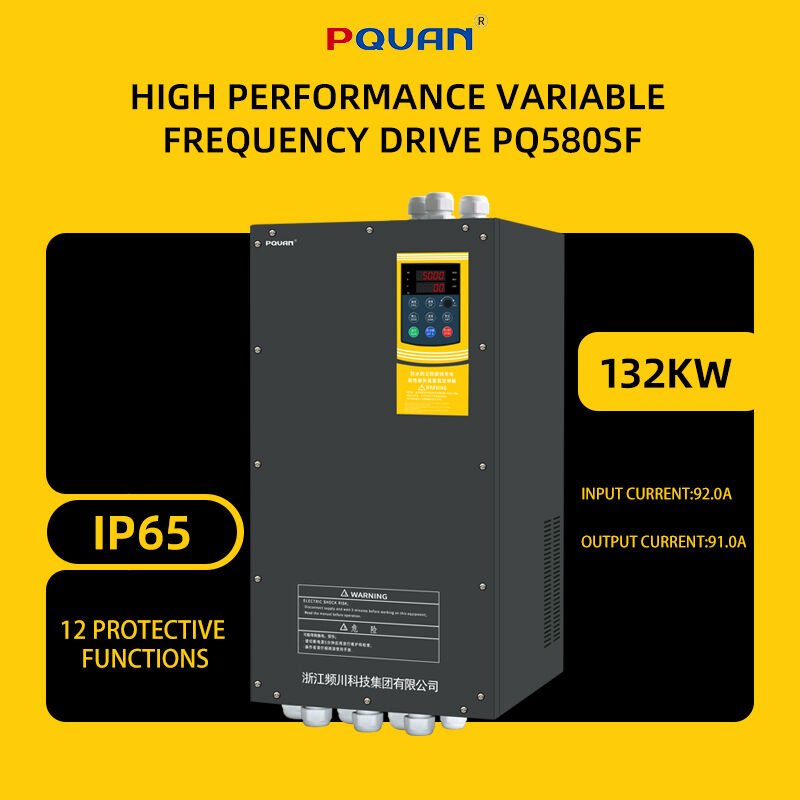
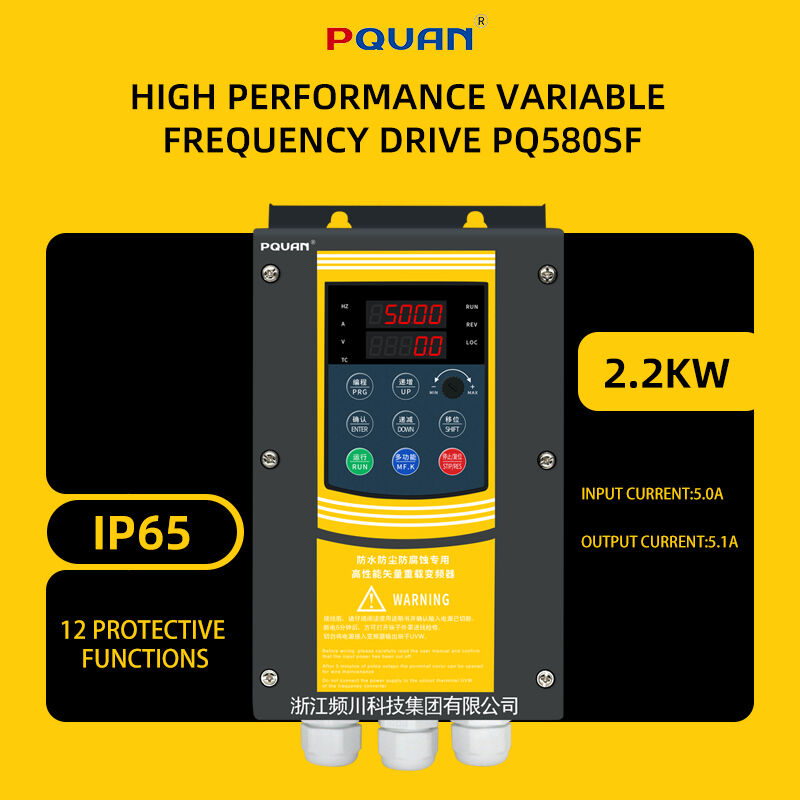
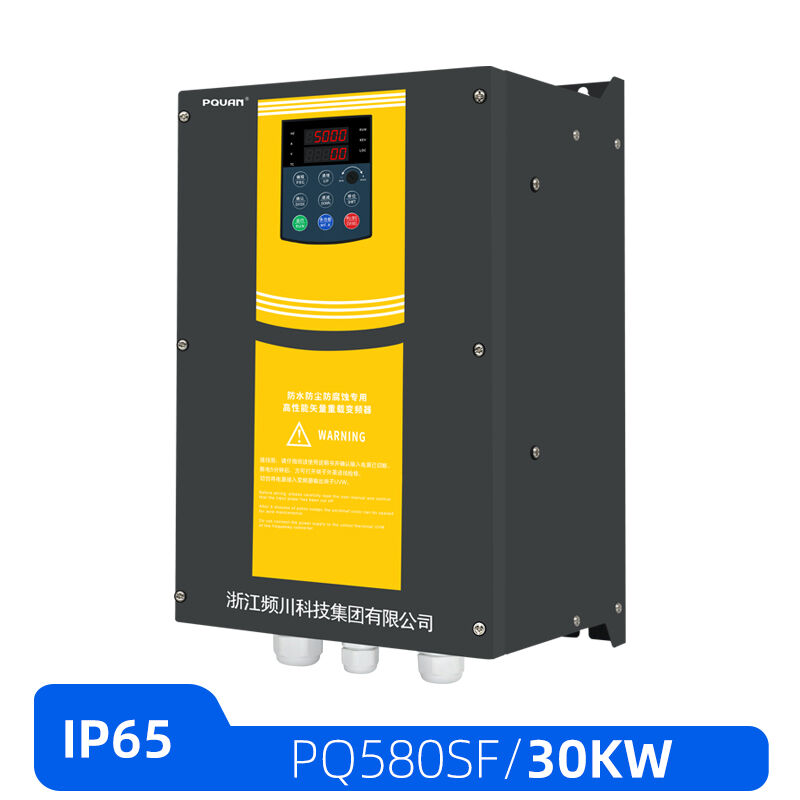
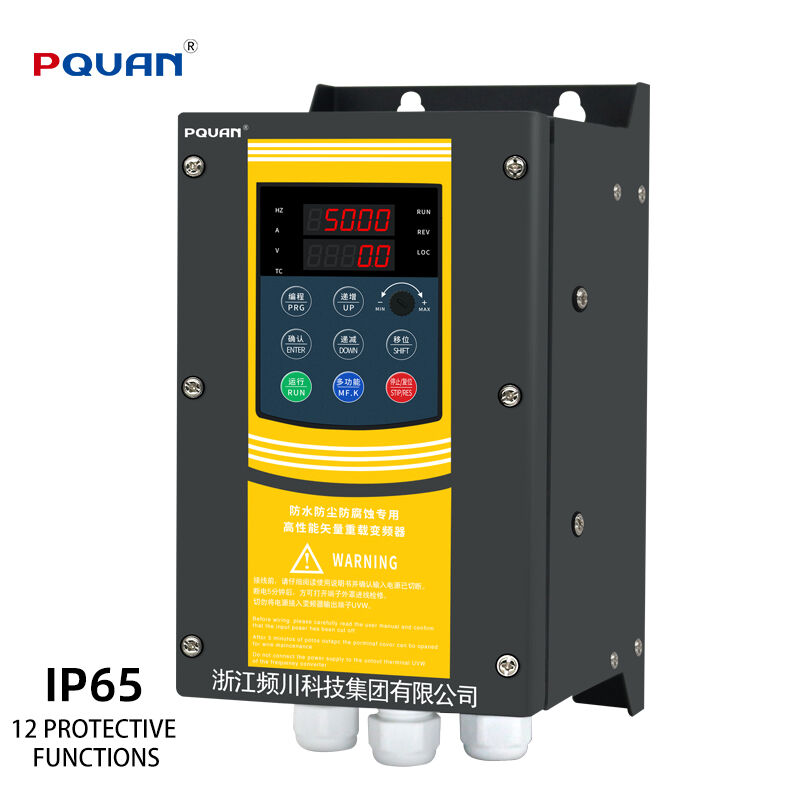
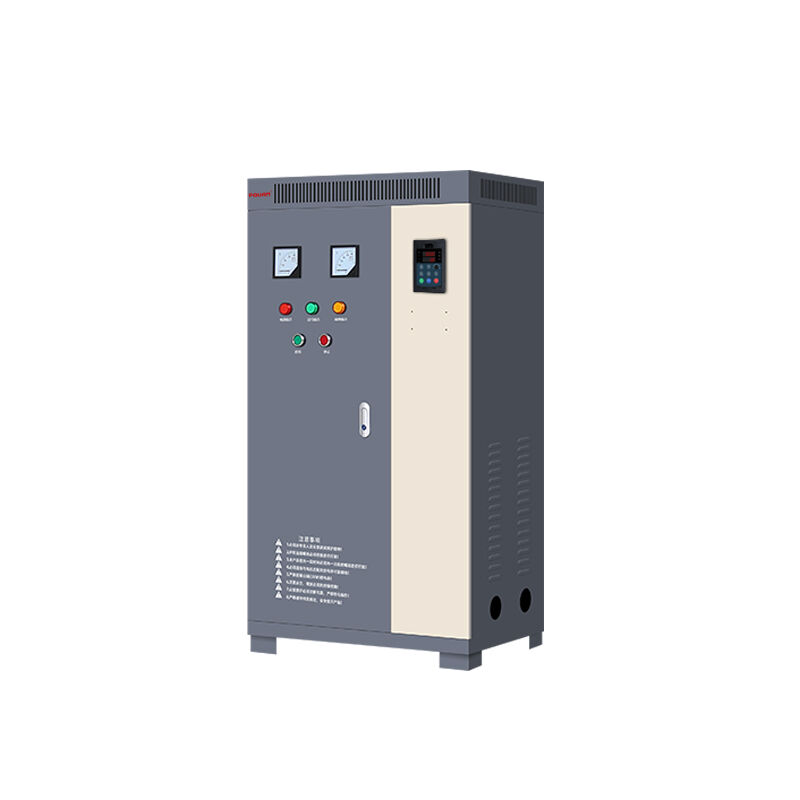
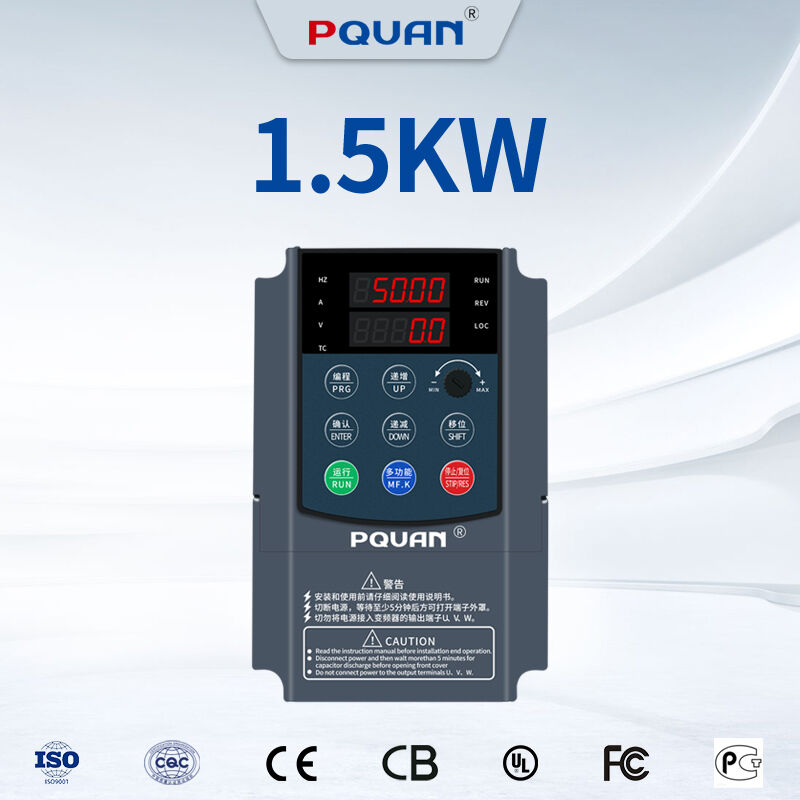
A single phase frequency inverter represents an essential piece of electrical equipment designed to control the speed and torque of single phase motors by converting fixed frequency and voltage input power into variable frequency and voltage output power. This sophisticated device operates by first rectifying the incoming alternating current into direct current, then inverting it back to alternating current at the desired frequency and voltage levels. The primary function of a single phase frequency inverter involves precise motor speed regulation, enabling users to adjust operational parameters according to specific application requirements. These inverters incorporate advanced microprocessor technology and intelligent control algorithms that ensure smooth motor operation across varying load conditions. The technological features include pulse width modulation techniques, which generate clean sinusoidal output waveforms that reduce motor heating and acoustic noise. Modern single phase frequency inverters come equipped with comprehensive protection mechanisms such as overcurrent protection, overvoltage protection, undervoltage protection, and thermal overload protection, safeguarding both the inverter itself and connected equipment. The digital display interfaces provide real time monitoring of operating parameters including output frequency, voltage, current, and fault diagnostics. Applications for single phase frequency inverters span numerous industries and sectors, from residential settings where they control pumps, fans, and air conditioning units, to small commercial operations involving conveyor systems, packaging machinery, and woodworking equipment. Agricultural applications benefit significantly from these devices when managing irrigation pumps and grain handling systems. The compact design of single phase frequency inverters makes them ideal for installations where space constraints exist, while their user friendly programming interfaces allow operators without extensive technical backgrounds to configure and operate them efficiently. Energy efficiency stands as a cornerstone benefit, as these inverters optimize power consumption by matching motor speed precisely to load requirements rather than running at constant full speed with mechanical throttling methods.
 EN
EN