 EN
EN

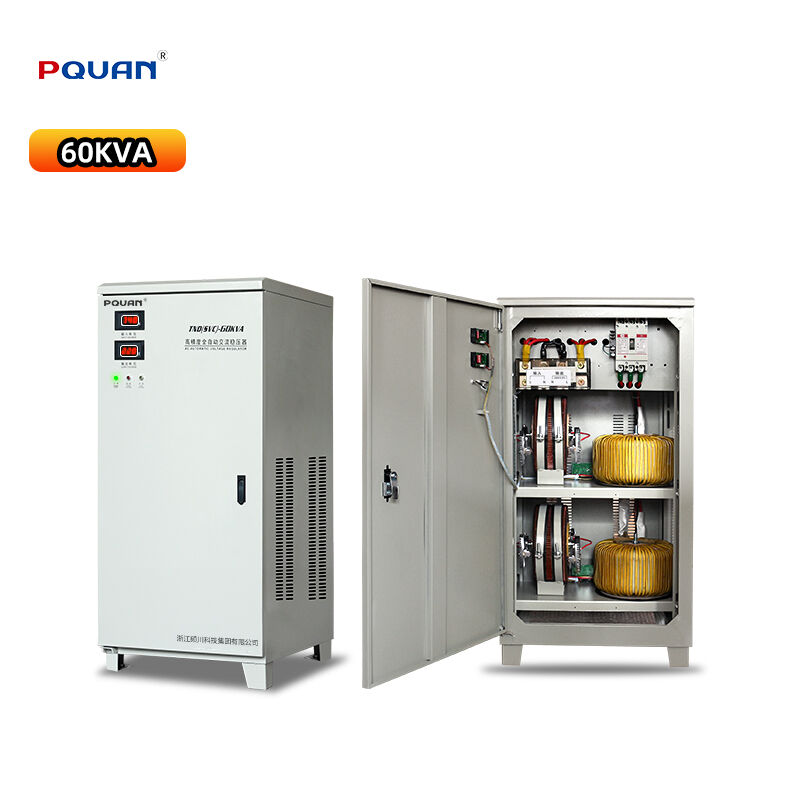
Maintaining stable power quality within low-voltage distribution networks is one of the most critical challenges faced by modern industrial facilities. Fluctuations in grid voltage, such as sudden voltage sags or high-energy surges, can severely compromise the performance of electronic components and electric motors. A high-quality voltage stabilizer acts as a dependable buffer, continuously correcting incoming electrical anomalies to deliver a steady, optimized voltage supply to all connected downstream machinery.
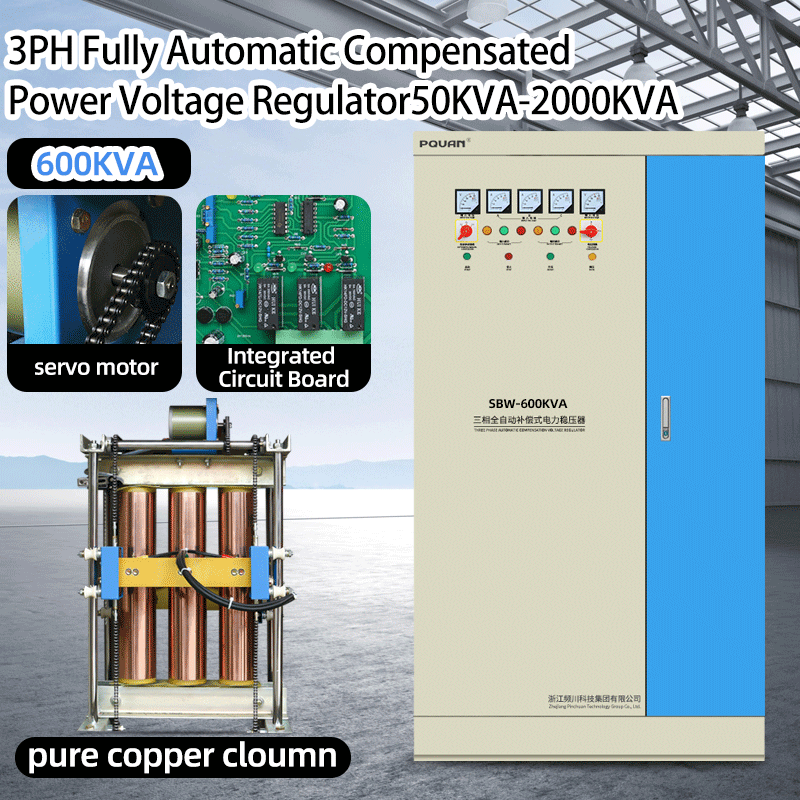
Deploying a dedicated voltage stabilizer does more than just protect sensitive electronics from unexpected burnout; it fundamentally improves overall equipment effectiveness (OEE). By preventing erratic voltage behavior, this critical power conditioning equipment minimizes unexpected process interruptions, protects insulation systems from thermal degradation, and reduces the long-term utility costs associated with poor electrical distribution efficiency.
The Operational Mechanics of Low-Voltage Power Regulation
Low-voltage industrial systems frequently experience power degradation due to localized grid overloading or the switching of heavy inductive loads nearby. An industrial voltage stabilizer addresses these irregularities by constantly sampling the incoming utility line voltage and comparing it against a precise, pre-programmed reference voltage. When a deviation occurs, the stabilizer’s internal control system automatically adjusts its internal transformer turns ratio to counteract the power drop or spike.
This continuous correction process is generally handled by two distinct types of technology depending on the specific application needs: servo-motorized mechanics or static electronic switching. Servo-controlled stabilizers utilize an intelligent microprocessor to drive a high-speed motor, which adjusts a carbon brush along a variable transformer winding to achieve smooth, step-less voltage adjustments. Static stabilizers, alternatively, use solid-state SCR or IGBT switches to instantly change transformer taps with zero mechanical movement, offering rapid correction times for highly sensitive automated environments.
Safeguarding Critical Machinery Across Industrial Applications
Different industrial machines present unique load characteristics and electrical vulnerabilities, requiring specific stabilization features to ensure optimal protection. For example, massive water pumps and heavy-duty air compressors draw substantial inrush currents when starting up, which can cause severe localized voltage drops if left unmanaged. A robust stabilizer engineered for high surge capacity ensures that the line voltage remains stable during these heavy startup cycles, preventing nearby control circuits from tripping.
Similarly, material handling conveyors and large ventilation fans require constant torque and stable voltage profiles to operate smoothly under varying physical loads. When grid voltage dips, an electric motor will naturally draw more current to maintain its mechanical output, leading to rapid heat buildup inside the motor windings. By maintaining a constant, unyielding voltage supply, the stabilizer keeps operating currents within safe limits, extending the service life of your entire motor fleet and preventing costly production line stoppages.
Technical Specifications and Application Compatibility
To assist your engineering team in selecting and configuring the right level of protection, the following evaluation matrix details how specific stabilization technologies align with standard low-voltage industrial infrastructure.
| Target Industrial Load | Dominant Grid Risk | Optimal Stabilizer Engineering Feature | Direct Operational Advantage |
| Industrial Water Pumps | Severe voltage sags during high-current motor startup. | Heavy-Duty Transformer with High Inrush Sustenance | Prevents local voltage collapse and protects downstream digital sensors. |
| HVAC Ventilation Fans | Continuous minor grid voltage drifting. | Servo-Driven Stepless Regulation Mechanics | Delivers highly precise voltage correction to maintain uniform fan velocity. |
| Material Handling Conveyors | Sharp voltage drops caused by sudden mechanical load shifts. | High Short-Term Overload Current Capacity | Sustains sudden load changes without triggering low-voltage system trips. |
| Air Compressors | Rapid cyclic loading causing harmonic feedback. | Microprocessor-Controlled Static Electronic Tap Switching | Provides millisecond-level correction speeds to safeguard internal electronic control boards. |
Proactive Maintenance Strategies for Extended Service Life
While a premium industrial stabilizer is built to withstand demanding factory conditions, establishing a structured preventative maintenance routine is vital for long-term system health. Over time, thermal cycling can cause internal electrical terminals to loosen, creating high-resistance connections that generate excessive heat. Maintenance teams should perform routine thermal scans and torque all power terminals to the manufacturer's specified metrics during scheduled plant shutdowns.
Environmental cleanliness is another crucial factor in preventing premature hardware failure. Dust accumulation can block ventilation paths, leading to thermal overloading of the internal power transformer and electronic control boards. For servo-based models, the movement of the carbon brush naturally creates a fine carbon residue that must be safely cleared using non-conductive maintenance tools. Keeping the internal enclosure clean and dry ensures that the stabilizer continues to deliver uncorrupted, reliable power protection for years to come.
Frequently Asked Questions
What is the primary operational difference between a voltage stabilizer and a VFD drive?
A voltage stabilizer is designed purely to correct incoming grid fluctuations, maintaining a steady, nominal AC voltage output at a fixed line frequency (such as 50Hz or 60Hz) to protect general factory equipment. A variable frequency drive (VFD), on the other hand, is a dedicated motor controller that actively alters both the voltage and the frequency of the power supplied to a specific AC motor to control its speed and torque.
How do I accurately calculate the required capacity for an industrial voltage stabilizer?
To determine the correct stabilizer size, calculate the total volt-ampere (VA or kVA) consumption of all equipment that will be connected to the system. Multiply the total operating current by the working voltage, and then add a safety margin of at least twenty to thirty percent to safely accommodate future expansion and the high starting inrush currents typical of inductive loads.
Can a voltage stabilizer also mitigate high-frequency electrical line noise?
Standard stabilizers focus primarily on correcting low-frequency voltage sags and surges. However, high-quality industrial models can be configured with integrated isolation transformers, input line reactors, or dedicated radio frequency interference (RFI) filters to suppress high-frequency harmonic distortion and electromagnetic noise, protecting sensitive digital control circuits.
What happens if the incoming factory grid voltage falls completely outside the stabilizer's input window?
Every stabilizer has a defined operational input range, such as plus or minus twenty percent of the nominal voltage rating. If the utility power drops below or spikes above this built-in safety threshold, the stabilizer's digital microprocessor will trigger an automatic high-voltage or low-voltage trip, instantly disconnecting the output to completely shield downstream equipment from catastrophic damage.
Table of Contents
- The Operational Mechanics of Low-Voltage Power Regulation
- Safeguarding Critical Machinery Across Industrial Applications
- Technical Specifications and Application Compatibility
- Proactive Maintenance Strategies for Extended Service Life
-
Frequently Asked Questions
- What is the primary operational difference between a voltage stabilizer and a VFD drive?
- How do I accurately calculate the required capacity for an industrial voltage stabilizer?
- Can a voltage stabilizer also mitigate high-frequency electrical line noise?
- What happens if the incoming factory grid voltage falls completely outside the stabilizer's input window?