Frequency Inverter for Pump: Energy-Efficient Variable Speed Drive Solutions for Optimal Pumping Performance

All Categories
Get a Quote
%}

Get a Free Quote

Our representative will contact you soon.
Email
Mobile/WhatsApp
Name
Message
0/1000

frequency inverter for pump

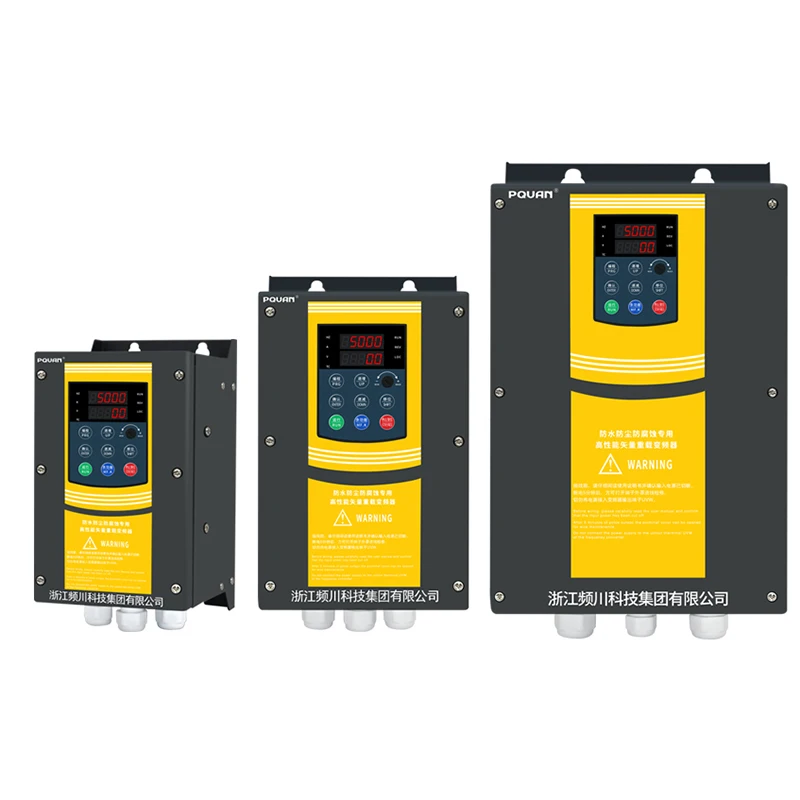
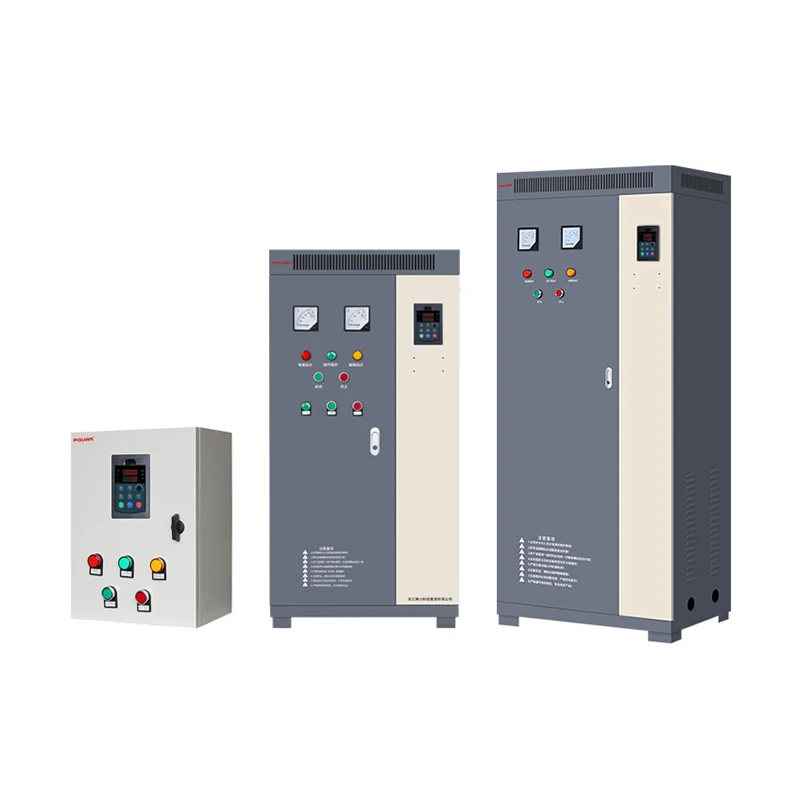
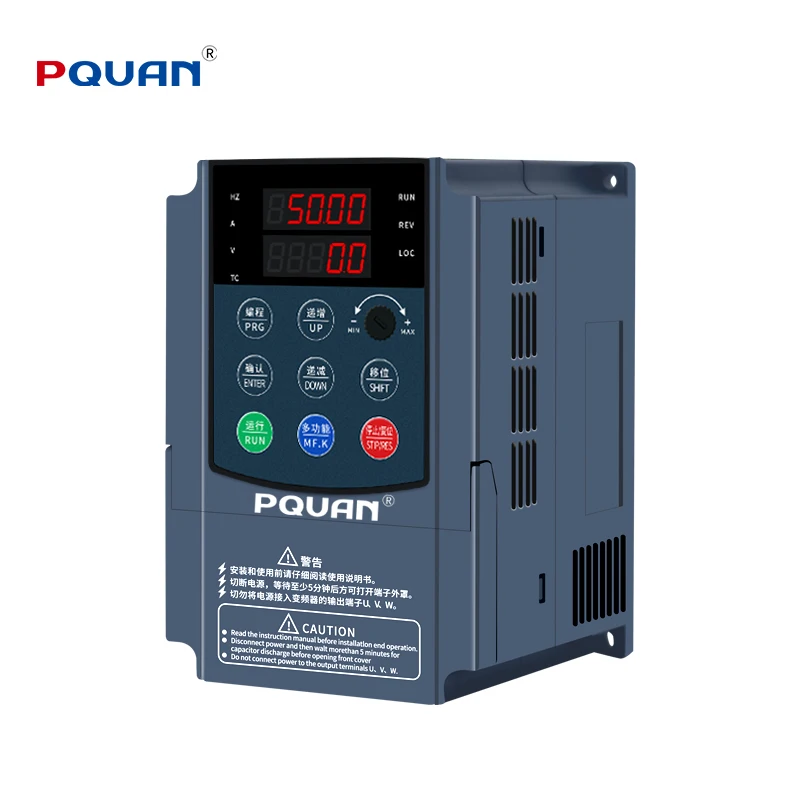
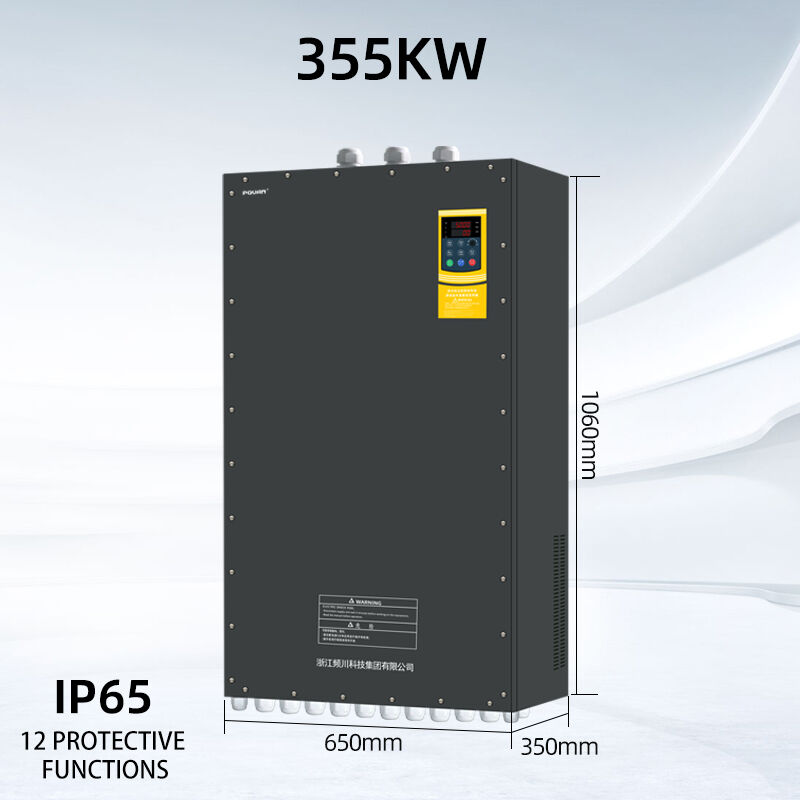
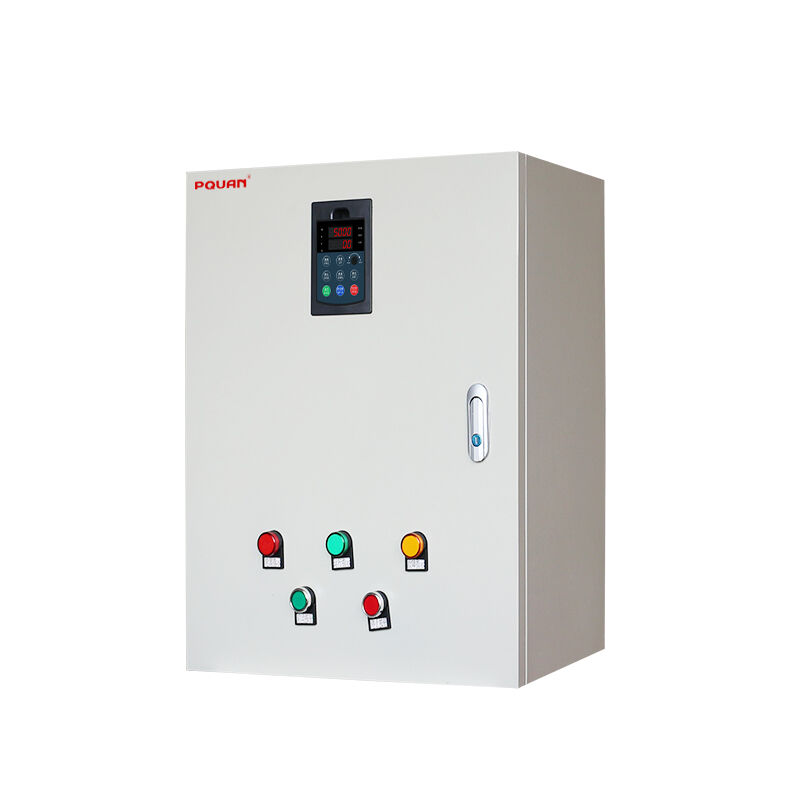
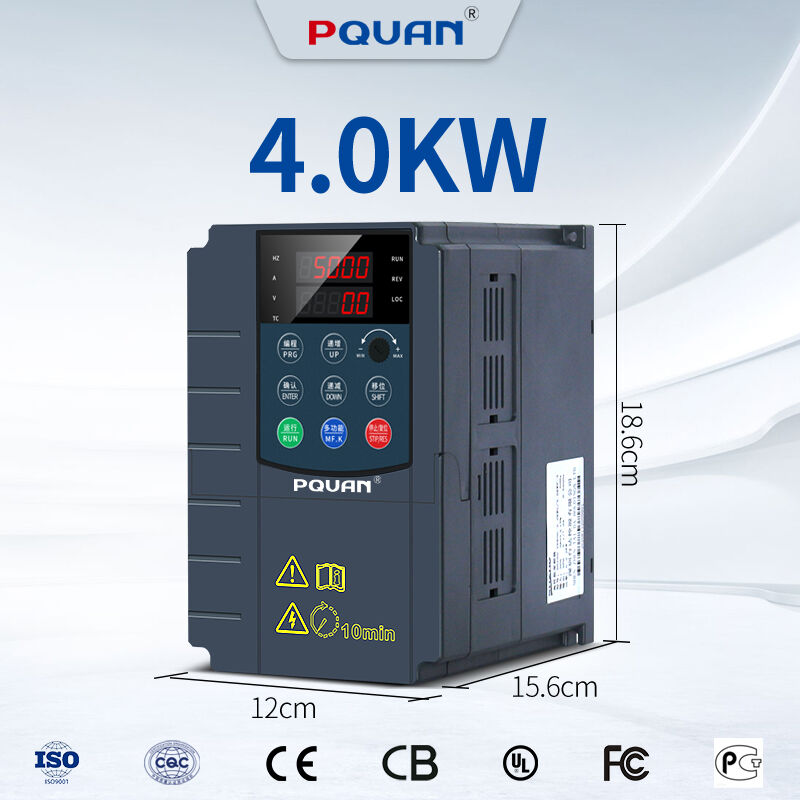
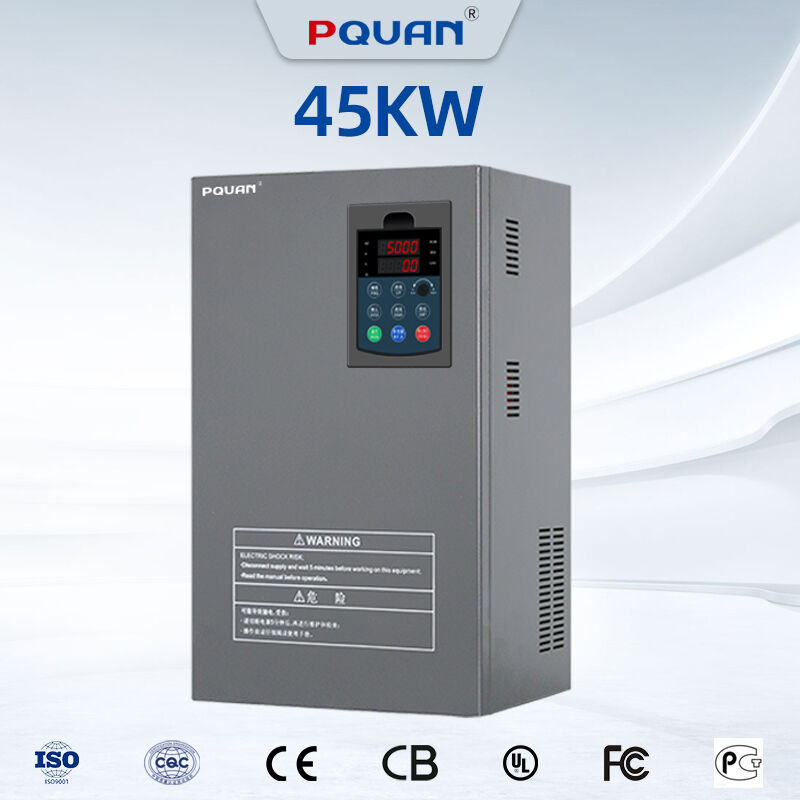
A frequency inverter for pump represents an advanced electronic device designed to control motor speed and optimize pumping system performance through precise regulation of electrical frequency and voltage. This sophisticated technology transforms fixed-speed pump operations into variable-speed systems, delivering unprecedented control over fluid movement in industrial, commercial, and residential applications. The frequency inverter for pump operates by converting incoming alternating current into direct current, then reconverting it back to alternating current at adjustable frequencies, allowing operators to match pump output exactly to system demands. Modern frequency inverters incorporate microprocessor-based control systems that monitor multiple parameters including pressure, flow rate, temperature, and power consumption in real-time. These intelligent devices feature built-in protection mechanisms against overload, short circuits, phase loss, and overheating, ensuring reliable operation and extended equipment lifespan. The frequency inverter for pump utilizes pulse width modulation technology to generate smooth, precise motor control signals that eliminate the harsh mechanical stress associated with direct-on-line starting methods. Installation flexibility stands as a key characteristic, with units available in wall-mounted, panel-mounted, and standalone configurations to accommodate diverse spatial requirements. Communication capabilities have evolved significantly, with contemporary frequency inverters supporting multiple protocols including Modbus, Profibus, and Ethernet connectivity for seamless integration into building management systems and industrial automation networks. Energy efficiency optimization algorithms continuously adjust motor speed based on actual demand, dramatically reducing electrical consumption compared to traditional throttling methods. The user interface typically includes digital displays, parameter programming keypads, and diagnostic indicators that simplify configuration and troubleshooting procedures. Application versatility enables deployment across water supply systems, HVAC circulation pumps, irrigation networks, wastewater treatment facilities, chemical processing plants, and food production operations, making the frequency inverter for pump an essential component in modern fluid handling infrastructure.

New Products

Implementing a frequency inverter for pump delivers substantial energy savings that directly impact operational costs and environmental sustainability. Traditional pumps running at constant speeds waste enormous amounts of electricity through throttling valves and bypass systems, whereas variable frequency drives adjust motor speed to match actual demand, typically reducing energy consumption by 30 to 60 percent depending on application characteristics. This translates into rapid return on investment, often within 12 to 24 months, making the technology financially attractive for budget-conscious facility managers. The frequency inverter for pump extends equipment lifespan significantly by eliminating destructive starting currents that stress motor windings, bearings, and mechanical seals during conventional across-the-line starts. Soft-start functionality gradually ramps up motor speed, reducing mechanical shock and minimizing maintenance requirements throughout the system. Pressure control becomes remarkably precise, maintaining consistent delivery without the fluctuations common in fixed-speed systems, which improves process quality and reduces product waste in manufacturing environments. Noise reduction represents another practical benefit, as lower operating speeds generate less acoustic disturbance, creating more comfortable working conditions and enabling installation in noise-sensitive locations. The frequency inverter for pump eliminates water hammer effects that damage pipes, fittings, and valves by ensuring smooth acceleration and deceleration profiles. Operational flexibility increases dramatically, allowing single pump systems to serve multiple applications with different flow requirements simply by adjusting frequency settings rather than installing multiple fixed-speed units. Temperature regulation improves because reduced speeds generate less heat in both motors and pumped fluids, particularly important when handling temperature-sensitive materials or preventing thermal degradation. Installation simplicity has improved with modern frequency inverters offering plug-and-play functionality, pre-programmed application macros, and auto-tuning features that minimize commissioning time. Diagnostic capabilities provide early warning of potential failures through vibration monitoring, thermal tracking, and performance deviation alerts, enabling predictive maintenance strategies that prevent unexpected downtime. Remote monitoring and control capabilities allow operators to manage distributed pumping stations from central locations, reducing labor costs and enabling rapid response to changing conditions. The frequency inverter for pump supports multiple pumps in parallel operation, automatically sequencing units to balance runtime and optimize system efficiency. Power quality improvements include power factor correction that reduces utility charges and minimizes harmonic distortion that can interfere with sensitive electronic equipment. Compliance with energy regulations and green building certifications becomes easier, as variable frequency drives contribute significantly toward meeting efficiency standards and sustainability goals that increasingly influence project approval and funding decisions.

Tips And Tricks

Voltage Regulator Maintenance: Tips to Keep It Running Smoothly

06

Mar

Voltage Regulator Maintenance: Tips to Keep It Running Smoothly

In the world of industrial automation and power distribution, equipment reliability is the foundation of profitability. Facilities invest heavily in sensitive machinery, automated production lines, and advanced control systems, all of which require a...
View More
How Variable Frequency Drives Improve Motor Performance and Lifespan

09

Mar

How Variable Frequency Drives Improve Motor Performance and Lifespan

Electric motors are the workhorses of modern industry, powering everything from HVAC systems and pumps to conveyors and compressors. Yet running these motors at fixed speeds — regardless of actual load demand — wastes significant energy a...
View More
How Does a Voltage Stabilizer Work? A Complete Guide for Beginners

21

Apr

How Does a Voltage Stabilizer Work? A Complete Guide for Beginners

The electrical power delivered to our homes and industrial facilities is rarely as stable as it should be. Power grids constantly experience fluctuations, resulting in voltage sags, sudden surges, and brownouts that can permanently damage sensitive e...
View More
Voltage Stabilizer: Reliable Protection for Your Low-Voltage Electrical System

30

Apr

Voltage Stabilizer: Reliable Protection for Your Low-Voltage Electrical System

Maintaining stable power quality within low-voltage distribution networks is one of the most critical challenges faced by modern industrial facilities. Fluctuations in grid voltage, such as sudden voltage sags or high-energy surges, can severely comp...
View More

Get a Free Quote

Our representative will contact you soon.
Email
Mobile/WhatsApp
Name
Message
0/1000

frequency inverter for pump

Intelligent Energy Management and Cost Reduction

Intelligent Energy Management and Cost Reduction

The frequency inverter for pump incorporates sophisticated energy management algorithms that revolutionize how facilities approach pumping operations and utility expenses. Unlike conventional systems that operate motors at full speed regardless of actual demand, this intelligent technology continuously analyzes system requirements and adjusts motor frequency to deliver precisely the needed output. The energy-saving mechanism works through fundamental physics principles: since pump power consumption relates to the cube of speed, reducing motor speed by just 20 percent can decrease energy use by nearly 50 percent. This dramatic efficiency gain accumulates substantial cost savings over time, particularly in applications with variable demand patterns such as building water supply systems, irrigation networks, and process cooling circuits. The frequency inverter for pump achieves these savings without compromising system performance or reliability, utilizing closed-loop feedback control that maintains setpoint parameters regardless of load variations. Advanced models feature demand-based scheduling that automatically adjusts operation according to time-of-day usage patterns, further optimizing energy consumption during off-peak periods. Real-time power monitoring displays instantaneous kilowatt consumption, cumulative kilowatt-hours, and cost calculations that provide transparent visibility into operational expenses and savings verification. Many facilities report annual electricity cost reductions exceeding thousands of dollars per pump, with larger installations achieving six-figure savings that justify system upgrades and expansions. The environmental impact extends beyond direct energy savings, as reduced electrical demand decreases power plant emissions and contributes to corporate sustainability objectives. The frequency inverter for pump supports utility demand response programs by enabling automatic load shedding during peak pricing periods, generating additional revenue through participation incentives. Payback calculations typically demonstrate financial viability within two years even for moderately sized installations, while larger facilities often recover investment costs within months. Beyond immediate energy savings, the technology reduces cooling requirements for motor rooms and electrical spaces, creating secondary efficiency gains throughout facilities. Maintenance cost reductions complement energy savings, as gentler operation extends component lifespan and reduces failure frequency, minimizing repair expenses and replacement part inventories.
Advanced Motor Protection and Equipment Longevity

Advanced Motor Protection and Equipment Longevity

The frequency inverter for pump delivers comprehensive motor and system protection that far exceeds capabilities of traditional starting methods and mechanical controls. Built-in protection algorithms continuously monitor dozens of parameters to detect potentially damaging conditions before they cause equipment failure or safety hazards. Overload protection analyzes motor current in real-time, comparing actual draw against rated capacity while considering thermal accumulation effects that conventional circuit breakers cannot assess. When temporary overloads occur, the frequency inverter for pump intelligently manages motor speed to maintain operation within safe thermal limits rather than immediately tripping offline, ensuring process continuity while protecting equipment integrity. Phase loss detection immediately identifies missing or unbalanced supply phases that would otherwise cause catastrophic single-phase running conditions, automatically shutting down operation and preventing motor winding damage. Ground fault monitoring identifies insulation breakdown and current leakage paths that pose electrical shock hazards and fire risks, triggering protective shutdown sequences. Overvoltage and undervoltage protection safeguards against utility supply variations that stress motor insulation and electronic components, maintaining operation within manufacturer specifications. The frequency inverter for pump features adjustable acceleration and deceleration ramps that eliminate mechanical shock loading during starts and stops, dramatically reducing stress on couplings, bearings, seals, and impellers. This gentle operation extends mechanical component life by factors of two to five compared to across-the-line starting, reducing maintenance intervals and replacement costs. Thermal modeling algorithms track motor temperature based on load history and ambient conditions, preventing operation beyond safe thermal limits even without external temperature sensors. Short circuit protection responds within microseconds to fault conditions, isolating problems before damage propagates through electrical systems. The frequency inverter for pump includes bearing wear monitoring through vibration signature analysis that detects developing problems weeks or months before catastrophic failure, enabling scheduled maintenance during convenient periods. Dry run protection prevents pump operation without adequate fluid, avoiding costly damage to mechanical seals and impellers. Overpressure protection limits maximum system pressure regardless of speed settings, protecting piping, vessels, and process equipment. Locked rotor detection identifies mechanical binding or excessive load conditions, preventing motor damage during abnormal situations. These comprehensive protection features create a robust operating environment that maximizes equipment lifespan, minimizes unplanned downtime, and reduces total cost of ownership throughout the system lifecycle.
Precision Control and Process Optimization

Precision Control and Process Optimization

The frequency inverter for pump enables unprecedented precision in fluid delivery and process control that transforms system performance and product quality. Traditional fixed-speed pumps with throttling valves provide crude flow regulation plagued by instability, overshoot, and inability to maintain consistent pressure under varying demand conditions. In contrast, variable frequency drives deliver infinitely adjustable speed control with resolution exceeding 0.01 Hz, enabling precise matching of pump output to instantaneous system requirements. This precision manifests in multiple performance dimensions that benefit diverse applications. Pressure control accuracy improves dramatically, with modern frequency inverters maintaining setpoints within plus or minus 0.5 percent regardless of flow variations, ensuring consistent delivery pressure for critical processes. The frequency inverter for pump utilizes proportional-integral-derivative control algorithms that continuously calculate optimal motor speed based on feedback from pressure transducers, flow meters, or level sensors. This closed-loop operation automatically compensates for system changes including pipe fouling, filter loading, and seasonal demand variations without operator intervention. Multi-setpoint capability allows programming of different operating parameters for various conditions, automatically transitioning between modes based on time schedules or external signals. Cascade control configurations coordinate multiple pumps to optimize system efficiency, sequencing units based on demand levels and distributing runtime to balance wear. The frequency inverter for pump supports advanced control strategies including constant pressure, constant flow, constant level, and constant temperature modes that adapt to specific application requirements. Flow ramping features enable gradual changes when filling vessels or charging pipelines, preventing pressure surges and product agitation in sensitive processes. Sleep mode functionality automatically stops pumps during no-demand periods, eliminating energy waste while maintaining readiness for immediate restart when requirements resume. The technology enables precise dosing and batching operations in chemical processing, food production, and pharmaceutical manufacturing where exact quantities determine product quality and regulatory compliance. Process repeatability improves substantially, as digital control eliminates the variability inherent in manual valve adjustments and mechanical governors. The frequency inverter for pump facilitates integration with supervisory control systems, accepting analog and digital command signals that enable sophisticated automation strategies. Data logging capabilities record operational parameters for process optimization, regulatory documentation, and troubleshooting analysis. This precision control translates into improved product quality, reduced material waste, enhanced process efficiency, and operational consistency that strengthens competitive positioning in quality-sensitive markets.
Frequency Inverter for Pump: Energy-Efficient Variable Speed Drive Solutions for Optimal Pumping Performance

Get a Free Quote

Our representative will contact you soon.
Email
Mobile/WhatsApp
Name
Message
0/1000