vfd for wastewater treatment | ZHEJIANG PQUAN Technology Co.Ltd. - ZHEJIANG PQUAN Technology Co.Ltd.

All Categories
Get a Quote
%}

Get a Free Quote

Our representative will contact you soon.
Email
Name
Company Name
Message
0/1000

vfd for wastewater treatment

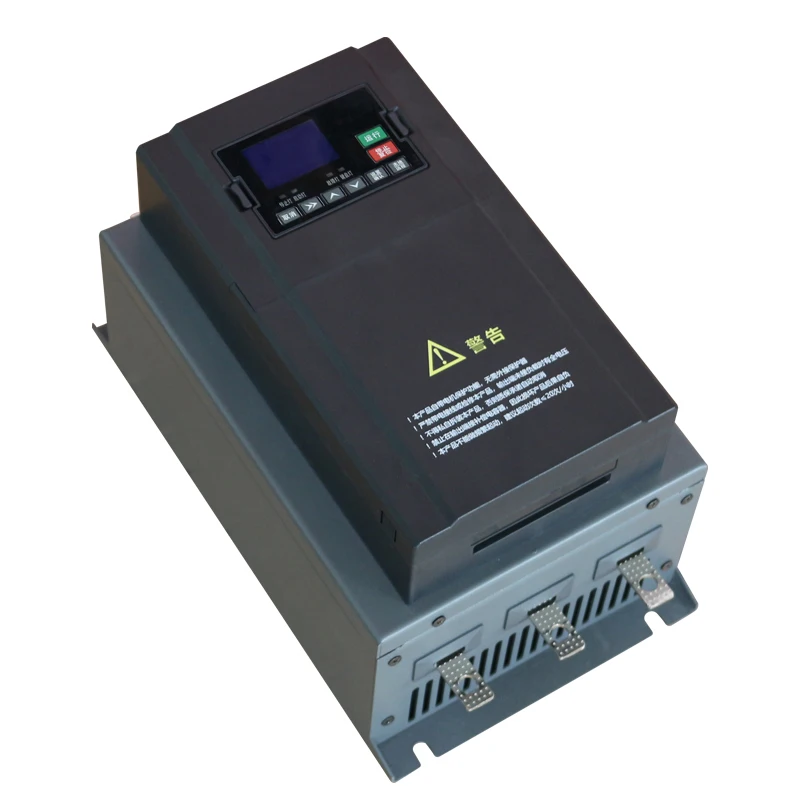
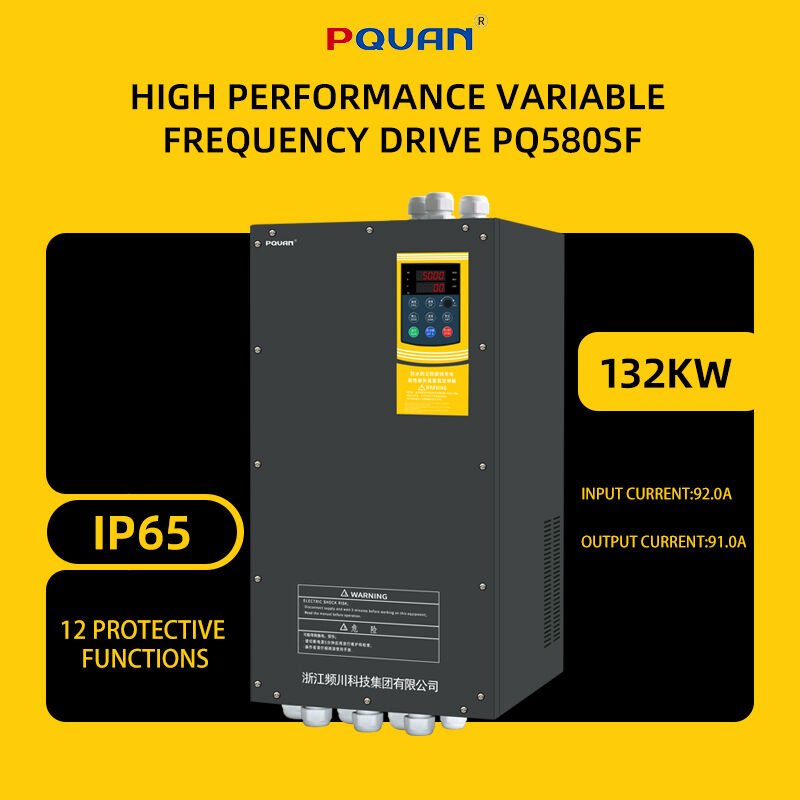
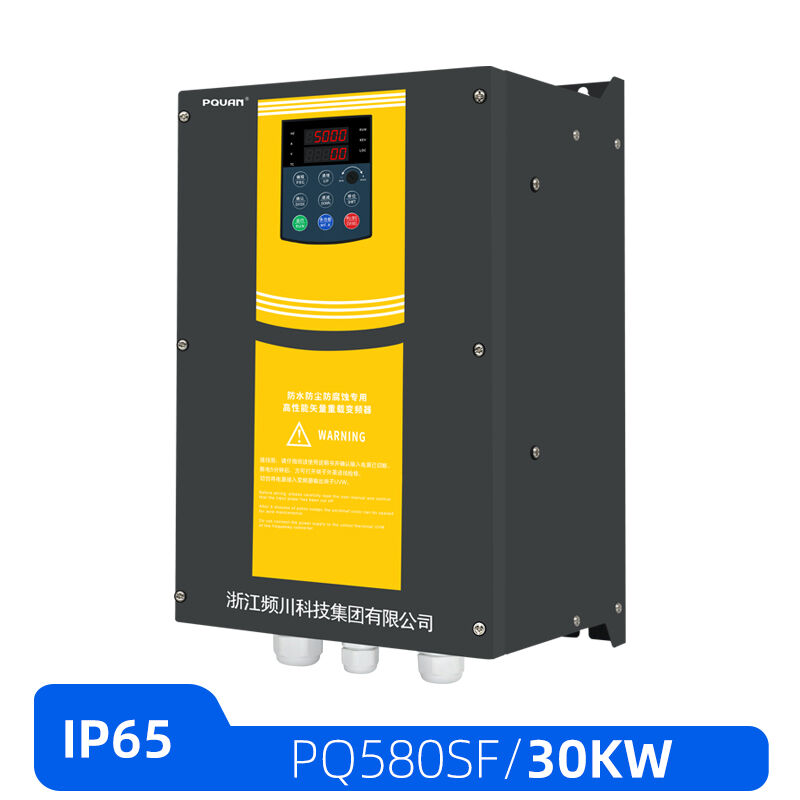
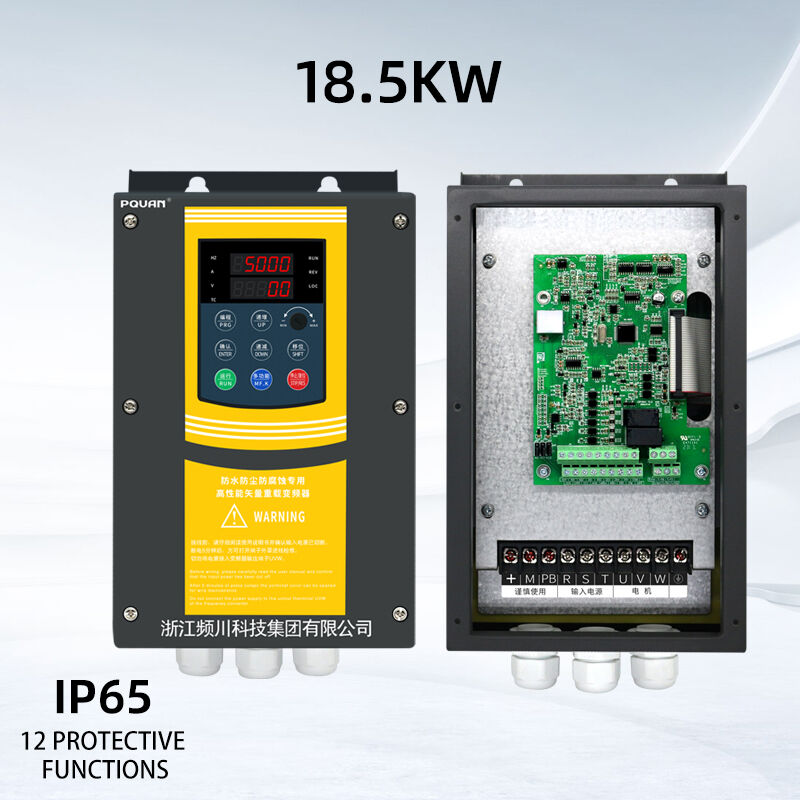
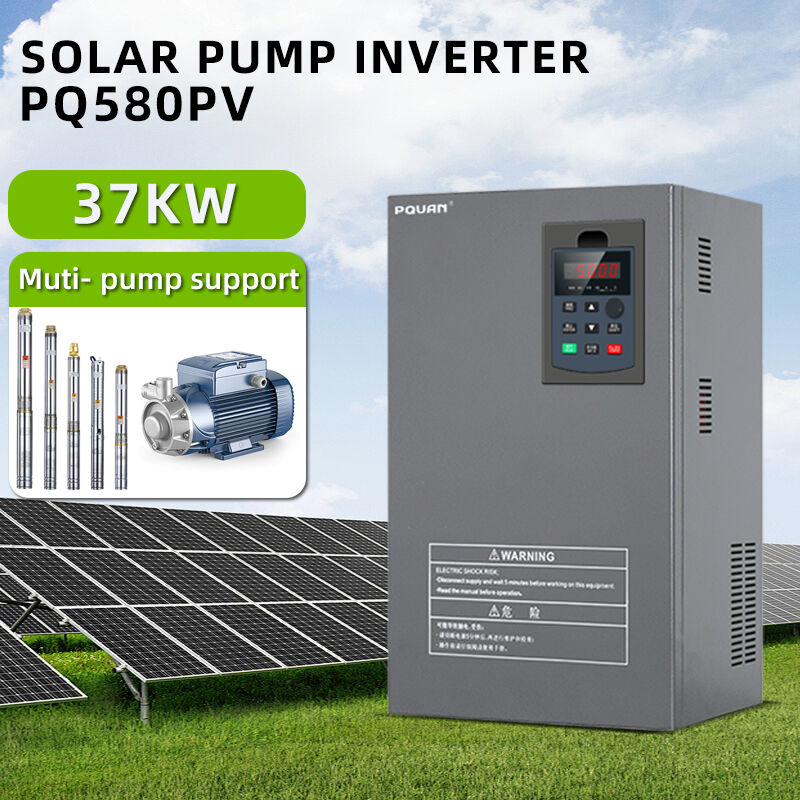
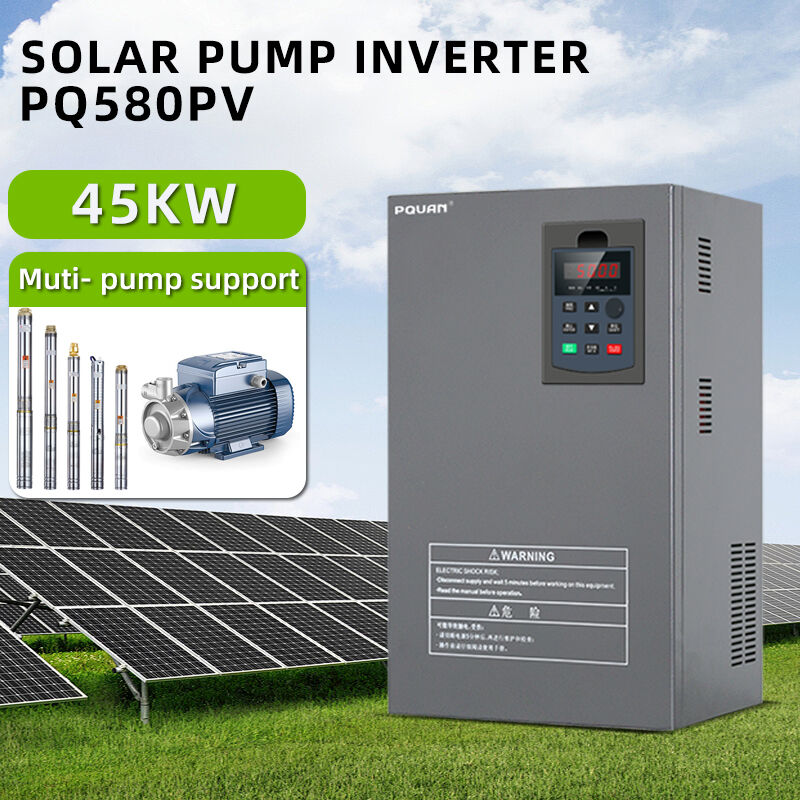
Variable Frequency Drives (VFDs) for wastewater treatment represent a revolutionary advancement in industrial process control, offering unprecedented efficiency and precision in managing water treatment operations. These sophisticated electronic devices control the speed and torque of electric motors by varying the frequency and voltage supplied to them, making them indispensable components in modern wastewater treatment facilities. The VFD for wastewater treatment systems primarily functions as an intelligent motor controller that adjusts pump speeds, blower operations, and various mechanical processes based on real-time demand and operational requirements. The main functions of VFDs in wastewater treatment encompass pump speed regulation, energy consumption optimization, process automation, and equipment protection. These devices continuously monitor system parameters such as flow rates, pressure levels, and chemical concentrations, automatically adjusting motor speeds to maintain op
Get A Quote

Popular products

The VFD for wastewater treatment delivers substantial energy savings that directly impact operational costs and environmental sustainability. These intelligent systems reduce electricity consumption by up to 50% compared to traditional fixed-speed motor operations, translating into significant annual savings for treatment facilities. The energy efficiency stems from the VFD's ability to match motor speed precisely to actual process demands, eliminating the waste associated with constant full-speed operations. When treatment loads decrease during off-peak hours, the VFD automatically reduces motor speeds, consuming only the energy required for current operations. This dynamic adjustment capability ensures optimal energy utilization throughout varying operational conditions. Maintenance costs decrease dramatically with VFD implementation, as these systems provide soft-start capabilities that eliminate mechanical stress on motors, pumps, and associated equipment. Traditional across-the-line motor starting creates sudden mechanical shocks and electrical surges that accelerate wear and tear, leading to premature equipment failure and costly repairs. VFDs gradually ramp up motor speeds, protecting mechanical components and extending their operational lifespan significantly. Process control accuracy improves substantially with VFD integration, enabling operators to maintain precise flow rates, pressure levels, and treatment parameters essential for consistent effluent quality. This enhanced control capability ensures regulatory compliance while optimizing chemical usage and treatment efficiency. The VFD for wastewater treatment systems provides real-time monitoring and diagnostic capabilities, allowing operators to identify potential issues before they escalate into costly failures. Advanced diagnostic features track motor performance, electrical parameters, and system efficiency, generating detailed reports that support predictive maintenance strategies. Remote monitoring capabilities enable off-site supervision and control, reducing staffing requirements and improving response times to operational changes. Installation flexibility represents another significant advantage, as VFDs can be retrofitted to existing motor systems without extensive infrastructure modifications. This adaptability allows facilities to upgrade their operations incrementally, spreading investment costs over time while immediately realizing efficiency benefits. The systems integrate seamlessly with existing SCADA and automation platforms, enhancing overall facility management capabilities without requiring complete system overhauls.

Related Blog

What Size Automatic Voltage Regulator Do You Need for Your Equipment?

12

Mar

What Size Automatic Voltage Regulator Do You Need for Your Equipment?

Selecting the right size automatic voltage regulator for your equipment is a critical decision that directly impacts operational efficiency, equipment longevity, and power quality in industrial settings. The wrong size can lead to inadequate voltage ...
View More
Voltage Regulator Types: Which One Is Right for Your Application?

17

Mar

Voltage Regulator Types: Which One Is Right for Your Application?

Selecting the appropriate voltage regulator for your specific application requires careful consideration of multiple technical and operational factors. Different voltage regulator types offer distinct advantages and limitations that directly impact s...
View More
How to Choose the Right Variable Frequency Drive for Your Motor

19

Mar

How to Choose the Right Variable Frequency Drive for Your Motor

Selecting the appropriate variable frequency drive for your motor system is a critical decision that directly impacts operational efficiency, energy consumption, and long-term equipment reliability. The wrong choice can lead to poor motor performance...
View More
Variable Frequency Drive Installation: Key Steps and Best Practices

20

Mar

Variable Frequency Drive Installation: Key Steps and Best Practices

Installing a variable frequency drive requires careful planning, technical expertise, and adherence to industry best practices to ensure optimal performance and safety. A variable frequency drive serves as a critical component in motor control system...
View More

Get a Free Quote

Our representative will contact you soon.
Email
Name
Company Name
Message
0/1000

Related keywords

Advanced Energy Optimization Technology

Advanced Energy Optimization Technology

The VFD for wastewater treatment incorporates cutting-edge energy optimization technology that revolutionizes how treatment facilities manage power consumption and operational costs. This sophisticated system employs intelligent algorithms and real-time data analysis to continuously monitor and adjust motor operations based on actual process demands, eliminating energy waste associated with traditional fixed-speed operations. The technology utilizes advanced power electronics and microprocessor-based control systems that analyze multiple parameters simultaneously, including flow rates, pressure differentials, chemical concentrations, and treatment load variations. By processing this comprehensive data in real-time, the VFD automatically optimizes motor speeds to match precise operational requirements, ensuring maximum energy efficiency throughout all treatment phases. The energy optimization technology features predictive capabilities that anticipate system demands based on historical
Comprehensive Process Control and Automation

Comprehensive Process Control and Automation

The VFD for wastewater treatment delivers comprehensive process control and automation capabilities that transform traditional manual operations into intelligent, self-regulating systems. This advanced control technology integrates multiple sensor inputs, process feedback loops, and automated response mechanisms to maintain optimal treatment conditions across all operational phases. The system continuously monitors critical parameters including influent flow rates, dissolved oxygen levels, pH values, turbidity measurements, and chemical concentrations, automatically adjusting motor speeds and process variables to maintain target specifications. The comprehensive automation features include programmable logic controller (PLC) integration that enables complex operational sequences and conditional responses based on real-time system conditions. This integration allows the VFD to coordinate multiple treatment processes simultaneously, ensuring proper sequencing and timing of operations whi
vfd for wastewater treatment | ZHEJIANG PQUAN Technology Co.Ltd.  - ZHEJIANG PQUAN Technology Co.Ltd.

Get a Free Quote

Our representative will contact you soon.
Email
Name
Company Name
Message
0/1000