 EN
EN
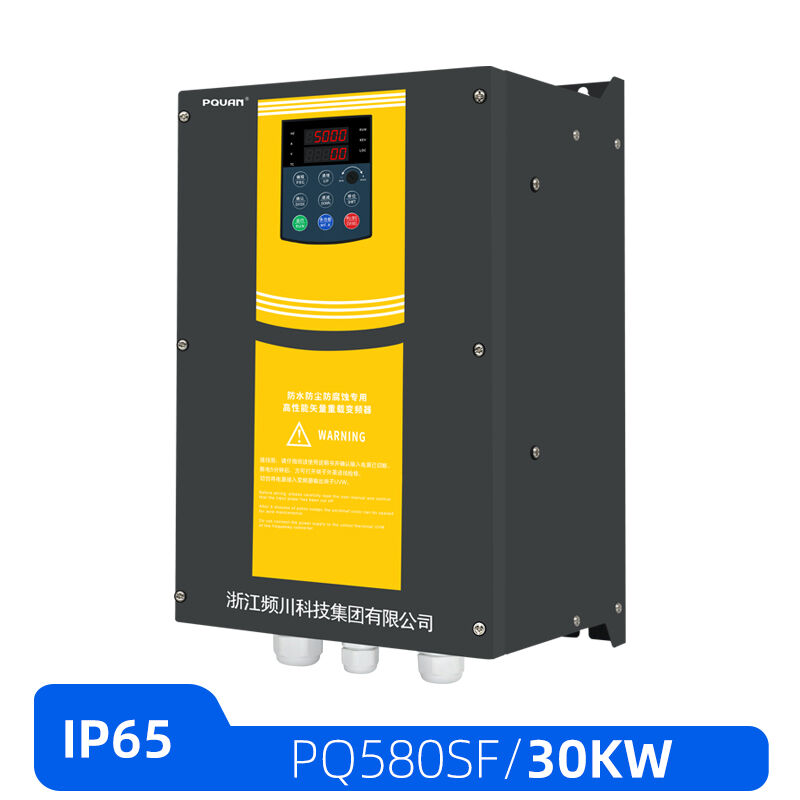
In modern industrial automation, optimizing energy efficiency and maintaining precise control over motor speeds are critical for operational success. An AC Drive (Alternating Current Drive), also commonly known as a Variable Frequency Drive (VFD), plays a pivotal role in regulating the speed and torque of electric motors. However, selecting the ideal drive for your specific application requires a deep understanding of your operational demands, load characteristics, and environmental conditions.
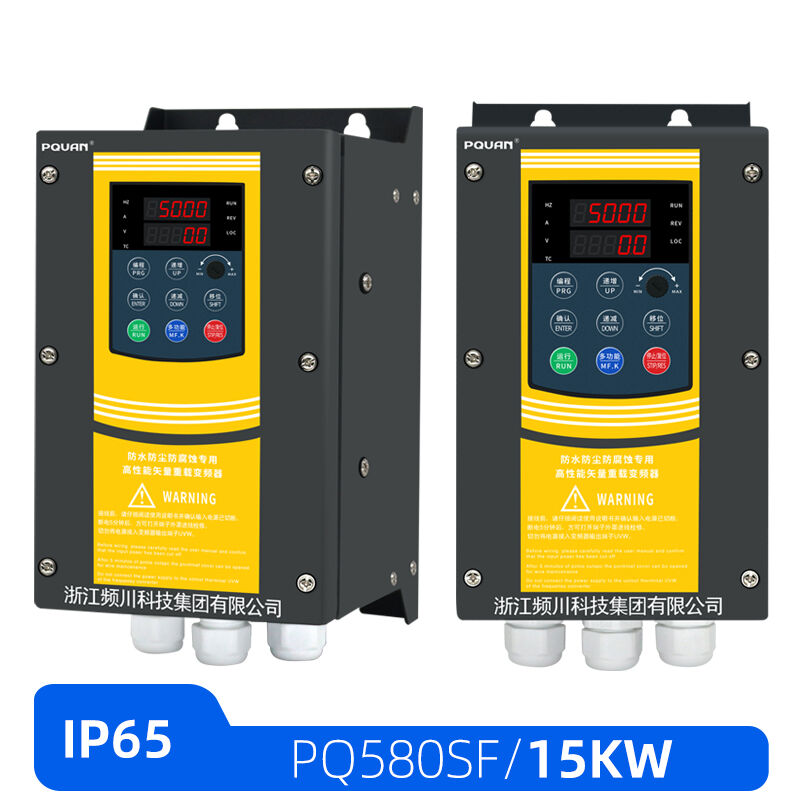
Choosing the wrong equipment can lead to premature motor failure, unnecessary energy waste, or costly production downtime. This comprehensive guide will walk you through the essential factors to consider so you can confidently invest in the right technology for your plant.
Understand Your Load Characteristics and Application Type
Before diving into technical specifications, you must analyze the nature of the load your motor handles. Industrial applications generally fall into two primary categories, and selecting an AC Drive that matches these specific dynamics is crucial for system longevity.
Variable Torque Applications
Variable torque loads are typical in centrifugal pumps, fans, and blowers. In these applications, the torque required increases with the square of the speed. Implementing an AC Drive in these scenarios yields the highest energy savings because a small reduction in speed results in a drastic drop in power consumption. When sourcing a drive for these needs, look for units explicitly rated for normal duty or variable torque.
Constant Torque Applications
Constant torque loads require the same amount of torque regardless of the operational speed. Common examples include conveyors, mixers, extruders, and positive displacement pumps. These applications demand high starting torque and robust overload capabilities to handle sudden changes in resistance. For these environments, you must select a heavy-duty drive engineered to deliver consistent performance under continuous stress.
Key Electrical Specifications to Match
An oversight in electrical compatibility can result in catastrophic equipment failure or poor system performance. You must accurately match the drive’s output capabilities with your motor’s nameplate data.
Voltage and Phase Compatibility
Ensure the incoming power supply matches the drive’s input rating, whether it is single-phase or three-phase power. More importantly, the output voltage of the drive must perfectly align with the operational voltage of your industrial motor.
Amperage Over Horsepower
A common mistake is sizing a drive based solely on the motor’s horsepower (HP) or kilowatt (kW) rating. Instead, always size the equipment based on the Full Load Amps (FLA) listed on the motor nameplate. The drive’s continuous current rating must meet or exceed the motor's FLA, especially when operating under heavy-duty cycles or in high-temperature environments.
Environmental and Enclosure Standards
The physical environment where your automation equipment operates dictates the type of protective enclosure your hardware requires. Dust, moisture, and extreme temperatures can degrade electronic components rapidly.
The National Electrical Manufacturers Association (NEMA) and Ingress Protection (IP) ratings define the level of environmental protection an enclosure provides. Selecting the correct rating ensures your internal electronics remain safe from external contaminants.
| Enclosure Rating | Ideal Industrial Environment | Protection Level |
| IP20 / NEMA 1 | Clean, dry control rooms or standard electrical cabinets. | Protects against accidental finger contact; no moisture protection. |
| IP54 / NEMA 12 | General factory floors with moderate dust and light splashing. | Dust-protected and resistant to splashing water from any direction. |
| IP66 / NEMA 4X | Washdown areas, food processing plants, and outdoor sites. | Dust-tight, protected against powerful water jets, and corrosion-resistant. |
Control Modes and Integration Capabilities
The level of precision your process demands will dictate the control method required from your power electronics. Modern drives offer various levels of sophistication to manage motor behavior.
V/Hz vs. Vector Control
Scalar control (Volts-per-Hertz) is highly suitable for simple applications like fans and pumps where precise speed regulation at low RPMs is not critical. For high-performance applications requiring exact speed holds, dynamic response, and full torque at zero speed—such as cranes or winders—you will need a drive utilizing advanced Sensorless Vector Control or Closed-Loop Flux Vector Control.
Communication Protocols and I/O
To achieve true industrial automation, your drive must seamlessly communicate with your existing Programmable Logic Controllers (PLCs) and Human-Machine Interfaces (HMIs). Verify that the drive supports your facility's standard communication protocols, whether that is Modbus, EtherNet/IP, Profibus, or PROFINET. Additionally, ensure the unit has sufficient digital and analog Inputs/Outputs (I/O) to handle your local control switches, sensors, and feedback loops.
Harmonics and Power Quality Management
AC Drives introduce non-linear loads into your electrical system, which can generate harmonic distortion. These harmonics can overheat transformers, trip circuit breakers, and interfere with nearby sensitive electronic equipment.
When deploying high-power units, consider integrated mitigation features. Many premium drives come equipped with built-in DC links or AC line reactors to smooth out current waveforms. If your facility must comply with strict power quality guidelines like IEEE 519, you may need to invest in external harmonic filters or opt for an Advanced Active Front End (AFE) drive design to minimize electrical noise.
Frequently Asked Questions
Can I use one AC Drive to control multiple motors simultaneously?
Yes, it is possible to control multiple motors with a single drive, provided the application involves variable torque loads like multiple exhaust fans or parallel pumps operating at the same speed. However, the drive must be sized based on the total combined Full Load Amps of all connected motors. Additionally, each individual motor must have its own independent thermal overload protection to prevent localized overheating.
What is the difference between normal duty and heavy duty ratings?
Normal duty ratings are designed for variable torque applications (like fans and pumps) where overload demands are low, typically allowing for 110% overload for one minute. Heavy duty ratings are built for constant torque applications (like conveyors and mixers) that require robust starting torque, typically supporting 150% to 200% overload for one minute to handle sudden mechanical spikes.
How does cable length affect the performance of an AC Drive installation?
Long cable runs between the drive and the motor can create reflected wave phenomena, leading to high-voltage spikes at the motor terminals. This effect can degrade motor insulation over time. If your installation requires cable lengths exceeding 50 meters (approximately 160 feet), it is highly recommended to install a dV/dt filter or an output reactor at the drive's output terminals to protect the motor.