VFD Motor Speed Control Solutions: Energy-Efficient Variable Frequency Drive Systems for Industrial Applications

All Categories
Get a Quote
%}

Get a Free Quote

Our representative will contact you soon.
Email
Name
Company Name
Message
0/1000

vfd motor speed control

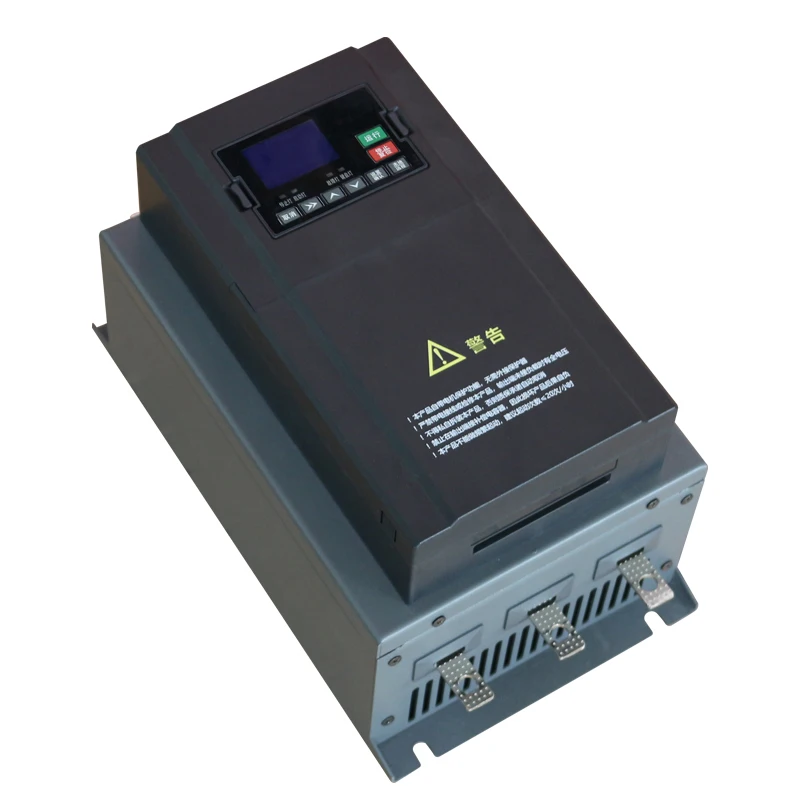
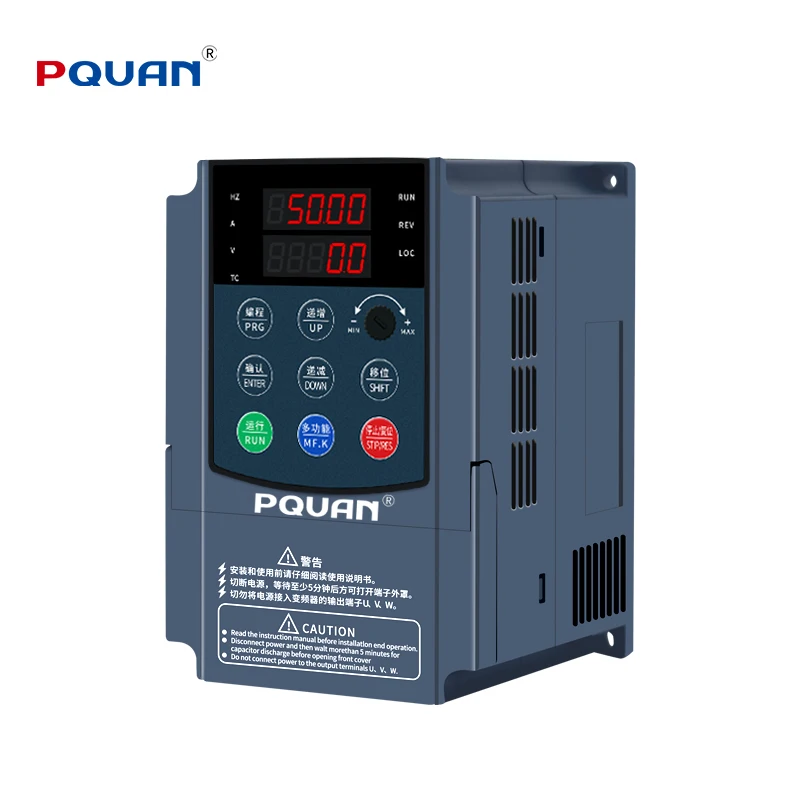
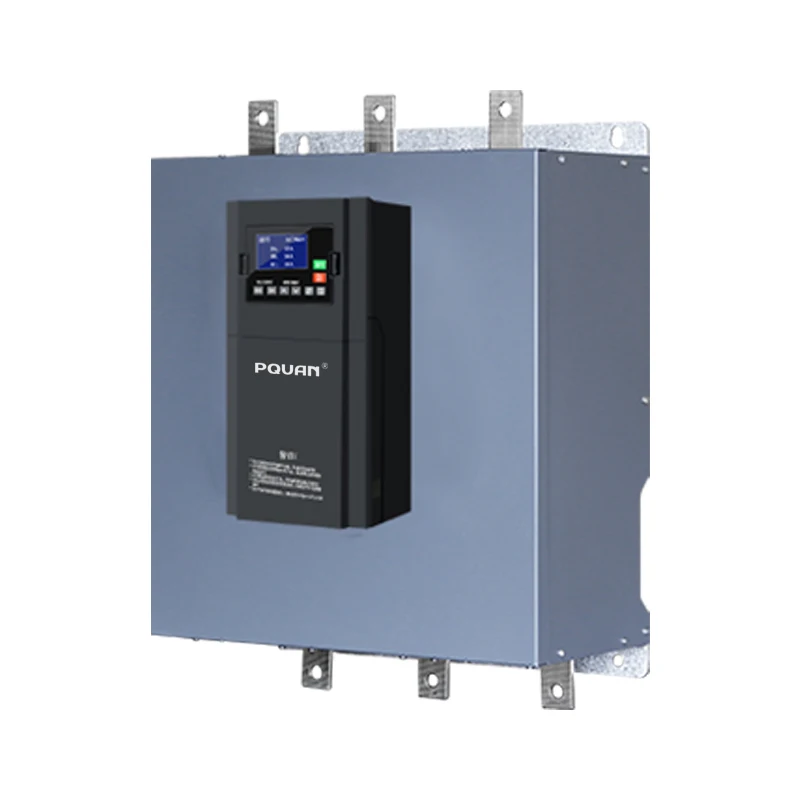
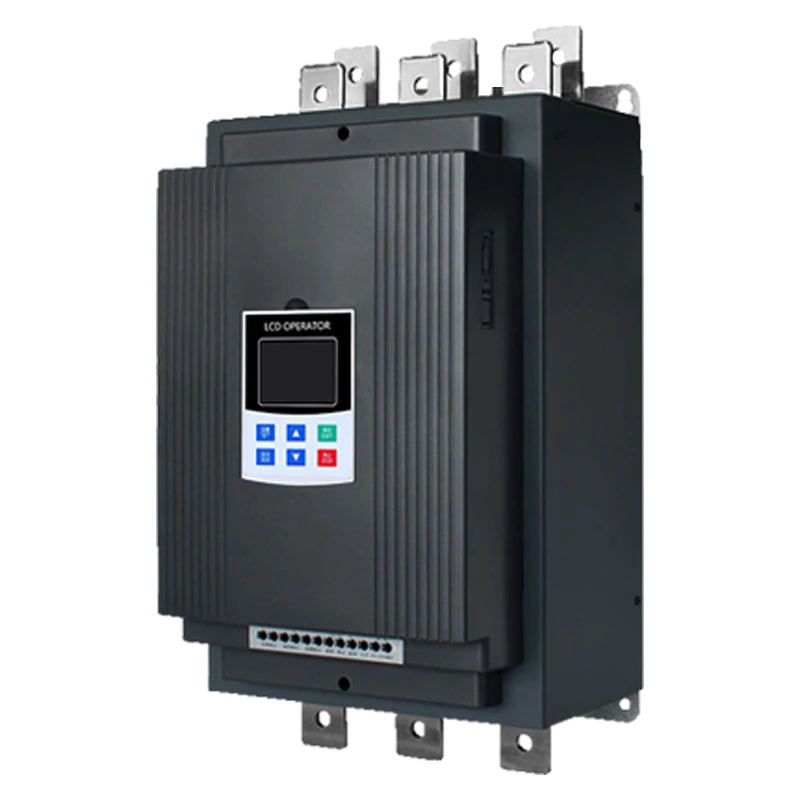
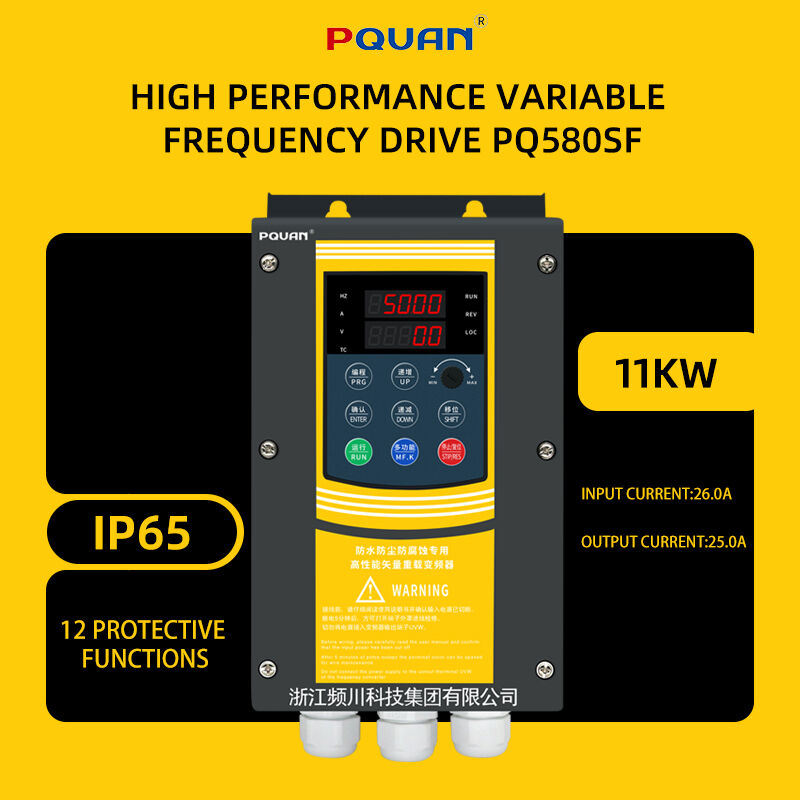
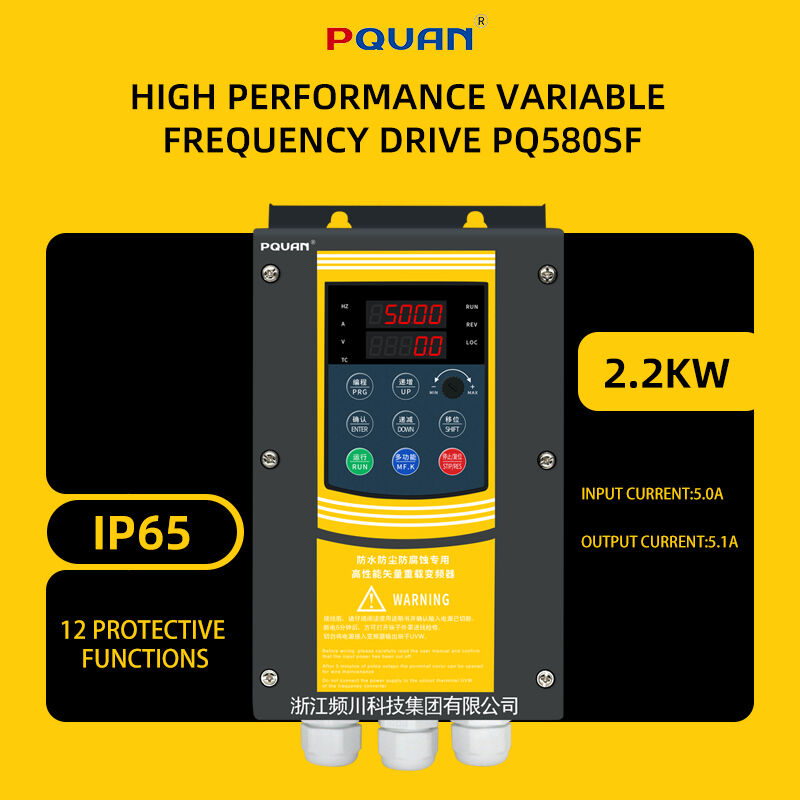
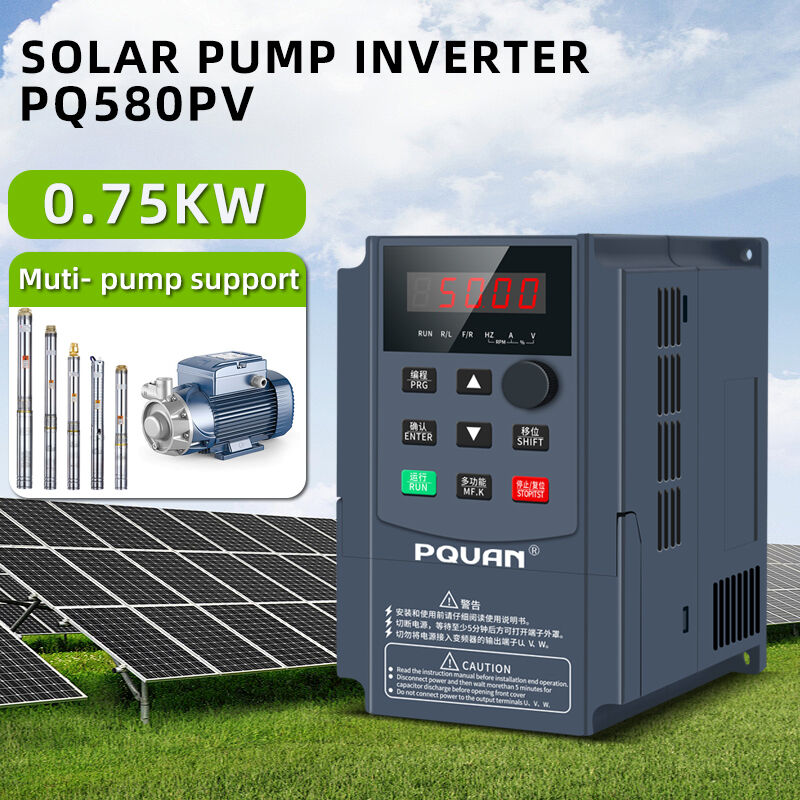
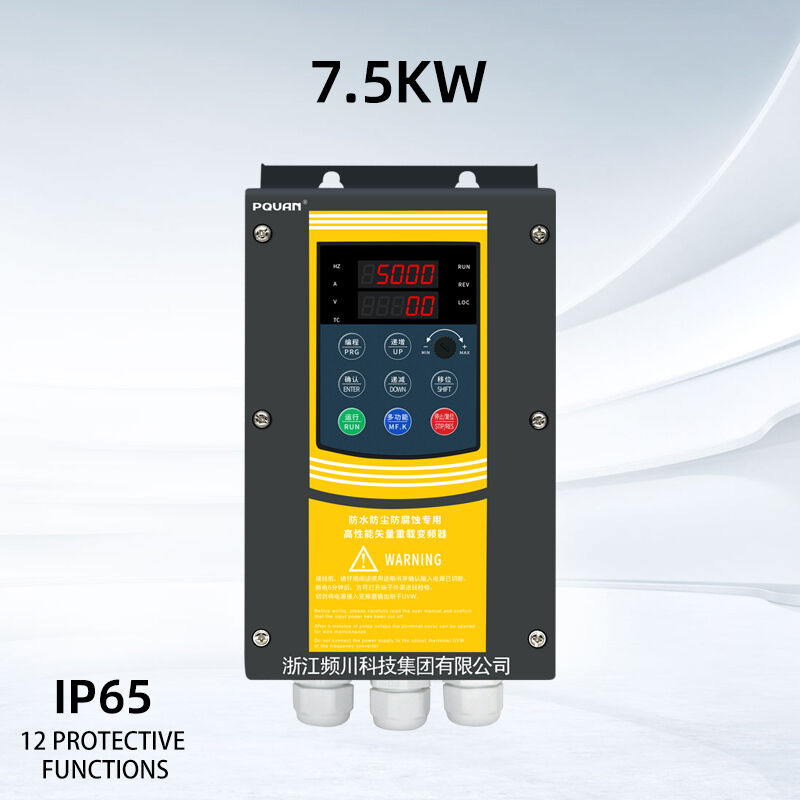
Variable Frequency Drive (VFD) motor speed control represents a revolutionary approach to managing electric motor performance across diverse industrial and commercial applications. This sophisticated technology enables precise control of motor speed and torque by adjusting the frequency and voltage supplied to AC motors, fundamentally transforming how businesses optimize their operational efficiency. The vfd motor speed control system operates through advanced power electronics that convert fixed-frequency AC power into variable-frequency output, allowing operators to match motor performance exactly to process requirements. At its core, the vfd motor speed control utilizes pulse-width modulation techniques to create smooth, stepless speed regulation from zero to maximum rated speed. The system incorporates intelligent microprocessor-based controls that continuously monitor motor parameters including current, voltage, temperature, and load conditions. Modern vfd motor speed control units feature built-in protection mechanisms such as overcurrent protection, overvoltage safeguards, thermal monitoring, and short-circuit prevention. These technological features ensure reliable operation while extending motor lifespan significantly. The applications for vfd motor speed control span numerous industries including manufacturing, HVAC systems, water treatment facilities, conveyor systems, pumping stations, and material handling equipment. In manufacturing environments, vfd motor speed control enables precise process control for applications requiring variable speeds such as mixers, extruders, and production line equipment. HVAC applications benefit from vfd motor speed control through energy-efficient fan and pump operation that automatically adjusts to building demand. Water treatment plants utilize vfd motor speed control for optimal pump performance, reducing energy consumption while maintaining consistent pressure and flow rates. The versatility of vfd motor speed control extends to elevator systems, escalators, and automated material handling where smooth acceleration and deceleration are critical for safety and comfort.

New Product Recommendations

The implementation of vfd motor speed control delivers substantial benefits that directly impact operational costs, equipment longevity, and overall system performance. Energy savings represent the most significant advantage, with vfd motor speed control typically reducing energy consumption by 20-50% compared to traditional motor control methods. This occurs because the system eliminates the need for throttling valves, dampers, or mechanical speed reduction devices that waste energy. Instead, vfd motor speed control precisely matches motor output to actual load requirements, preventing energy waste during low-demand periods. Maintenance costs decrease dramatically when using vfd motor speed control due to reduced mechanical stress on motors and connected equipment. The soft-start capability eliminates the harsh mechanical shock associated with direct-on-line starting, reducing wear on bearings, couplings, and driven equipment. Process control improvements become immediately apparent with vfd motor speed control implementation. Operators gain the ability to fine-tune motor speeds to optimize production quality, reduce material waste, and maintain consistent output. This precision control translates into higher product quality and reduced rejection rates. Equipment protection features built into vfd motor speed control systems prevent costly damage from overload conditions, power quality issues, and environmental factors. The diagnostic capabilities of modern vfd motor speed control units provide real-time monitoring and predictive maintenance alerts, allowing maintenance teams to address potential issues before they cause equipment failures. Installation flexibility represents another key advantage, as vfd motor speed control can often retrofit existing motor installations without major modifications. The compact design of contemporary units simplifies panel integration while advanced communication protocols enable seamless integration with existing automation systems. Noise reduction benefits occur naturally with vfd motor speed control, as motors operate at optimal speeds rather than being mechanically restricted. This creates quieter work environments and reduces noise-related compliance issues. The return on investment for vfd motor speed control typically occurs within 12-24 months through combined energy savings, reduced maintenance costs, and improved process efficiency.

Latest News

Pakistani Customers Visit PQUAN for Inspection and Exchange

09

Feb

Pakistani Customers Visit PQUAN for Inspection and Exchange

View More
How to Choose Voltage Regulator Power: A Concise Guide for Industrial & Commercial Users

23

Jan

How to Choose Voltage Regulator Power: A Concise Guide for Industrial & Commercial Users

View More
A Complete Guide to Selecting the Right Variable Frequency Drive (VFD) Model

03

Mar

A Complete Guide to Selecting the Right Variable Frequency Drive (VFD) Model

View More

Get a Free Quote

Our representative will contact you soon.
Email
Name
Company Name
Message
0/1000

vfd motor speed control

Advanced Energy Efficiency and Cost Reduction

Advanced Energy Efficiency and Cost Reduction

The primary distinguishing feature of vfd motor speed control lies in its exceptional ability to deliver substantial energy savings while simultaneously reducing operational costs across multiple dimensions. Unlike conventional motor control systems that operate at fixed speeds regardless of actual demand, vfd motor speed control dynamically adjusts motor performance to match real-time requirements with remarkable precision. This intelligent approach eliminates the significant energy waste associated with traditional control methods such as throttling valves, inlet guide vanes, and bypass systems that artificially restrict flow or pressure. When implementing vfd motor speed control in pumping applications, for instance, the system automatically reduces motor speed during periods of lower demand rather than forcing the pump to operate at full speed with flow restriction. This fundamental difference results in energy consumption that follows the cube law relationship, meaning a 20% reduction in speed can yield approximately 50% energy savings. The economic impact extends beyond immediate energy cost reductions, as vfd motor speed control significantly improves power factor and reduces peak demand charges that can represent substantial portions of monthly electricity bills. Manufacturing facilities utilizing vfd motor speed control report annual energy savings ranging from $10,000 to $100,000 per motor depending on application size and operating patterns. The technology also qualifies for various utility rebate programs and tax incentives designed to promote energy-efficient equipment adoption. Additionally, vfd motor speed control reduces the need for oversized electrical infrastructure since motor starting currents are limited to approximately 150% of full-load current compared to 600-800% with direct-on-line starting. This infrastructure optimization translates into lower electrical panel requirements, reduced cable sizes, and decreased transformer capacity needs, providing significant capital cost savings during initial installation and future expansion projects.
Comprehensive Equipment Protection and Reliability Enhancement

Comprehensive Equipment Protection and Reliability Enhancement

Modern vfd motor speed control systems incorporate sophisticated protection mechanisms that surpass traditional motor starters in safeguarding valuable equipment investments while ensuring consistent operational reliability. The comprehensive protection suite built into vfd motor speed control units continuously monitors critical parameters including motor current, voltage levels, operating temperature, insulation resistance, and load characteristics. This real-time surveillance enables immediate response to potentially damaging conditions before they can cause equipment failure or safety hazards. The soft-start capability inherent in vfd motor speed control eliminates the mechanical shock and electrical stress associated with across-the-line motor starting, which can reduce motor bearing life by up to 50% in demanding applications. By gradually accelerating motors to operating speed, vfd motor speed control minimizes inrush currents, reduces mechanical stress on couplings and driven equipment, and prevents water hammer in pumping systems. Thermal protection algorithms within vfd motor speed control continuously calculate motor temperature based on current levels and ambient conditions, providing more accurate protection than simple overload relays. This advanced thermal modeling prevents motor damage while avoiding nuisance trips that interrupt production. Voltage monitoring capabilities detect power quality issues such as phase imbalances, voltage sags, and harmonic distortion that can damage motor windings over time. The diagnostic features of vfd motor speed control provide maintenance teams with unprecedented visibility into motor and system health through detailed fault logs, performance trending, and predictive maintenance alerts. These capabilities enable condition-based maintenance strategies that prevent unexpected failures while optimizing maintenance schedules. Ground fault protection, short-circuit detection, and overcurrent safeguards work together to protect both the motor and vfd motor speed control unit from electrical faults. The result is significantly improved equipment reliability, reduced unplanned downtime, and extended equipment service life that often doubles the normal motor replacement interval.
Precise Process Control and Operational Flexibility

Precise Process Control and Operational Flexibility

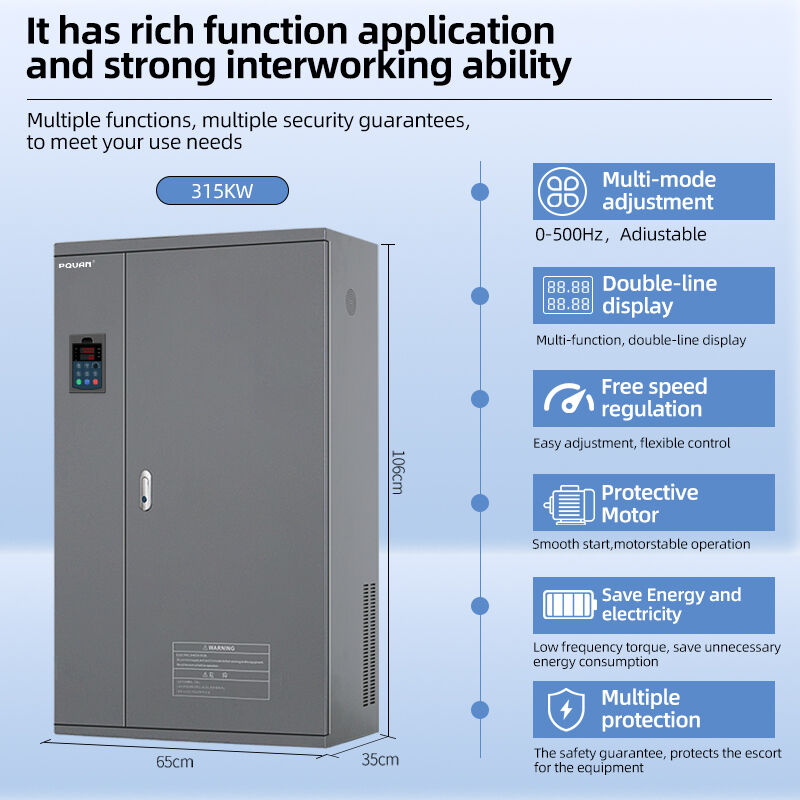
The exceptional process control capabilities of vfd motor speed control technology enable unprecedented precision in industrial applications while providing operational flexibility that adapts to changing production requirements and environmental conditions. Unlike fixed-speed motor systems that force processes to accommodate rigid operational parameters, vfd motor speed control allows precise matching of motor performance to specific process needs through infinitely variable speed adjustment. This granular control capability proves particularly valuable in applications requiring precise flow rates, pressure control, temperature regulation, or material handling speeds where product quality directly correlates with operational precision. In chemical processing applications, vfd motor speed control enables operators to maintain exact mixing speeds that optimize reaction rates and product consistency while preventing over-mixing that can degrade final product quality. The closed-loop control capability allows vfd motor speed control systems to automatically maintain setpoints despite variations in load conditions, raw material properties, or environmental factors. Advanced control algorithms including PID control, torque control, and positioning control expand the versatility of vfd motor speed control beyond simple speed regulation. Multi-step speed programming enables automated sequence control for complex processes, while analog and digital input capabilities allow integration with sensors, programmable controllers, and supervisory systems. The communication protocols supported by modern vfd motor speed control units facilitate seamless integration with plant-wide automation systems, enabling centralized monitoring and control while supporting Industry 4.0 initiatives. Remote monitoring capabilities allow operators to adjust parameters, diagnose issues, and optimize performance from central control rooms or even off-site locations. This connectivity enables predictive analytics and machine learning applications that continuously improve process efficiency. The ramping and acceleration controls within vfd motor speed control systems prevent sudden speed changes that could disrupt sensitive processes or damage fragile materials. Customizable acceleration and deceleration profiles ensure smooth transitions while maintaining process stability. Emergency stop functions and fail-safe operating modes provide additional safety margins while maintaining process integrity during unexpected events.
VFD Motor Speed Control Solutions: Energy-Efficient Variable Frequency Drive Systems for Industrial Applications

Get a Free Quote

Our representative will contact you soon.
Email
Name
Company Name
Message
0/1000