Enhanced Equipment Protection and Extended Asset Lifespan
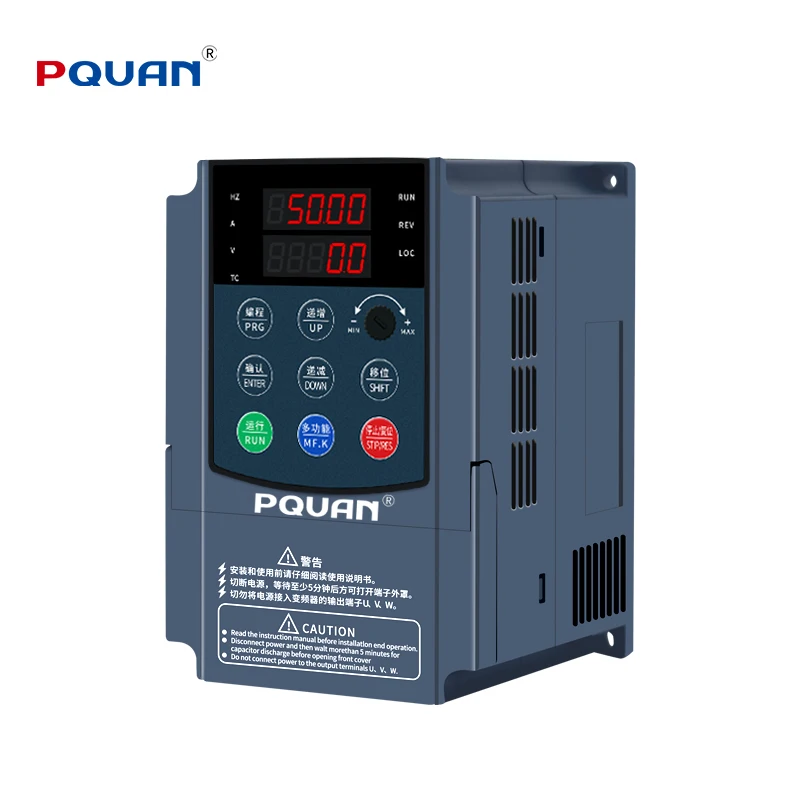
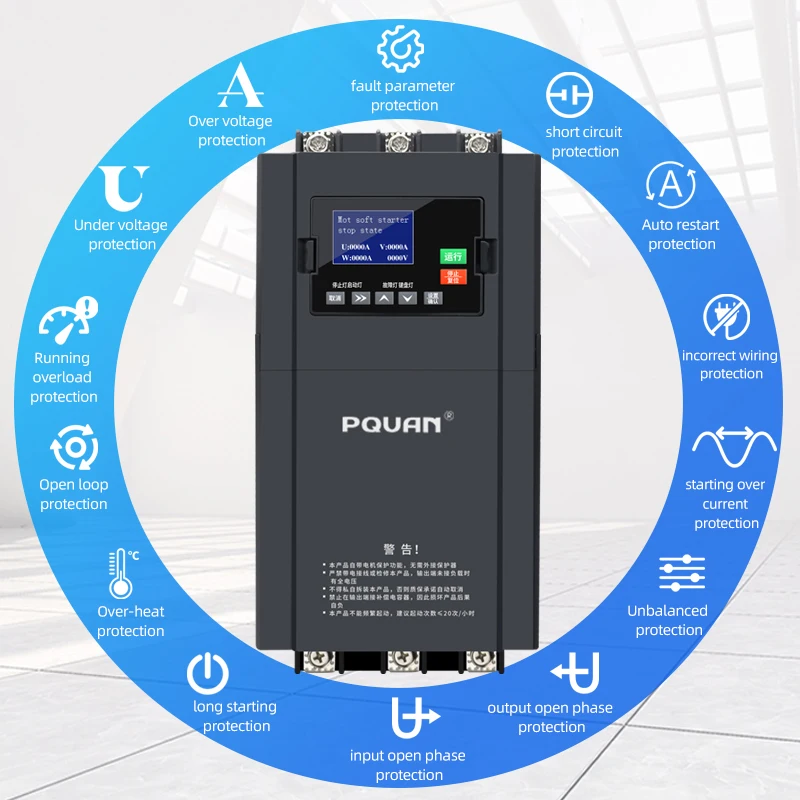
An industrial variable frequency drive functions as a comprehensive protection system that safeguards valuable motor assets and connected mechanical equipment from numerous failure modes and stress conditions. The controlled acceleration provided by these drives eliminates the destructive starting transients that plague conventional motor systems. During direct-on-line starting, motors experience extreme current inrush that can reach seven to eight times rated current, generating intense magnetic forces and thermal stress that gradually degrade winding insulation and mechanical components. The industrial variable frequency drive limits starting current to approximately one hundred fifty percent of rated current while smoothly ramping speed over an adjustable time period, dramatically reducing both electrical and mechanical stress. This gentle starting extends motor bearing life substantially, as bearings experience less shock loading and operate within designed lubrication parameters from the moment rotation begins. Belt-driven systems particularly benefit from soft starting, as traditional starts often cause belt slippage, excessive wear, and premature failure. The drives also eliminate water hammer in piping systems, preventing pressure surges that can damage valves, gauges, and pipe joints. Beyond starting protection, an industrial variable frequency drive continuously monitors dozens of operational parameters, including motor current, voltage, temperature, and ground fault conditions. When parameters exceed safe thresholds, the drive initiates protective actions ranging from warnings and current limiting to complete shutdown, preventing catastrophic failures that could destroy motors and damage production equipment. Overload protection responds faster and more accurately than traditional thermal overload devices, as the drive tracks actual motor heating based on comprehensive thermal models rather than simple bimetallic strip deflection. Ground fault detection identifies insulation failures before they progress to destructive phase-to-ground faults. Sophisticated drives provide programmable fault responses, allowing maintenance teams to configure appropriate actions for different fault types. Critical processes might continue operating at reduced capacity during minor faults, while serious conditions trigger immediate shutdown and alarm notifications. The maintenance advantages extend throughout the equipment lifecycle, as the industrial variable frequency drive provides detailed operational data and fault histories that accelerate troubleshooting when problems occur. Predictive maintenance programs leverage drive-collected data to identify developing issues before failures occur, scheduling repairs during planned downtime rather than responding to unexpected breakdowns. This proactive approach maximizes equipment availability while minimizing maintenance costs and production disruptions.
 EN
EN