All Categories
Get a Quote
%}

Get a Free Quote

Our representative will contact you soon.
Email
Name
Company Name
Message
0/1000

VFD Drive Troubleshooting: Common Issues and Quick Fixes

2026-05-13 10:00:00
VFD Drive Troubleshooting: Common Issues and Quick Fixes

Variable frequency drives have become indispensable components in modern industrial operations, controlling motor speed and torque across countless applications. Yet even the most reliable vfd drive can experience performance issues that disrupt production, increase energy costs, and create safety concerns. Understanding how to diagnose and resolve these problems quickly is essential for maintenance teams, facility managers, and operations personnel who depend on continuous motor control systems. This comprehensive troubleshooting guide addresses the most prevalent vfd drive malfunctions and provides actionable solutions that minimize downtime and restore optimal performance.

13.jpg

When a vfd drive fails or operates erratically, the consequences extend beyond immediate equipment malfunction. Production schedules suffer, maintenance costs escalate, and in severe cases, motor damage can occur. The good news is that most vfd drive problems stem from a relatively small set of root causes, and many can be resolved without specialized tools or extensive downtime. By developing a systematic approach to troubleshooting and maintaining a clear understanding of how these drives function under various conditions, operators can quickly identify issues and implement effective corrections that restore normal operation.

Understanding VFD Drive Fault Codes and Error Messages

Decoding Overcurrent and Overload Faults

Overcurrent faults represent one of the most common issues encountered with vfd drive systems, typically manifesting as immediate shutdowns accompanied by specific fault codes. These conditions occur when the drive detects current levels exceeding programmed thresholds, often during motor acceleration, deceleration, or sudden load changes. The underlying causes range from incorrect parameter settings and mechanical binding to insulation breakdown and phase imbalances. When investigating overcurrent faults, begin by examining the load characteristics and verifying that acceleration and deceleration times are appropriately configured for the application. Mechanical issues such as seized bearings, misaligned couplings, or obstructed rotating components can cause the motor to draw excessive current as it struggles against resistance.

Overload faults differ from overcurrent conditions in that they develop over time rather than instantaneously. A vfd drive monitors thermal accumulation within the motor and drive components, triggering protection when heat buildup reaches critical levels. This scenario frequently indicates undersized equipment, inadequate cooling, or ambient temperature conditions exceeding design specifications. Investigate whether the motor nameplate ratings match the drive output capabilities and verify that cooling fans operate correctly. Dust accumulation on heatsinks and blocked ventilation passages significantly reduce cooling efficiency, causing thermal protection to activate even under normal load conditions.

Addressing Overvoltage and Undervoltage Conditions

Voltage-related faults in vfd drive applications arise from both external power supply issues and internal regenerative conditions. Overvoltage faults during deceleration occur when the motor operates as a generator, feeding energy back into the DC bus faster than the drive can dissipate it through internal resistors. This phenomenon is particularly common in high-inertia applications such as centrifuges, conveyors, and elevator systems. Extended deceleration times provide the simplest solution, allowing the drive more time to manage regenerated energy. Dynamic braking resistors offer another effective approach, dissipating excess energy as heat and preventing DC bus voltage from reaching trip levels.

Undervoltage conditions typically stem from incoming power quality issues including voltage sags, brownouts, or inadequate supply capacity. When input voltage drops below acceptable thresholds, the vfd drive cannot maintain proper DC bus voltage levels, compromising output performance and potentially causing unexpected shutdowns. Monitoring input power quality with recording meters helps identify patterns such as utility switching events, starting of large motors on the same circuit, or transformer loading issues. Installing line reactors or isolation transformers can buffer the drive from short-duration voltage disturbances, while addressing upstream electrical infrastructure may be necessary for persistent undervoltage conditions.

Interpreting Ground Fault and Phase Loss Indicators

Ground fault detection protects both personnel and equipment by monitoring for current leakage paths between output phases and ground. Modern vfd drive units incorporate sophisticated ground fault detection algorithms that can identify even small leakage currents indicative of insulation deterioration. When ground faults occur, immediately inspect motor cables for physical damage, moisture intrusion, or insulation breakdown. Cable routing through areas with sharp edges, high temperatures, or chemical exposure accelerates insulation degradation. Motor windings themselves may develop ground faults due to contamination, thermal cycling, or mechanical stress, particularly in harsh industrial environments.

Phase loss faults indicate that one of the three incoming power phases has been lost or that output phase continuity has been interrupted. Input phase loss can result from blown fuses, tripped breakers, loose connections, or utility distribution problems. Output phase loss more commonly indicates cable damage, motor terminal connection issues, or internal drive component failure. Systematic voltage measurements at input terminals, DC bus, and output terminals help isolate whether the phase loss originates from the power supply or within the drive circuitry. Phase imbalance, where voltage or current differs significantly between phases, creates similar symptoms and warrants investigation even when complete phase loss has not occurred.

Resolving Motor Performance and Operation Issues

Correcting Speed Control and Response Problems

When a vfd drive fails to maintain consistent speed or exhibits sluggish response to setpoint changes, the root cause often lies in parameter configuration rather than hardware failure. Speed regulation depends on proper tuning of proportional and integral gain parameters within the drive control algorithm. Insufficient gain results in speed droop under load, where the motor slows as torque demand increases. Excessive gain creates instability, manifesting as speed oscillations or hunting around the setpoint. Modern drives include auto-tuning functions that measure motor parameters and calculate optimal control settings, but these algorithms work best when motor nameplate data is accurately entered and the motor runs under typical load conditions during the tuning process.

Speed feedback accuracy directly impacts control precision in closed-loop vfd drive applications. Encoder mounting problems, damaged encoder cables, or electrical noise pickup can cause erratic speed signals that confuse the drive controller. Shielded encoder cables with proper grounding prevent electromagnetic interference from corrupting position feedback. When speed instability occurs primarily during acceleration or deceleration, examine the rate limit settings that govern how quickly the drive responds to speed command changes. Aggressive rate limits combined with high system inertia create mechanical stress and potential resonance issues, while overly conservative limits reduce productivity by extending transition times unnecessarily.

Eliminating Excessive Noise and Vibration

Acoustic noise and mechanical vibration in vfd drive applications stem from multiple sources including switching frequencies, motor resonance, and mechanical system characteristics. The pulse-width modulation technique used by drives generates high-frequency voltage pulses that can excite audible noise in motor windings and create vibration at specific frequency ranges. Adjusting the carrier frequency—the rate at which the drive switches output transistors—often reduces objectionable noise. Higher carrier frequencies produce quieter operation but increase switching losses and heat generation within the drive. Some applications benefit from random or spread-spectrum carrier frequency modulation that distributes acoustic energy across a broader range, making the noise less perceptible even when overall sound pressure levels remain similar.

Mechanical resonance occurs when vfd drive output frequencies coincide with natural frequencies of the motor-driven system. Fans, pumps, and compressors each have characteristic speeds where structural components vibrate sympathetically with rotational forces. Skip frequency programming allows operators to define speed ranges that the drive avoids during acceleration and deceleration, preventing sustained operation at problematic frequencies. Bearing wear, shaft misalignment, and imbalanced rotating components amplify vibration problems across all operating speeds. Regular vibration analysis using portable analyzers helps identify developing mechanical issues before they cause catastrophic failure, allowing scheduled maintenance rather than emergency repairs.

Troubleshooting Starting and Stopping Difficulties

Failure of a vfd drive to start when commanded indicates either control signal problems or internal protection activation. Verify that enable signals, start commands, and permissive interlocks are present and at correct logic levels. Many drives require multiple conditions to be satisfied simultaneously before initiating operation, including thermal overload reset, fault acknowledgment, and safety circuit continuity. Control wiring problems such as loose terminals, damaged cables, or incompatible signal levels prevent proper communication between the controller and vfd drive. Digital input threshold voltages vary between manufacturers, and mixing control components without considering electrical compatibility can create unreliable operation.

Starting problems accompanied by nuisance tripping suggest that initial acceleration parameters are inappropriate for the load characteristics. High-inertia loads require extended acceleration times and potentially reduced starting torque limits to prevent overcurrent faults during the critical first few seconds of operation. The vfd drive must overcome static friction and accelerate the entire mechanical system to operating speed without exceeding current or torque limits. Applications involving high static friction, such as conveyors carrying material or pumps with mechanical seals, benefit from initial torque boost settings that provide extra starting force. Stopping difficulties often relate to deceleration time settings, coast-to-stop versus ramped deceleration mode selection, and mechanical brake coordination in systems requiring controlled stopping.

Addressing Communication and Control Interface Problems

Resolving Network Communication Failures

Modern vfd drive installations increasingly rely on industrial communication networks for control, monitoring, and integration with broader automation systems. Communication failures manifest as loss of speed control, inability to read drive status, or complete network dropout. Begin troubleshooting by verifying physical layer connections including cable integrity, termination resistors, and network topology compliance. Protocols such as Modbus RTU, Profibus, and EtherNet/IP have specific requirements for cable type, maximum segment length, and termination that must be followed for reliable operation. A single improperly terminated network segment can create signal reflections that corrupt data transmission for all devices on the network.

Network addressing conflicts occur when multiple devices share the same network address or when address settings within the vfd drive do not match the configuration programmed in the master controller. Use network scanning tools to identify all devices present on the network and verify that each has a unique address within the valid range for the protocol in use. Communication speed or baud rate mismatches between the drive and network master prevent successful data exchange even when physical connections are correct. Electrical noise from adjacent power cables, welding equipment, or radio frequency sources can overwhelm network signals, particularly in long cable runs or electrically noisy environments. Separation of communication cables from power wiring and use of shielded twisted-pair cables with proper grounding minimizes noise-related communication problems.

Fixing Analog and Digital Signal Issues

Analog signal control of vfd drive speed through voltage or current inputs provides simple integration but introduces sensitivity to electrical noise and calibration drift. When analog speed control behaves erratically, measure the actual signal at the drive terminals using a precision multimeter and compare it to the expected value from the source device. Significant discrepancies indicate problems in the signal source, wiring, or interference. Ground loops occur when multiple ground references exist in the control circuit, creating circulating currents that appear as noise on analog signals. Breaking ground loops requires careful attention to grounding topology, typically achieved by ensuring that only one ground connection point exists for the analog signal circuit.

Digital input and output signals control discrete functions such as start, stop, direction, and fault indication. Contact closure inputs may fail to function if the vfd drive internal supply voltage that powers these circuits has failed or if wiring resistance exceeds acceptable limits for low-current logic circuits. Transistor or relay output signals from the drive must be compatible with the receiving device in terms of voltage level, current capacity, and switching type. Attempting to switch high-voltage loads directly with transistor outputs or connecting incompatible voltage levels can damage drive output circuits. Isolation relays provide a robust interface between the drive and external control circuits, eliminating compatibility concerns and protecting sensitive drive electronics from external electrical transients.

Diagnosing Display and Keypad Malfunctions

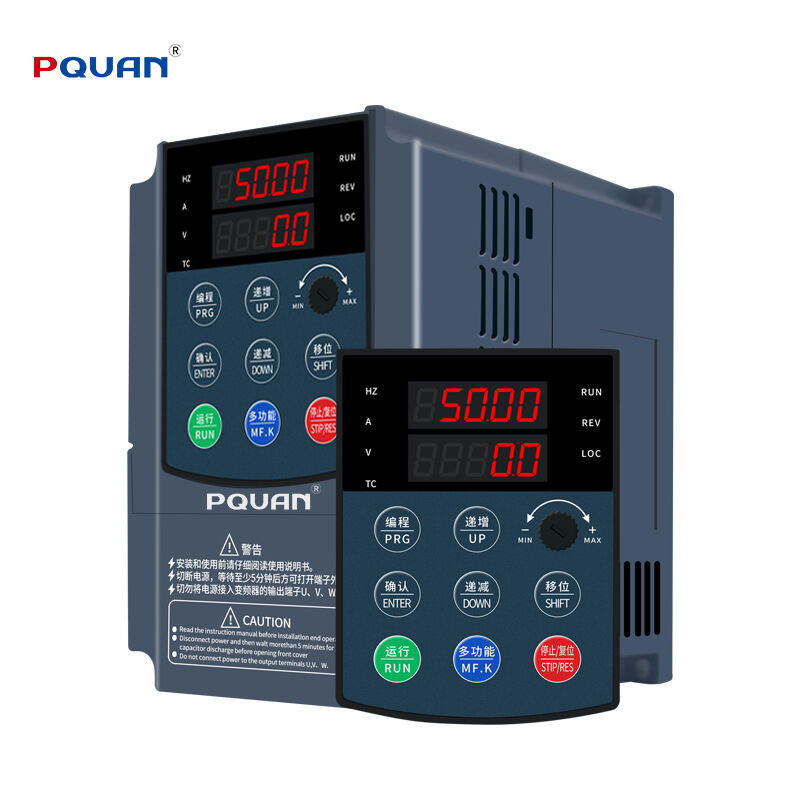
The built-in operator interface on a vfd drive provides essential access for parameter adjustment, monitoring, and fault diagnosis. Display malfunctions ranging from completely blank screens to garbled characters typically indicate power supply problems within the control circuit board or physical damage to the display module. Some drives feature removable operator keypads connected via cables, and poor contact at these connections can create intermittent display operation. Before concluding that internal electronics have failed, verify that the keypad cable is fully seated and that no physical damage to connectors has occurred.

Unresponsive keypads where button presses fail to register may result from membrane switch wear, contamination, or controller lockout features. Many vfd drive models include keypad lockout functions that prevent unauthorized parameter changes, and these can be activated inadvertently. Consult the manufacturer documentation for the specific key sequence required to unlock keypad access. In harsh environments, dust, moisture, or chemical vapors can infiltrate the keypad assembly, causing contact corrosion and switch failure. Regular cleaning and proper drive enclosure selection for the environmental conditions help prevent contamination-related failures. When display and keypad problems occur simultaneously with other drive malfunctions, the issue likely involves main control board failure or power supply problems rather than isolated interface component damage.

Preventive Maintenance Strategies for VFD Drive Reliability

Implementing Regular Inspection Protocols

Systematic visual inspections catch developing problems before they cause unexpected vfd drive failures. Monthly walkthroughs should include checks for loose terminal connections, signs of overheating such as discolored components or melted insulation, and accumulation of dust or debris on cooling surfaces. Tighten all power and control terminals to manufacturer-specified torque values, as thermal cycling and vibration gradually loosen connections over time. Loose connections create high-resistance contact points that generate heat, potentially causing terminal damage or fire hazards. Look for evidence of moisture intrusion including rust, corrosion, or water staining inside enclosures, particularly in facilities with high humidity or temperature cycling that creates condensation.

Cooling system maintenance directly impacts vfd drive longevity since most failures result from thermal stress on electronic components. Clean cooling fan filters monthly in dusty environments or quarterly in cleaner facilities. Inspect fan operation during each visit, listening for bearing noise that indicates developing fan motor failure. Measure inlet and outlet temperatures to verify that cooling airflow maintains acceptable temperature differentials. Blocked cooling passages or failed fans cause internal temperatures to rise, triggering thermal protection or accelerating component degradation. Heatsink fins accumulate conductive dust in many industrial environments, creating potential short-circuit paths between adjacent power components. Compressed air cleaning of heatsinks should be performed with the drive de-energized and with care to avoid damaging delicate circuit board components.

Conducting Performance Testing and Monitoring

Baseline performance measurements establish reference points for identifying degradation in vfd drive operation over time. Record input voltage, input current, output voltage, output current, and DC bus voltage under typical load conditions when the drive is new or after service. Periodic comparison of current measurements to baseline values helps detect developing problems such as capacitor aging, increasing motor winding resistance, or bearing friction changes. Input power quality monitoring identifies voltage imbalances, harmonics, and transients that stress drive components and reduce operational life. Power quality problems often develop gradually as facility electrical systems are modified or as utility supply characteristics change.

Thermal imaging surveys provide non-contact assessment of vfd drive component temperatures and identify hot spots indicative of failing components or cooling deficiencies. Conduct thermal surveys with the drive operating under normal load conditions and compare component temperatures to manufacturer specifications or historical data. Significant temperature increases in specific areas suggest localized problems such as failing capacitors, poor solder joints, or contact resistance in connections. Temperature measurements of motor windings and bearings during vfd drive operation also provide early warning of mechanical problems that could damage both motor and drive if allowed to progress to failure. Trending of thermal data over months or years helps predict component life and optimize maintenance schedules.

Managing Environmental Factors and Enclosure Protection

Environmental conditions profoundly affect vfd drive reliability, with temperature extremes, humidity, contaminants, and vibration all contributing to accelerated aging and failure. Ambient temperature directly impacts component life expectancy, with semiconductor device life roughly halving for every ten-degree Celsius increase in operating temperature. When drives must operate in high-temperature environments, consider derating the drive capacity, improving cooling, or specifying models designed for elevated temperature operation. Extremely cold temperatures affect capacitor characteristics and can cause condensation during warm-up cycles. Heaters maintain enclosure temperatures above dew point in cold storage or outdoor installations.

Moisture and humidity create corrosion on circuit boards, connection terminals, and internal metal components while also reducing insulation resistance and increasing the risk of tracking or arcing. Sealed enclosures with gaskets and conduit seals prevent moisture intrusion in humid or washdown environments. Conformal coating applied to circuit boards provides additional protection against moisture and contamination. Chemical vapors present in some industrial processes can attack plastics, corrode metals, and deteriorate insulation materials. Specifying appropriate enclosure ratings such as NEMA 4X or IP65 for the actual environmental conditions ensures that the vfd drive receives adequate protection. Regular inspection of enclosure seals and gaskets prevents degradation that could allow contaminant ingress.

FAQ

What should I do first when my vfd drive displays a fault code?

When a fault code appears, first record the exact code number and any associated information displayed. Consult the manufacturer manual to understand what the specific code indicates, as fault codes are manufacturer-specific. Before resetting the fault, inspect the system for obvious problems such as loose connections, tripped breakers, or unusual sounds from the motor. Address any visible issues, then clear the fault and attempt to restart. If the fault immediately recurs, the underlying problem has not been resolved and further diagnosis is required. Never repeatedly reset faults without investigating the cause, as this can lead to equipment damage.

How often should I perform maintenance on a vfd drive?

Maintenance frequency depends on environmental conditions and application duty cycle. As a general guideline, perform visual inspections monthly, including checks for dust accumulation, loose connections, and proper cooling fan operation. Clean cooling air filters monthly in dusty environments or quarterly in cleaner facilities. Comprehensive inspections including thermal imaging and terminal torque checks should occur annually. Electrolytic capacitors, a common wear item in vfd drive systems, typically require replacement every five to seven years depending on operating temperatures and duty cycles. Critical applications benefit from more frequent monitoring and predictive maintenance techniques to prevent unexpected downtime.

Can I operate a vfd drive if the cooling fan fails?

Operating a vfd drive with a failed cooling fan will likely cause thermal protection to activate, shutting down the drive to prevent component damage. Even if thermal protection does not immediately trigger, operating without adequate cooling rapidly degrades internal components and will lead to premature failure. If a cooling fan fails during operation, shut down the drive as soon as safely possible and replace the fan before resuming normal operation. Some drives include redundant cooling fans or can operate at significantly reduced output power without full cooling capacity, but consult manufacturer guidelines before attempting derated operation. Emergency continued operation without cooling should only occur if an immediate shutdown would create safety hazards.

Why does my motor vibrate at certain speeds but not others?

Vibration at specific speeds typically indicates mechanical resonance where the operating frequency excites natural frequencies in the motor or driven equipment. Pumps, fans, and structural components have characteristic frequencies at which they vibrate more intensely. Vfd drive skip frequency parameters allow you to program speed ranges that the drive avoids, preventing sustained operation at problematic frequencies. The drive will accelerate through these ranges quickly without dwelling at speeds that cause vibration. Additionally, check for mechanical issues such as imbalanced rotating components, worn bearings, or loose mounting that could contribute to vibration problems. Proper motor and equipment alignment also significantly affects vibration levels across all operating speeds.