AC Variable Frequency Drive: Ultimate Guide to Energy-Efficient Motor Control Solutions

All Categories
Get a Quote
%}

Get a Free Quote

Our representative will contact you soon.
Email
Name
Company Name
Message
0/1000

ac variable frequency drive

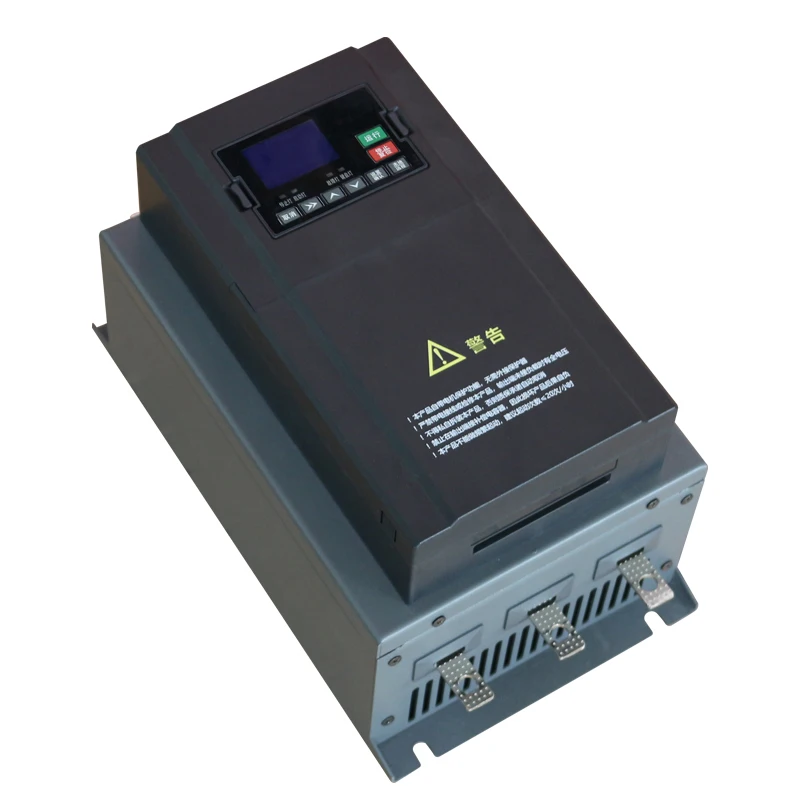
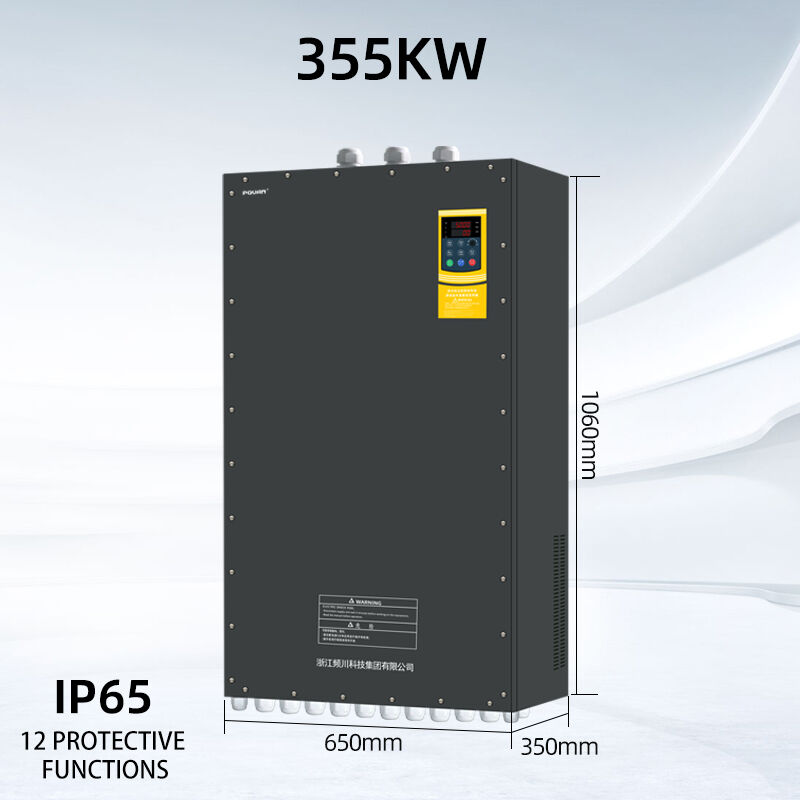
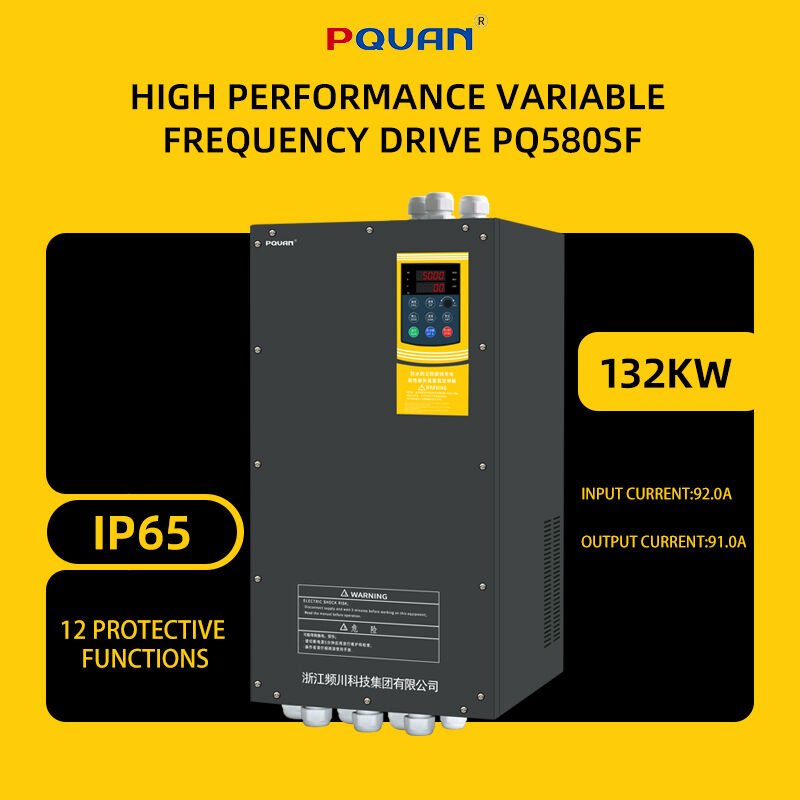
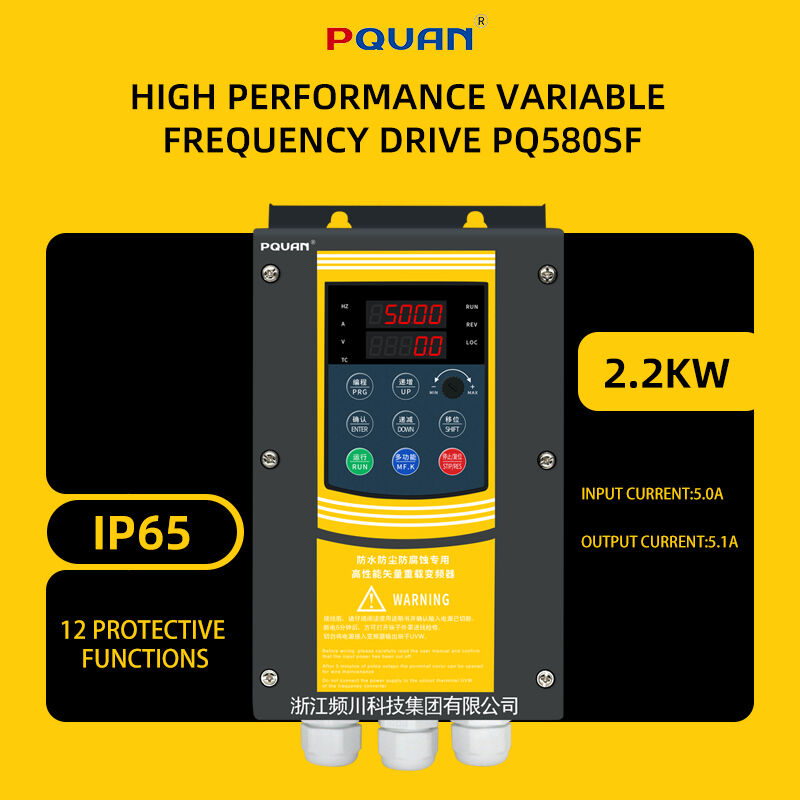
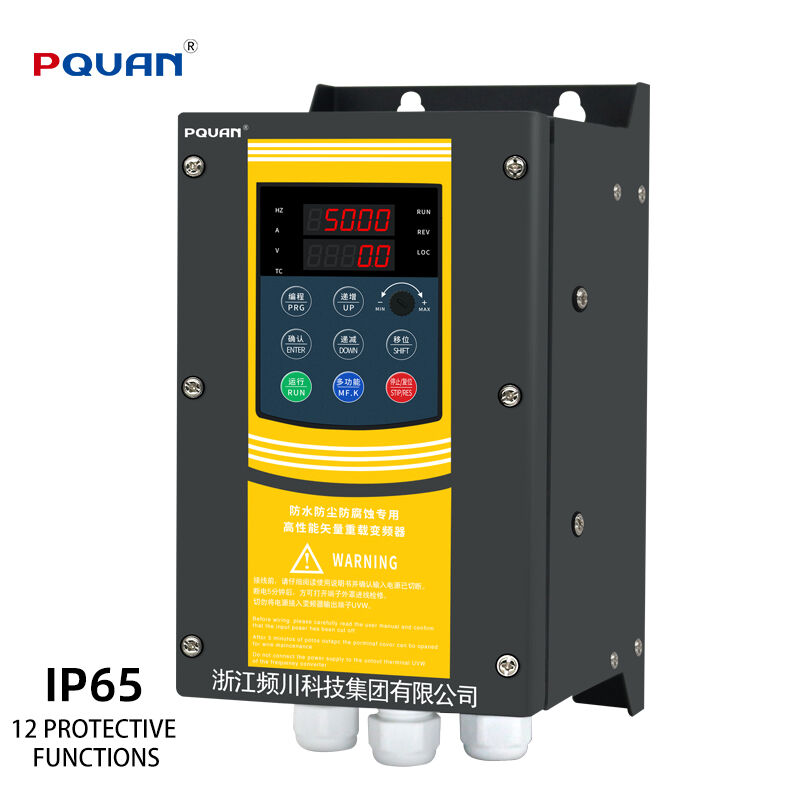
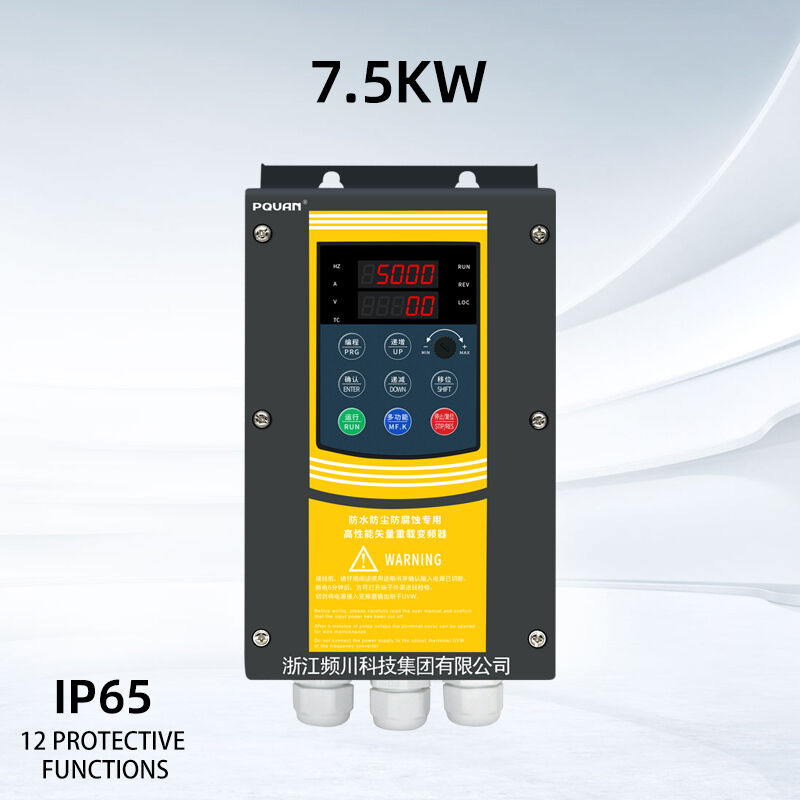
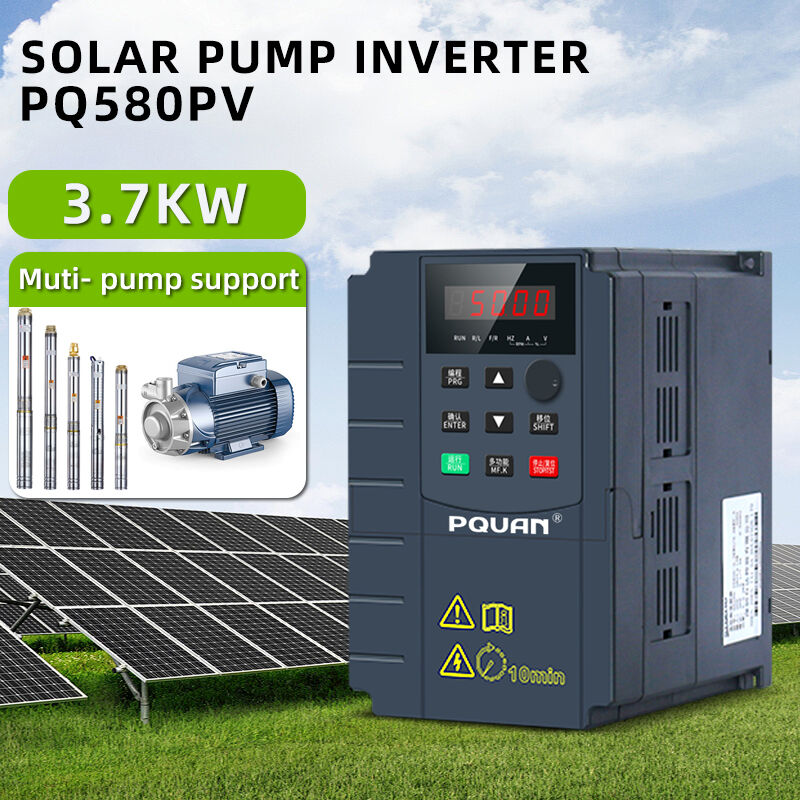
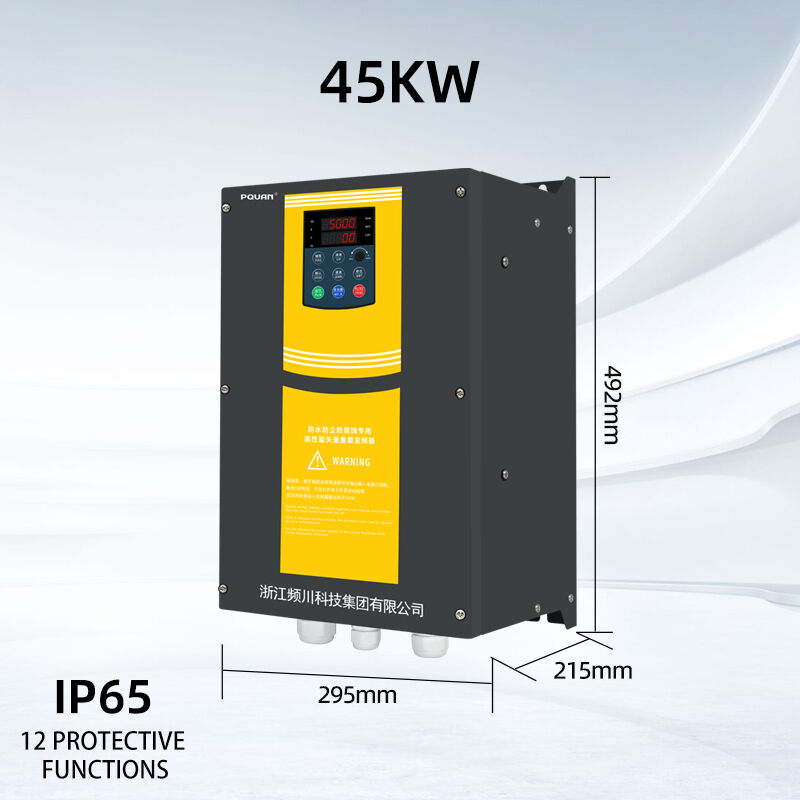
The ac variable frequency drive represents a revolutionary advancement in motor control technology that transforms standard fixed-speed AC motors into highly efficient, variable-speed systems. This sophisticated electronic device regulates motor speed and torque by controlling the frequency and voltage of the electrical power supplied to AC motors. The ac variable frequency drive works by converting incoming AC power to DC power through a rectifier circuit, then reconverting it back to AC power with adjustable frequency and voltage through an inverter section. This process enables precise control over motor performance across a wide range of operating conditions. Modern ac variable frequency drive systems incorporate advanced microprocessor technology that provides intelligent motor control, real-time monitoring, and comprehensive protection features. The device continuously monitors motor parameters including current, voltage, temperature, and speed to ensure optimal performance while protecting against potential damage. Key technological features include programmable acceleration and deceleration ramps, multiple control modes such as V/f control and vector control, built-in PID controllers for process automation, and extensive communication capabilities including Modbus, Ethernet, and other industrial protocols. The ac variable frequency drive also features advanced power factor correction, harmonic filtering capabilities, and regenerative braking options that enhance overall system efficiency. These drives are engineered to operate reliably in harsh industrial environments with robust enclosures that provide protection against dust, moisture, and temperature extremes. Applications span virtually every industry where AC motors are utilized, including manufacturing, HVAC systems, water treatment facilities, mining operations, oil and gas processing, food and beverage production, textile manufacturing, and renewable energy systems. The versatility of the ac variable frequency drive makes it an essential component in modern industrial automation and energy management strategies.

New Products

The ac variable frequency drive delivers exceptional energy savings that directly impact your operational costs and environmental footprint. By matching motor speed precisely to actual load requirements, these drives typically reduce energy consumption by 20 to 50 percent compared to traditional motor control methods. This translates into substantial cost savings on electricity bills while supporting sustainability initiatives. The smooth acceleration and deceleration capabilities of an ac variable frequency drive eliminate mechanical stress on motors, belts, gears, and other connected equipment, significantly extending equipment lifespan and reducing maintenance expenses. Instead of jarring starts and stops that characterize traditional motor starters, the ac variable frequency drive provides controlled ramping that protects your investment and minimizes downtime. Process control becomes remarkably precise with an ac variable frequency drive, allowing operators to fine-tune motor speeds to match exact production requirements. This precision enhances product quality, reduces waste, and improves overall manufacturing efficiency. The drives respond instantly to control signals, enabling tight integration with automated systems and real-time process adjustments. Power factor improvement is another significant advantage, as the ac variable frequency drive naturally corrects poor power factor conditions that result in utility penalties and reduced electrical system efficiency. Many facilities experience immediate reductions in demand charges and improved electrical system capacity utilization. The built-in protection features of modern ac variable frequency drive systems safeguard motors against overcurrent, overvoltage, undervoltage, overheating, and phase loss conditions. This comprehensive protection reduces the likelihood of costly motor failures and unplanned shutdowns. Noise reduction is particularly valuable in applications where quiet operation is essential, as the ac variable frequency drive eliminates the mechanical noise associated with throttling valves, dampers, and other flow control devices. Maintenance requirements decrease substantially because the ac variable frequency drive reduces mechanical wear on system components. Fewer mechanical failures mean lower replacement part costs, reduced labor expenses, and improved production reliability. The diagnostic capabilities built into modern ac variable frequency drive units provide valuable insight into system performance, enabling predictive maintenance strategies that prevent failures before they occur.

Latest News

Pakistani Customers Visit PQUAN for Inspection and Exchange

09

Feb

Pakistani Customers Visit PQUAN for Inspection and Exchange

View More
How to Choose Voltage Regulator Power: A Concise Guide for Industrial & Commercial Users

23

Jan

How to Choose Voltage Regulator Power: A Concise Guide for Industrial & Commercial Users

View More
A Complete Guide to Selecting the Right Variable Frequency Drive (VFD) Model

03

Mar

A Complete Guide to Selecting the Right Variable Frequency Drive (VFD) Model

View More

Get a Free Quote

Our representative will contact you soon.
Email
Name
Company Name
Message
0/1000

ac variable frequency drive

Superior Energy Efficiency and Cost Reduction

Superior Energy Efficiency and Cost Reduction

The ac variable frequency drive stands as the premier solution for achieving dramatic energy savings in motor-driven applications across all industrial sectors. Unlike conventional motor control systems that operate at fixed speeds regardless of actual load requirements, the ac variable frequency drive intelligently adjusts motor speed to match real-time demand. This dynamic speed control capability typically delivers energy savings ranging from 20 to 50 percent, with some applications achieving even greater reductions. The financial impact of these savings compounds over time, often resulting in payback periods of less than two years for most installations. The ac variable frequency drive accomplishes this efficiency through sophisticated power conversion technology that optimizes the relationship between motor speed, torque, and power consumption. When applications require reduced flow rates, pump speeds, or fan operations, the ac variable frequency drive decreases motor speed proportionally, which reduces power consumption exponentially according to the cube law for centrifugal loads. This means that a 20 percent reduction in speed can result in nearly 50 percent reduction in power consumption. Beyond direct energy savings, the ac variable frequency drive eliminates the need for mechanical throttling devices such as valves, dampers, and bypass systems that waste energy by creating artificial restrictions in the system. The drive also improves power factor, which reduces demand charges from utility companies and increases the overall capacity of electrical distribution systems. Modern ac variable frequency drive units incorporate advanced algorithms that continuously optimize motor performance, automatically adjusting operating parameters to maintain peak efficiency under varying load conditions. Energy monitoring capabilities built into these drives provide detailed consumption data that supports energy management initiatives and helps identify additional optimization opportunities. The environmental benefits of reduced energy consumption align perfectly with corporate sustainability goals while delivering measurable bottom-line improvements that justify the investment in ac variable frequency drive technology.
Enhanced System Reliability and Equipment Protection

Enhanced System Reliability and Equipment Protection

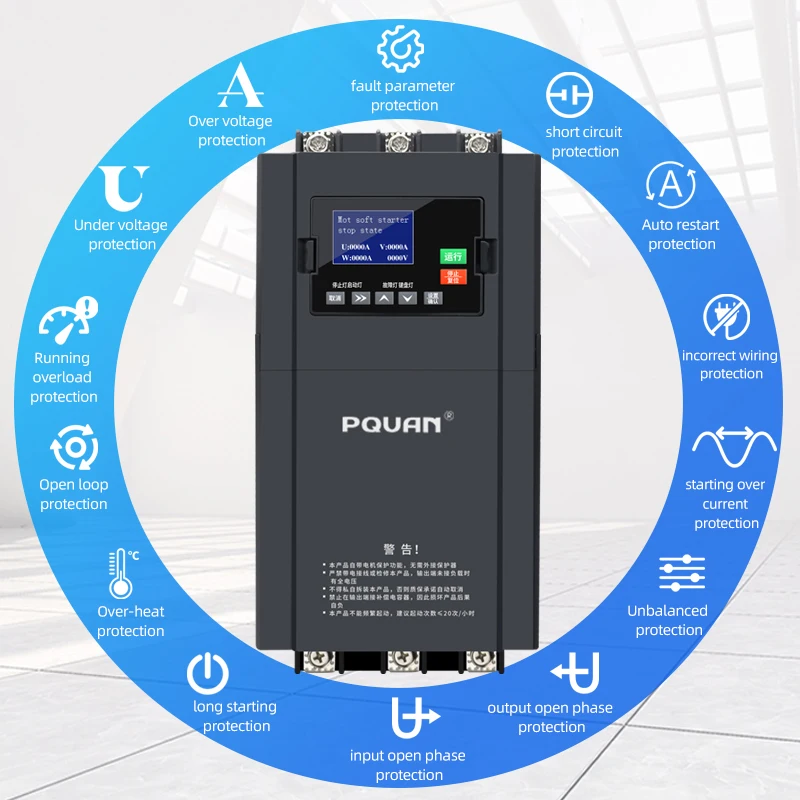
The ac variable frequency drive revolutionizes equipment protection and system reliability through comprehensive monitoring, intelligent control, and advanced protection features that safeguard your entire motor-driven system. Traditional motor starting methods subject equipment to severe mechanical and electrical stresses that accelerate wear and increase the likelihood of premature failures. The ac variable frequency drive eliminates these harmful conditions by providing smooth, controlled acceleration and deceleration that protects motors, mechanical components, and connected equipment. Real-time monitoring capabilities built into every ac variable frequency drive continuously track critical parameters including motor current, voltage, temperature, speed, and power consumption. When any parameter approaches potentially dangerous levels, the drive automatically implements protective actions to prevent damage. Overcurrent protection prevents motor winding damage, while overvoltage and undervoltage protection guards against power quality issues. Thermal protection monitors motor temperature and implements appropriate responses to prevent overheating damage. The ac variable frequency drive also provides protection against phase loss, ground faults, and short circuits that could cause catastrophic motor failure. Mechanical protection extends to the entire driven system, as the controlled acceleration eliminates sudden torque spikes that can damage gearboxes, belts, couplings, and mechanical loads. Water hammer effects in pumping systems are virtually eliminated, protecting pipes, valves, and fittings from pressure surges. The soft-start capability of an ac variable frequency drive also reduces inrush current by up to 50 percent, minimizing stress on electrical distribution systems and reducing voltage dips that affect other equipment. Diagnostic capabilities provide early warning of developing problems, enabling predictive maintenance strategies that prevent unexpected failures. Historical data logging helps identify trends that indicate wear patterns or performance degradation, allowing maintenance teams to schedule repairs during planned outages rather than responding to emergency breakdowns. The reliability improvements delivered by ac variable frequency drive technology translate directly into reduced maintenance costs, improved production uptime, and extended equipment life that maximizes return on investment.
Precise Process Control and Operational Flexibility

Precise Process Control and Operational Flexibility

The ac variable frequency drive delivers unparalleled process control capabilities that enable precise optimization of industrial operations while providing the flexibility to adapt quickly to changing production requirements. Unlike fixed-speed motor systems that offer limited control options, the ac variable frequency drive provides infinite speed adjustment within the motor's operating range, allowing operators to fine-tune performance to match exact process needs. This precision control capability is essential in applications where product quality depends on maintaining specific flow rates, pressures, temperatures, or speeds. The ac variable frequency drive responds instantaneously to control signals from sensors, operators, or automated systems, enabling real-time adjustments that maintain optimal operating conditions regardless of external variables. Advanced control algorithms built into modern ac variable frequency drive systems include PID controllers that automatically adjust motor speed to maintain setpoints, vector control for precise torque regulation, and sensorless control options that eliminate the need for external feedback devices. Multiple control modes allow the same ac variable frequency drive to adapt to different applications or operating requirements without hardware changes. Programmable acceleration and deceleration ramps prevent process upsets while optimizing cycle times for maximum productivity. The communication capabilities of ac variable frequency drive technology enable seamless integration with plant automation systems, SCADA networks, and Industry 4.0 initiatives. Standard communication protocols including Modbus, Ethernet/IP, Profibus, and DeviceNet allow the drive to share operational data and receive control commands from central control systems. This connectivity enables sophisticated control strategies that coordinate multiple drives for optimized system performance. Remote monitoring and control capabilities allow operators to adjust drive parameters, monitor performance, and diagnose issues from central control rooms or even off-site locations. The flexibility of ac variable frequency drive systems extends to their ability to handle varying load conditions automatically. Built-in load compensation features adjust motor performance to maintain consistent output despite changes in system conditions. Energy optimization functions continuously adjust operating parameters to maintain peak efficiency across the full range of operating conditions. This adaptability makes the ac variable frequency drive ideal for applications with seasonal variations, batch processing requirements, or changing production demands that require frequent speed adjustments.
AC Variable Frequency Drive: Ultimate Guide to Energy-Efficient Motor Control Solutions

Get a Free Quote

Our representative will contact you soon.
Email
Name
Company Name
Message
0/1000