Industrial Fan VFD Systems: Advanced Variable Frequency Drives for Energy-Efficient Ventilation Control

All Categories
Get a Quote
%}

Get a Free Quote

Our representative will contact you soon.
Email
Name
Company Name
Message
0/1000

industrial fan vfd

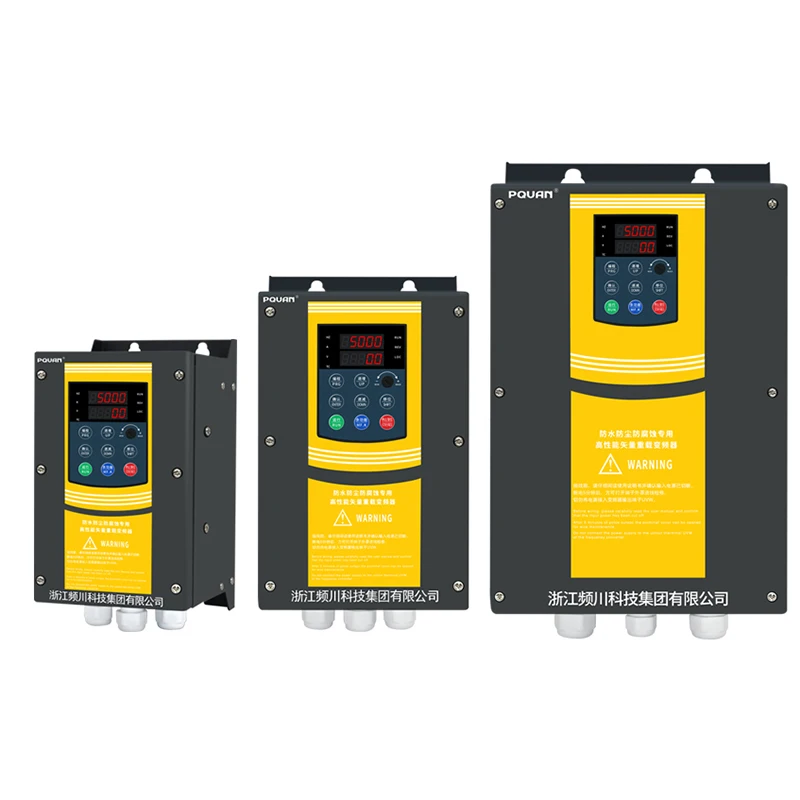
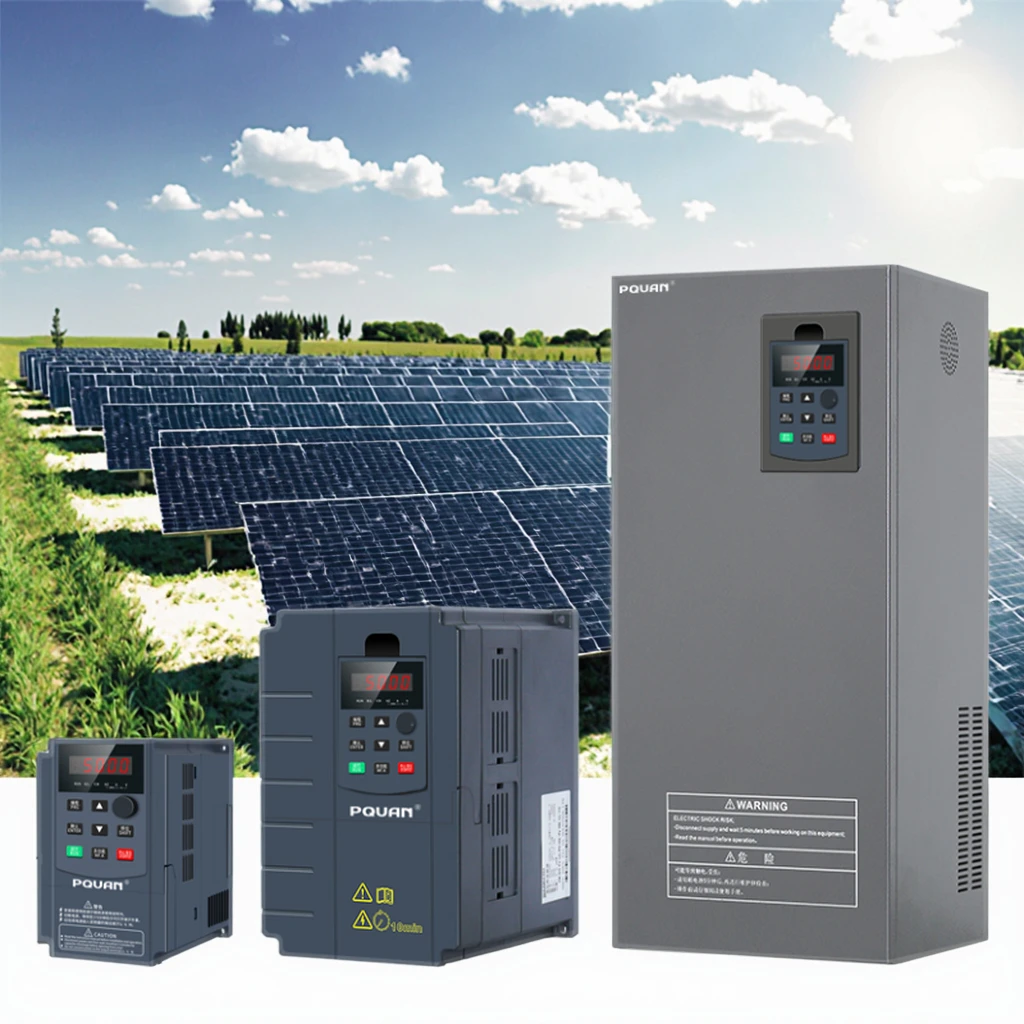
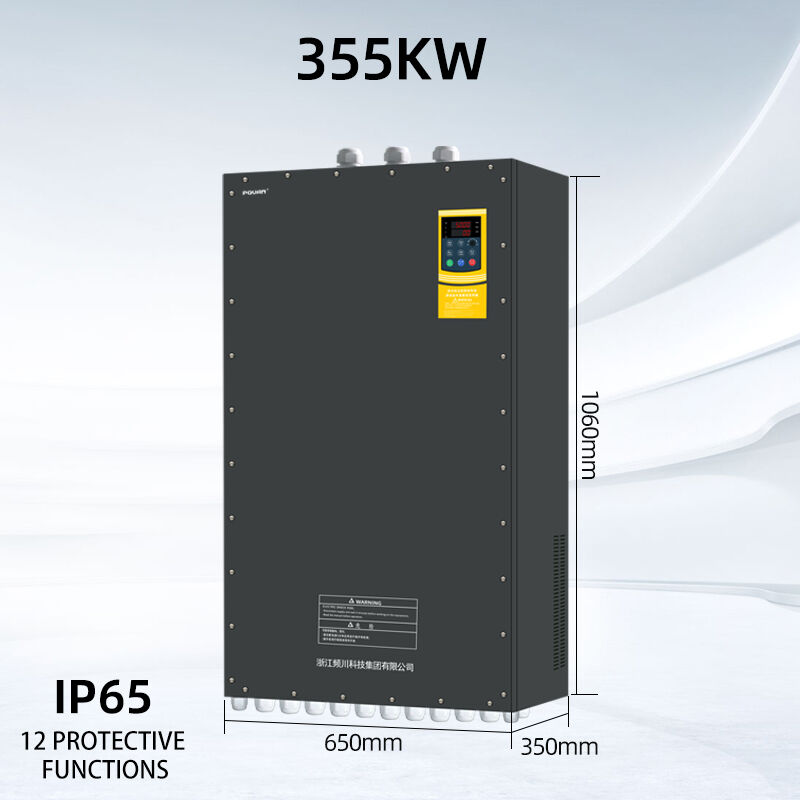
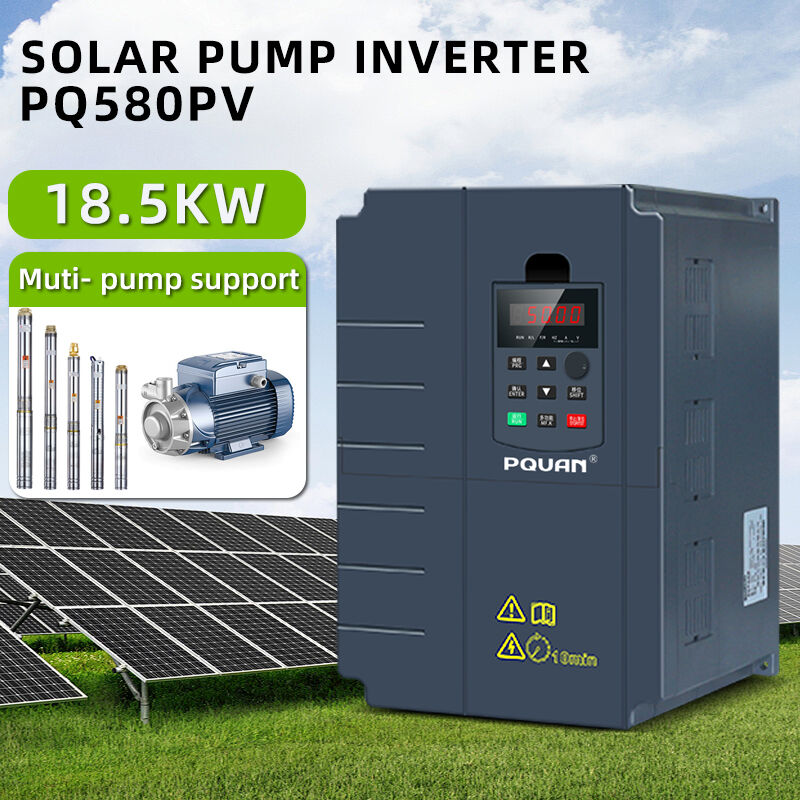
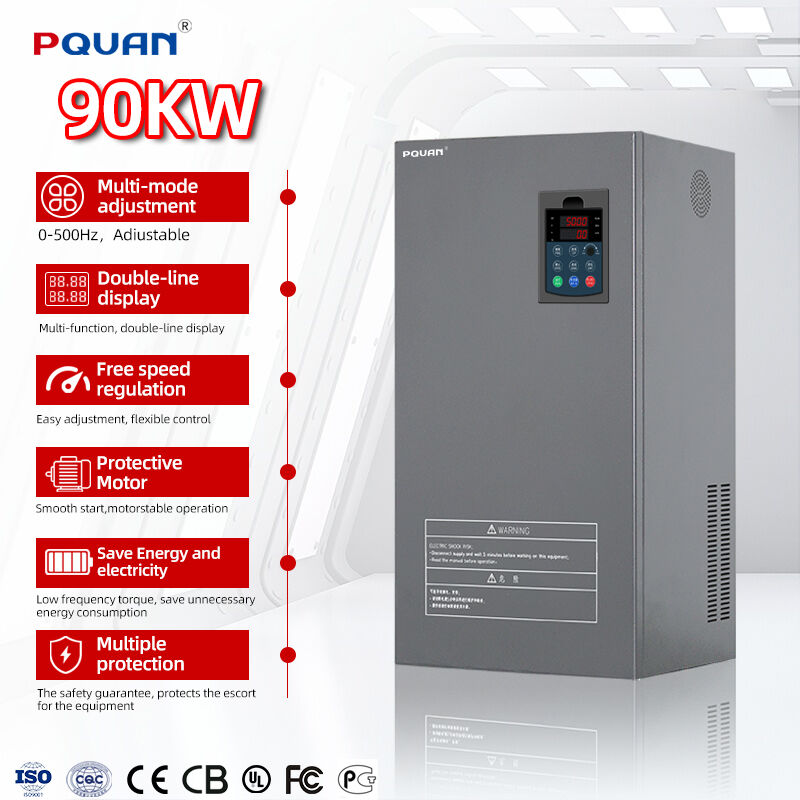
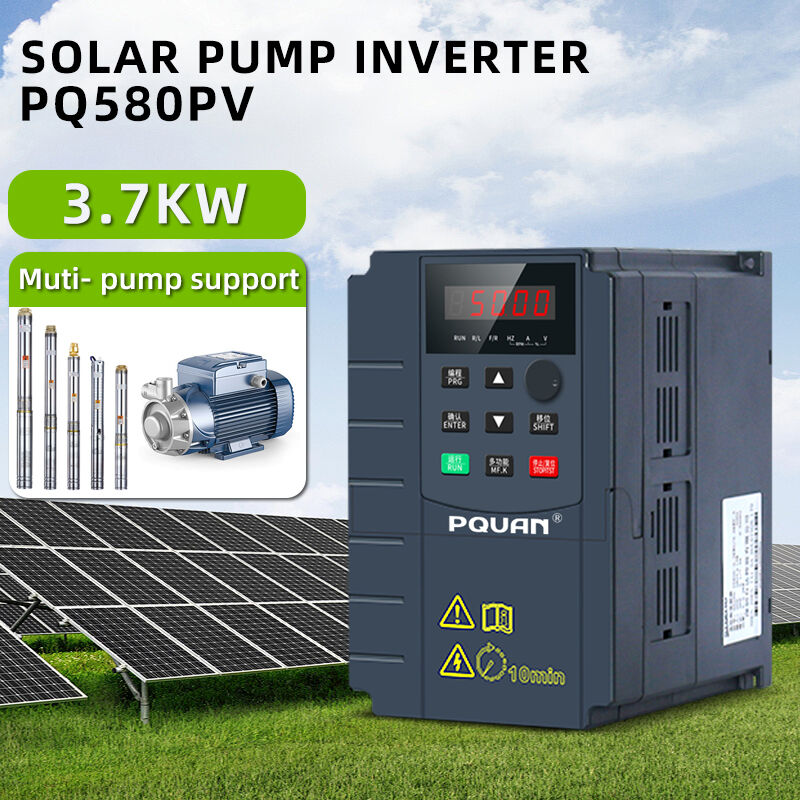
An industrial fan VFD, or Variable Frequency Drive, represents a sophisticated motor control technology designed to regulate the speed and operational parameters of industrial ventilation systems. This electronic device modulates the frequency and voltage supplied to fan motors, enabling precise control over airflow rates, energy consumption, and overall system performance. The industrial fan VFD serves as an intelligent interface between power sources and fan motors, converting fixed-frequency AC power into variable-frequency output that matches specific operational requirements. Modern industrial fan VFD systems incorporate advanced microprocessor technology, allowing operators to program complex control sequences, monitor real-time performance metrics, and implement automated responses to changing environmental conditions. These drives feature comprehensive protection mechanisms including overcurrent detection, thermal monitoring, and fault diagnostics that safeguard both the VFD unit and connected fan equipment. The technological architecture of an industrial fan VFD includes rectifier circuits that convert AC input to DC, intermediate filtering capacitors for power smoothing, and inverter sections that reconstruct variable-frequency AC output. Advanced models integrate communication protocols such as Modbus, Ethernet, and wireless connectivity, enabling seamless integration with building management systems and remote monitoring platforms. Industrial fan VFD applications span numerous sectors including manufacturing facilities, commercial HVAC systems, mining operations, wastewater treatment plants, and agricultural ventilation systems. The flexibility of these drives allows for customized programming to match specific fan curves, seasonal variations, and process requirements. Installation typically involves mounting the VFD in appropriate electrical enclosures with proper ventilation and connecting input power, motor leads, and control signals according to manufacturer specifications.

Popular Products

Industrial fan VFD systems deliver substantial energy savings by matching motor speed to actual demand rather than running at constant full speed. Traditional fan motors consume maximum power regardless of actual airflow requirements, while VFD-controlled systems reduce energy consumption by up to seventy percent during partial load conditions. This translates to significant cost reductions in monthly electricity bills and improved return on investment for facility operators. The precise speed control capabilities of industrial fan VFD technology eliminate the need for mechanical dampers and throttling devices that waste energy through restriction-based flow control. Enhanced motor protection represents another critical advantage, as the VFD monitors electrical parameters continuously and prevents damage from voltage fluctuations, phase imbalances, and overload conditions. The soft-start functionality gradually accelerates motors to operating speed, reducing mechanical stress on fan components, bearings, and drive systems, thereby extending equipment lifespan and reducing maintenance requirements. Noise reduction benefits make industrial fan VFD systems particularly valuable in commercial and residential environments where acoustic comfort matters. Lower operating speeds during off-peak periods significantly decrease fan noise levels while maintaining adequate ventilation. The programmable nature of these drives allows operators to implement time-based scheduling, automatically adjusting fan speeds according to occupancy patterns, outdoor temperature variations, or process requirements. Remote monitoring capabilities enable proactive maintenance scheduling and real-time troubleshooting, minimizing unexpected downtime and maintenance costs. Industrial fan VFD systems provide superior process control through precise airflow regulation, maintaining consistent environmental conditions essential for manufacturing processes, storage facilities, and comfort applications. The ability to respond instantly to sensor inputs allows for dynamic adjustment of ventilation rates based on air quality measurements, temperature changes, or humidity levels. Integration flexibility enables seamless connection with existing building automation systems, creating comprehensive facility management solutions. These drives support multiple control methods including manual adjustment, analog signal inputs, digital communication protocols, and automated programming sequences, accommodating diverse operational preferences and technical requirements.

Tips And Tricks

Pakistani Customers Visit PQUAN for Inspection and Exchange

09

Feb

Pakistani Customers Visit PQUAN for Inspection and Exchange

View More
How to Choose Voltage Regulator Power: A Concise Guide for Industrial & Commercial Users

23

Jan

How to Choose Voltage Regulator Power: A Concise Guide for Industrial & Commercial Users

View More
A Complete Guide to Selecting the Right Variable Frequency Drive (VFD) Model

03

Mar

A Complete Guide to Selecting the Right Variable Frequency Drive (VFD) Model

View More

Get a Free Quote

Our representative will contact you soon.
Email
Name
Company Name
Message
0/1000

industrial fan vfd

Advanced Energy Efficiency and Cost Optimization

Advanced Energy Efficiency and Cost Optimization

The energy efficiency capabilities of industrial fan VFD systems represent their most compelling advantage, delivering transformative cost savings for facility operators across all sectors. These sophisticated drives utilize the cube law principle, where fan power consumption decreases exponentially with speed reduction, meaning a twenty percent speed decrease results in approximately fifty percent power reduction. This mathematical relationship makes industrial fan VFD technology exceptionally effective for applications with variable load requirements. The intelligent control algorithms continuously monitor system demand and automatically adjust motor speed to maintain optimal efficiency while meeting ventilation requirements. Unlike traditional constant-speed systems that rely on mechanical dampers for flow control, industrial fan VFD systems eliminate throttling losses by directly controlling motor speed, resulting in dramatic energy savings. Real-world implementations demonstrate consistent energy reductions ranging from thirty to seventy percent, with payback periods typically between eighteen months to three years depending on usage patterns and local energy costs. The programmable scheduling features allow operators to implement sophisticated energy management strategies, automatically reducing fan speeds during off-peak hours, unoccupied periods, or when outdoor conditions provide natural ventilation assistance. Advanced models incorporate demand-based control algorithms that respond to multiple sensor inputs including temperature, humidity, air quality, and occupancy detection, optimizing energy consumption while maintaining environmental comfort standards. Power factor correction capabilities built into modern industrial fan VFD units improve electrical system efficiency and may qualify for utility rebates or reduced demand charges. The drives also provide detailed energy consumption reporting and trending data, enabling facility managers to identify additional optimization opportunities and demonstrate compliance with energy efficiency regulations. Long-term operational benefits include reduced wear on electrical infrastructure, lower cooling requirements for electrical rooms, and decreased carbon footprint contributing to sustainability goals.
Comprehensive System Protection and Reliability Enhancement

Comprehensive System Protection and Reliability Enhancement

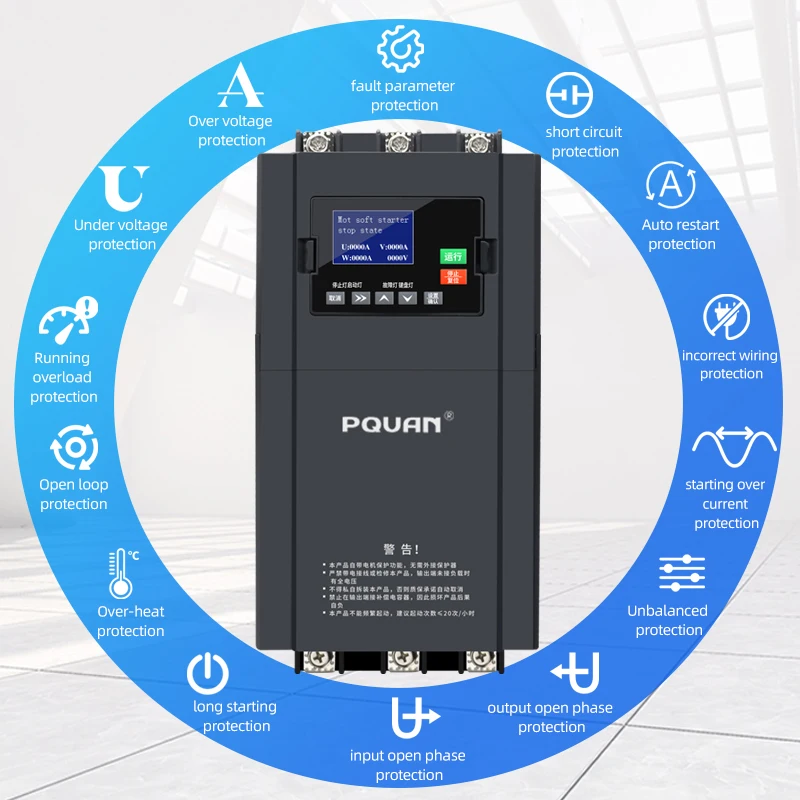
Industrial fan VFD systems provide unparalleled equipment protection through advanced monitoring and diagnostic capabilities that prevent costly failures and extend equipment lifespan significantly. The integrated protection suite continuously monitors critical parameters including motor temperature, current draw, voltage levels, and vibration characteristics, instantly detecting abnormal conditions before they cause permanent damage. Overcurrent protection prevents motor burnout by monitoring phase currents and automatically reducing output or shutting down when safe limits are exceeded. Thermal protection utilizes sophisticated algorithms that calculate motor heating based on load conditions and ambient temperature, preventing insulation degradation and winding damage. The soft-start functionality eliminates the mechanical shock associated with across-the-line starting, reducing stress on fan impellers, motor bearings, drive belts, and coupling systems by gradually accelerating to operating speed over programmable time periods. This gentle acceleration extends bearing life, reduces maintenance requirements, and minimizes the risk of catastrophic mechanical failures that can result in extensive downtime and repair costs. Phase monitoring capabilities detect power supply irregularities including voltage imbalances, phase loss, and harmonic distortion that can damage sensitive motor components. Ground fault protection safeguards against electrical hazards and prevents equipment damage from insulation breakdown or moisture intrusion. The diagnostic capabilities of modern industrial fan VFD systems include predictive maintenance features that analyze operational trends and provide early warning of developing problems, allowing maintenance teams to schedule repairs during planned outages rather than responding to emergency failures. Comprehensive fault logging maintains detailed records of operational events, enabling technicians to identify recurring issues and implement preventive solutions. Communication capabilities allow remote monitoring of system health, enabling proactive maintenance scheduling and reducing the need for routine site visits. The robust construction of industrial-grade VFD enclosures provides protection against environmental hazards including dust, moisture, temperature extremes, and vibration, ensuring reliable operation in challenging industrial environments.
Flexible Integration and Advanced Control Capabilities

Flexible Integration and Advanced Control Capabilities

The integration flexibility and advanced control capabilities of industrial fan VFD systems enable seamless incorporation into diverse facility management architectures while providing unprecedented operational control and customization options. Modern drives support multiple communication protocols including Modbus RTU, Modbus TCP, BACnet, Ethernet/IP, and proprietary building automation system interfaces, allowing direct integration with existing facility management platforms without requiring additional gateway devices or protocol converters. This connectivity enables centralized monitoring and control of multiple fan systems from a single interface, simplifying operations and reducing staffing requirements. The programmable logic capabilities built into advanced industrial fan VFD models eliminate the need for separate control panels in many applications, as the drives can execute complex control sequences based on multiple input signals including temperature sensors, pressure transducers, humidity meters, and occupancy detectors. Customizable control algorithms allow operators to implement sophisticated ventilation strategies such as demand-controlled ventilation, economizer cycles, and load-shedding programs that optimize energy consumption while maintaining environmental quality standards. The drives support both analog and digital input signals, accommodating various sensor types and control methodologies to match specific application requirements. Remote access capabilities enable off-site monitoring and adjustment through secure internet connections, allowing facility managers to respond to changing conditions or troubleshoot issues without requiring on-site visits. Advanced models incorporate artificial intelligence features that learn operational patterns and automatically optimize performance based on historical data and current conditions. The scalability of industrial fan VFD systems supports expansion from single-drive installations to complex multi-zone systems with coordinated control strategies. Simulation and modeling capabilities built into the drive software allow operators to test control strategies and optimize performance before implementation, reducing commissioning time and ensuring optimal results. The drives also provide comprehensive data logging and trending capabilities, generating detailed reports on energy consumption, operational efficiency, and system performance that support regulatory compliance and continuous improvement initiatives.
Industrial Fan VFD Systems: Advanced Variable Frequency Drives for Energy-Efficient Ventilation Control

Get a Free Quote

Our representative will contact you soon.
Email
Name
Company Name
Message
0/1000