Dramatic Electrical Demand Reduction and Energy Efficiency
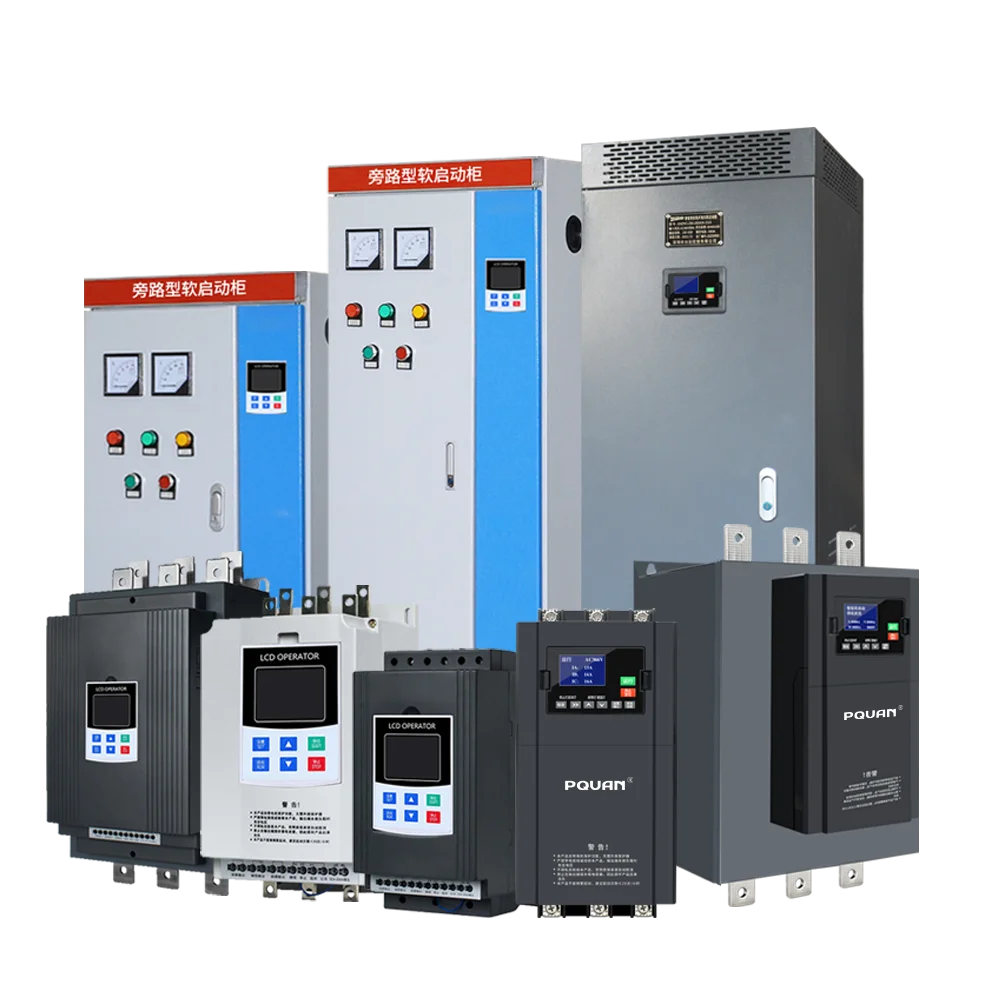
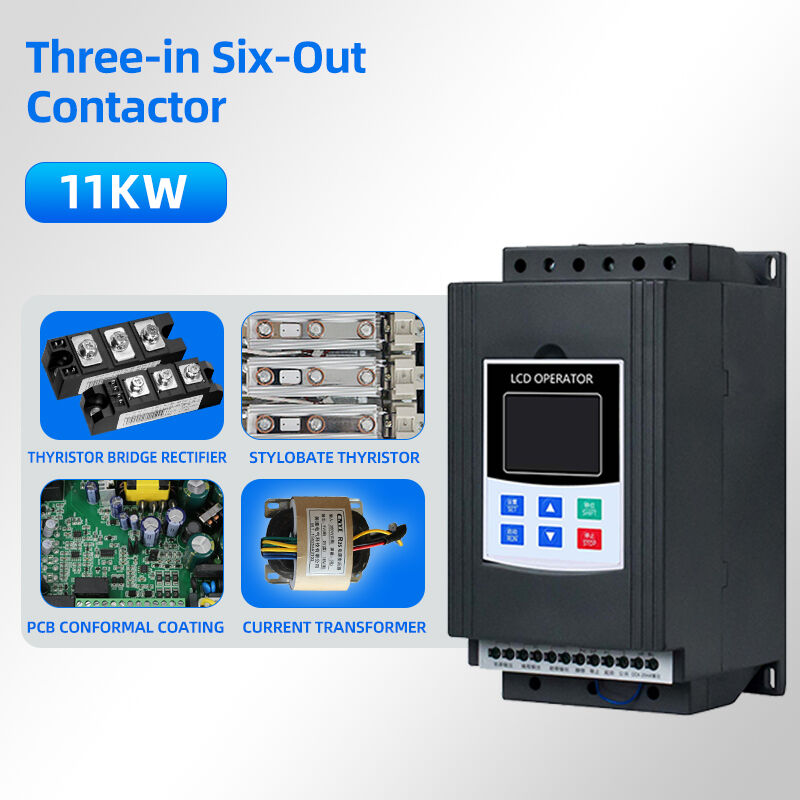
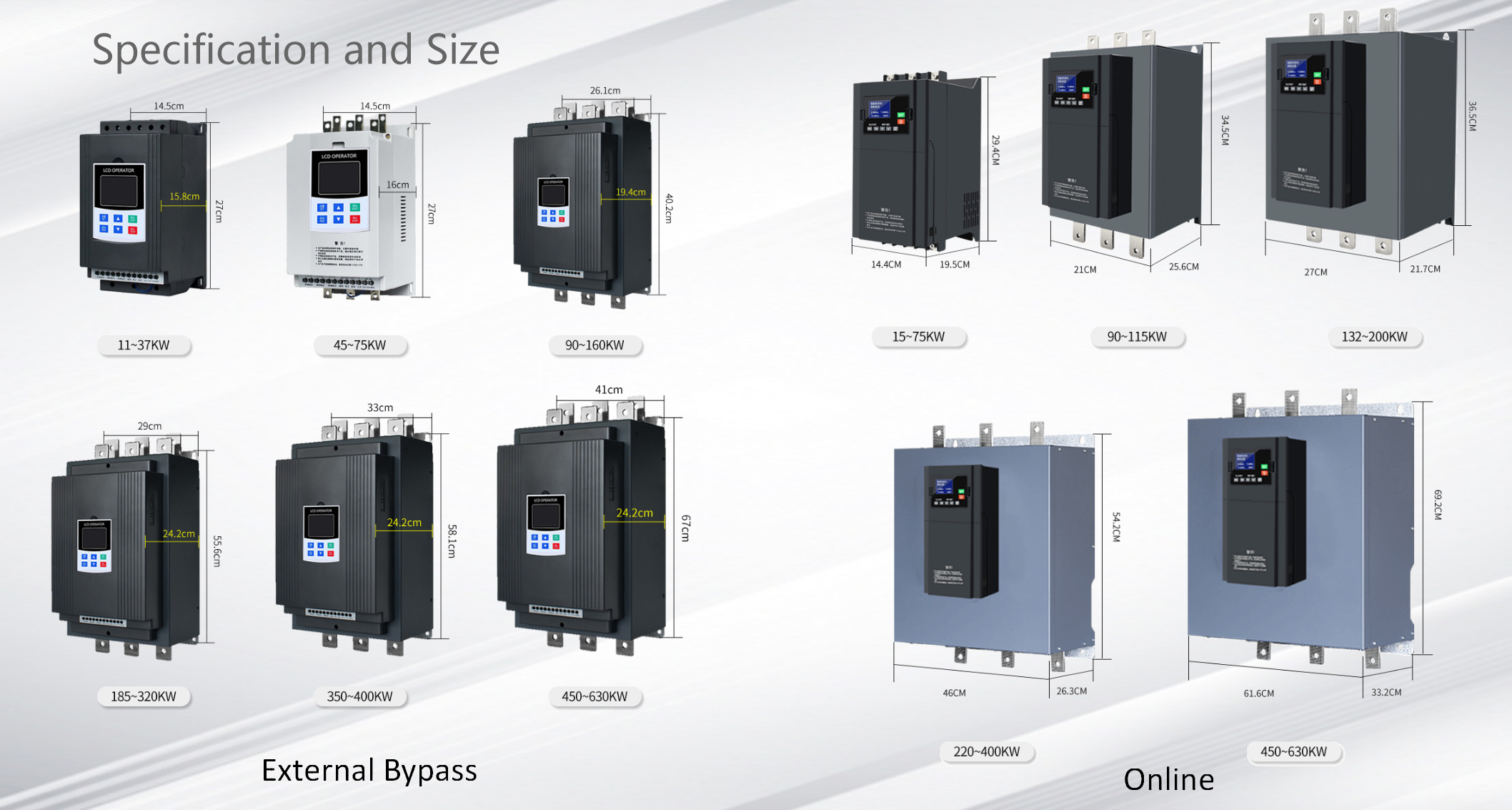
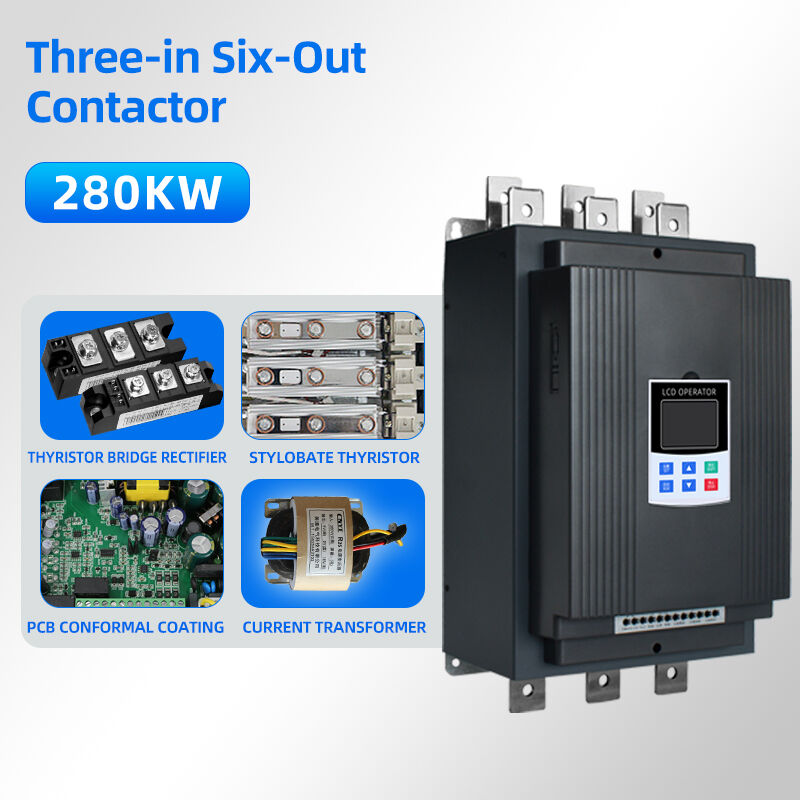
The three phase soft starter transforms electrical consumption patterns during motor starting, delivering measurable benefits to both facility operations and utility grid stability. When motors start conventionally, they draw enormous inrush currents that can reach six to eight times normal running current for several seconds, creating massive demand spikes that utility companies penalize through demand charges. These charges often represent the largest component of industrial electricity bills, calculated based on the highest fifteen-minute average demand during the billing period. A single motor starting event can establish the demand baseline for an entire month, resulting in thousands of dollars in avoidable charges. The three phase soft starter eliminates this financial burden by limiting starting current to manageable levels, typically between two and four times running current depending on configuration settings. This reduction allows facilities to maintain lower demand baselines, directly decreasing monthly utility costs without sacrificing operational capability. Beyond demand charge savings, the three phase soft starter improves power quality throughout the electrical system by preventing voltage sags that occur when conventional starters draw massive currents. Sensitive equipment including computers, programmable controllers, and precision manufacturing machinery operates more reliably when protected from these voltage disturbances. The controlled starting process also reduces harmonic distortion compared to some alternative starting methods, maintaining cleaner power that extends the life of transformers, switchgear, and distribution equipment. Energy efficiency extends to the mechanical side as well, where smooth acceleration prevents the energy waste associated with mechanical shock, vibration, and resonance that convert electrical input into heat and noise rather than useful work. In applications with frequent starts such as irrigation pumps, HVAC equipment, and batch processing machinery, these efficiency gains compound throughout the operating year. The three phase soft starter enables energy-conscious operating strategies such as load scheduling to avoid peak rate periods and demand response participation where utilities compensate customers for reducing consumption during grid stress events. Monitoring capabilities built into modern three phase soft starter units provide detailed energy consumption data that supports continuous improvement initiatives and helps facilities identify inefficient processes or degraded equipment requiring attention before failures occur and efficiency losses escalate.
 EN
EN