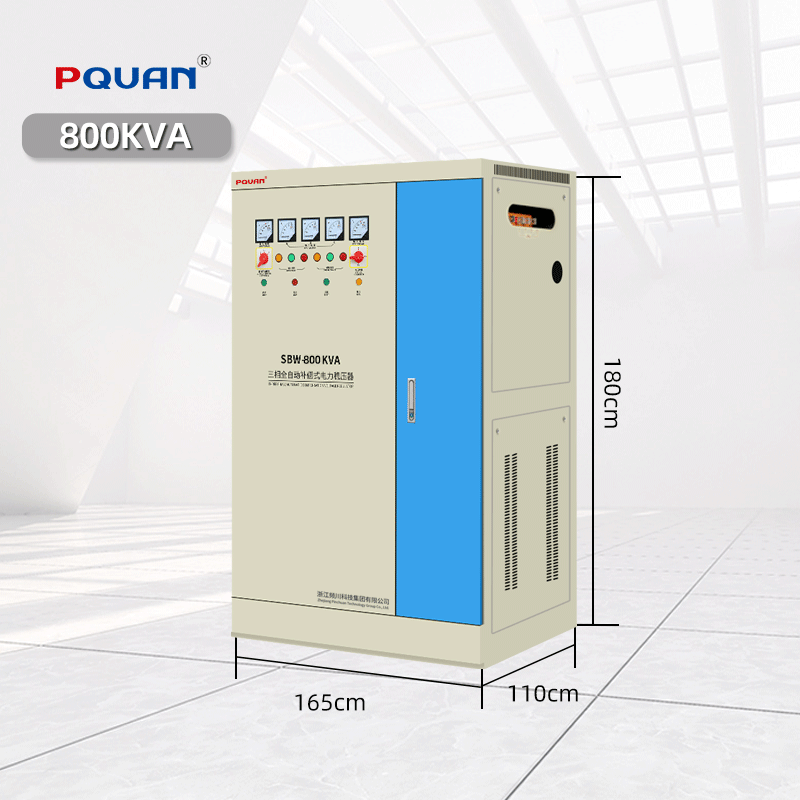
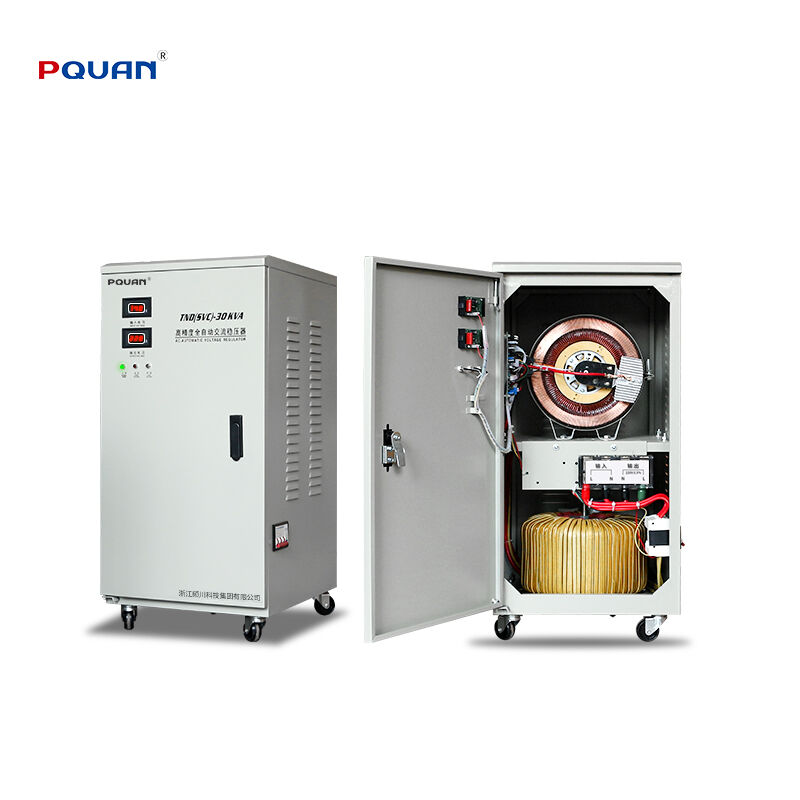
Proper maintenance of electrical equipment is essential for ensuring reliable power supply in industrial and commercial settings. A voltage regulator serves as a critical component that stabilizes electrical output, protecting sensitive equipment from damaging voltage fluctuations. Without regular maintenance, these devices can fail unexpectedly, leading to costly downtime and equipment damage. Understanding the fundamentals of voltage regulator maintenance helps facility managers and technicians maximize equipment lifespan while minimizing operational disruptions.

Modern industrial facilities rely heavily on consistent power quality to maintain productivity and protect valuable machinery. A well-maintained voltage regulator provides the stability necessary for sensitive electronic systems, motors, and control circuits. Regular maintenance practices not only extend equipment life but also improve energy efficiency and reduce the likelihood of unexpected failures that can disrupt critical operations.
Understanding Voltage Regulator Components
Core Components and Their Functions
The internal structure of a voltage regulator contains several key components that work together to maintain stable output voltage. The transformer provides the primary voltage conversion, while the control circuit monitors input conditions and adjusts output accordingly. Carbon brushes, when present, require regular inspection as they experience wear during normal operation. The cooling system, including fans and heat sinks, prevents overheating that could damage sensitive electronic components.
Electronic control boards manage the automatic switching functions that make modern voltage regulators highly responsive to input variations. These boards contain microprocessors, relays, and feedback circuits that continuously monitor system performance. Understanding how these components interact helps maintenance personnel identify potential issues before they become critical failures. Proper documentation of component specifications ensures replacement parts meet original manufacturer standards.
Wear Patterns and Failure Modes
Different components within a voltage regulator experience varying levels of stress during operation. Mechanical contacts and switches undergo frequent cycling, leading to gradual degradation over time. Capacitors may lose capacity or develop leakage currents that affect regulation accuracy. Thermal stress affects all electronic components, with repeated heating and cooling cycles potentially causing solder joint failures or component drift.
Identifying common failure modes allows maintenance teams to implement targeted inspection procedures. Visual inspection reveals obvious signs of component deterioration, while electrical testing can detect subtle performance degradation before complete failure occurs. Establishing baseline measurements during initial installation provides reference points for future maintenance evaluations. Documentation of typical wear patterns helps predict when components may require replacement.
Preventive Maintenance Schedules
Daily and Weekly Inspection Tasks
Regular visual inspections form the foundation of effective voltage regulator maintenance programs. Daily checks should include monitoring indicator lights, listening for unusual sounds, and verifying that cooling fans operate properly. Weekly inspections involve checking external connections for signs of overheating, corrosion, or loose hardware. These routine observations help identify developing problems before they impact system performance.
Temperature monitoring provides valuable insight into equipment condition and loading. Infrared thermometers can quickly identify hot spots that may indicate poor connections or component stress. Recording temperature readings at consistent locations creates trending data that reveals gradual changes in equipment condition. Ambient temperature variations should be considered when evaluating thermal performance over time.
Monthly and Quarterly Procedures
More comprehensive maintenance activities should be performed monthly or quarterly, depending on operating conditions and manufacturer recommendations. Cleaning external surfaces removes dust and debris that can impede heat dissipation and create tracking paths for electrical faults. Interior cleaning requires proper safety procedures and may involve de-energizing the equipment to safely access internal components.
Electrical testing during quarterly maintenance includes measuring input and output voltages under various load conditions. Regulation accuracy testing verifies that the voltage regulator maintains specified output tolerances across its operating range. Connection torque verification ensures that all electrical connections remain secure, preventing high resistance joints that generate heat and reduce system reliability.
Cleaning and Environmental Considerations
Dust and Contamination Control
Environmental contaminants pose significant threats to voltage regulator performance and longevity. Dust accumulation on heat sinks and ventilation openings reduces cooling effectiveness, leading to elevated operating temperatures. Conductive particles can create unwanted current paths, while corrosive substances may attack metal components and connections. Establishing appropriate cleaning schedules based on environmental conditions helps maintain optimal operating conditions.
Cleaning procedures must balance thoroughness with safety requirements. Compressed air effectively removes loose particles from external surfaces and ventilation areas. Interior cleaning may require specialized tools and techniques to avoid damaging sensitive components. Anti-static precautions protect electronic circuits from electrostatic discharge during maintenance activities. Using appropriate cleaning materials prevents chemical damage to insulation and protective coatings.
Climate Control and Protection
Temperature and humidity control significantly impact voltage regulator reliability and maintenance requirements. Excessive humidity promotes corrosion and can cause tracking failures on insulation surfaces. Rapid temperature changes create thermal stress that accelerates component aging. Maintaining stable environmental conditions within manufacturer specifications reduces maintenance frequency and extends equipment life.
Proper ventilation design ensures adequate airflow around the voltage regulator while preventing contamination from entering the enclosure. Filters on intake vents require regular replacement to maintain effectiveness. Sealing unused openings prevents pest intrusion and moisture infiltration. Environmental monitoring systems can provide early warning of conditions that may require maintenance attention or operational adjustments.
Electrical Testing and Calibration
Performance Verification Procedures
Systematic electrical testing validates voltage regulator performance and identifies degradation before it affects connected equipment. Input voltage testing confirms that supply conditions remain within acceptable limits. Output voltage measurements under various load conditions verify regulation accuracy and response characteristics. Frequency response testing may be necessary for applications sensitive to harmonic distortion or transient response.
Load testing demonstrates the voltage regulator ability to maintain stable output under changing demand conditions. Step load testing reveals response time and overshoot characteristics that may affect sensitive equipment. Continuous monitoring during testing helps identify intermittent problems that might not be apparent during steady-state operation. Test results should be compared against manufacturer specifications and historical performance data.
Calibration and Adjustment Techniques
Calibration procedures ensure that voltage regulator control systems maintain accurate setpoints and respond appropriately to input variations. Digital controllers may require software-based calibration using manufacturer-provided tools and procedures. Analog control systems typically use physical adjustments to potentiometers or trimmer capacitors. Proper calibration equipment with traceable accuracy standards ensures reliable adjustment procedures.
Documentation of calibration activities provides evidence of maintenance quality and regulatory compliance. Calibration certificates for test equipment demonstrate measurement traceability and accuracy. Recording adjustment values and performance measurements creates historical records that support troubleshooting and trending analysis. Regular calibration intervals should be established based on application requirements and environmental conditions.
Troubleshooting Common Issues
Diagnostic Approaches and Tools
Effective troubleshooting begins with systematic observation and measurement to identify symptoms and potential causes. Voltage regulator problems often manifest as output instability, poor regulation accuracy, or complete failure to operate. Diagnostic tools including digital multimeters, oscilloscopes, and thermal imaging cameras provide objective data to support troubleshooting decisions. Understanding normal operating characteristics helps distinguish between minor variations and significant problems.
Fault isolation techniques help narrow down problem locations within complex voltage regulator systems. Comparing input and output characteristics can reveal whether issues originate from supply conditions or internal component failures. Historical maintenance records provide valuable context for interpreting current symptoms and identifying recurring problems. Systematic documentation of troubleshooting steps prevents overlooking critical checks and supports knowledge transfer between maintenance personnel.
Component-Level Troubleshooting
Individual component testing requires understanding of circuit operation and appropriate safety procedures. Transformer testing includes insulation resistance measurements and turns ratio verification. Control circuit evaluation may involve signal tracing and component substitution to isolate defective elements. Power semiconductor testing requires specialized equipment and techniques to safely evaluate components under operating conditions.
Repair versus replacement decisions depend on component availability, cost considerations, and time constraints. Some components like fuses and contactors are designed for field replacement, while others may require factory repair or complete unit replacement. Maintaining adequate spare parts inventory supports rapid restoration of equipment functionality. Component failure analysis helps identify root causes that may require process or design improvements.
Safety Procedures and Best Practices
Lockout and Tagout Requirements
Safety procedures form the foundation of all voltage regulator maintenance activities. Proper lockout and tagout procedures ensure that electrical energy is isolated before personnel perform maintenance work. Multiple energy sources may require isolation, including primary power, control circuits, and backup systems. Verification of zero energy state using appropriate test equipment confirms that safe working conditions exist.
Personal protective equipment requirements vary depending on the specific maintenance activity and voltage levels involved. Arc flash analysis determines appropriate protection levels for electrical work. Insulated tools and equipment provide additional safety margins when working near energized components. Emergency response procedures should be established and regularly reviewed to ensure rapid response to electrical accidents or equipment failures.
Working with High Voltage Systems
High voltage voltage regulator systems require specialized training and equipment for safe maintenance. Qualified personnel must understand electrical safety principles and be familiar with high voltage work practices. Approach boundaries and restricted access areas help prevent accidental contact with energized components. Atmospheric testing may be required in enclosed spaces where electrical equipment could generate hazardous gases.
Testing procedures for high voltage systems require careful planning and appropriate equipment ratings. High voltage test equipment must be properly maintained and calibrated to ensure safe and accurate measurements. Ground fault protection and other safety systems should be verified before beginning maintenance activities. Communication procedures ensure that all personnel are aware of maintenance activities that could affect system operation.
Documentation and Record Keeping
Maintenance Log Requirements
Comprehensive documentation supports effective voltage regulator maintenance programs and regulatory compliance requirements. Maintenance logs should record all inspection activities, test results, and corrective actions taken. Standardized forms ensure consistent data collection and facilitate analysis of maintenance trends. Digital record keeping systems provide improved data accessibility and analysis capabilities compared to paper-based systems.
Performance trending requires consistent data collection over extended time periods. Key parameters including regulation accuracy, operating temperatures, and load characteristics should be tracked regularly. Graphical presentation of trend data helps identify gradual changes that may indicate developing problems. Correlation analysis can reveal relationships between different parameters that support predictive maintenance decisions.
Warranty and Compliance Documentation
Proper documentation protects warranty coverage and demonstrates regulatory compliance. Manufacturer recommendations for maintenance intervals and procedures should be followed and documented. Deviation from standard procedures may void warranty protection or create liability issues. Training records verify that maintenance personnel possess appropriate qualifications for the work performed.
Quality management systems require documented procedures and evidence of compliance. Maintenance procedures should be regularly reviewed and updated based on experience and manufacturer recommendations. Change control processes ensure that modifications are properly authorized and documented. Archive requirements vary depending on regulatory requirements and internal policies, with some records requiring retention for equipment lifetime.
FAQ
How often should voltage regulator maintenance be performed
Maintenance frequency depends on operating conditions, manufacturer recommendations, and criticality of the application. Generally, visual inspections should be performed weekly, with more comprehensive maintenance quarterly or semi-annually. High-duty cycle or contaminated environments may require more frequent attention. Consulting manufacturer documentation and developing site-specific schedules based on operating experience provides optimal maintenance intervals.
What are the most common voltage regulator failure modes
Common failure modes include contact wear, capacitor deterioration, cooling system problems, and control circuit malfunctions. Environmental factors such as dust, moisture, and temperature extremes accelerate component degradation. Overloading and input power quality issues can cause premature failures. Understanding typical failure patterns helps focus maintenance efforts on high-risk components and develop appropriate spare parts strategies.
Can voltage regulator maintenance be performed while energized
Most maintenance activities require de-energizing the equipment for safety reasons. Limited visual inspections and temperature monitoring can be performed on energized equipment with appropriate safety precautions. Electrical testing typically requires controlled energization under specific conditions. Always follow manufacturer safety guidelines and applicable electrical safety standards when determining appropriate work practices.
What test equipment is needed for voltage regulator maintenance
Essential test equipment includes digital multimeters, insulation resistance testers, and thermal imaging cameras. Oscilloscopes may be needed for analyzing transient response and waveform quality. Power quality analyzers help evaluate input conditions and harmonic content. Calibrated test equipment with appropriate voltage and current ratings ensures accurate measurements and safe operation during maintenance activities.