Superior Ride Quality and Passenger Comfort Enhancement
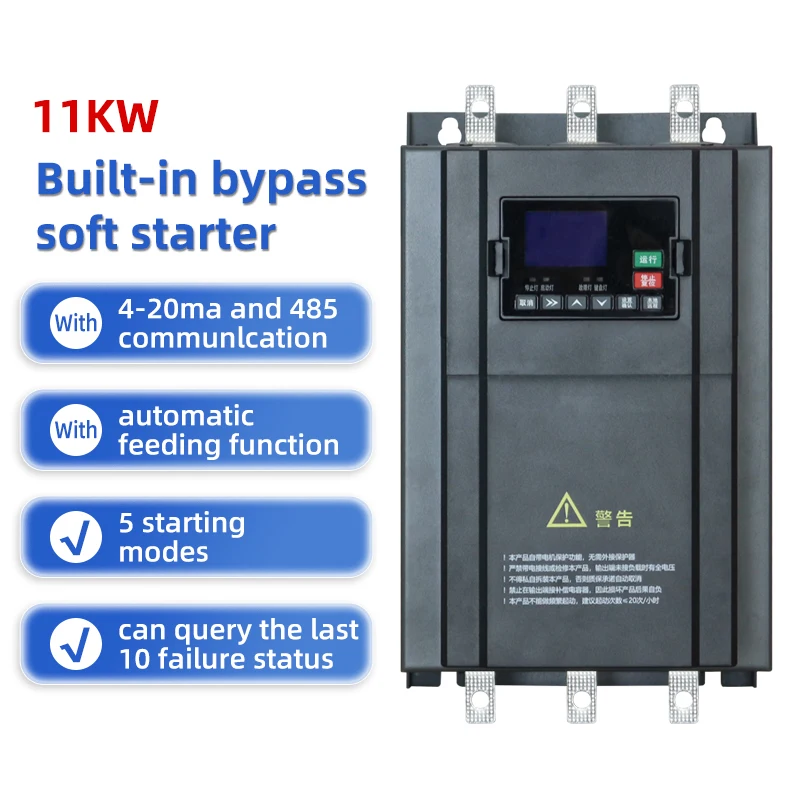
Passenger experience represents a critical quality metric for elevator systems, and the elevator soft starter delivers substantial improvements in ride comfort, smoothness, and overall user satisfaction through its precisely controlled motor acceleration characteristics. Traditional elevator starting methods produce abrupt acceleration forces that passengers perceive as jarring movements, causing momentary disorientation and discomfort that becomes particularly noticeable in high-rise buildings where elevator travel distances and speeds increase substantially. The elevator soft starter eliminates these unpleasant sensations by implementing smooth, progressive acceleration curves that gradually build car velocity without sudden jerks or lurches. This controlled acceleration profile allows passengers to maintain balance naturally without needing to brace themselves or grip handrails during the critical starting phase of elevator travel. The importance of this comfort factor extends beyond mere convenience, as smooth ride quality directly influences tenant satisfaction, building reputation, and even property values in competitive real estate markets. Elderly passengers, individuals with mobility challenges, and people carrying objects particularly appreciate the gentle acceleration characteristics provided by elevator soft starter technology, as these vulnerable populations struggle most with sudden movements and balance disruptions. Vibration reduction constitutes another significant comfort benefit, as the controlled starting process minimizes the oscillations and shaking that often accompany conventional elevator starts. These vibrations transmit through car floors, walls, and handrails, creating unsettling sensations that passengers associate with poor maintenance or unreliable equipment. The elevator soft starter dramatically reduces these vibration levels by eliminating the mechanical shock waves that propagate through elevator structures during harsh starting events. Acoustic comfort improves substantially because smooth motor acceleration reduces the grinding, squealing, and banging noises typically generated when mechanical components suddenly engage under high torque loads. Building occupants in spaces adjacent to elevator shafts and machine rooms benefit from this noise reduction, as the disturbing sounds that interrupt meetings, disrupt sleep in residential settings, and create unpleasant work environments diminish significantly. The psychological impact of smooth, quiet elevator operation should not be underestimated, as passengers subconsciously associate ride quality with overall building quality, safety, and professional management. Premium office buildings, luxury residential towers, and high-end hotels particularly value the enhanced passenger experience delivered by elevator soft starter technology, recognizing that vertical transportation quality directly influences tenant retention, guest satisfaction scores, and competitive market positioning. The technology proves equally valuable in healthcare facilities where patient transport requires maximum smoothness to avoid discomfort for individuals recovering from surgery or experiencing medical conditions sensitive to movement and vibration.
 EN
EN