Intelligent Control Integration and Operational Flexibility
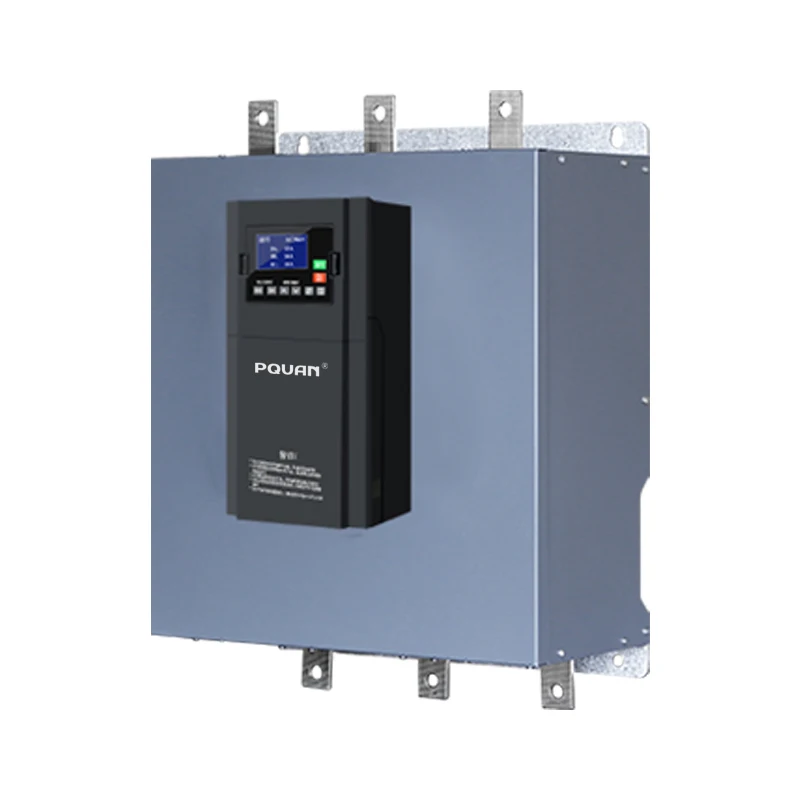
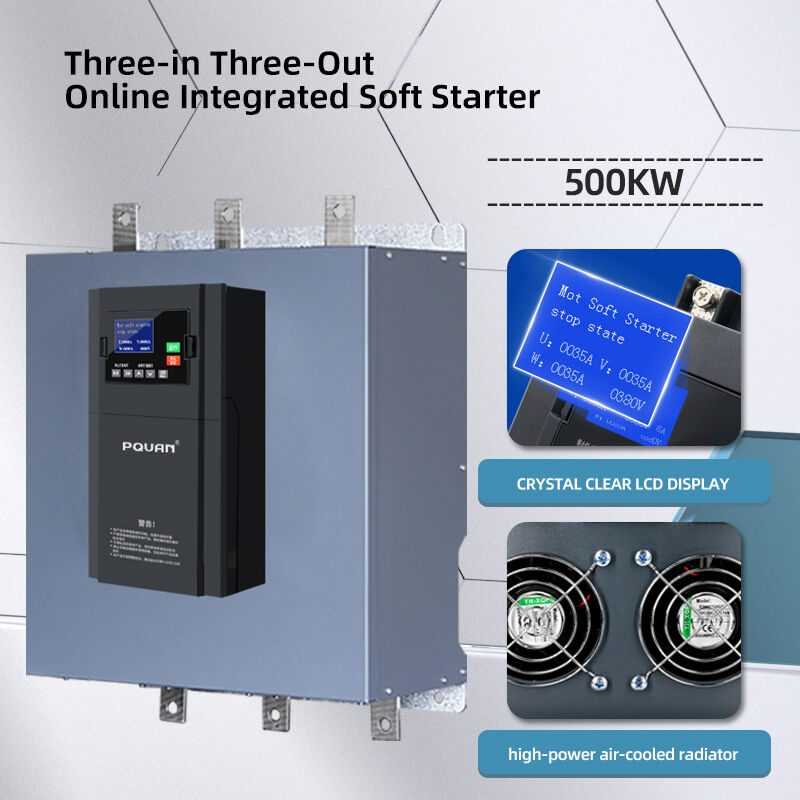
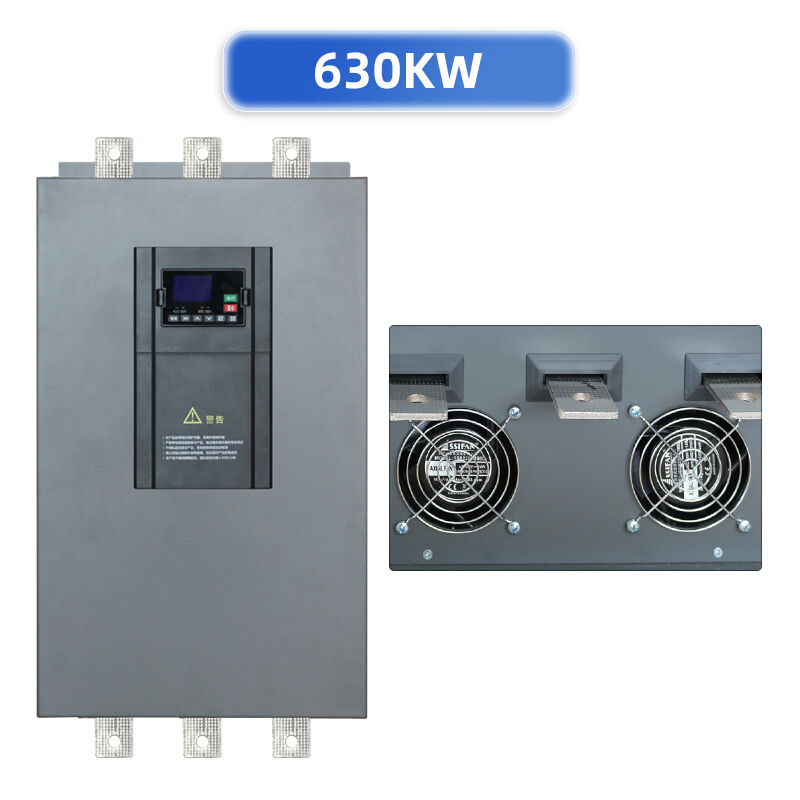
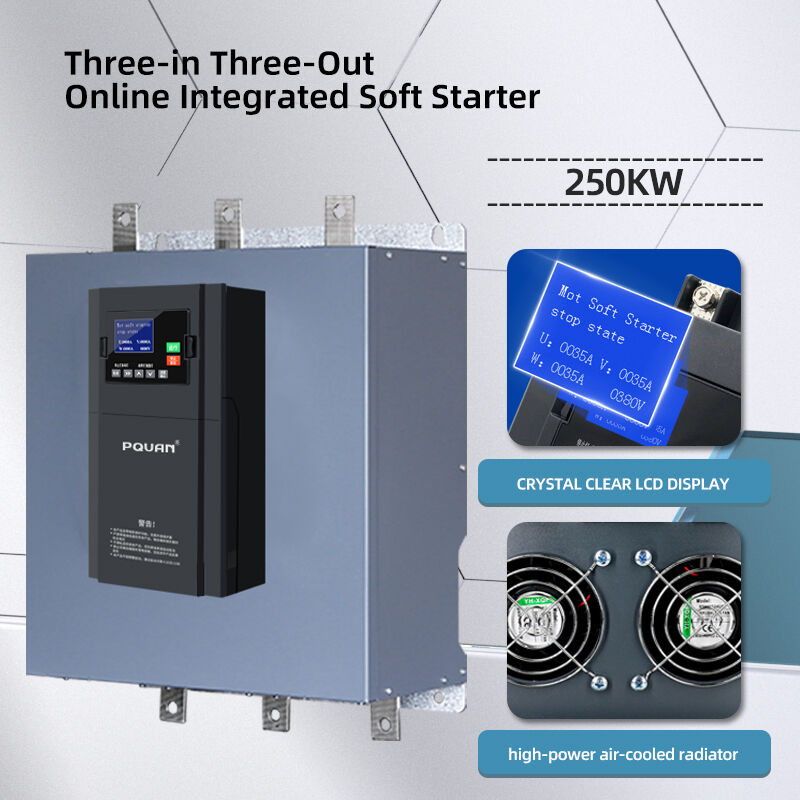
Modern soft starter for hvac system technology delivers far more than simple motor starting, offering sophisticated control capabilities that integrate seamlessly with building automation systems and adapt to changing operational requirements. The microprocessor-based control systems embedded in contemporary soft starters provide programmable acceleration and deceleration profiles that you can customize for specific applications without requiring electrical engineering expertise. Touchscreen interfaces guide operators through setup procedures, allowing them to adjust starting torque, acceleration time, current limits, and protective parameters to match exact application needs. The soft starter for hvac system can store multiple configuration profiles, enabling quick switching between different operating modes for seasonal changes or varying load conditions. Communication capabilities built into these devices allow them to exchange data with building management systems through protocols like Modbus, BACnet, and Ethernet/IP, providing real-time visibility into motor status, energy consumption, and operating conditions. This connectivity enables predictive maintenance strategies where trending data reveals developing problems before they cause equipment failure, allowing you to schedule repairs during planned downtime rather than responding to emergency breakdowns. The diagnostic capabilities of a soft starter for hvac system include fault logging that records overcurrent events, overtemperature conditions, phase imbalances, and other anomalies with precise timestamps and parameter values, giving maintenance personnel the information they need to identify root causes quickly. Advanced models incorporate pump control features that detect dry running conditions, prevent cavitation, and manage pressure transients, protecting both the motor and the hydraulic system. The built-in bypass contactor found in quality soft starter for hvac system units switches the motor to direct line connection after successful startup, eliminating heat generation during normal operation while maintaining the protective benefits of controlled starting. This bypass function also provides redundancy because the motor can operate even if the soft starter electronics fail, ensuring that critical HVAC systems remain operational. Remote monitoring capabilities allow facility managers to supervise multiple installations from central locations, receiving alerts when problems develop and accessing performance data to optimize system efficiency. The programming flexibility means you can implement specialized starting sequences like inside-delta starting for specific motor configurations or kickstart functions that apply brief full voltage pulses to overcome high static friction. Energy management features track cumulative starts, operating hours, and kilowatt-hour consumption, providing the data needed to allocate costs accurately or identify inefficient operating patterns that waste energy.
 EN
EN