Softstarters - Advanced Motor Control Solutions for Reduced Energy Costs and Extended Equipment Life

All Categories
Get a Quote
%}

Get a Free Quote

Our representative will contact you soon.
Email
Mobile/WhatsApp
Name
Message
0/1000

softstarters

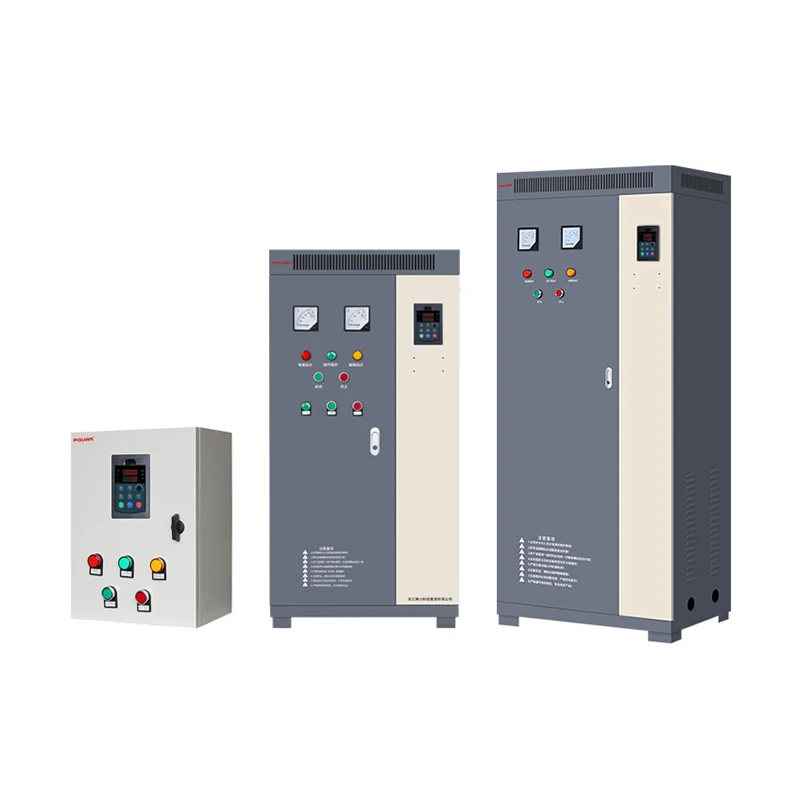
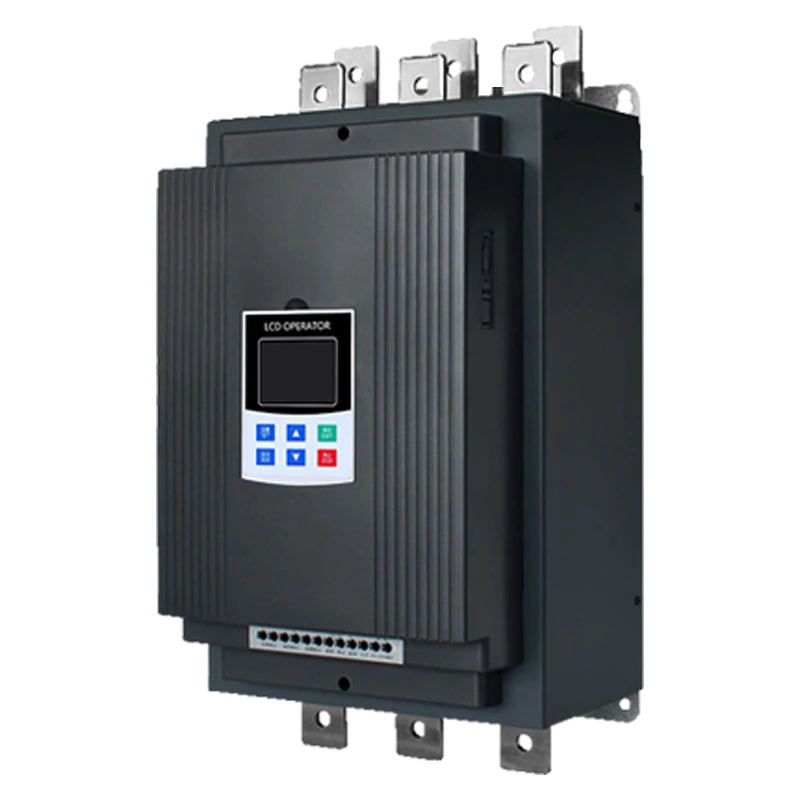
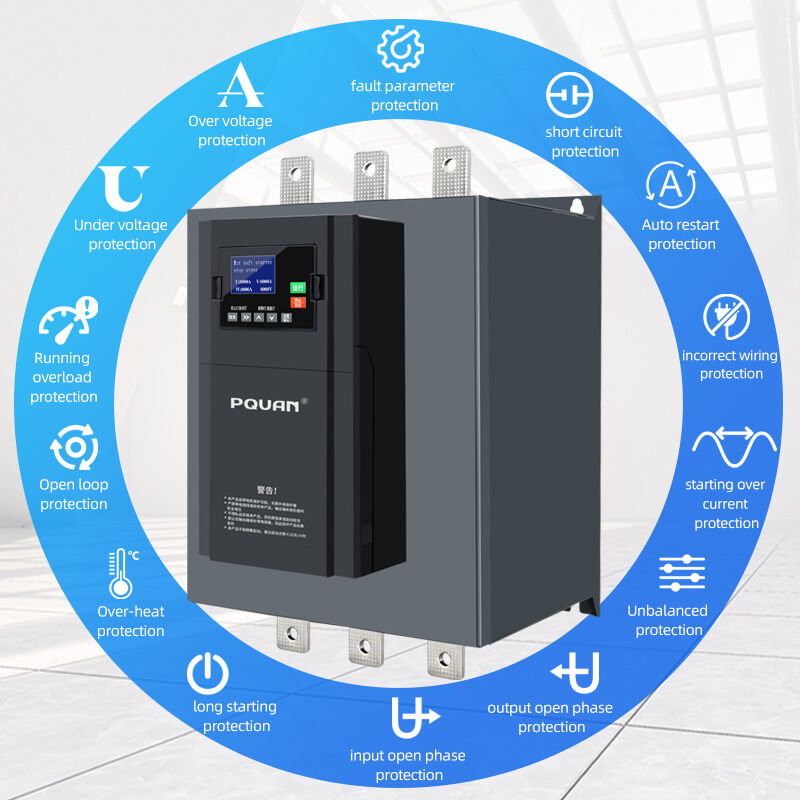
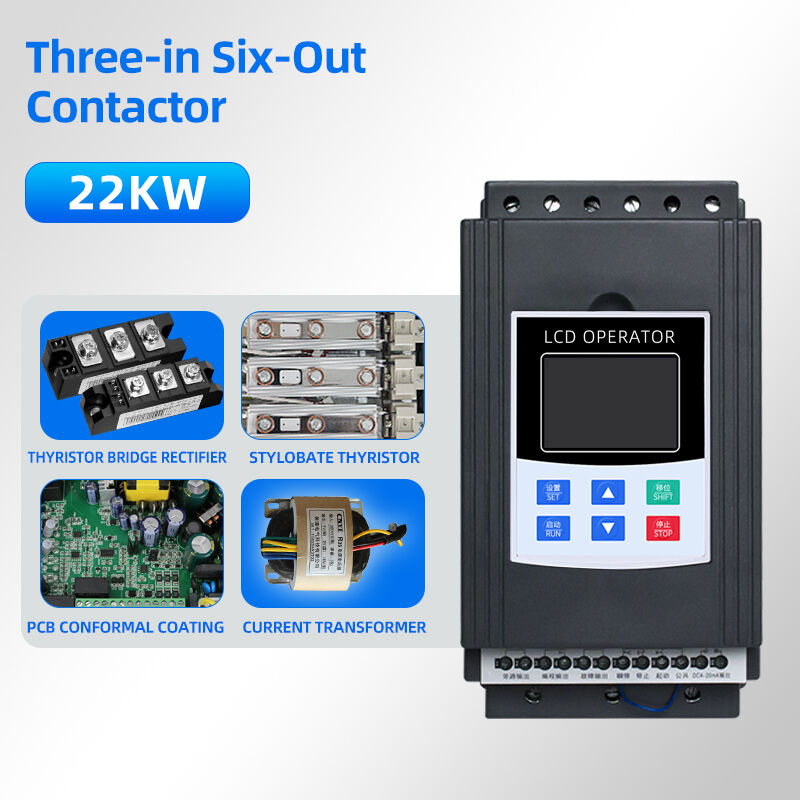
Softstarters represent a critical advancement in motor control technology, designed to manage the starting and stopping processes of electric motors with precision and efficiency. These sophisticated devices control the voltage supplied to motors during startup, preventing the sudden surge of electrical current that typically occurs when motors begin operation. By gradually ramping up voltage delivery, softstarters eliminate the mechanical stress and electrical disturbances associated with direct-on-line motor starting methods. The primary function of softstarters involves reducing inrush current, which can reach six to eight times the normal operating current during conventional motor starts. This controlled acceleration protects both the motor itself and connected mechanical equipment from damaging torque spikes and vibrations. Modern softstarters incorporate advanced electronic components, including thyristors or silicon-controlled rectifiers, which precisely regulate power delivery throughout the starting cycle. These devices monitor various parameters such as current flow, voltage levels, and motor temperature to ensure optimal performance under diverse operating conditions. The technological features of softstarters extend beyond basic current limiting to include customizable acceleration profiles, adjustable starting torque settings, and programmable ramp times that accommodate specific application requirements. Many contemporary softstarters offer built-in motor protection features, including overload detection, phase loss monitoring, and thermal management capabilities that safeguard equipment investments. Applications for softstarters span numerous industrial sectors, from manufacturing facilities utilizing conveyor systems and pumps to commercial buildings operating HVAC equipment and ventilation fans. They prove particularly valuable in systems where mechanical components require gentle acceleration, such as belt-driven equipment, centrifugal pumps, and compressor installations. The versatility of softstarters makes them suitable for motors ranging from small fractional horsepower units to large industrial drives exceeding several hundred kilowatts, providing scalable solutions across diverse power requirements and operational environments.

New Product Recommendations

Installing softstarters in your facility delivers immediate and long-term benefits that positively impact operational efficiency and financial performance. The first major advantage centers on substantial energy savings achieved through optimized motor operation. By controlling the starting process, softstarters reduce peak demand charges that utilities impose during high-consumption periods, translating directly into lower monthly electricity bills. This controlled startup also minimizes unnecessary energy waste that occurs during conventional motor starting sequences. Equipment longevity represents another compelling benefit, as softstarters dramatically reduce mechanical wear on motors, bearings, belts, and connected machinery. The gentle acceleration eliminates sudden jerks and vibrations that gradually damage components over time, extending service life by years rather than months. Maintenance costs decrease significantly because equipment operates under reduced stress conditions, resulting in fewer emergency repairs and unplanned downtime events. Production continuity improves as motors start reliably without causing voltage dips that might affect other sensitive equipment sharing the same electrical network. This stability ensures consistent manufacturing processes and prevents costly production interruptions. Installation flexibility makes softstarters attractive for both new construction projects and retrofit applications in existing facilities. Their compact design requires minimal space compared to alternative starting methods, and straightforward wiring configurations simplify integration into current electrical systems. Modern softstarters feature user-friendly interfaces with digital displays and intuitive programming options that allow operators to adjust settings without specialized training. The protective functions built into softstarters safeguard valuable motor investments by detecting abnormal operating conditions before they cause permanent damage. These intelligent devices monitor performance continuously and respond instantly to potential problems, preventing catastrophic failures that could halt operations for extended periods. Reduced acoustic noise during motor starting creates a more pleasant working environment, particularly important in commercial settings where customer comfort matters. The smooth acceleration eliminates the loud mechanical banging and electrical humming associated with traditional starting methods. Process control benefits emerge as softstarters enable precise management of flow rates, pressure levels, and operational speeds in applications involving pumps and fans. This precision optimizes system performance while reducing stress on piping, ductwork, and associated components. Financial returns on softstarter investments typically materialize within months through combined savings from reduced energy consumption, lower maintenance expenses, and avoided equipment replacement costs. The environmental advantages align with corporate sustainability goals, as improved energy efficiency reduces carbon footprints and demonstrates responsible resource management to stakeholders and customers.

Practical Tips

How Variable Frequency Drives Improve Motor Performance and Lifespan

09

Mar

How Variable Frequency Drives Improve Motor Performance and Lifespan

Electric motors are the workhorses of modern industry, powering everything from HVAC systems and pumps to conveyors and compressors. Yet running these motors at fixed speeds — regardless of actual load demand — wastes significant energy a...
View More
Voltage Regulator Types: Which One Is Right for Your Application?

17

Mar

Voltage Regulator Types: Which One Is Right for Your Application?

In the industrial sector, maintaining a steady, reliable power supply is essential to safeguarding sophisticated automated machinery, high-precision laboratory instruments, and data infrastructures. A voltage regulator serves as a vital safeguard aga...
View More
VFD Drive Troubleshooting: Common Issues and Quick Fixes

13

May

VFD Drive Troubleshooting: Common Issues and Quick Fixes

Variable Frequency Drives (VFDs) are the unsung heroes of modern industrial automation. By controlling the speed and torque of AC motors, a VFD drive optimizes energy consumption, reduces mechanical wear, and enhances process control across various...
View More
ISO9001 Certified VFD Drive: Quality and Safety You Can Depend On

29

May

ISO9001 Certified VFD Drive: Quality and Safety You Can Depend On

In the high-stakes world of industrial automation, equipment reliability is not merely a preference; it is an absolute operational necessity. When managing heavy machinery, engineering teams require absolute assurance that their control components wi...
View More

Get a Free Quote

Our representative will contact you soon.
Email
Mobile/WhatsApp
Name
Message
0/1000

softstarters

Advanced Current Control Technology Prevents Electrical System Disruption

Advanced Current Control Technology Prevents Electrical System Disruption

The sophisticated current control technology embedded within softstarters addresses one of the most challenging aspects of industrial electrical management: preventing system disruption during motor startup sequences. Traditional motor starting methods create massive inrush currents that can reach seven or eight times normal operating levels, causing voltage sags throughout the entire electrical distribution network. These voltage drops affect sensitive electronic equipment, disrupt computerized control systems, and potentially trigger nuisance tripping of protective devices serving other circuits. Softstarters employ precision-engineered thyristor assemblies that function as electronically controlled valves, gradually increasing voltage delivery to the motor windings in a carefully orchestrated sequence. This progressive voltage application allows the motor to develop torque smoothly while drawing manageable current levels that remain within acceptable limits for the electrical infrastructure. The control algorithms programmed into modern softstarters calculate optimal voltage ramp rates based on motor characteristics, load requirements, and system constraints, ensuring each startup event proceeds with maximum efficiency and minimum disruption. Advanced models incorporate real-time monitoring capabilities that continuously measure current flow and adjust control parameters dynamically to accommodate varying load conditions or supply voltage fluctuations. This adaptive response mechanism maintains consistent performance even when external factors change, providing reliable operation across diverse operating scenarios. The current limiting functionality proves especially valuable in facilities with limited electrical service capacity, where adding new motor loads might otherwise require expensive utility service upgrades or transformer replacements. By restricting inrush current to manageable levels, softstarters enable the installation of additional equipment without exceeding existing infrastructure limitations. The technology also protects upstream electrical components such as circuit breakers, contactors, and cables from the thermal and mechanical stresses associated with repetitive high-current events, extending the service life of these critical distribution system elements. Facilities operating multiple motors benefit from coordinated starting sequences that softstarters facilitate, preventing simultaneous startup events that could overwhelm electrical systems. This intelligent load management capability optimizes power utilization while maintaining stable voltage conditions throughout the facility, ensuring all connected equipment receives clean, consistent electrical supply necessary for proper operation and longevity.
Mechanical Protection Features Extend Equipment Service Life Dramatically

Mechanical Protection Features Extend Equipment Service Life Dramatically

The mechanical protection capabilities integrated into softstarters deliver exceptional value by addressing the root causes of premature equipment failure in motor-driven systems. Conventional across-the-line starting subjects motors and connected mechanical equipment to violent acceleration forces that generate destructive shock loads throughout the drive train. These sudden torque impulses strain shaft couplings, stress gear reducers, stretch drive belts, and impose crushing forces on bearings that gradually degrade component integrity with each startup cycle. Softstarters eliminate these damaging mechanical transients by implementing controlled acceleration profiles that bring motors and loads up to operating speed gradually and smoothly. The programmable acceleration parameters allow precise customization of the starting sequence to match specific mechanical system characteristics, ensuring optimal performance for each unique application. Belt-driven systems particularly benefit from gentle acceleration, as sudden starts cause belt slippage and excessive tension that leads to rapid wear and premature replacement. The smooth torque development provided by softstarters keeps belt tension within design limits throughout the starting process, dramatically extending belt service life while maintaining reliable power transmission. Pump applications gain substantial advantages from controlled starting, as water hammer effects that damage piping systems, valves, and pump impellers are virtually eliminated when flow development occurs progressively rather than instantaneously. The reduced mechanical stress translates directly into fewer seal failures, decreased bearing wear, and extended impeller life, significantly lowering maintenance requirements and associated costs. Conveyor systems operating with softstarters experience fewer product spills and reduced package damage because the gentle acceleration prevents sudden jerking motions that disturb transported materials. This smooth operation also protects conveyor structure components, drive chains, and support rollers from the repetitive impact loads that cause premature fatigue failures. Fan installations benefit from vibration reduction during startup, as the controlled acceleration prevents the resonance conditions that occur when fans pass through critical speed ranges too quickly. The built-in overload protection functions within softstarters continuously monitor motor current and temperature, providing advance warning of developing problems before they escalate into catastrophic failures. This predictive capability enables proactive maintenance scheduling based on actual equipment condition rather than arbitrary time intervals, optimizing maintenance resource allocation while preventing unexpected breakdowns that disrupt production schedules and generate emergency repair expenses.
Intelligent Programming Options Optimize Performance Across Diverse Applications

Intelligent Programming Options Optimize Performance Across Diverse Applications

The comprehensive programming capabilities available in contemporary softstarters empower users to optimize motor control strategies for virtually any application requirement or operational challenge. Unlike fixed-function starting devices, programmable softstarters offer extensive parameter adjustment ranges that accommodate the unique characteristics of different motor types, load profiles, and performance objectives. The initial voltage setting determines the starting torque level, allowing operators to configure sufficient torque for challenging loads while minimizing unnecessary current draw for lighter applications. Acceleration time parameters control how quickly the motor reaches full speed, with adjustment ranges typically spanning from one second for simple applications to sixty seconds or more for systems requiring extremely gentle starting. These timing controls enable perfect matching between motor acceleration rates and mechanical system requirements, ensuring optimal performance while protecting equipment. Current limit settings provide additional control by capping maximum current levels during startup, preventing potential overload conditions while ensuring adequate power delivery for proper motor acceleration. Advanced softstarters incorporate multiple starting modes tailored to specific application categories, including voltage ramp profiles ideal for general purpose loads, current limit modes perfect for high-inertia applications, and torque control options suited for constant-torque requirements. The ability to select and customize these operating modes ensures optimal performance across the full spectrum of industrial motor applications. Stopping functions complement starting controls by providing adjustable deceleration profiles that bring motors to rest gradually, preventing reverse rotation and reducing mechanical stress during shutdown sequences. Some models include pump control features specifically designed to eliminate pressure surges in fluid systems by coordinating motor deceleration with system pressure decay. Diagnostic capabilities built into intelligent softstarters provide valuable operational insights through detailed monitoring of starting events, tracking parameters such as start duration, peak current levels, and cumulative motor running hours. This data supports predictive maintenance programs and helps identify developing problems before they cause equipment failures. Communication interfaces enable integration with facility automation systems, allowing centralized monitoring and control of multiple softstarters throughout large installations. Remote access capabilities facilitate troubleshooting and parameter adjustment without requiring physical presence at the equipment location, reducing service response times and minimizing production interruptions. The user interface design emphasizes accessibility, with clear digital displays and intuitive navigation menus that make programming straightforward even for personnel without specialized training, reducing implementation barriers and supporting rapid deployment across diverse operational environments.
Softstarters - Advanced Motor Control Solutions for Reduced Energy Costs and Extended Equipment Life

Get a Free Quote

Our representative will contact you soon.
Email
Mobile/WhatsApp
Name
Message
0/1000