Passenger Comfort and Safety Optimization
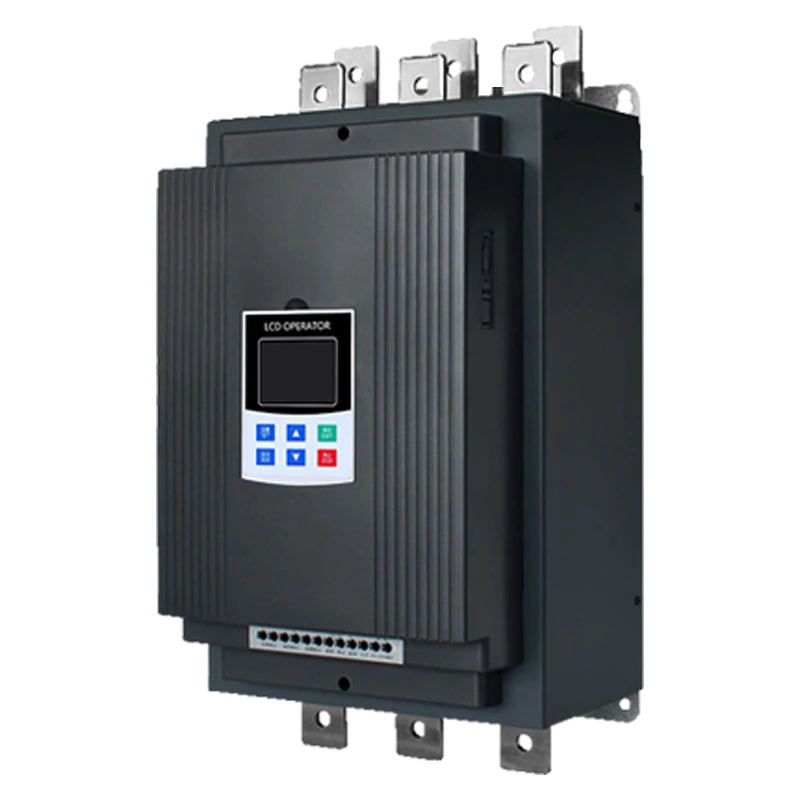
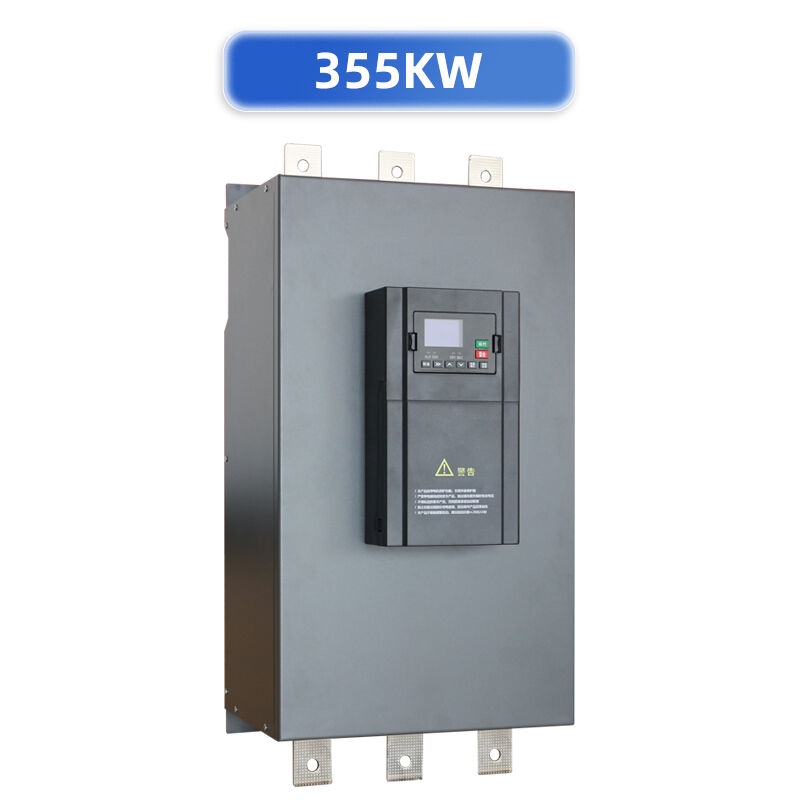
The soft starter for escalator fundamentally transforms the passenger experience by eliminating abrupt movements during startup and shutdown sequences that create safety hazards and discomfort for users of all ages and mobility levels. Traditional escalator starting methods produce sudden jerking motions as motors engage instantaneously, catching passengers off-guard and potentially causing loss of balance, particularly problematic for elderly users, young children, and individuals with mobility impairments who require extra stability during the initial acceleration phase. Smooth acceleration curves programmed into the soft starter for escalator gradually increase speed over several seconds, allowing passengers to adjust naturally to the changing movement without experiencing destabilizing forces that could lead to falls or injuries. This controlled startup proves especially critical in high-traffic environments such as shopping malls, airports, and subway stations where large numbers of people may be standing on escalator steps during startup events, as sudden acceleration could trigger chain-reaction falls affecting multiple passengers simultaneously. The reduction in mechanical noise during motor engagement creates a quieter, more pleasant environment that enhances the overall ambiance in retail spaces where acoustic comfort influences shopping behavior and customer satisfaction ratings. Vibration reduction represents another significant comfort benefit, as the soft starter for escalator eliminates the shuddering and rattling that occurs when mechanical components absorb shock loads during abrupt motor starting, creating a smoother ride quality that passengers consciously or subconsciously appreciate. Emergency stop functionality integrated into soft starter systems provides controlled deceleration rather than instantaneous motor disconnection, preventing the dangerous lurching that occurs with conventional emergency stops and reducing the risk of passenger injury during emergency situations. Adjustable acceleration and deceleration profiles allow facility managers to optimize movement characteristics based on specific passenger demographics and traffic patterns, programming gentler acceleration curves in senior living facilities or medical centers while using more aggressive profiles in transit stations serving primarily able-bodied commuters. The soft starter for escalator supports variable speed operation in advanced installations, automatically adjusting escalator speed based on passenger loading detected through sensors, running at reduced speeds when empty to save energy while accelerating smoothly to full speed when passengers approach. This dynamic speed adjustment maintains optimal passenger throughput during peak periods while minimizing energy waste during quiet times, all accomplished through smooth transitions that passengers barely notice. Anti-rollback protection features prevent escalators from reversing direction if motor power fails during upward travel while loaded with passengers, a dangerous scenario that soft starter control logic detects and prevents through electronic braking and mechanical lock engagement. Diagnostic monitoring continuously verifies proper operation of safety circuits including handrail speed sensors, step chain tension switches, and skirt panel obstruction detectors, alerting maintenance personnel immediately if any safety system component fails or operates outside normal parameters. The soft starter for escalator records safety-related events in audit logs that document proper system operation for regulatory compliance inspections and liability protection, demonstrating facility management commitment to passenger safety through documented equipment performance. By prioritizing passenger comfort and safety through controlled movement, reduced noise, and comprehensive monitoring, the soft starter for escalator transforms vertical transportation from a purely functional necessity into a refined element of building infrastructure that enhances user experience and reduces liability exposure.
 EN
EN