Single Phase to Three Phase Inverter: Reliable Power Conversion Solutions for Industrial Applications

All Categories
Get a Quote
%}

Get a Free Quote

Our representative will contact you soon.
Email
Mobile/WhatsApp
Name
Message
0/1000

single phase to three phase inverter

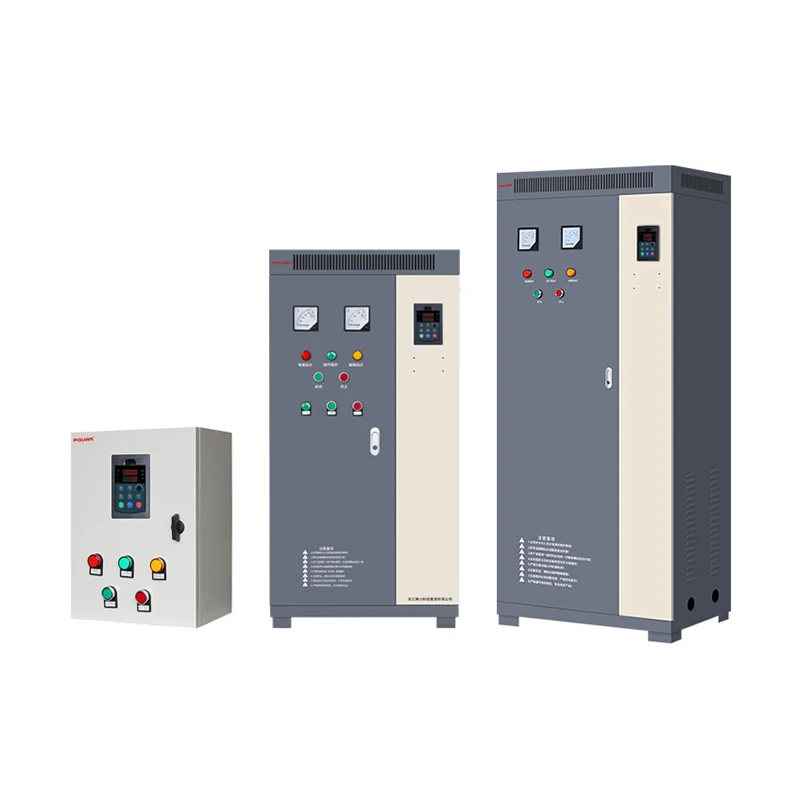
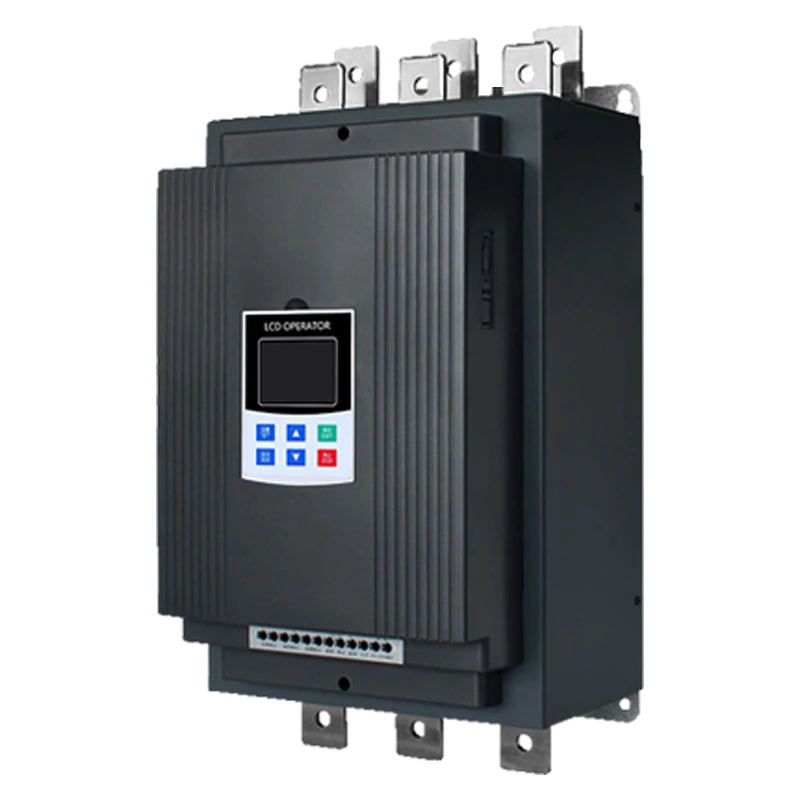
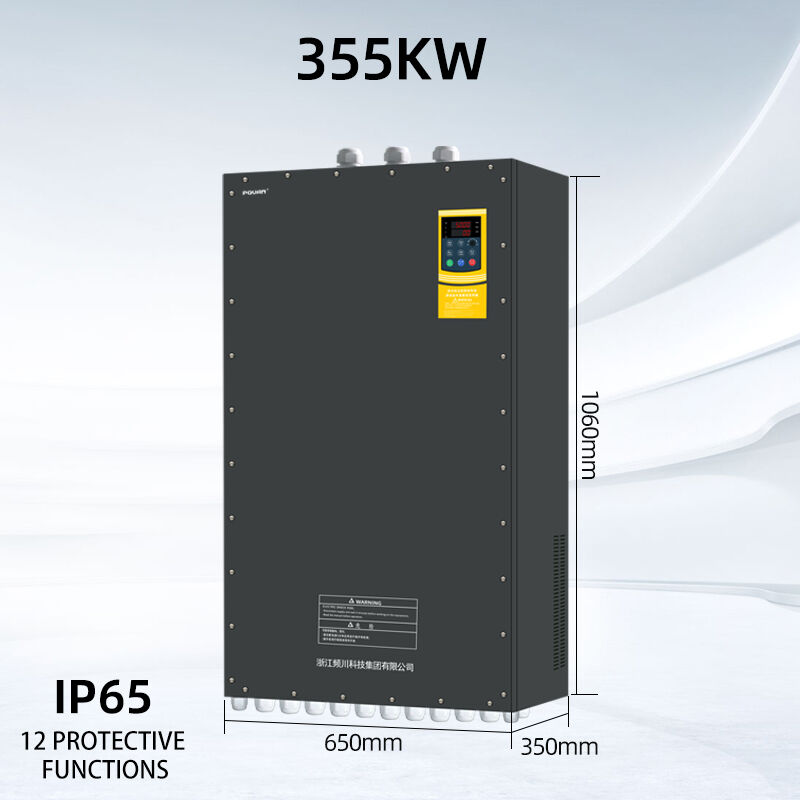
A single phase to three phase inverter represents a sophisticated power conversion device that transforms single-phase electrical input into three-phase output power. This technology serves as a critical solution for industrial and commercial applications where three-phase equipment must operate in locations with only single-phase power supply available. The single phase to three phase inverter utilizes advanced power electronics and digital signal processing to create balanced three-phase voltage and current waveforms from a single-phase source. The main function of this inverter is to enable the operation of three-phase motors, pumps, compressors, and other industrial equipment in environments where three-phase utility power is unavailable or prohibitively expensive to install. Modern single phase to three phase inverters incorporate microprocessor-based control systems that ensure precise voltage regulation, frequency stability, and phase balance across all three output phases. These devices typically feature variable frequency drive capabilities, allowing users to control motor speed and torque for optimal performance and energy efficiency. The technological features include advanced pulse width modulation techniques, which produce clean sinusoidal output waveforms with minimal harmonic distortion. Protection mechanisms such as overcurrent protection, overvoltage protection, thermal monitoring, and short circuit protection ensure safe and reliable operation. Applications span diverse industries including agriculture, where single phase to three phase inverters power irrigation pumps and grain handling equipment in rural areas. Manufacturing facilities use these inverters to operate machinery and production equipment when expanding into buildings with limited electrical infrastructure. The HVAC industry relies on single phase to three phase inverters for commercial air conditioning systems and ventilation equipment. Construction sites benefit from portable inverter solutions that enable the use of heavy-duty three-phase tools and equipment powered from temporary single-phase connections. The renewable energy sector employs these inverters in solar pumping systems and off-grid installations where creating three-phase power from single-phase solar inverter output proves necessary for driving efficient three-phase motors and equipment.

New Product Recommendations

The single phase to three phase inverter delivers substantial cost savings by eliminating the need for expensive utility service upgrades when three-phase power is required. Installing three-phase power lines from the utility can cost thousands or tens of thousands of dollars, especially in rural or remote locations where infrastructure is limited. By converting readily available single-phase power, these inverters provide an immediate and economical solution that pays for itself quickly through avoided installation costs. Energy efficiency represents another significant advantage, as the single phase to three phase inverter enables the use of three-phase motors, which operate more efficiently than their single-phase counterparts. Three-phase motors deliver smoother torque, reduced vibration, and lower operating temperatures, translating to decreased energy consumption and extended equipment lifespan. Users typically experience energy savings of fifteen to twenty-five percent when operating three-phase motors compared to single-phase alternatives of equivalent power. The flexibility offered by a single phase to three phase inverter proves invaluable for businesses experiencing growth or changing operational needs. Companies can relocate equipment to different facilities or expand operations into new buildings without worrying about available power infrastructure. This mobility reduces operational constraints and supports business agility in competitive markets. Installation simplicity provides practical benefits, as connecting a single phase to three phase inverter requires less complex electrical work than establishing new three-phase service. Standard electricians can complete installations quickly without specialized utility coordination or extended permitting processes. The compact design of modern inverters allows installation in space-constrained environments where traditional electrical infrastructure would prove impractical. Operational reliability improves because the single phase to three phase inverter includes built-in protection features that safeguard connected equipment from electrical anomalies. Voltage regulation maintains consistent power quality regardless of fluctuations in the input supply, protecting sensitive electronics and preventing premature equipment failure. Motor performance optimization through variable frequency control allows operators to match equipment speed precisely to application requirements, reducing mechanical stress and improving process control. This capability eliminates the need for mechanical speed reduction systems like gearboxes or belt drives, simplifying equipment design and reducing maintenance requirements. Maintenance costs decrease as three-phase motors powered by quality inverters experience less wear and require fewer repairs over their operational life. The smooth power delivery eliminates the pulsating torque characteristic of single-phase motors, reducing bearing wear and extending motor life significantly. Environmental benefits emerge from reduced energy consumption and improved equipment efficiency, lowering the carbon footprint of operations while supporting sustainability initiatives that increasingly matter to customers and regulatory bodies.

Practical Tips

How Variable Frequency Drives Improve Motor Performance and Lifespan

09

Mar

How Variable Frequency Drives Improve Motor Performance and Lifespan

Electric motors are the workhorses of modern industry, powering everything from HVAC systems and pumps to conveyors and compressors. Yet running these motors at fixed speeds — regardless of actual load demand — wastes significant energy a...
View More
Common Problems with Voltage Stabilizers and How to Troubleshoot Them

16

Apr

Common Problems with Voltage Stabilizers and How to Troubleshoot Them

In many industrial and commercial facilities, voltage stabilizers are the unsung heroes of electrical reliability. These devices work tirelessly behind the scenes to smooth out unpredictable grid fluctuations, protecting sensitive machinery from the ...
View More
Long-Lasting Voltage Stabilizer: Maintenance Tips to Extend Service Life

28

Apr

Long-Lasting Voltage Stabilizer: Maintenance Tips to Extend Service Life

Unstable electrical grids present a constant hazard to expensive machinery and sophisticated production lines. A high-performance voltage stabilizer serves as your primary line of defense, correcting under-voltage, over-voltage, and transient surges ...
View More
How to Install an Automatic Voltage Regulator: Step-by-Step Guide

14

May

How to Install an Automatic Voltage Regulator: Step-by-Step Guide

Fluctuations within low-voltage electrical distribution networks present a continuous hazard to high-value industrial machinery. Deploying an Automatic Voltage Regulator is the most effective strategy for neutralizing voltage sags, surges, and transi...
View More

Get a Free Quote

Our representative will contact you soon.
Email
Mobile/WhatsApp
Name
Message
0/1000

single phase to three phase inverter

Advanced Power Conversion Technology Ensures Reliable Three-Phase Output

Advanced Power Conversion Technology Ensures Reliable Three-Phase Output

The single phase to three phase inverter employs cutting-edge power electronics technology that delivers consistent and reliable three-phase electrical output from single-phase input sources. At the heart of this technology lies sophisticated insulated gate bipolar transistor modules that switch at high frequencies to synthesize clean three-phase waveforms. The inverter's digital signal processor continuously monitors input conditions and adjusts switching patterns in real-time to maintain balanced voltage and current across all three output phases. This active control ensures that each phase maintains precise 120-degree separation, creating the rotating magnetic field essential for efficient three-phase motor operation. The importance of this technological foundation cannot be overstated, as poor quality three-phase output can cause motors to overheat, vibrate excessively, and fail prematurely. Professional-grade single phase to three phase inverters achieve total harmonic distortion levels below three percent, meaning the output waveform closely approximates the pure sinusoidal shape that motors are designed to use. This clean power delivery protects connected equipment from electrical stress while maximizing operational efficiency. The value proposition extends beyond basic power conversion to include intelligent features like automatic input voltage compensation, which maintains stable output even when single-phase supply voltage fluctuates due to utility conditions or other loads on the circuit. Soft start functionality gradually accelerates connected motors, eliminating the high inrush currents that can trip breakers or damage motor windings during direct-on-line starting. Users benefit from extended equipment lifespan, reduced maintenance costs, and improved operational reliability. The single phase to three phase inverter also incorporates comprehensive diagnostic capabilities that monitor system performance and alert operators to potential issues before they cause failures. Display interfaces provide real-time information about input voltage, output voltage, current draw, frequency, and operating temperature, enabling proactive maintenance and troubleshooting. The robust construction of quality inverters ensures dependable operation in challenging industrial environments with temperature extremes, humidity, dust, and vibration that would compromise lesser equipment.

Variable Frequency Drive Functionality Optimizes Equipment Performance

Variable Frequency Drive Functionality Optimizes Equipment Performance

Modern single phase to three phase inverters integrate variable frequency drive capabilities that transform them from simple power converters into sophisticated motor control systems. This functionality allows operators to precisely adjust the speed of three-phase motors by varying the output frequency from the inverter, typically across a range from zero to several hundred hertz. The ability to control motor speed delivers tremendous value across countless applications where matching equipment speed to process requirements improves efficiency, product quality, and operational flexibility. In pumping applications, for example, reducing pump speed by twenty percent through frequency adjustment can decrease energy consumption by nearly fifty percent due to the cubic relationship between flow and power in centrifugal pumps. This controllability eliminates the waste associated with throttling valves or bypass systems that force motors to run at full speed while mechanically restricting output. The single phase to three phase inverter with variable frequency capability enables soft ramping of motor speed, allowing gradual acceleration and deceleration that eliminates mechanical shock and extends the life of belts, bearings, and coupled equipment. Manufacturing processes benefit from the precise speed control that ensures consistent product quality and enables easy adjustment for different production requirements without mechanical modifications. HVAC systems achieve superior comfort control and energy efficiency when fan and compressor speeds match actual heating and cooling demands rather than cycling on and off at full capacity. The economic value of variable frequency operation compounds over time as energy savings accumulate month after month while maintenance costs decrease due to reduced equipment wear. Environmental benefits align with corporate sustainability goals as lower energy consumption directly translates to reduced greenhouse gas emissions. The single phase to three phase inverter with integrated variable frequency drive eliminates the need to purchase separate motor starters and speed controllers, simplifying system design and reducing overall equipment costs. Programming interfaces allow operators to configure acceleration times, deceleration times, minimum and maximum frequencies, and motor protection parameters to match specific application requirements perfectly. Advanced models offer multiple speed presets that operators can select via external switches or control signals, enabling quick changeover between different operational modes without manual adjustment.
Comprehensive Protection Features Safeguard Equipment Investment

Comprehensive Protection Features Safeguard Equipment Investment

Investment protection represents a critical consideration when deploying industrial equipment, and the single phase to three phase inverter delivers exceptional value through its comprehensive array of built-in protection features. These safety mechanisms continuously monitor electrical and thermal conditions to prevent damage to both the inverter itself and connected equipment. Overcurrent protection detects excessive current draw that could indicate motor overload, locked rotor conditions, or short circuits, immediately shutting down the inverter before damage occurs. This protection proves especially valuable because three-phase motors can draw several times their rated current during fault conditions, potentially destroying windings within seconds without intervention. Overvoltage and undervoltage protection monitors the single-phase input supply and prevents operation when voltage levels fall outside acceptable ranges that could compromise inverter components or produce inadequate three-phase output. Ground fault detection identifies insulation breakdown or unintended current paths to ground that create safety hazards and equipment damage risks. Thermal protection uses temperature sensors embedded within the inverter's power modules to prevent overheating during sustained high-load operation or when ambient temperatures exceed normal levels. The single phase to three phase inverter typically includes cooling fans that activate automatically when internal temperatures rise, maintaining optimal operating conditions and extending component life. Phase loss protection detects imbalanced output conditions that could result from component failure or wiring issues, preventing the single-phasing condition that rapidly destroys three-phase motors. Short circuit protection responds instantaneously to fault currents, protecting both the inverter and connected wiring from damage. These protection features provide peace of mind for equipment operators and facility managers who understand that unplanned downtime and equipment replacement costs far exceed the investment in quality protective systems. The value extends to insurance considerations, as properly protected electrical systems may qualify for reduced premiums and demonstrate due diligence in risk management. Maintenance personnel appreciate diagnostic features that identify the specific protection event that caused a shutdown, accelerating troubleshooting and minimizing downtime. Reset procedures often include automatic retry functionality that attempts to restart operation after transient faults clear, reducing the need for manual intervention during momentary disturbances. The single phase to three phase inverter with comprehensive protection represents a complete power solution that addresses not only the immediate need for three-phase power but also the long-term requirements for reliable, safe, and maintainable industrial electrical systems.
Single Phase to Three Phase Inverter: Reliable Power Conversion Solutions for Industrial Applications

Get a Free Quote

Our representative will contact you soon.
Email
Mobile/WhatsApp
Name
Message
0/1000