Comprehensive Protection Systems Ensure Long-Term Reliability
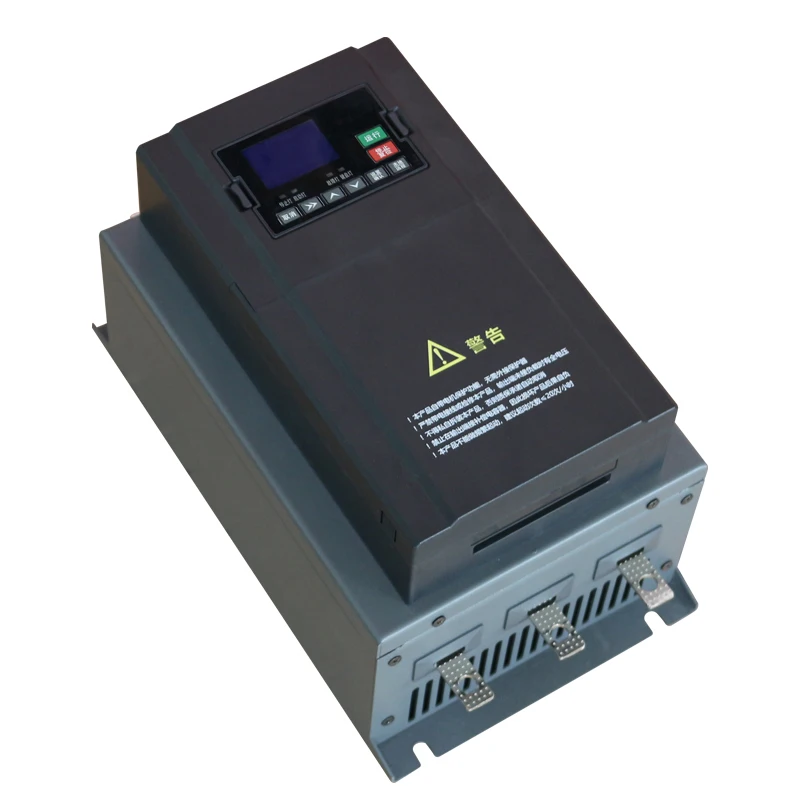
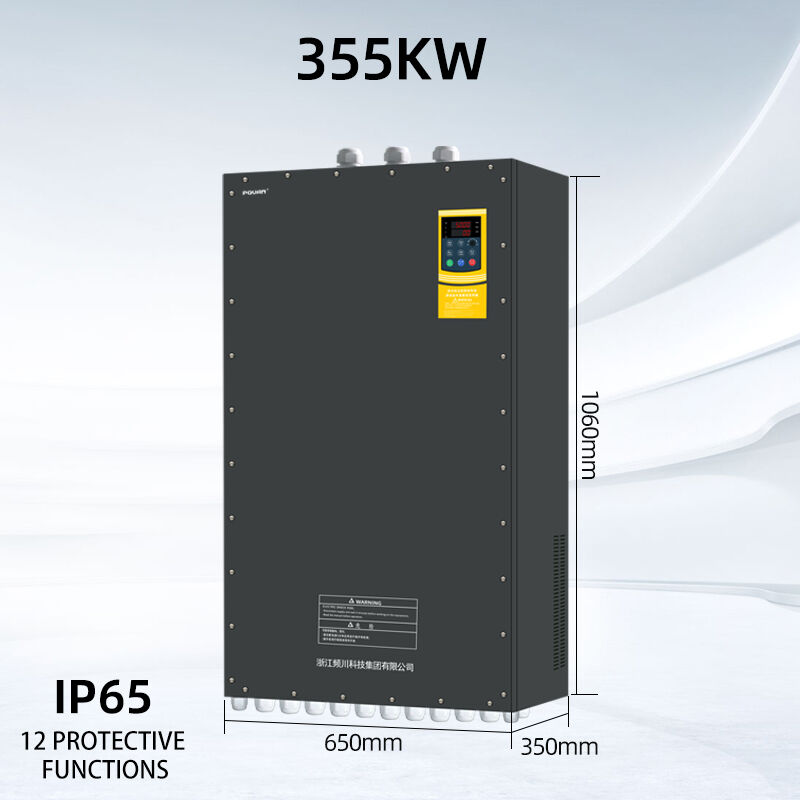
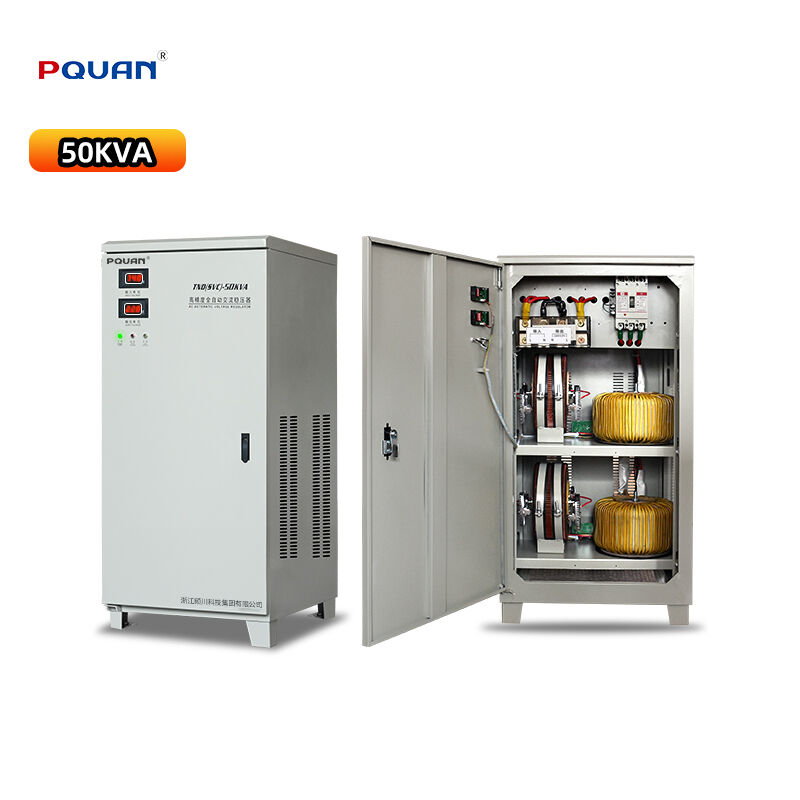
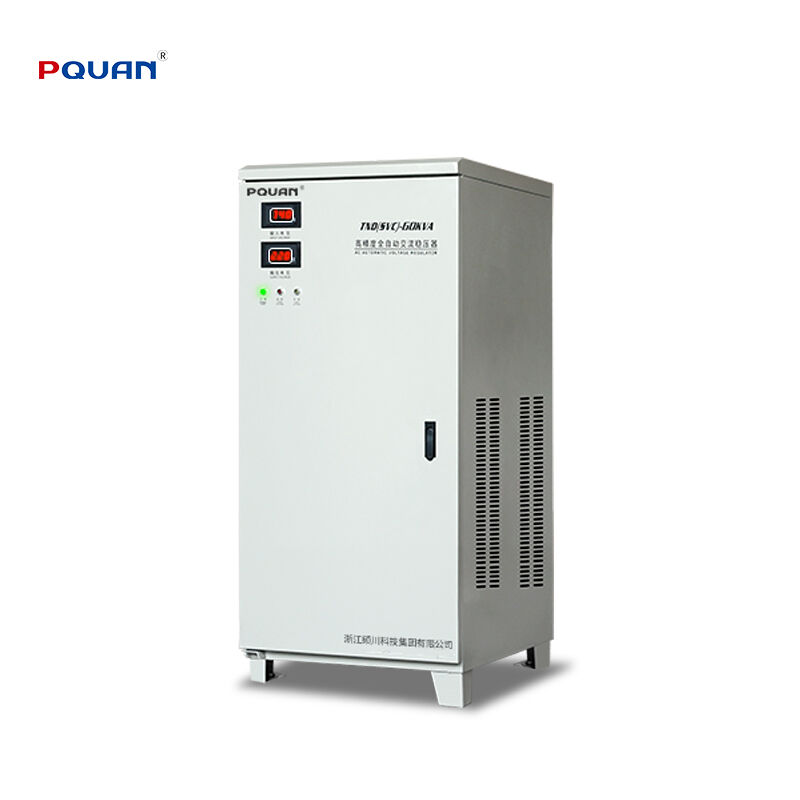
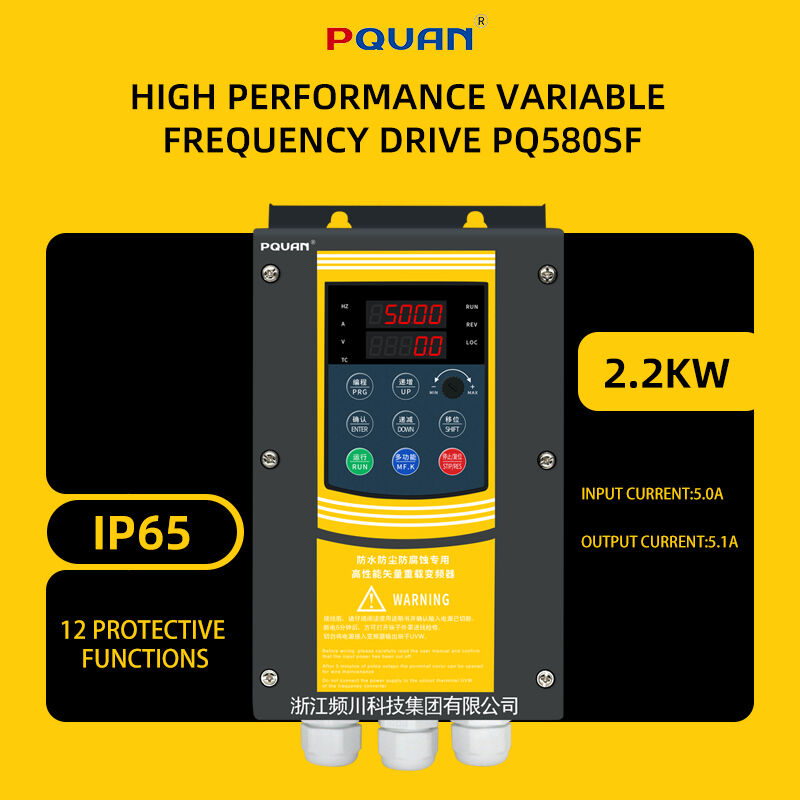
The harsh realities of electrical system operation demand robust protection mechanisms that safeguard both inverter solutions and connected equipment from the numerous threats encountered during typical operation. Comprehensive protection systems integrated into quality inverter solutions represent the difference between decades of reliable service and premature failures that disrupt operations and necessitate costly replacements. Overvoltage protection forms the first line of defense, continuously monitoring input voltage levels and immediately responding to dangerous spikes that could destroy sensitive electronic components. These protection circuits react within microseconds, clamping excessive voltages or disconnecting the input before damage occurs. Lightning strikes, utility switching transients, and equipment malfunctions all generate voltage surges that would devastate unprotected systems, but advanced inverter solutions absorb or deflect these threats routinely. Overcurrent protection works in tandem with voltage monitoring, detecting excessive current flows that indicate short circuits, ground faults, or overloaded conditions. Rather than simply disconnecting power, intelligent protection algorithms distinguish between momentary inrush currents during motor starting and sustained fault conditions requiring immediate shutdown. This discrimination prevents nuisance trips while ensuring genuine hazards trigger protective responses. Thermal management systems represent another critical protection layer, since excessive heat accelerates component degradation and reduces inverter solutions lifespan dramatically. Temperature sensors positioned throughout the device monitor critical components, with cooling systems activating automatically to maintain safe operating ranges. If temperatures continue rising despite active cooling, the inverter solutions reduce output power or shut down completely, preventing thermal runaway and permanent damage. The sophisticated thermal algorithms account for ambient conditions, loading patterns, and altitude effects, optimizing performance while maintaining protection margins. Ground fault detection capabilities protect personnel and prevent equipment damage by identifying current leakage paths that indicate insulation failures or dangerous fault conditions. These systems must operate reliably across wide resistance ranges, detecting both hard faults and subtle deterioration that could evolve into serious hazards. Arc fault protection represents the newest advancement in inverter solutions safety technology, identifying the unique electrical signatures of dangerous arcing conditions that traditional protection systems miss. Arcing faults pose serious fire risks in solar installations and other DC systems, making this protection increasingly mandatory in building-integrated applications. The protection systems extend beyond electrical parameters to encompass environmental monitoring and adaptive operation. Humidity sensors detect condensation risks, preventing operation that could cause corrosion or electrical tracking. Vibration monitoring identifies mounting failures or mechanical issues before they escalate. The self-diagnostic capabilities continuously test protection circuits themselves, ensuring these critical systems remain operational throughout the inverter solutions lifetime. Comprehensive event logging captures every protection activation, providing valuable data for troubleshooting, warranty claims, and system optimization. The layered protection approach ensures no single point of failure compromises system safety, with independent backup mechanisms monitoring critical parameters through separate circuits and processors.
 EN
EN