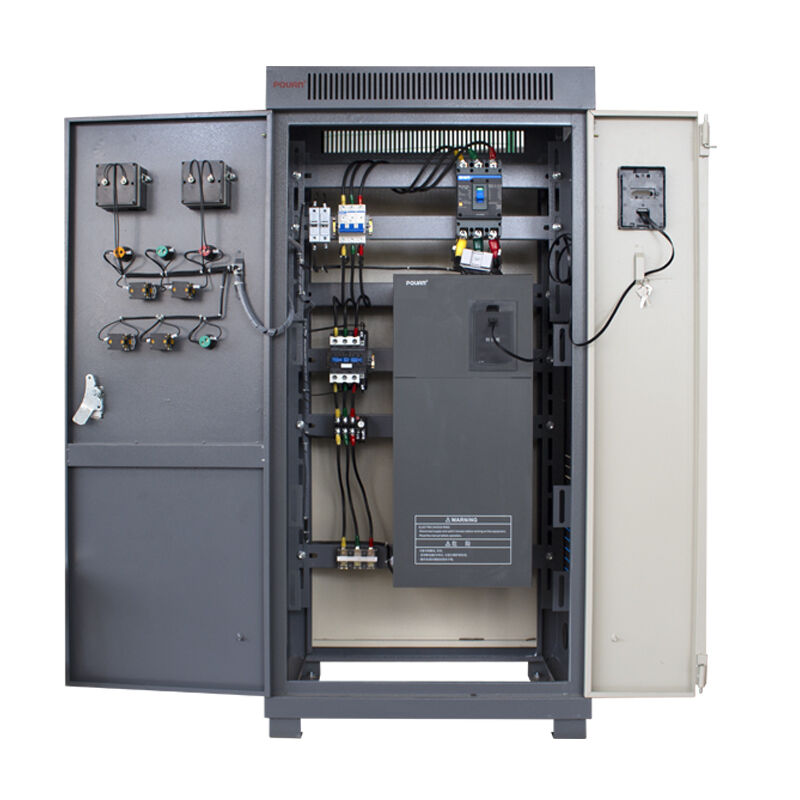
Advanced Motor Protection and Longevity Enhancement
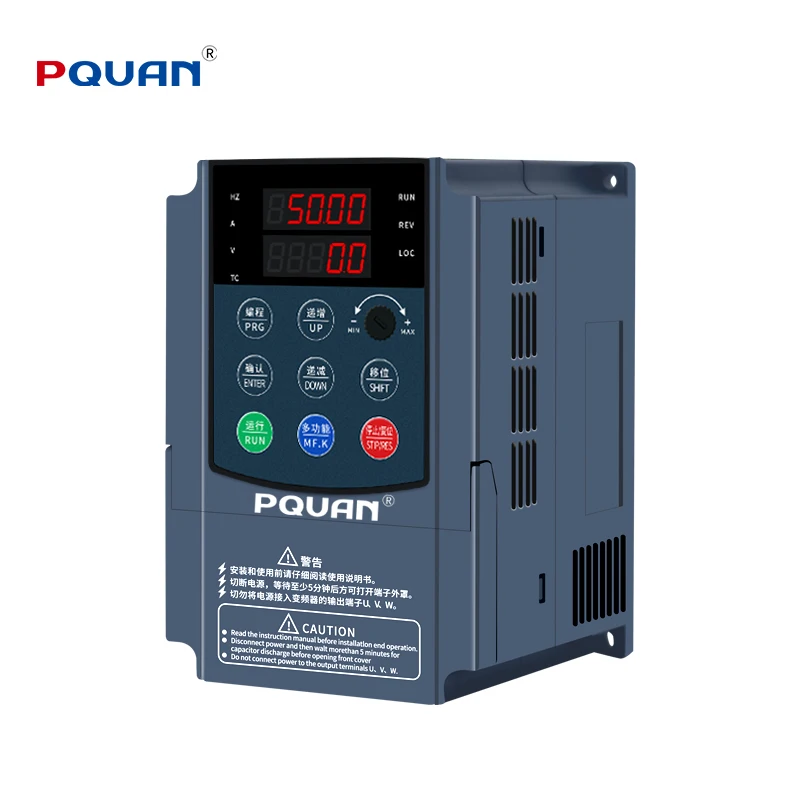
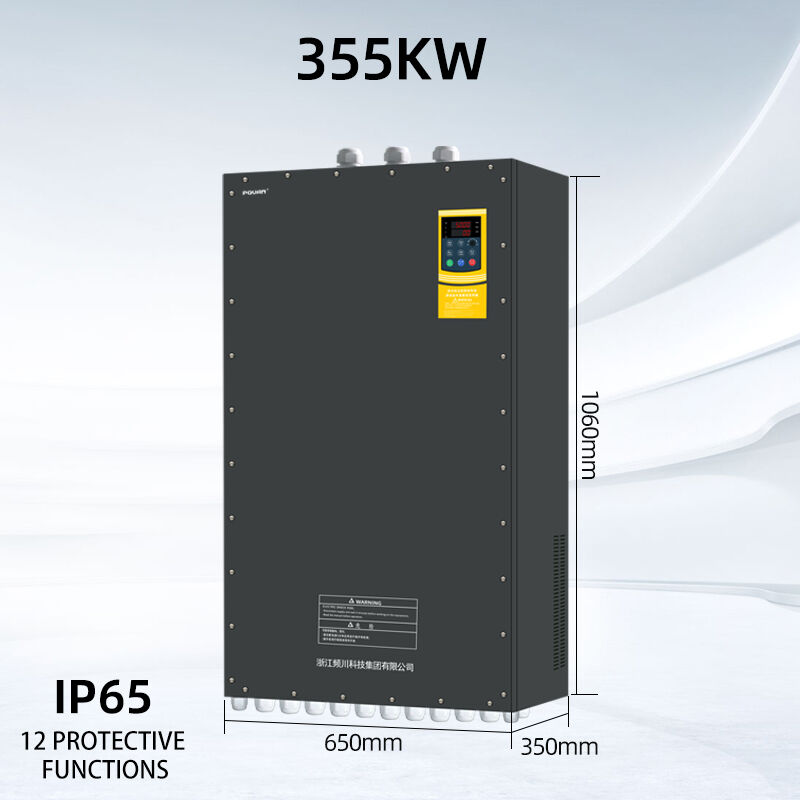
The inverter for agricultural pump features comprehensive motor protection systems that dramatically extend equipment lifespan while preventing costly failures. This sophisticated protection architecture monitors dozens of operational parameters simultaneously, detecting potential problems before they cause damage to expensive pump motors and associated mechanical components. The overload protection system continuously measures motor current, automatically reducing speed or shutting down operation when excessive load conditions threaten motor integrity. This prevents burnout situations that would otherwise require complete motor replacement, saving farmers thousands in repair costs. The thermal management system tracks motor temperature through direct sensors or algorithmic estimation, preventing overheating damage during extended operation or high ambient temperature conditions common in agricultural settings. The phase loss detection immediately identifies electrical supply problems, preventing single-phase operation that rapidly destroys three-phase motors through unbalanced heating and excessive current draw. Undervoltage and overvoltage protection shields motors from electrical supply irregularities prevalent in rural power networks, where voltage stability often falls below urban standards. The short circuit protection responds within milliseconds to fault conditions, disconnecting power before catastrophic damage occurs to motor windings or inverter components. The ground fault detection identifies insulation breakdown or moisture intrusion, alerting operators to maintenance needs before complete failure occurs. The inverter for agricultural pump implements soft-start technology that gradually increases motor speed over several seconds, eliminating mechanical shock loads that stress pump shafts, bearings, couplings, and impeller attachments. This gentle acceleration reduces vibration and noise while extending mechanical component life expectancy by fifty percent or more compared to across-the-line starting methods. The controlled deceleration prevents water hammer effects in piping systems, protecting pipes, valves, and fittings from pressure spikes that cause leaks and structural damage. The bearing protection algorithm monitors motor performance characteristics, identifying bearing wear patterns before catastrophic failure occurs, enabling scheduled maintenance rather than emergency repairs during critical irrigation periods. The stall prevention system detects locked rotor conditions caused by debris obstruction or mechanical binding, immediately stopping operation before motor damage occurs. The maintenance reminder system tracks operating hours and cycles, alerting operators when routine service intervals approach, promoting proactive maintenance practices that maximize equipment reliability. The diagnostic recording capability stores fault history and operational data, enabling technicians to identify recurring issues and implement permanent solutions rather than temporary fixes. This comprehensive protection approach ensures the inverter for agricultural pump delivers maximum return on investment through extended equipment life, reduced maintenance costs, and minimized unexpected downtime.
 EN
EN