Saumaton laiteintegraatio
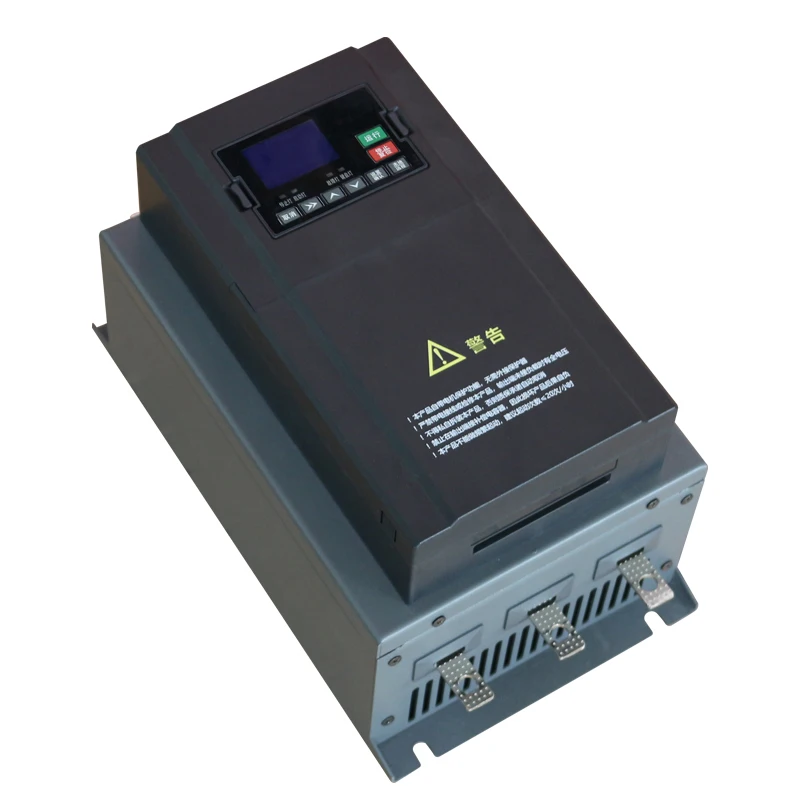
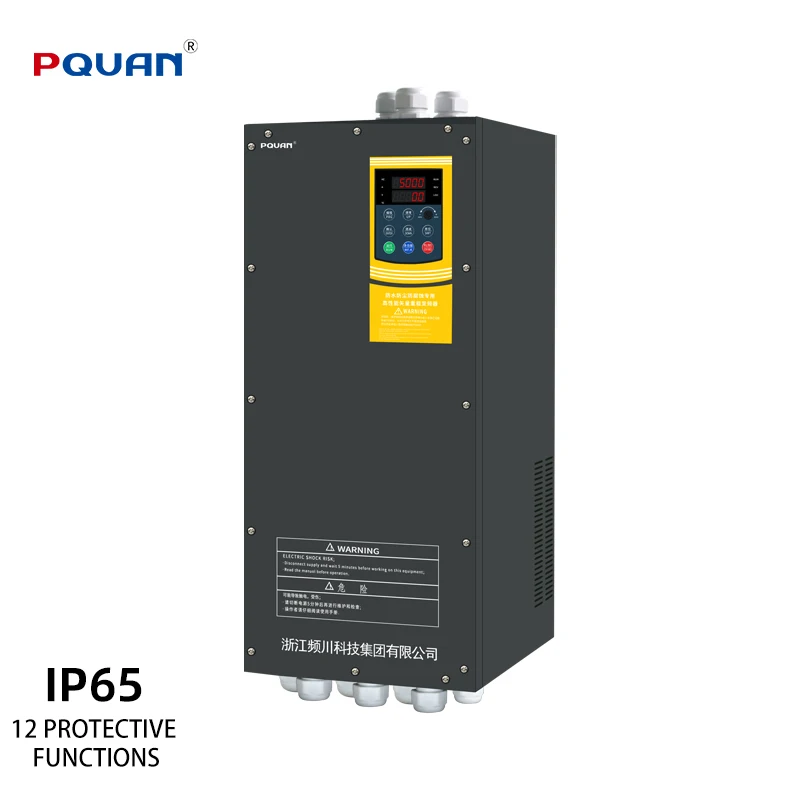
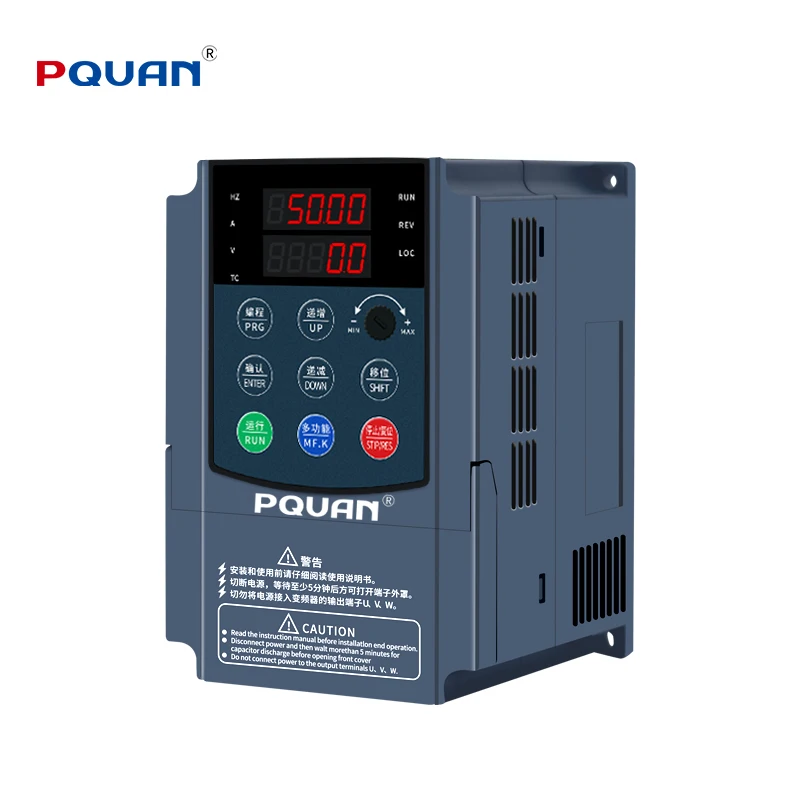
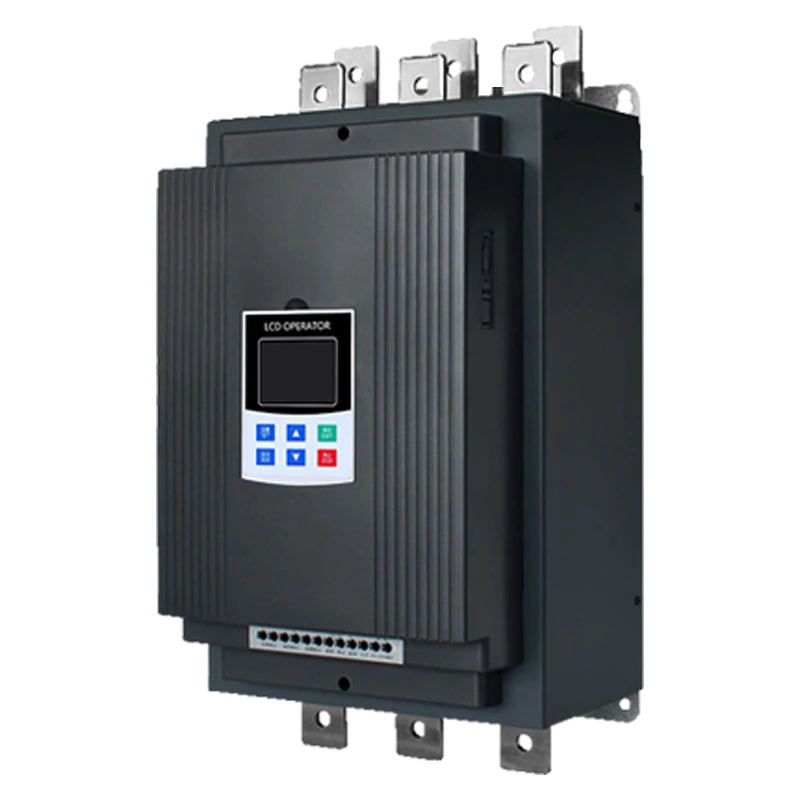
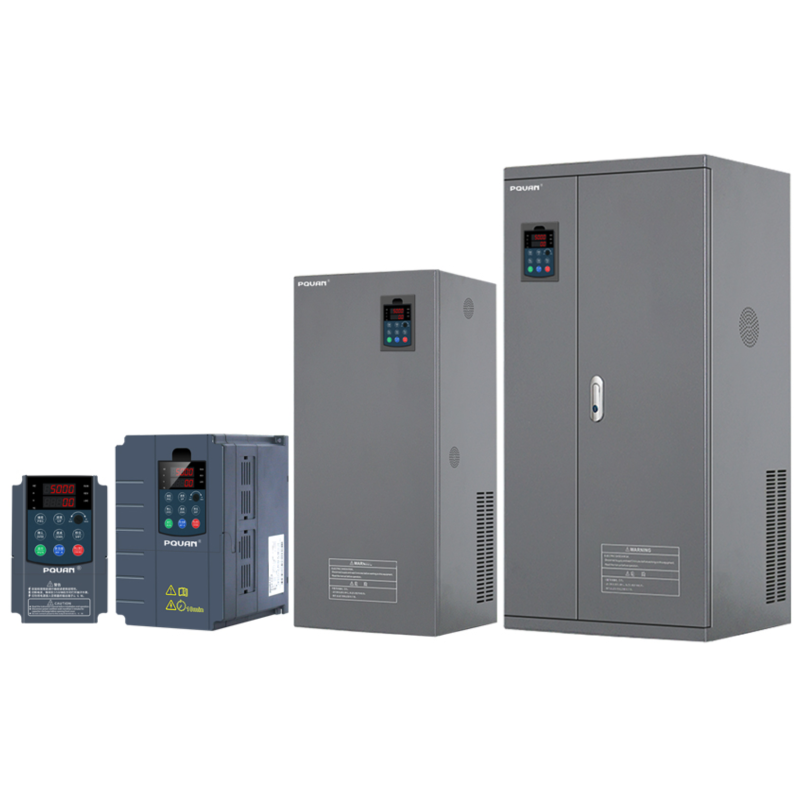
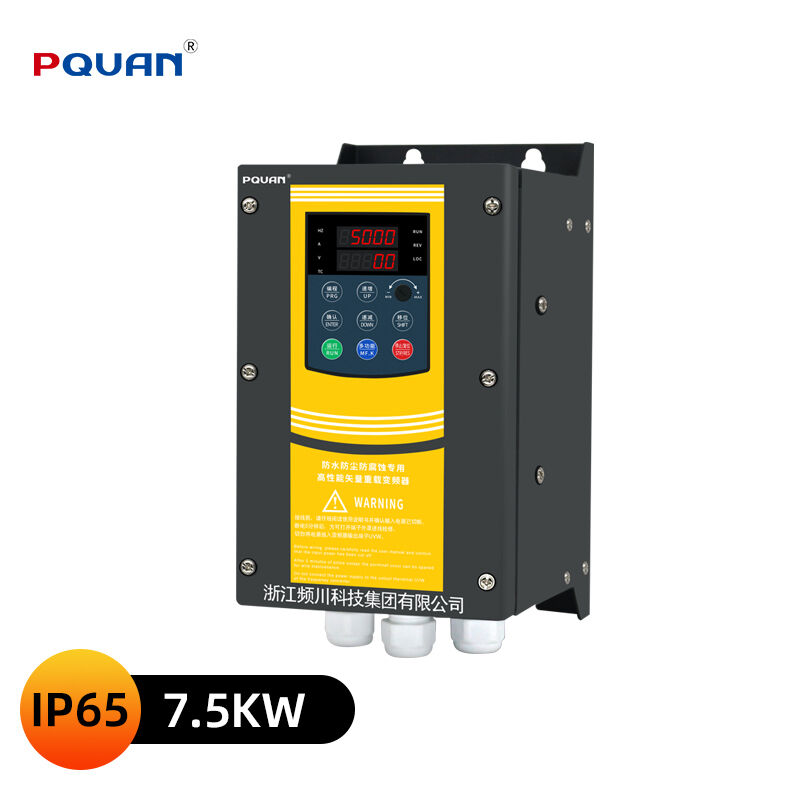
Yksivaiheisesta kolmivaiheiseen invertteri erottaa muista siinä, että se mahdollistaa saumattoman integraation olemassa olevan kolmivaiheisen laitteiston kanssa säilyttäen samalla kaikki toiminnalliset kyvykkyydet ja suorituskyvyn standardit. Tämä integraatioetuna johtuu invertterin kyvystä toistaa autenttisia kolmivaiheisia teho-ominaisuuksia, mukaan lukien oikeat vaihesuhteet, jännitetasapaino ja taajuusvakaus, joita kolmivaiheiset moottorit ja koneet vaativat optimaaliseen toimintaan. Laitteiden valmistajat suunnittelevat kolmivaiheisia laitteita tiettyjä sähköisiä vaatimuksia vastaaviksi, ja laadukkaat yksivaiheisesta kolmivaiheiseen invertterit täyttävät nämä vaatimukset tarkasti, mikä varmistaa, että moottorit kehittävät täyden nimellismomentin, pumput saavuttavat suunnitellun virtausnopeuden ja teollisuuskoneet toimivat tarkoitetulla suorituskyvyllä. Invertteri säätää automaattisesti lähtöparametrejaan liitetyn kuorman vaatimusten mukaisesti tarjoamalla muuttuvaa jännitettä ja taajuutta ohjaavan säädön, joka optimoi laitteiston tehokkuutta eri käyttöolosuhteissa. Moottorin käynnistys on sujuvampaa ja tarkemmin ohjattavaa yksivaiheisesta kolmivaiheiseen invertterin avulla verrattuna suoraan verkkoon kytkemiseen perustuviin käynnistysmenetelmiin. Laite tarjoaa ohjelmoitavia kiihtymisprofiileja, jotka lisäävät moottorin nopeutta asteikollisesti, vähentäen näin mekaanista rasitusta laakerien, kytkinten ja kytkettyjen laitteiden osalta sekä poistamalla haitallisesti sähkökomponentteja vaurioittavat virransyönnit. Tämä pehmeän käynnistyksen ominaisuus on erityisen arvokas suurille moottoreille, korkean hitausmomentin kuormille ja sovelluksille, joissa vaaditaan tarkkaa nopeuden säätöä käynnistysvaiheessa. Kuorman tasapainottamiskyky varmistaa, että kaikki kolme lähtövaihetta kuljettavat yhtä suurta virtaa, estäen epätasaisen lämmönmuodostuksen ja tehokkuuden alenemisen, jotka liittyvät vaiheepätasapainoon. Yhteensopivuus ulottuu perusmoottorisovellusten yli myös monimutkaisempiin laitteisiin, kuten taajuusmuuttajiin, servojärjestelmiin ja tietokoneohjattuihin koneisiin, jotka vaativat korkealaatuista kolmivaiheista tehoa. Yksivaiheisesta kolmivaiheiseen invertteri tarjoaa näille järjestelmille vakauden sähköisen ympäristön, joka mahdollistaa täyden toiminnallisuuden ilman muutoksia tai suorituskyvyn heikkenemistä. Nykyaikaisten invertterien sisäänrakennetut viestintäprotokollat mahdollistavat integraation rakennusautomaatiojärjestelmiin, ohjelmoitaviin logiikkakontrollereihin ja valvontajärjestelmiin, luoden yhtenäisiä ohjausarkkitehtuureja, jotka parantavat toiminnallista tehokkuutta ja mahdollistavat edistyneet seurantamahdollisuudet.
 EN
EN