Easy Integration and Smart Connectivity Options
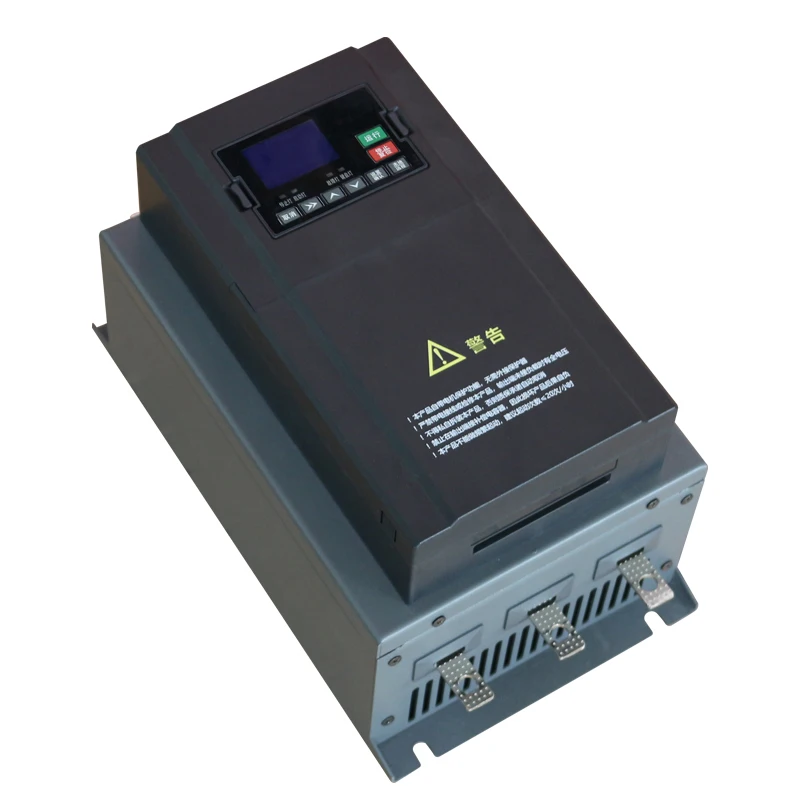
Modern inverter for water pump motor systems feature extensive integration capabilities and smart connectivity options that align with contemporary automation requirements and intelligent building management strategies. The communication interfaces support multiple industrial protocols including Modbus RTU, Modbus TCP, BACnet, and proprietary networks, enabling seamless connection to building automation systems, supervisory control and data acquisition platforms, and cloud-based monitoring services. This connectivity transforms the inverter for water pump motor from a standalone device into an intelligent node within comprehensive facility management ecosystems. Remote monitoring capabilities allow operators to access real-time performance data, adjust operational parameters, and receive instant fault notifications from anywhere with internet connectivity. Mobile applications provide convenient interfaces for smartphone and tablet access, empowering facility managers and homeowners to oversee pump systems without physical presence. The data logging functionality captures operational history including runtime hours, energy consumption trends, pressure profiles, and maintenance events, supporting informed decision-making and predictive maintenance strategies. Analytics tools process this operational data to identify efficiency improvement opportunities and detect gradual performance degradation before failures occur. The inverter for water pump motor supports integration with pressure sensors, flow meters, level switches, and other instrumentation to create sophisticated closed-loop control systems. Multi-pump coordination capabilities enable the system to manage pump arrays, automatically staging units based on demand levels to optimize efficiency and balance runtime across equipment. The scheduling functions allow users to program complex operating sequences aligned with occupancy patterns, utility rate structures, and process requirements. Energy management features include demand limiting functions that prevent excessive power consumption during peak rate periods, directly reducing electricity costs. The inverter for water pump motor offers flexible input and output configurations including analog signals, digital contacts, and relay outputs that interface with auxiliary equipment such as backup generators, alarm systems, and emergency shutdown circuits. Configuration tools ranging from keypad interfaces to sophisticated software packages accommodate varying user expertise levels, from basic setpoint adjustments to advanced parameter optimization. The plug-and-play design philosophy minimizes commissioning time with auto-tuning functions that automatically determine optimal control parameters based on connected pump characteristics. Firmware update capabilities ensure systems remain current with latest features and performance enhancements throughout their operational life. Technical support resources including documentation libraries, tutorial videos, and expert helplines assist users in maximizing value from their inverter for water pump motor installations.
 EN
EN