Low Voltage Variable Frequency Drive Solutions - Energy Efficient Motor Control Systems

All Categories
Get a Quote
%}

Get a Free Quote

Our representative will contact you soon.
Email
Name
Company Name
Message
0/1000

low voltage variable frequency drive

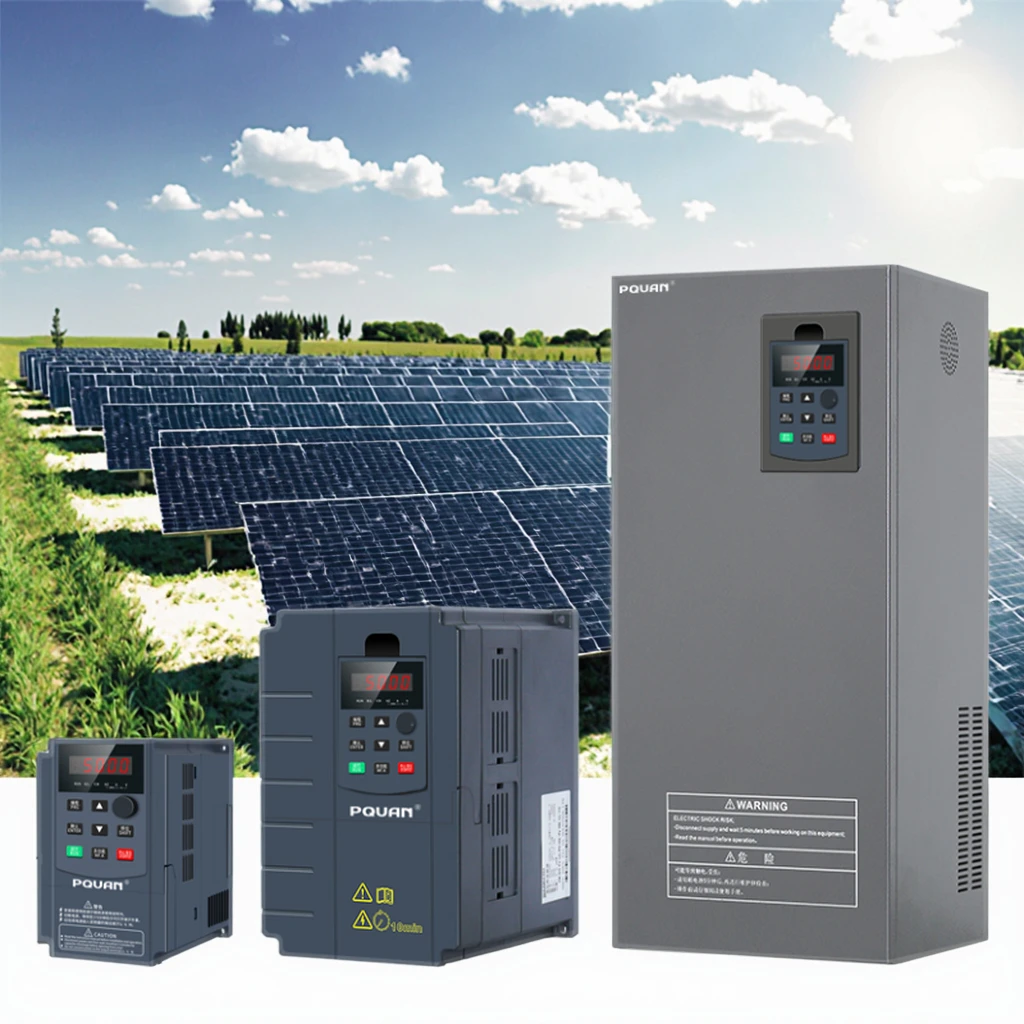
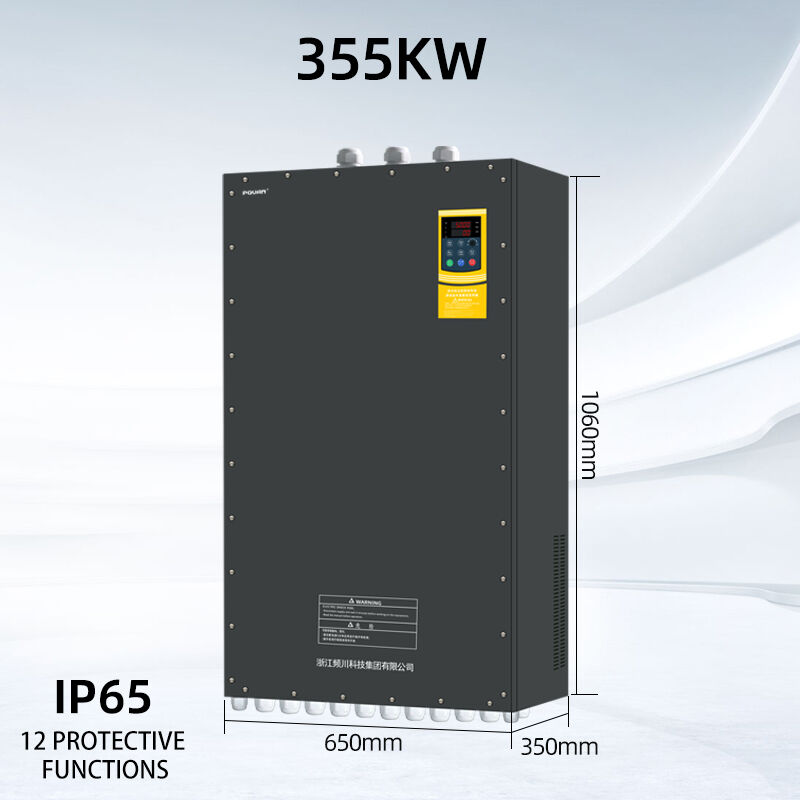
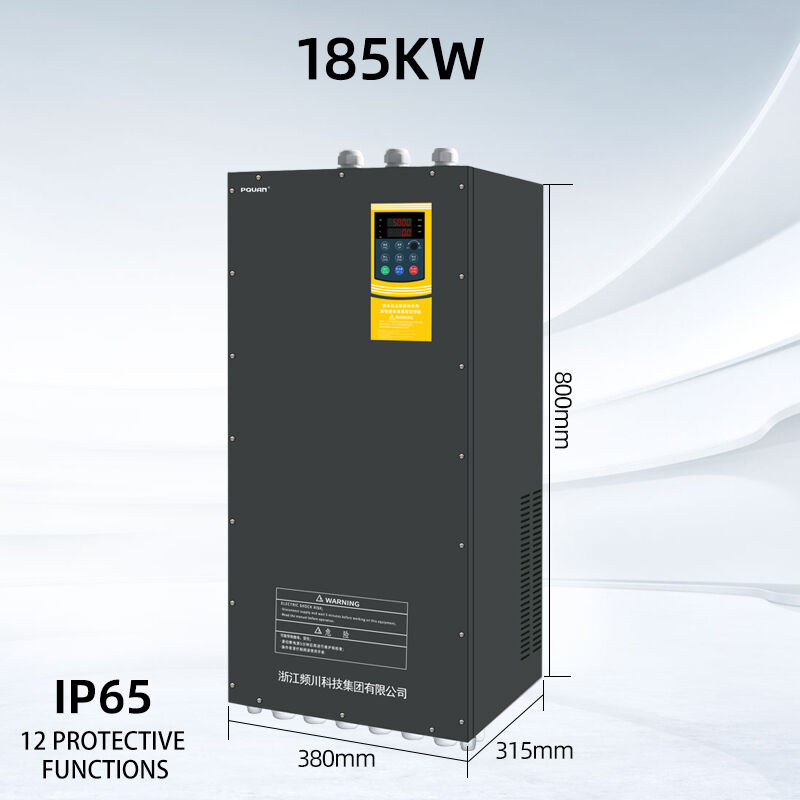
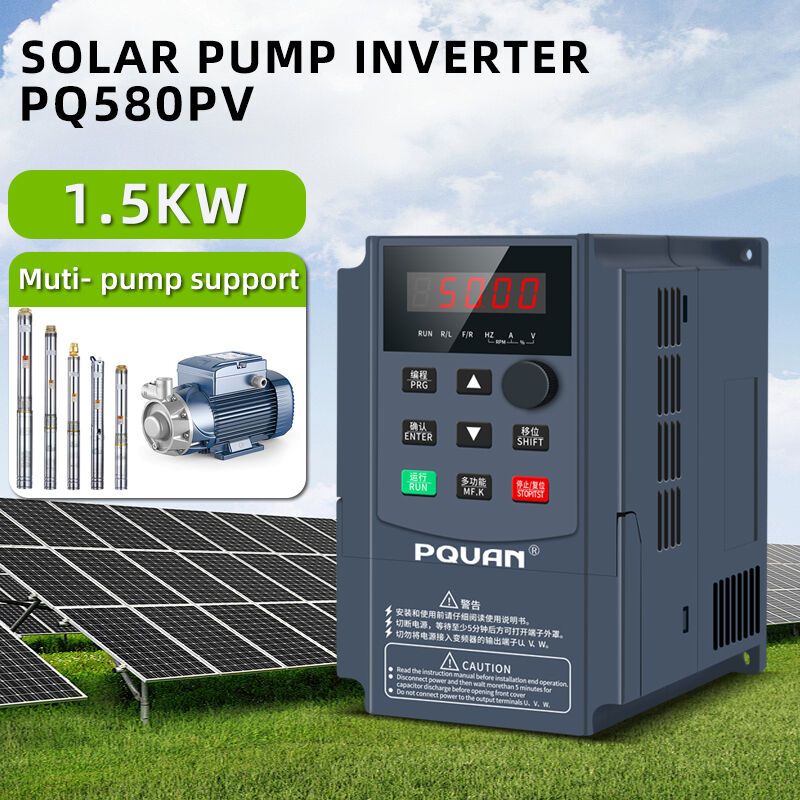
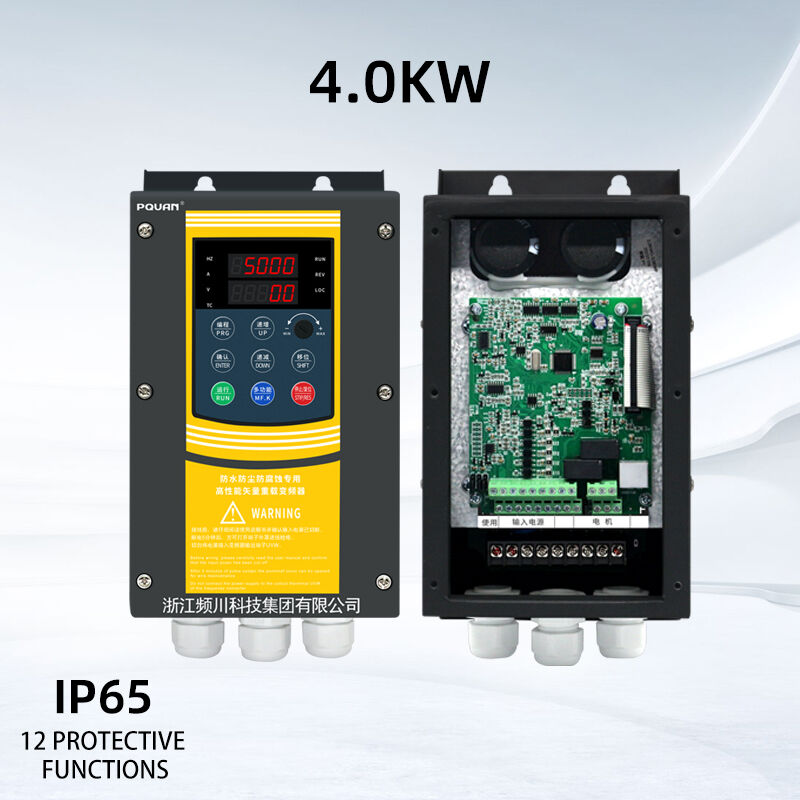
A low voltage variable frequency drive represents a sophisticated motor control device that regulates the speed and torque of three-phase AC motors by adjusting the frequency and voltage of the electrical supply. These drives operate within voltage ranges typically below 690 volts, making them ideal for commercial and light industrial applications. The primary function of a low voltage variable frequency drive centers on providing precise motor control while significantly reducing energy consumption compared to traditional motor starting methods. The technology employs advanced power electronics, including insulated gate bipolar transistors (IGBTs) and pulse width modulation (PWM) techniques to convert incoming AC power into variable frequency and voltage outputs. This conversion process enables smooth motor acceleration and deceleration, eliminating the mechanical stress associated with direct-on-line starting methods. Modern low voltage variable frequency drive systems incorporate microprocessor-based control systems that offer extensive programming capabilities, allowing users to customize operating parameters according to specific application requirements. The drives feature comprehensive protection mechanisms including overcurrent, overvoltage, undervoltage, and thermal protection to safeguard both the drive and connected motor from potential damage. Communication capabilities represent another crucial aspect of contemporary low voltage variable frequency drive technology, with many units supporting industrial communication protocols such as Modbus, Profibus, and Ethernet connectivity. These drives find widespread application across diverse industries including HVAC systems, water treatment facilities, conveyor systems, pumps, fans, compressors, and manufacturing equipment where precise speed control and energy efficiency are paramount concerns.

New Product Releases

Low voltage variable frequency drive technology delivers substantial benefits that directly impact operational costs and system performance in numerous ways. The most significant advantage lies in energy savings, where these drives can reduce power consumption by up to 50 percent compared to traditional motor control methods. This energy reduction occurs because the low voltage variable frequency drive matches motor speed precisely to load requirements, eliminating energy waste from constant-speed operation during varying demand periods. The ability to control motor acceleration and deceleration smoothly prevents mechanical shock and reduces wear on mechanical components, extending equipment lifespan and reducing maintenance costs substantially. Process control improvements represent another major benefit, as the low voltage variable frequency drive enables precise speed regulation that enhances product quality and production consistency. Users can adjust motor speed incrementally to match exact process requirements, resulting in better final product specifications and reduced waste. The drives also provide soft starting capabilities that eliminate high inrush currents associated with direct motor starting, reducing electrical system stress and preventing voltage dips that can affect other connected equipment. Installation flexibility increases significantly with low voltage variable frequency drive systems, as they can retrofit existing motor installations without requiring extensive modifications to electrical infrastructure. The compact design of modern drives allows installation in space-constrained environments while providing comprehensive motor protection features that reduce the need for additional protective devices. Operational noise reduction occurs naturally when motors operate at reduced speeds, creating more comfortable working environments and enabling compliance with noise regulations. Remote monitoring and control capabilities built into many low voltage variable frequency drive units allow operators to monitor system performance, adjust parameters, and diagnose issues from central control rooms, improving operational efficiency and reducing response times to potential problems. The drives also contribute to improved power factor correction, reducing reactive power demand and potentially avoiding utility penalty charges while optimizing electrical system efficiency throughout the facility.

Tips And Tricks

Pakistani Customers Visit PQUAN for Inspection and Exchange

09

Feb

Pakistani Customers Visit PQUAN for Inspection and Exchange

View More
How to Choose Voltage Regulator Power: A Concise Guide for Industrial & Commercial Users

23

Jan

How to Choose Voltage Regulator Power: A Concise Guide for Industrial & Commercial Users

View More
A Complete Guide to Selecting the Right Variable Frequency Drive (VFD) Model

03

Mar

A Complete Guide to Selecting the Right Variable Frequency Drive (VFD) Model

View More

Get a Free Quote

Our representative will contact you soon.
Email
Name
Company Name
Message
0/1000

low voltage variable frequency drive

Superior Energy Efficiency and Cost Reduction

Superior Energy Efficiency and Cost Reduction

The energy efficiency capabilities of low voltage variable frequency drive systems represent their most compelling feature, delivering immediate and long-term cost benefits that significantly impact operational budgets. These drives achieve remarkable energy savings by precisely matching motor output to actual load requirements, eliminating the energy waste inherent in constant-speed motor operation. When motors run at full speed continuously, they consume maximum power regardless of actual load demands, but a low voltage variable frequency drive adjusts motor speed dynamically based on real-time requirements. This intelligent speed control can reduce energy consumption by 20 to 50 percent in typical applications, with even greater savings possible in variable load scenarios such as fans and pumps where power consumption decreases exponentially with speed reduction. The economic impact extends beyond direct energy savings, as reduced power consumption translates to lower peak demand charges, decreased cooling costs for electrical rooms, and potential utility rebates for energy-efficient equipment installation. The low voltage variable frequency drive also improves overall system power factor, reducing reactive power penalties and optimizing electrical distribution efficiency. Maintenance cost reductions occur naturally through controlled acceleration and deceleration, which minimizes mechanical stress on motors, couplings, belts, and driven equipment. This gentle operation extends component life cycles, reduces unplanned downtime, and decreases spare parts inventory requirements. The drives provide comprehensive motor protection features including thermal overload, phase loss detection, and ground fault protection, potentially eliminating the need for separate protective devices and reducing installation costs. Quick payback periods typically range from six months to two years depending on application and energy costs, making low voltage variable frequency drive installation an attractive investment for businesses seeking immediate operational improvements and long-term cost control.
Advanced Motor Protection and System Reliability

Advanced Motor Protection and System Reliability

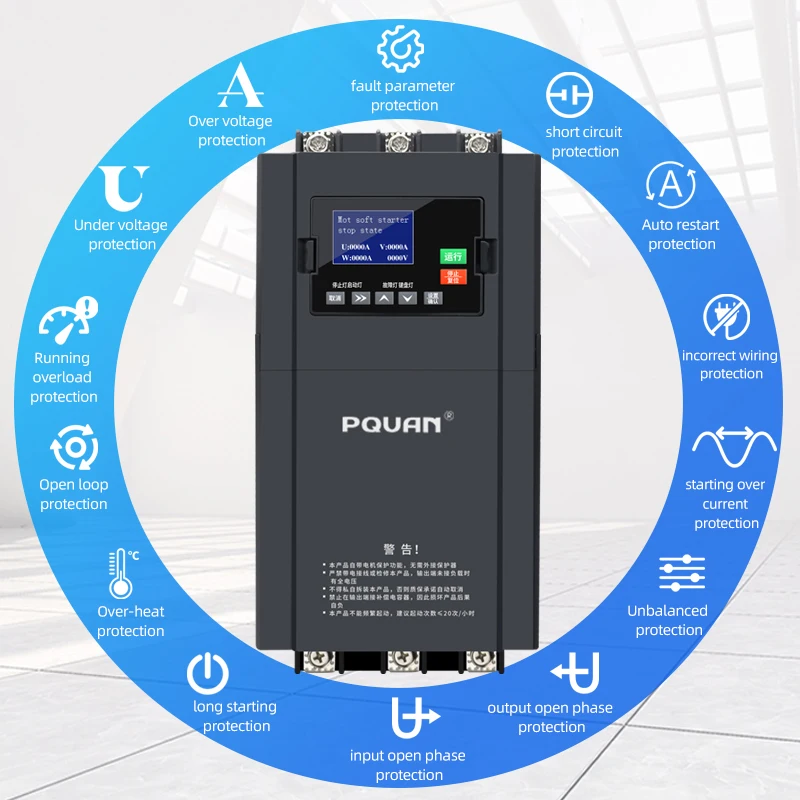
Low voltage variable frequency drive systems incorporate sophisticated protection mechanisms that safeguard expensive motor assets while ensuring continuous system operation and maximum uptime. These comprehensive protection features represent a significant advancement over traditional motor starting methods, providing multiple layers of safety that prevent costly equipment damage and unexpected failures. The drive continuously monitors critical parameters including motor current, voltage, temperature, and frequency, comparing these values against preset limits and taking corrective action before damage can occur. Thermal protection algorithms within the low voltage variable frequency drive calculate actual motor heating based on load current and operating conditions, providing more accurate protection than simple thermal overload relays. This intelligent thermal monitoring prevents motor overheating during varying load conditions while allowing maximum motor utilization under normal operating circumstances. Phase loss detection immediately identifies electrical supply issues and safely shuts down the motor before single-phase operation can cause winding damage. Ground fault protection built into the low voltage variable frequency drive detects insulation failures and isolates the motor from the electrical supply, preventing personnel hazards and equipment damage. Overcurrent protection operates much faster than traditional circuit breakers, protecting both the drive and motor from fault conditions while providing controlled shutdown sequences that prevent process disruption. Undervoltage and overvoltage protection ensures operation within safe parameters regardless of utility supply variations, automatically adjusting operation or safely shutting down when voltage levels exceed safe operating ranges. The drives also provide stall protection that prevents motor damage during mechanical overload conditions, monitoring torque output and current levels to detect binding or excessive load situations. Diagnostic capabilities built into modern low voltage variable frequency drive units continuously monitor system health, providing early warning of potential problems through alarm outputs and communication interfaces. These predictive maintenance features enable scheduled maintenance activities rather than reactive repairs, significantly reducing unplanned downtime and maintenance costs while extending overall system reliability and operational life.
Flexible Installation and Integration Capabilities

Flexible Installation and Integration Capabilities

The installation and integration flexibility of low voltage variable frequency drive systems provides exceptional value for diverse applications, enabling seamless integration into existing facilities while accommodating future expansion and modification requirements. Modern drives feature compact designs that require minimal panel space compared to traditional motor control equipment, allowing installation in space-constrained environments without requiring extensive electrical room modifications. The low voltage variable frequency drive can retrofit existing motor installations with minimal infrastructure changes, typically requiring only drive mounting space and basic control wiring modifications to transform constant-speed applications into variable-speed systems. Multiple mounting options including wall mounting, floor standing, and panel mounting configurations accommodate various installation requirements and spatial constraints. Advanced communication capabilities built into contemporary low voltage variable frequency drive units enable integration with building automation systems, programmable logic controllers, and industrial networks through standard protocols including Modbus, Ethernet, and wireless connectivity options. These communication features allow centralized monitoring and control of multiple drives from a single interface, reducing operational complexity while providing comprehensive system oversight and data logging capabilities. Programming flexibility represents another crucial advantage, with user-friendly interfaces that allow customization of operating parameters, acceleration and deceleration rates, speed limits, and protection settings without requiring specialized technical expertise. Many low voltage variable frequency drive models include application-specific programming templates that simplify setup for common applications such as fans, pumps, conveyors, and compressors. The drives support various control methods including analog voltage and current signals, digital inputs, and network commands, providing interface compatibility with virtually any control system configuration. Expansion capabilities allow system growth through daisy-chain communication connections and modular I/O expansion modules that add functionality without requiring drive replacement. Environmental adaptability ensures reliable operation across wide temperature ranges and harsh industrial conditions, with optional protective enclosures available for washdown applications, corrosive atmospheres, and outdoor installations. This installation flexibility reduces project costs, minimizes downtime during implementation, and provides long-term adaptability for changing operational requirements while maintaining optimal system performance throughout the equipment lifecycle.
Low Voltage Variable Frequency Drive Solutions - Energy Efficient Motor Control Systems

Get a Free Quote

Our representative will contact you soon.
Email
Name
Company Name
Message
0/1000