VFD for Motor Control: Advanced Variable Frequency Drive Solutions for Industrial Applications

All Categories
Get a Quote
%}

Get a Free Quote

Our representative will contact you soon.
Email
Name
Company Name
Message
0/1000

vfd for motor control

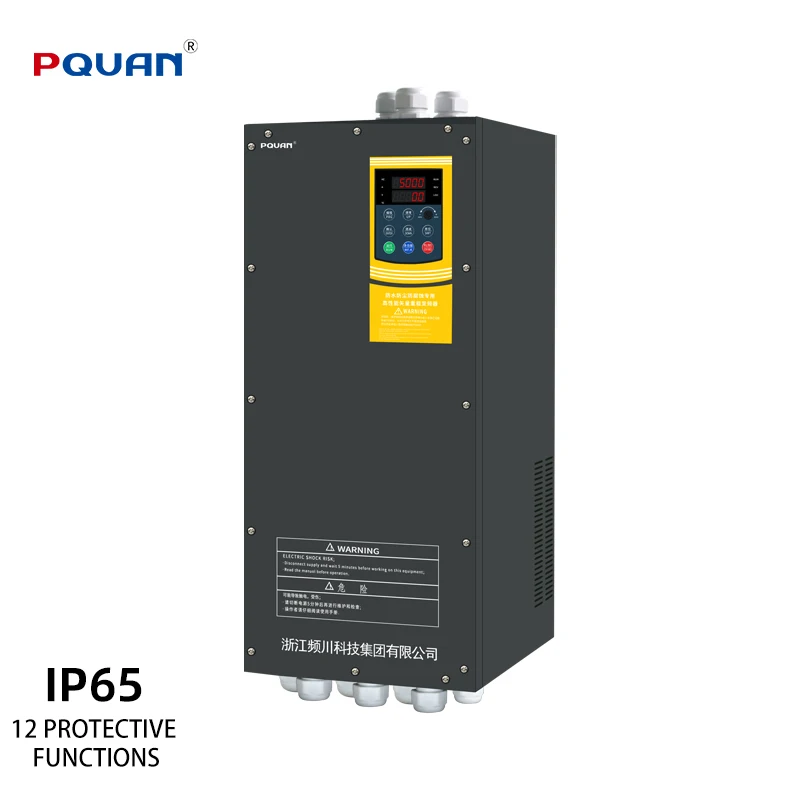
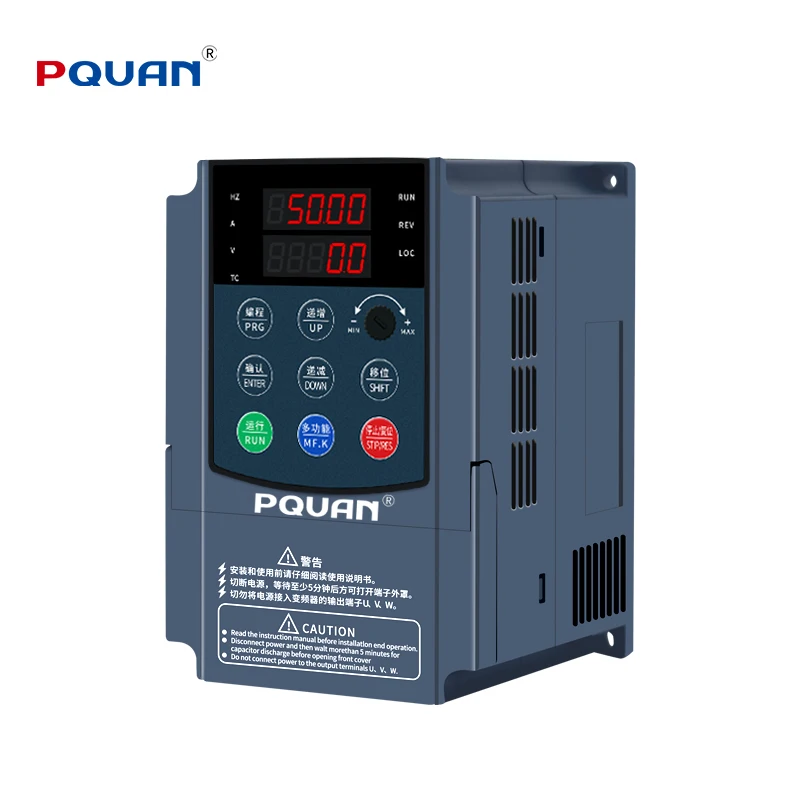
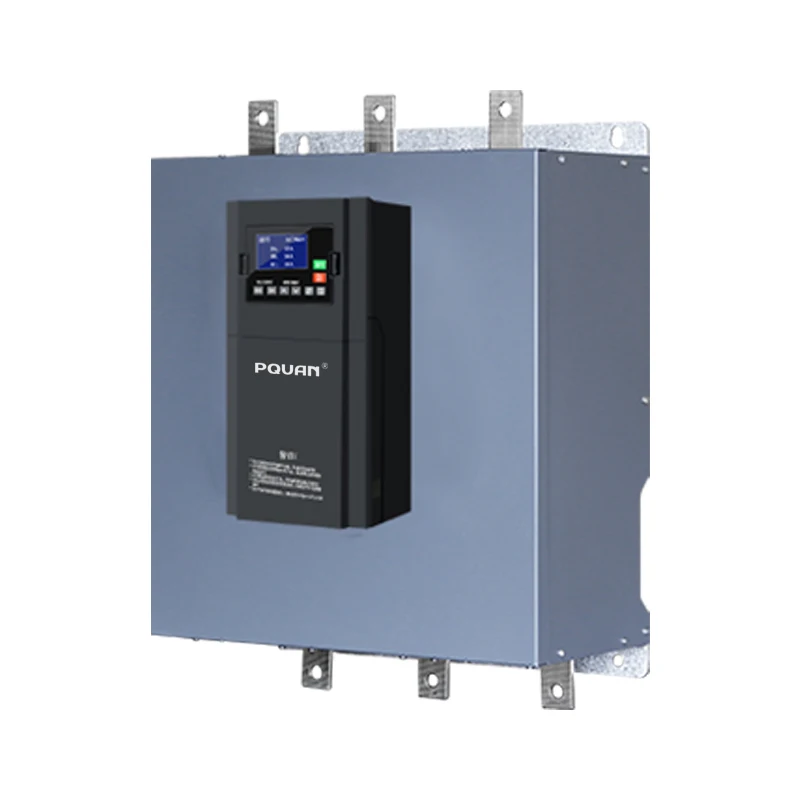
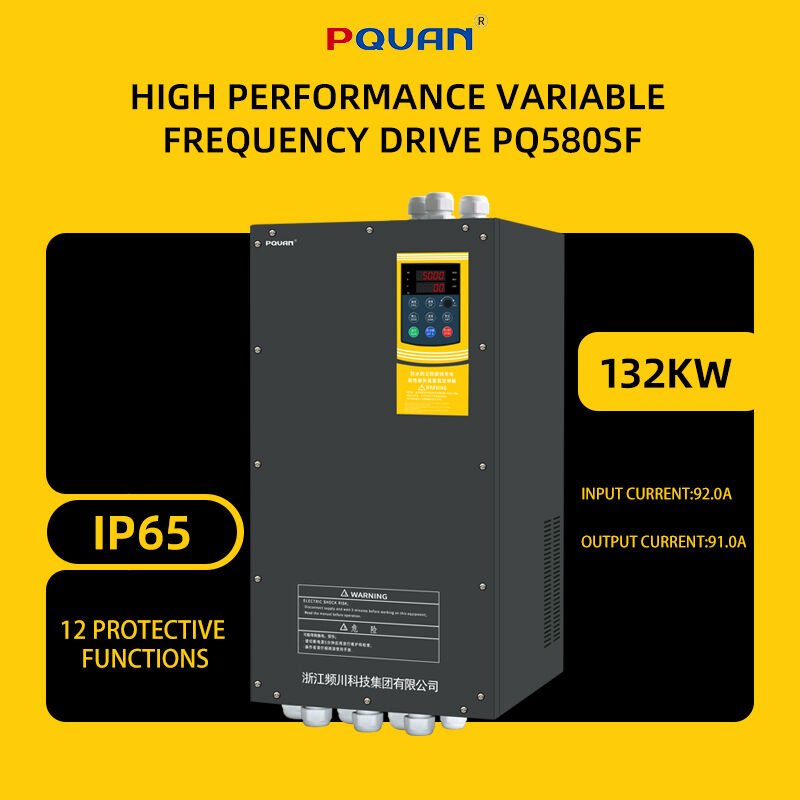
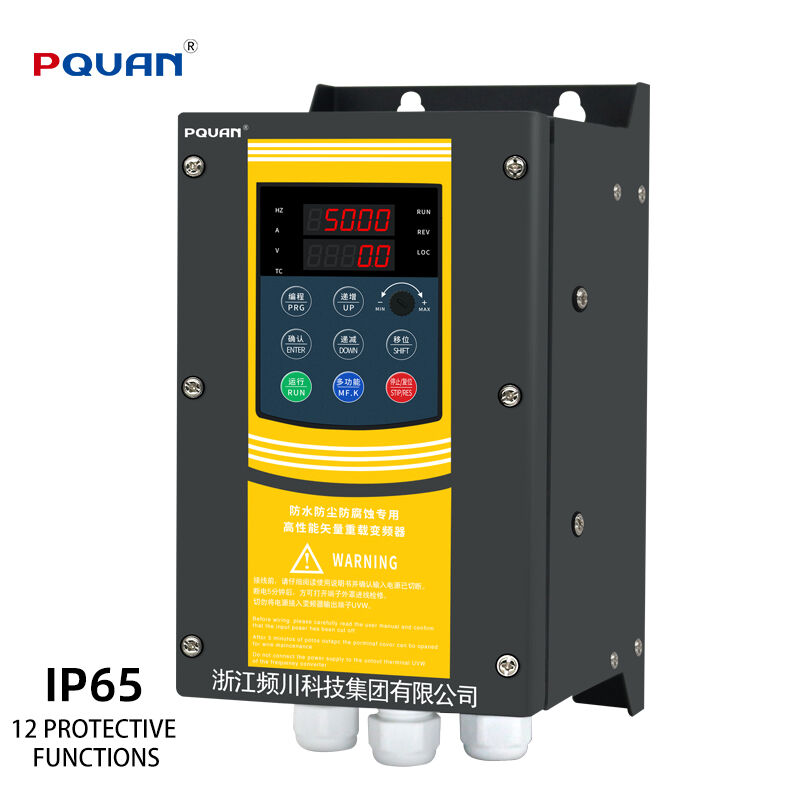
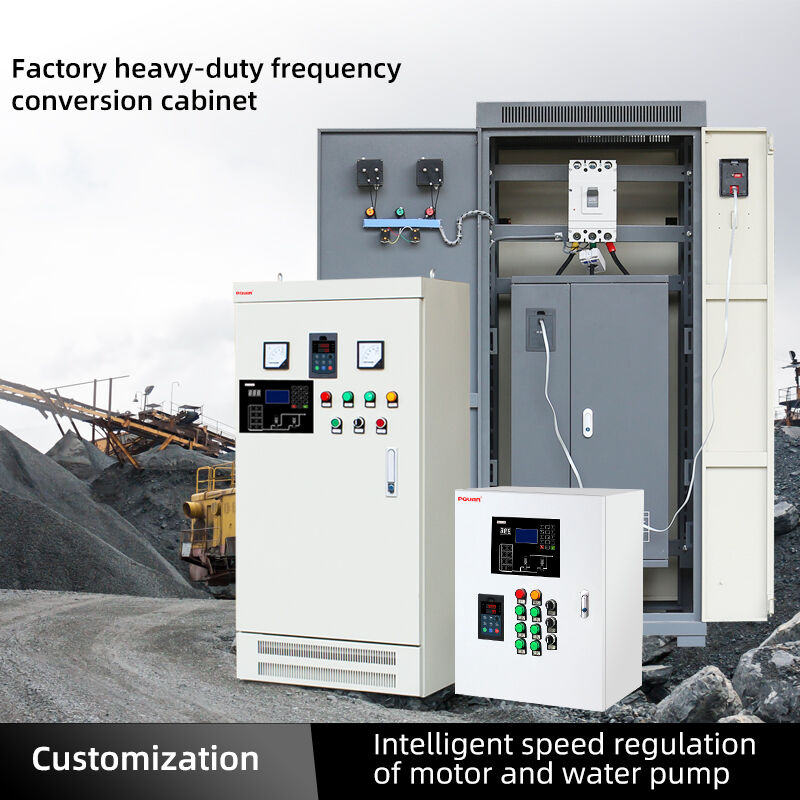
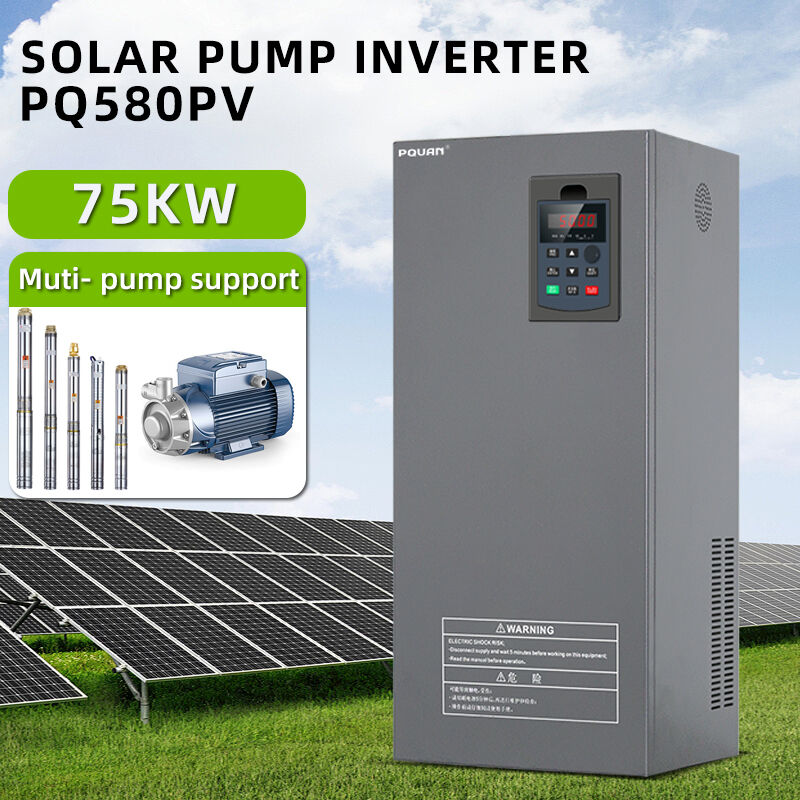
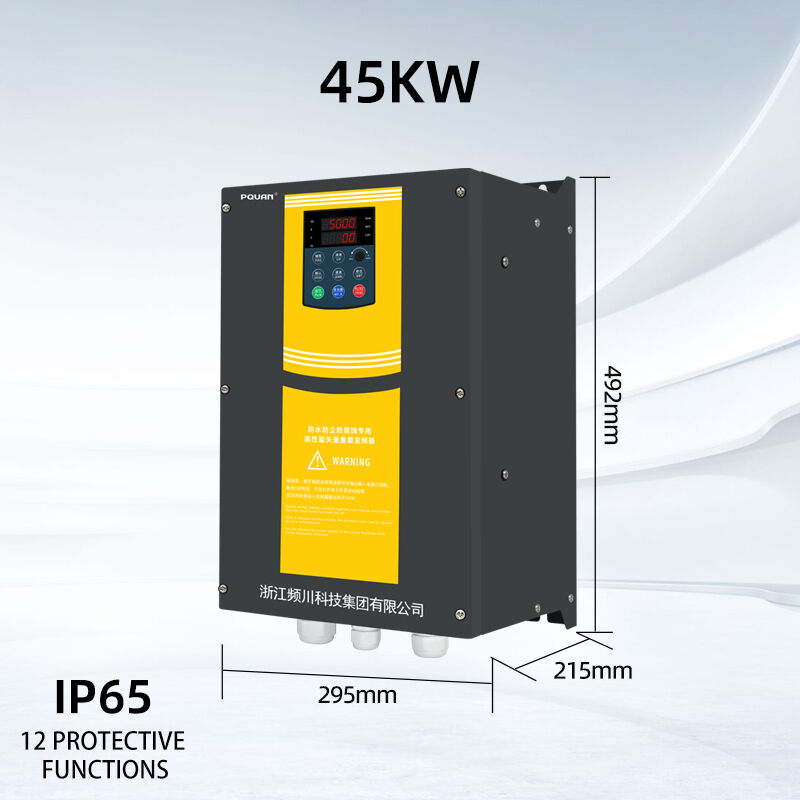
A VFD for motor control, also known as a Variable Frequency Drive, represents a sophisticated electronic device that regulates the speed and torque of AC motors by controlling the frequency and voltage of the power supplied to them. This technology has revolutionized industrial automation and motor control systems across numerous sectors. The VFD for motor control operates by converting incoming AC power to DC power through a rectifier circuit, then reconverting it back to AC power with adjustable frequency and voltage through an inverter section. This precise control mechanism allows operators to achieve optimal motor performance while significantly reducing energy consumption. The primary functions of a VFD for motor control include speed regulation, starting current limitation, torque control, and direction reversal capabilities. These drives feature advanced microprocessor-based control systems that provide real-time monitoring and adjustment of motor parameters. Modern VFD for motor control units incorporate sophisticated algorithms for vector control, ensuring smooth operation across varying load conditions. The technological features include programmable logic controllers, human-machine interfaces, communication protocols such as Modbus and Ethernet, and comprehensive protection systems against overcurrent, overvoltage, and thermal overload. Applications for VFD for motor control span across manufacturing facilities, HVAC systems, water treatment plants, conveyor systems, pumps, fans, and compressors. The versatility of VFD for motor control makes it indispensable in industries requiring precise speed control and energy efficiency. These systems offer soft-start capabilities that eliminate mechanical stress on motors and connected equipment during startup procedures. Additionally, VFD for motor control provides regenerative braking functionality, converting kinetic energy back into electrical energy during deceleration phases. The integration of smart sensors and diagnostic tools within VFD for motor control systems enables predictive maintenance strategies, reducing downtime and operational costs.

Popular Products

The VFD for motor control delivers substantial energy savings that directly impact operational costs and environmental sustainability. By adjusting motor speed to match actual load requirements, rather than running at constant speed with mechanical throttling, a VFD for motor control can reduce energy consumption by 20 to 50 percent in typical applications. This energy efficiency translates into immediate cost savings on electricity bills and long-term return on investment. The soft-start capability of VFD for motor control eliminates the high inrush currents associated with direct-on-line motor starting, reducing mechanical stress on motors, belts, gears, and coupled equipment. This gentle starting process extends equipment lifespan and minimizes maintenance requirements, resulting in lower total cost of ownership. Process control becomes significantly more precise with VFD for motor control implementation. Operators can fine-tune motor speed to optimize production rates, maintain consistent product quality, and respond quickly to changing process demands. The ability to control acceleration and deceleration rates prevents sudden jolts that could damage products or equipment. Power factor improvement is another key advantage of VFD for motor control systems. These drives naturally improve power factor by reducing reactive power consumption, which can eliminate power factor penalties from utility companies. The VFD for motor control also provides comprehensive motor protection features, including overcurrent protection, phase loss detection, ground fault protection, and thermal monitoring. These built-in safety features prevent costly motor failures and reduce insurance risks. Installation flexibility makes VFD for motor control attractive for both new installations and retrofit applications. These systems can be easily integrated into existing control panels and automation systems without major infrastructure changes. The compact design of modern VFD for motor control units saves valuable panel space while providing superior functionality. Remote monitoring capabilities allow operators to track performance parameters, receive fault notifications, and adjust settings from central control rooms or even mobile devices. This connectivity enables proactive maintenance strategies and reduces response times to potential issues. The VFD for motor control also supports multiple control modes including manual operation, automatic control based on process feedback, and integration with building management systems or industrial automation networks.

Latest News

Pakistani Customers Visit PQUAN for Inspection and Exchange

09

Feb

Pakistani Customers Visit PQUAN for Inspection and Exchange

View More
How to Choose Voltage Regulator Power: A Concise Guide for Industrial & Commercial Users

23

Jan

How to Choose Voltage Regulator Power: A Concise Guide for Industrial & Commercial Users

View More
A Complete Guide to Selecting the Right Variable Frequency Drive (VFD) Model

03

Mar

A Complete Guide to Selecting the Right Variable Frequency Drive (VFD) Model

View More

Get a Free Quote

Our representative will contact you soon.
Email
Name
Company Name
Message
0/1000

vfd for motor control

Advanced Energy Optimization Technology

Advanced Energy Optimization Technology

The VFD for motor control incorporates cutting-edge energy optimization technology that revolutionizes how industrial motors consume electricity. This sophisticated system continuously monitors load conditions and automatically adjusts motor speed to match actual requirements, eliminating the waste associated with constant-speed operation. Unlike traditional motor control methods that rely on mechanical throttling or bypass valves to control flow or pressure, the VFD for motor control directly modulates motor speed, achieving remarkable energy efficiency gains. The intelligent algorithms within the VFD for motor control analyze real-time power consumption patterns and optimize operating parameters to maintain peak efficiency across varying load conditions. This technology is particularly beneficial in applications with variable loads, such as HVAC systems, pumps, and fans, where demand fluctuates throughout the day. The energy savings achieved through VFD for motor control implementation often range from 25 to 60 percent, depending on the application and load profile. These savings compound over time, creating substantial cost reductions that typically recover the initial investment within 12 to 24 months. The environmental impact is equally significant, as reduced energy consumption directly correlates to lower carbon emissions and smaller environmental footprint. Modern VFD for motor control units feature power factor correction capabilities that improve overall electrical system efficiency and reduce demand charges from utility providers. The regenerative capabilities of advanced VFD for motor control systems can even feed energy back into the electrical grid during braking operations, further enhancing energy efficiency. This technology represents a paradigm shift from reactive to proactive energy management, where the VFD for motor control serves as an intelligent energy steward that continuously optimizes performance while minimizing waste.
Precision Control and Process Enhancement

Precision Control and Process Enhancement

The precision control capabilities of VFD for motor control systems transform industrial processes by providing unprecedented accuracy in speed, torque, and positioning applications. This advanced control technology enables operators to achieve exact motor speeds with resolution often exceeding 0.01 Hz, allowing for fine-tuning that was previously impossible with conventional motor control methods. The VFD for motor control utilizes sophisticated vector control algorithms that maintain constant torque output across the entire speed range, ensuring consistent performance regardless of load variations or speed changes. This precision proves invaluable in applications requiring exact speed matching, such as synchronized conveyor systems, textile machinery, and printing equipment. The programmable acceleration and deceleration profiles available in VFD for motor control systems prevent sudden starts and stops that could damage products, cause spillage, or create safety hazards. Operators can customize these profiles to match specific application requirements, whether they need gentle ramping for delicate products or rapid response for high-throughput operations. The closed-loop control capabilities of advanced VFD for motor control units provide feedback-based regulation that automatically compensates for load changes, temperature variations, and other factors that might affect motor performance. This intelligent control maintains consistent output even when external conditions change, ensuring product quality and process reliability. The multi-speed operation feature allows the VFD for motor control to store and recall preset speed values, enabling quick transitions between different operating modes without manual adjustment. Integration capabilities with process control systems enable the VFD for motor control to respond automatically to sensor inputs, maintaining optimal conditions based on pressure, flow, temperature, or other process variables. This seamless integration transforms the VFD for motor control into an intelligent process controller rather than simply a motor speed regulator.
Comprehensive Protection and Reliability Features

Comprehensive Protection and Reliability Features

The VFD for motor control incorporates extensive protection features that safeguard both the motor and the drive system against various fault conditions, significantly enhancing overall system reliability and reducing maintenance costs. These intelligent protection systems continuously monitor critical parameters including current levels, voltage fluctuations, temperature variations, and frequency deviations to prevent damage before it occurs. The overcurrent protection feature in VFD for motor control systems responds instantly to current spikes that could damage motor windings or drive components, automatically reducing speed or shutting down the system to prevent costly failures. Phase monitoring capabilities detect single-phasing conditions that could cause motor overheating and premature failure, while ground fault protection identifies insulation breakdown that poses safety risks and equipment damage. The thermal protection algorithms within VFD for motor control units track motor temperature through direct measurement or sophisticated thermal modeling, preventing overheating that could degrade motor performance or cause complete failure. Undervoltage and overvoltage protection features ensure stable operation despite utility power fluctuations, while short circuit protection provides immediate response to electrical faults. The diagnostic capabilities of modern VFD for motor control systems extend beyond basic protection to include predictive maintenance features that analyze operating trends and identify potential issues before they result in failures. These systems can track parameters such as vibration signatures, power quality metrics, and performance degradation patterns to schedule maintenance activities proactively. The fault logging and historical data storage capabilities of VFD for motor control units provide valuable insights for troubleshooting and system optimization. Built-in communication protocols enable remote monitoring and diagnostic access, allowing maintenance teams to assess system health and performance from central locations. The modular design of many VFD for motor control systems facilitates quick component replacement and minimizes downtime during maintenance activities. Environmental protection features including conformal coating, sealed enclosures, and wide operating temperature ranges ensure reliable operation in challenging industrial environments.
VFD for Motor Control: Advanced Variable Frequency Drive Solutions for Industrial Applications

Get a Free Quote

Our representative will contact you soon.
Email
Name
Company Name
Message
0/1000