Inverter Drive for Motor: Advanced Speed Control Solutions for Industrial Applications

All Categories
Get a Quote
%}

Get a Free Quote

Our representative will contact you soon.
Email
Name
Company Name
Message
0/1000

inverter drive for motor

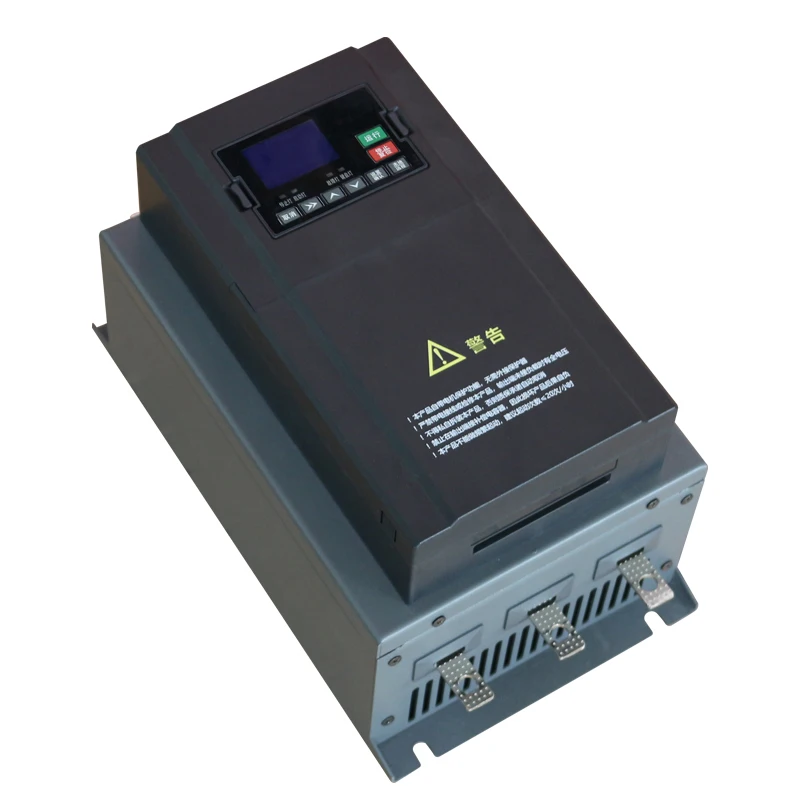
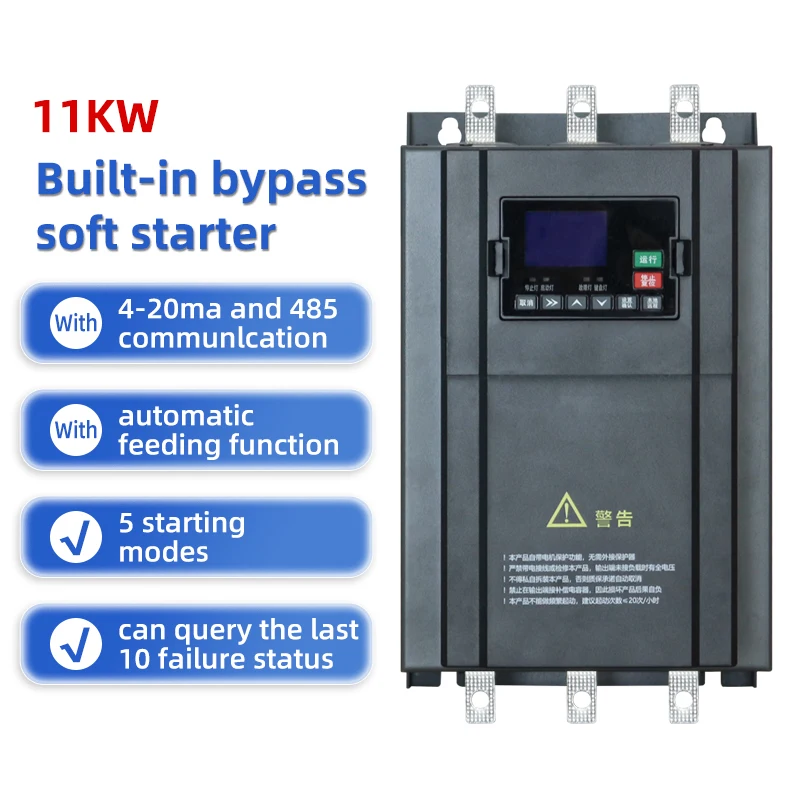
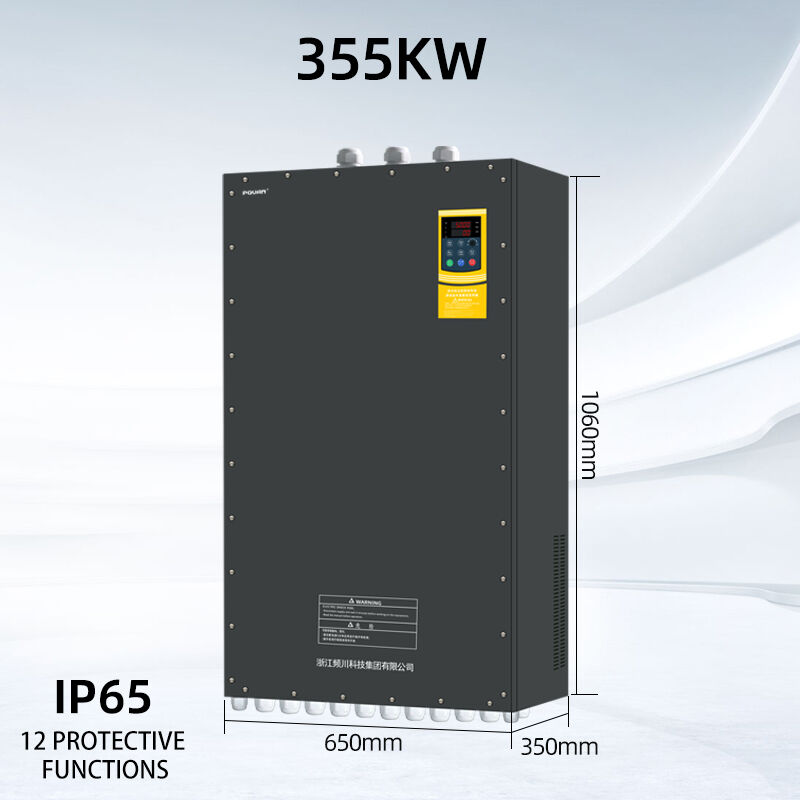
An inverter drive for motor represents a sophisticated power electronic device that converts fixed-frequency alternating current into variable-frequency output to control motor speed and torque with exceptional precision. This advanced technology serves as the backbone of modern industrial automation, enabling precise motor control across diverse applications. The inverter drive for motor operates by first converting incoming AC power to DC through a rectifier circuit, then reconverting it back to AC with adjustable frequency and voltage through an inverter section. This process allows operators to achieve seamless speed regulation, enhanced energy efficiency, and superior motor protection capabilities. The technological features of an inverter drive for motor include pulse-width modulation control, which generates smooth sinusoidal output waveforms that minimize motor heating and acoustic noise. Advanced models incorporate vector control algorithms that provide precise torque control even at zero speed, making them ideal for demanding applications requiring exact positioning. Modern inverter drives feature comprehensive protection systems including overcurrent protection, overvoltage protection, undervoltage protection, and thermal monitoring to safeguard both the drive and connected motor. Communication capabilities through various industrial protocols enable seamless integration with automation systems, allowing remote monitoring and control. The applications for inverter drive for motor span numerous industries including manufacturing, HVAC systems, water treatment facilities, conveyor systems, pumps, fans, compressors, and material handling equipment. In manufacturing environments, these drives optimize production processes by providing precise speed control for assembly lines, packaging equipment, and processing machinery. HVAC applications benefit from energy savings through variable air volume control, while water treatment facilities utilize inverter drives to match pump output with demand fluctuations. The versatility and reliability of inverter drive for motor technology make it an essential component in modern industrial infrastructure, delivering consistent performance while reducing operational costs and environmental impact through improved energy efficiency and extended equipment lifespan.

Popular Products

The inverter drive for motor delivers substantial energy savings that directly impact operational costs and environmental sustainability. Traditional motor control methods waste significant energy through mechanical throttling or bypass systems, while inverter drives adjust motor speed precisely to match load requirements. This intelligent speed regulation typically reduces energy consumption by 20-50 percent compared to conventional control methods, translating to immediate cost savings on electricity bills. The energy efficiency advantage becomes particularly pronounced in applications with variable loads, such as fans and pumps, where the cubic relationship between speed and power consumption amplifies savings potential. Beyond energy savings, an inverter drive for motor provides exceptional motor protection that extends equipment lifespan significantly. Built-in protection features monitor motor parameters continuously, preventing damage from overcurrent conditions, voltage fluctuations, phase imbalances, and overheating. This proactive protection reduces unplanned downtime and maintenance costs while maximizing return on investment. The soft-start capability of inverter drives eliminates the mechanical stress associated with across-the-line starting, reducing wear on motor windings, bearings, and connected mechanical components. Process control precision represents another compelling advantage of inverter drive for motor technology. Users can adjust motor speed with remarkable accuracy, enabling fine-tuning of production processes and improved product quality. This precision control capability proves invaluable in applications requiring exact speed regulation, such as textile machinery, printing equipment, and food processing lines. The ability to program acceleration and deceleration ramps prevents sudden load changes that could damage products or equipment. Installation and maintenance benefits make inverter drive for motor solutions particularly attractive for retrofit applications. Most drives feature compact designs that fit existing electrical panels, minimizing installation complexity and costs. User-friendly interfaces with digital displays simplify parameter setup and monitoring, while diagnostic capabilities help maintenance personnel identify potential issues before they cause failures. The reduced mechanical stress on motor components translates to longer service intervals and lower maintenance requirements. Noise reduction capabilities of modern inverter drives create more comfortable working environments while complying with increasingly strict noise regulations. The smooth operation achieved through precise frequency control eliminates the mechanical vibrations and acoustic noise associated with traditional motor control methods.

Practical Tips

Pakistani Customers Visit PQUAN for Inspection and Exchange

09

Feb

Pakistani Customers Visit PQUAN for Inspection and Exchange

View More
How to Choose Voltage Regulator Power: A Concise Guide for Industrial & Commercial Users

23

Jan

How to Choose Voltage Regulator Power: A Concise Guide for Industrial & Commercial Users

View More
A Complete Guide to Selecting the Right Variable Frequency Drive (VFD) Model

03

Mar

A Complete Guide to Selecting the Right Variable Frequency Drive (VFD) Model

View More

Get a Free Quote

Our representative will contact you soon.
Email
Name
Company Name
Message
0/1000

inverter drive for motor

Advanced Energy Optimization Technology

Advanced Energy Optimization Technology

The inverter drive for motor incorporates cutting-edge energy optimization algorithms that revolutionize power consumption efficiency in industrial applications. This sophisticated technology continuously monitors load conditions and automatically adjusts motor speed to deliver exactly the power required, eliminating energy waste associated with traditional fixed-speed operation. The intelligent control system analyzes real-time operating parameters including torque demand, speed requirements, and load variations to optimize power delivery dynamically. This results in substantial energy savings, often reducing electricity consumption by 30-60 percent compared to conventional motor control methods. The economic impact extends beyond immediate utility cost reductions, as lower energy consumption contributes to reduced carbon footprint and compliance with environmental regulations. Advanced power factor correction features further enhance energy efficiency by minimizing reactive power consumption, reducing demand charges from utility providers. The inverter drive for motor also incorporates sleep mode functionality that automatically reduces power consumption during periods of low demand, maximizing energy savings throughout the operating cycle. Heat generation reduction through efficient power conversion minimizes cooling requirements, creating additional energy savings in facility climate control systems. The cumulative effect of these energy optimization features typically achieves payback periods of 12-24 months, making inverter drives an financially attractive investment. Furthermore, many utility companies offer rebates and incentives for installing energy-efficient equipment like inverter drives, further improving return on investment. The environmental benefits align with corporate sustainability goals, helping organizations reduce their carbon footprint while achieving significant operational cost reductions. This advanced energy optimization technology positions inverter drive for motor solutions as essential components in modern energy management strategies.
Comprehensive Motor Protection Systems

Comprehensive Motor Protection Systems

The inverter drive for motor features an extensive array of protection systems that safeguard valuable motor assets while ensuring continuous operation in demanding industrial environments. These sophisticated protection mechanisms monitor critical operating parameters continuously, providing real-time analysis of motor health and performance characteristics. Overcurrent protection prevents damage from excessive current draw that could result from mechanical overload, locked rotor conditions, or electrical faults, automatically reducing motor speed or shutting down operation when predetermined limits are exceeded. Thermal protection monitoring prevents motor overheating through continuous temperature assessment, utilizing both direct temperature sensing and thermal modeling algorithms to predict and prevent damaging temperature conditions. Voltage protection features guard against both overvoltage and undervoltage conditions that could damage motor windings or cause erratic operation, automatically compensating for voltage fluctuations within acceptable ranges. Phase monitoring capabilities detect single-phase conditions, phase imbalances, and phase rotation errors that could cause motor damage or inefficient operation. The inverter drive for motor also provides ground fault protection that quickly identifies and responds to insulation failures, preventing electrical hazards and equipment damage. Mechanical protection features include stall protection, which prevents damage during blocked rotor conditions, and vibration monitoring capabilities that detect mechanical issues before they cause catastrophic failures. Advanced diagnostic capabilities store fault history and provide detailed error codes that help maintenance personnel identify root causes quickly, minimizing downtime and repair costs. Predictive maintenance features analyze operating trends to identify potential issues before they cause failures, enabling scheduled maintenance during planned downtime rather than emergency repairs. The comprehensive protection systems significantly extend motor lifespan, often doubling or tripling service life compared to motors operated with conventional starters, resulting in substantial cost savings through reduced replacement frequency and maintenance requirements.
Precision Speed and Torque Control

Precision Speed and Torque Control

The inverter drive for motor delivers unparalleled precision in speed and torque control, enabling manufacturers to optimize production processes and achieve superior product quality through exact motor control. Advanced vector control algorithms provide precise torque regulation across the entire speed range, including zero-speed operation, making these drives ideal for applications requiring exact positioning and smooth operation. The sophisticated control system maintains constant torque output regardless of speed variations, ensuring consistent performance in applications such as conveyor systems, winding equipment, and material handling machinery. Closed-loop feedback systems utilizing encoders or sensors provide real-time speed and position information, enabling the inverter drive for motor to maintain precise control even under varying load conditions. This precision control capability proves essential in applications requiring exact speed regulation, such as textile manufacturing, printing operations, and food processing equipment where product quality depends on consistent motor performance. Programmable acceleration and deceleration profiles allow operators to customize motor response characteristics for specific applications, preventing sudden load changes that could damage products or equipment. The inverter drive for motor supports multiple control modes including speed control, torque control, and positioning control, providing flexibility to match diverse application requirements. Advanced control algorithms compensate for load variations automatically, maintaining consistent output despite changing conditions. Multi-motor synchronization capabilities enable coordinated operation of multiple drives, essential for applications such as gantry systems, web processing, and material handling equipment requiring synchronized movement. The precision control extends to micro-stepping capabilities for applications requiring extremely fine speed adjustments, with resolution often exceeding 0.01 Hz frequency increments. Torque limiting features prevent mechanical damage by restricting maximum torque output, while torque boost capabilities provide enhanced starting torque for high-inertia loads. These precision control features enable manufacturers to optimize production efficiency, reduce waste, and improve product consistency while extending equipment lifespan through reduced mechanical stress and wear.
Inverter Drive for Motor: Advanced Speed Control Solutions for Industrial Applications

Get a Free Quote

Our representative will contact you soon.
Email
Name
Company Name
Message
0/1000