AC Frequency Inverter: Advanced Motor Control Technology for Energy Efficiency and Precision Performance

All Categories
Get a Quote
%}

Get a Free Quote

Our representative will contact you soon.
Email
Name
Company Name
Message
0/1000

ac frequency inverter

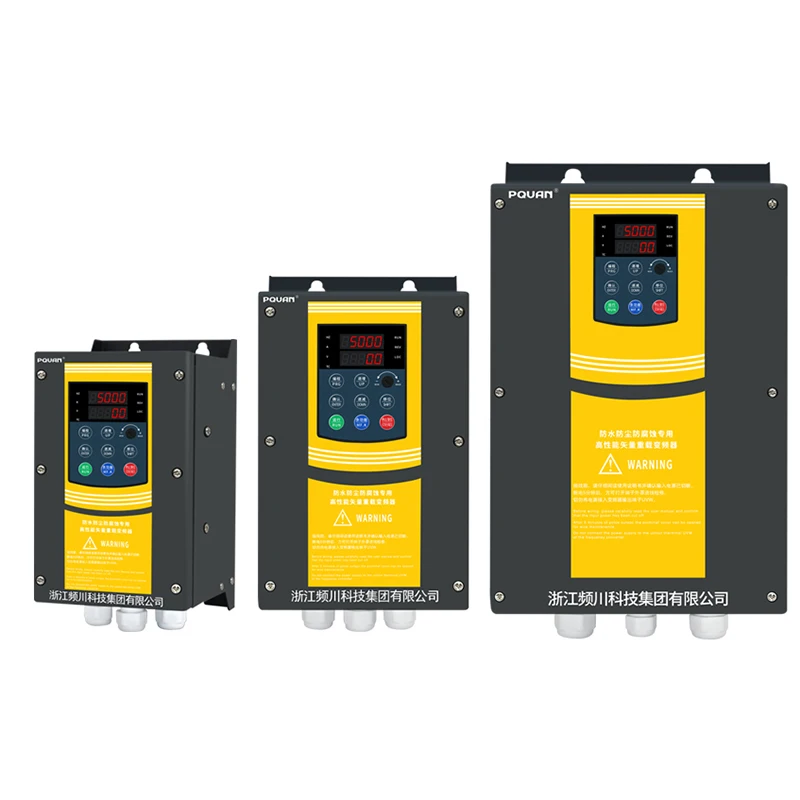
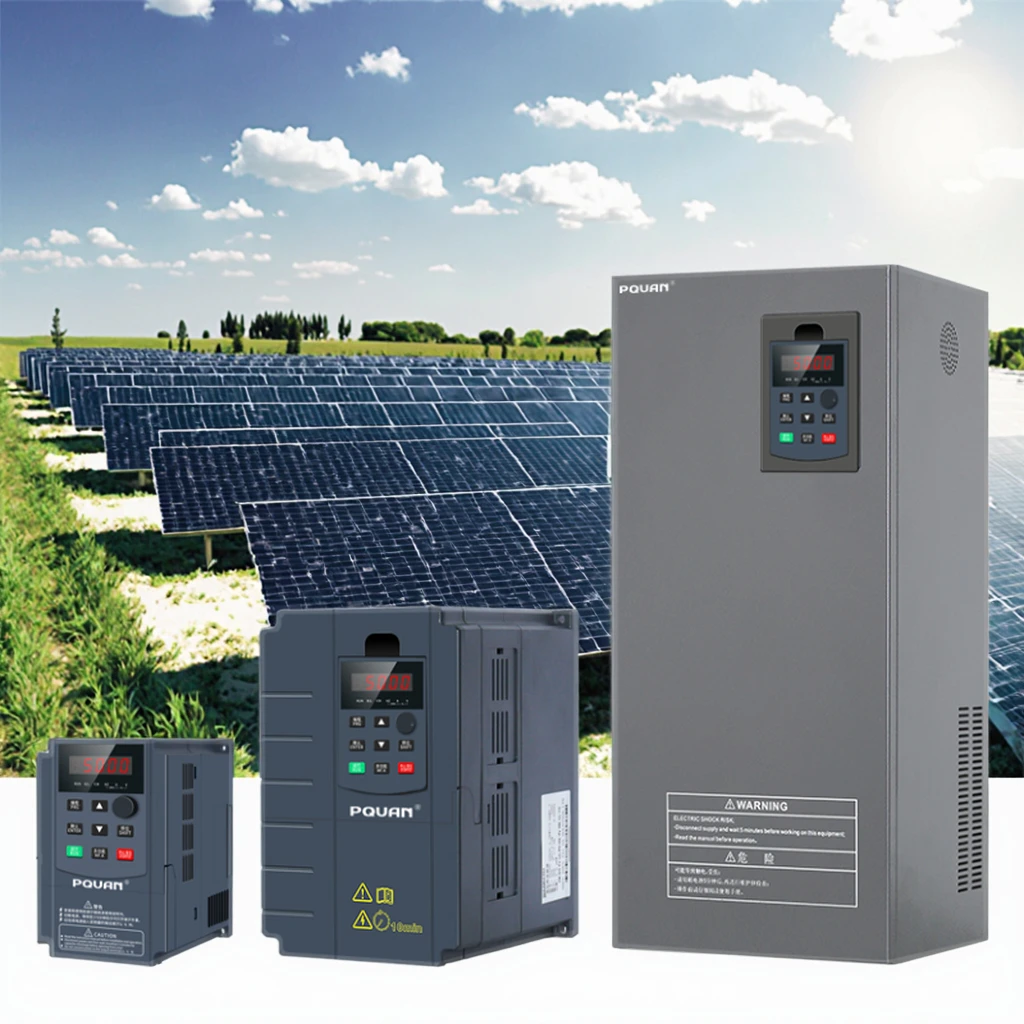
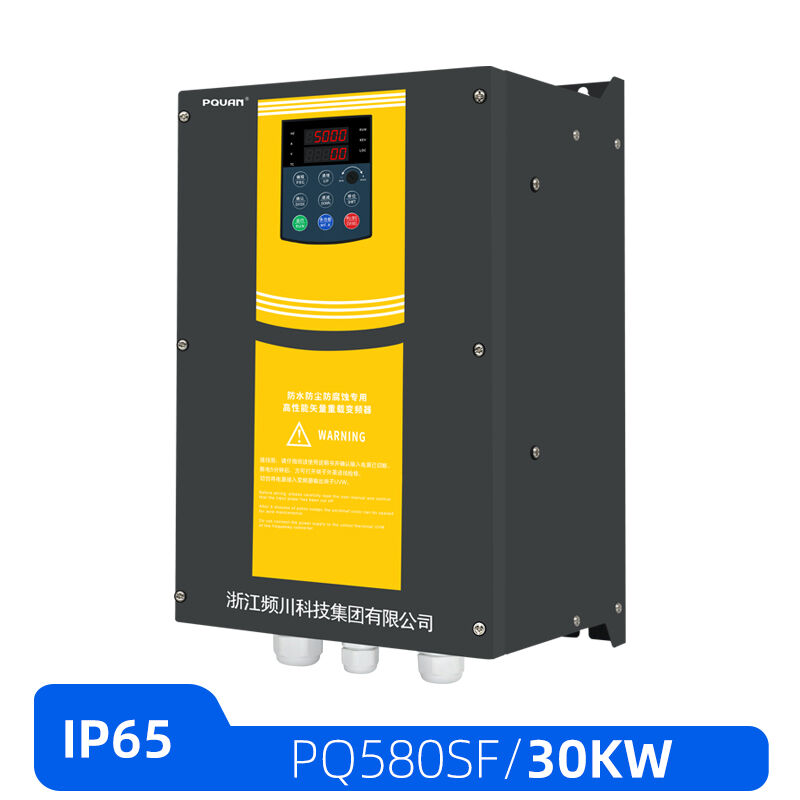
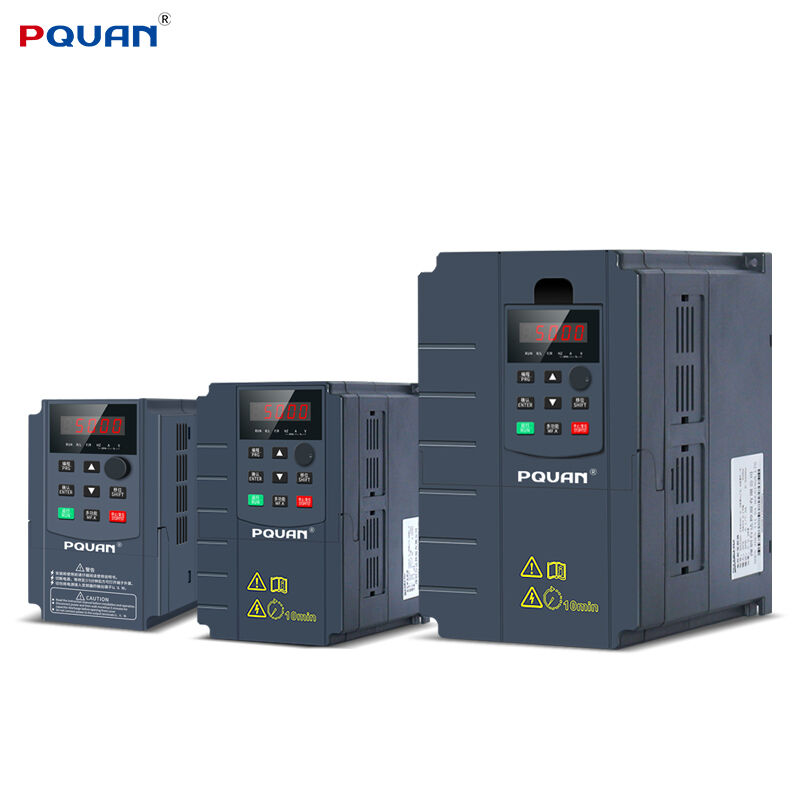
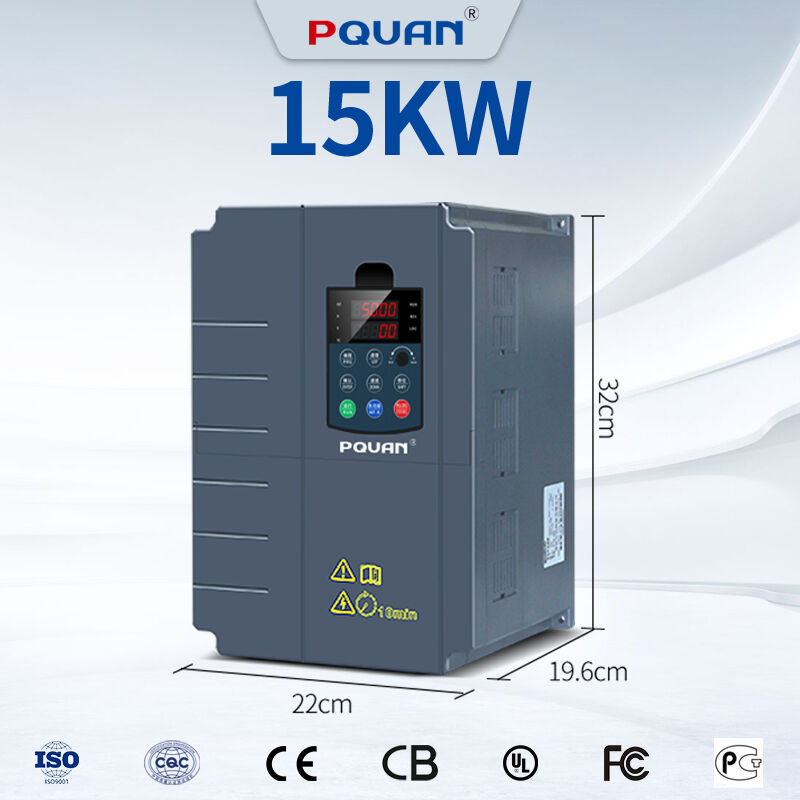
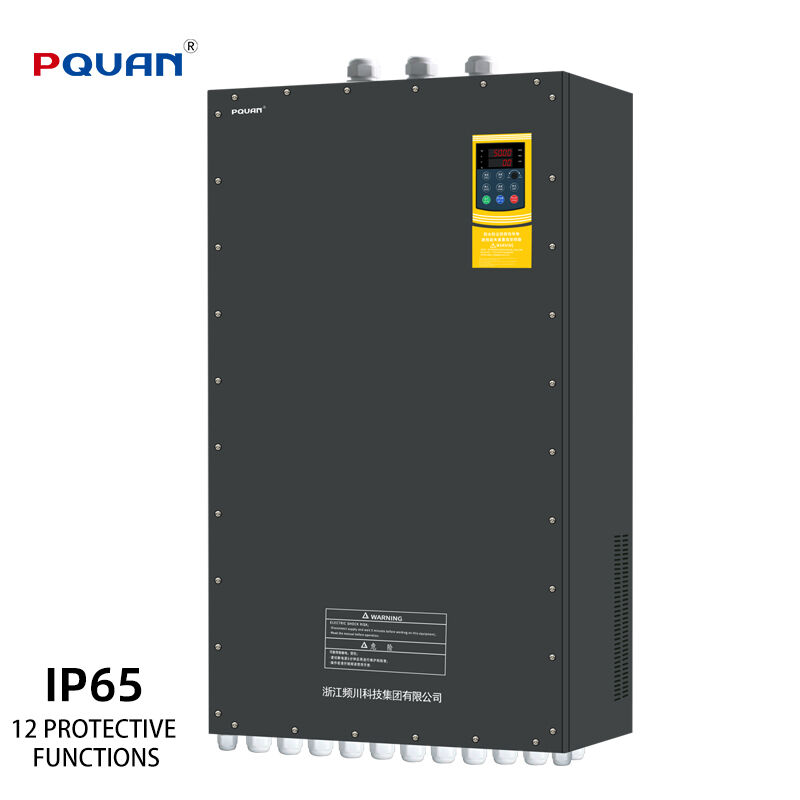
An ac frequency inverter represents a sophisticated power electronics device that converts alternating current at a fixed frequency into variable frequency alternating current output. This advanced technology enables precise control over motor speed and torque by manipulating the frequency and voltage supplied to AC motors. The ac frequency inverter operates through a complex three-stage conversion process that first rectifies incoming AC power to direct current, filters the DC signal through capacitors and inductors, and then inverts it back to AC with adjustable frequency characteristics. Modern ac frequency inverter systems incorporate microprocessor-based control algorithms that provide exceptional accuracy in motor management applications. These devices feature comprehensive protection mechanisms including overcurrent detection, thermal monitoring, and voltage regulation safeguards. The ac frequency inverter technology supports various control methods such as scalar control, vector control, and direct torque control, each optimized for specific operational requirements. Industrial applications benefit significantly from the energy-saving capabilities of ac frequency inverter installations, which can reduce power consumption by up to thirty percent compared to traditional motor control methods. The device architecture includes power modules, control circuits, cooling systems, and user interfaces that work together seamlessly. Communication protocols integrated into ac frequency inverter designs enable remote monitoring and automated system integration. These systems support multiple input voltage ranges and can accommodate various motor types including induction motors, synchronous motors, and permanent magnet motors. The ac frequency inverter technology continues evolving with enhanced features like regenerative braking, harmonic filtering, and advanced diagnostics that improve overall system reliability and performance efficiency.

New Products

The primary advantage of implementing an ac frequency inverter lies in its exceptional energy efficiency capabilities that directly translate to reduced operational costs for businesses. Unlike traditional motor starters that operate at constant speeds, an ac frequency inverter adjusts motor speed precisely to match actual load requirements, eliminating energy waste associated with oversized motor operations. This intelligent speed control results in substantial electricity bill reductions, often paying for the initial investment within eighteen to twenty-four months through energy savings alone. The precise motor control provided by ac frequency inverter technology enhances product quality in manufacturing processes by maintaining consistent speeds and reducing mechanical stress on equipment components. Maintenance costs decrease significantly because the soft-start functionality of ac frequency inverter systems eliminates harsh mechanical impacts that typically cause premature wear on belts, gears, and bearings. Process optimization becomes achievable through programmable acceleration and deceleration ramps that can be customized for specific applications, improving overall system performance while reducing noise levels in workplace environments. The ac frequency inverter offers superior flexibility compared to mechanical speed control methods, allowing operators to adjust parameters quickly without complex mechanical modifications or downtime. Temperature regulation benefits emerge from variable speed fan and pump operations controlled by ac frequency inverter systems, maintaining optimal environmental conditions while minimizing energy consumption. Production efficiency improves through precise speed matching capabilities that synchronize multiple motors in conveyor systems, packaging lines, and material handling equipment. The ac frequency inverter provides real-time monitoring capabilities that enable predictive maintenance scheduling, preventing unexpected equipment failures and costly production interruptions. Installation simplicity represents another significant advantage, as most ac frequency inverter units integrate easily into existing electrical systems without extensive rewiring or infrastructure modifications. Remote control capabilities through digital communications allow centralized monitoring and control of multiple ac frequency inverter installations across large facilities, enhancing operational oversight and system coordination effectiveness.

Tips And Tricks

Pakistani Customers Visit PQUAN for Inspection and Exchange

09

Feb

Pakistani Customers Visit PQUAN for Inspection and Exchange

View More
How to Choose Voltage Regulator Power: A Concise Guide for Industrial & Commercial Users

23

Jan

How to Choose Voltage Regulator Power: A Concise Guide for Industrial & Commercial Users

View More
A Complete Guide to Selecting the Right Variable Frequency Drive (VFD) Model

03

Mar

A Complete Guide to Selecting the Right Variable Frequency Drive (VFD) Model

View More

Get a Free Quote

Our representative will contact you soon.
Email
Name
Company Name
Message
0/1000

ac frequency inverter

Advanced Energy Efficiency and Cost Reduction Technology

Advanced Energy Efficiency and Cost Reduction Technology

The revolutionary energy efficiency technology embedded within modern ac frequency inverter systems delivers unprecedented cost reduction benefits that transform operational economics for industrial facilities. This sophisticated technology achieves energy savings through intelligent speed modulation that matches motor output precisely to actual load demands, eliminating the energy waste associated with constant-speed motor operations. Traditional motor control methods typically operate at fixed speeds regardless of load requirements, consuming maximum power even during periods of reduced demand. The ac frequency inverter technology monitors load conditions continuously and adjusts motor speed accordingly, reducing energy consumption by twenty-five to forty percent in typical applications. This dynamic speed control capability becomes particularly valuable in applications involving fans, pumps, and compressors where load variations occur frequently throughout operational cycles. The power factor correction features integrated into ac frequency inverter designs improve overall electrical system efficiency by reducing reactive power demands on utility supplies. Advanced algorithms within the ac frequency inverter optimize switching patterns to minimize harmonic distortion, reducing energy losses in electrical distribution systems. The regenerative capabilities of certain ac frequency inverter models capture energy during deceleration phases and return it to the electrical grid, further enhancing overall system efficiency. Temperature-dependent speed control algorithms automatically adjust motor speeds based on ambient conditions, maintaining optimal performance while minimizing energy consumption during cooler periods. The ac frequency inverter technology includes sleep mode functionality that reduces power consumption during periods of minimal activity, contributing additional energy savings in intermittent-duty applications. Comprehensive energy monitoring capabilities provide detailed consumption data that enables facility managers to identify optimization opportunities and track savings achievement over time. These efficiency improvements translate directly into reduced carbon footprint and enhanced environmental sustainability credentials for organizations implementing ac frequency inverter technology across their operations.
Precision Motor Control and Enhanced System Performance

Precision Motor Control and Enhanced System Performance

The precision motor control capabilities of ac frequency inverter technology revolutionize industrial automation by providing unprecedented accuracy in speed regulation, torque control, and system responsiveness. This advanced control technology utilizes sophisticated algorithms that monitor motor parameters continuously, adjusting output characteristics in real-time to maintain optimal performance under varying load conditions. The vector control methodology implemented in modern ac frequency inverter systems enables precise torque control at any speed, including zero speed applications, expanding the range of suitable applications significantly. Unlike traditional motor control methods that rely on mechanical components for speed adjustment, the ac frequency inverter provides electronic control with resolution capabilities exceeding 0.1 percent of rated speed, ensuring consistent product quality in precision manufacturing processes. The programmable acceleration and deceleration profiles available through ac frequency inverter technology eliminate mechanical shock loads that typically cause equipment wear and product damage in abrupt start-stop operations. Multi-motor synchronization capabilities enable coordinated control of complex systems where precise speed matching between multiple drives ensures smooth material flow and prevents system jamming or product damage. The ac frequency inverter technology supports various feedback control options including encoders, resolvers, and sensorless control methods, providing flexibility for different application requirements and cost considerations. Advanced braking capabilities integrated into ac frequency inverter systems include dynamic braking, regenerative braking, and DC injection braking options that provide controlled deceleration while recovering energy where applicable. The closed-loop control systems within ac frequency inverter technology automatically compensate for load variations, temperature changes, and system wear, maintaining consistent performance without manual intervention. Torque limiting functions protect mechanical components from overload conditions while maintaining process continuity, reducing maintenance requirements and extending equipment lifespan. The ac frequency inverter provides real-time diagnostic information including motor current, voltage, frequency, and temperature data that enables proactive maintenance scheduling and system optimization. Communication interfaces built into ac frequency inverter systems support integration with supervisory control systems, enabling centralized monitoring and automated process control that enhances overall system performance and operational efficiency.
Versatile Application Compatibility and Easy Integration Solutions

Versatile Application Compatibility and Easy Integration Solutions

The exceptional versatility and integration capabilities of ac frequency inverter technology make it the ideal solution for diverse industrial applications ranging from simple fan control to complex automated manufacturing systems. This adaptability stems from the comprehensive range of input voltage options, output configurations, and control interfaces that accommodate virtually any motor control requirement. The ac frequency inverter technology supports motors ranging from fractional horsepower units in small machinery to multi-megawatt installations in heavy industrial applications, providing scalable solutions for businesses of all sizes. Installation flexibility represents a key advantage, as most ac frequency inverter units integrate seamlessly into existing electrical panels without requiring extensive rewiring or infrastructure modifications. The compact design of modern ac frequency inverter systems maximizes space efficiency while providing robust performance capabilities, making them suitable for applications with limited installation space. Multiple control input options including analog signals, digital inputs, and communication protocols enable the ac frequency inverter to interface with various control systems and automation platforms. The built-in programmable logic controller functionality available in advanced ac frequency inverter models eliminates the need for separate control devices in many applications, simplifying system architecture and reducing overall costs. Environmental adaptability ensures reliable operation in challenging conditions, with ac frequency inverter designs featuring protective enclosures rated for dust, moisture, and temperature extremes commonly encountered in industrial environments. The modular architecture of ac frequency inverter systems enables easy expansion and modification as operational requirements evolve, protecting long-term investment value. Comprehensive parameter programming capabilities allow customization of ac frequency inverter behavior to match specific application requirements, including custom acceleration curves, protection settings, and communication parameters. The universal motor compatibility of ac frequency inverter technology supports induction motors, synchronous motors, and permanent magnet motors, providing flexibility for equipment upgrades and replacements. Field-serviceable components and diagnostic capabilities simplify maintenance procedures, while standardized mounting dimensions ensure compatibility with existing motor control centers and electrical enclosures. The ac frequency inverter technology includes extensive protection features that safeguard both the drive and connected motor from electrical faults, overload conditions, and environmental hazards, ensuring reliable long-term operation across diverse industrial applications.
AC Frequency Inverter: Advanced Motor Control Technology for Energy Efficiency and Precision Performance

Get a Free Quote

Our representative will contact you soon.
Email
Name
Company Name
Message
0/1000