Extended Equipment Life and Reduced Maintenance Requirements
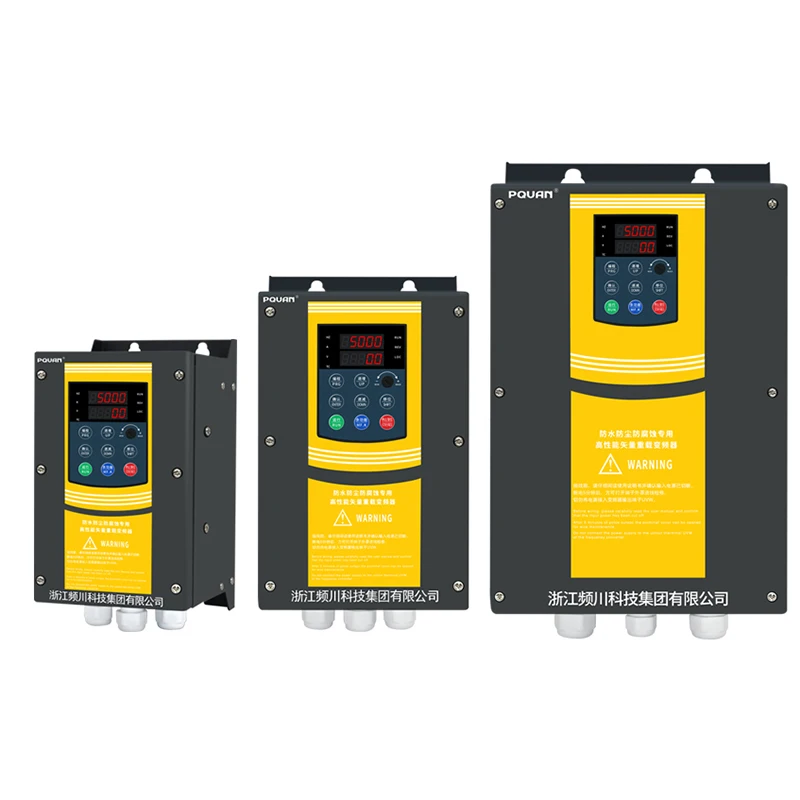
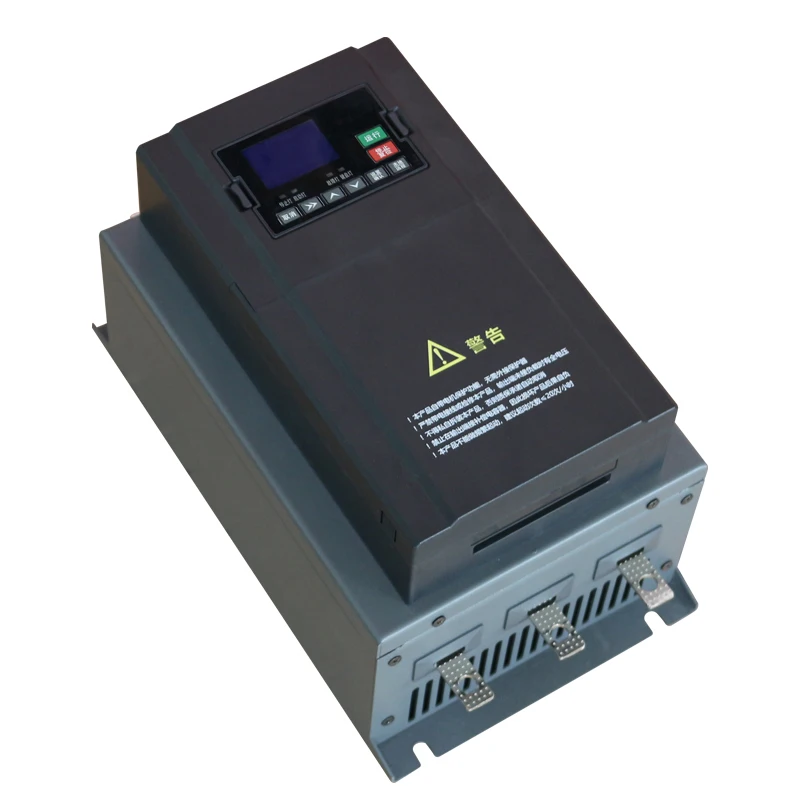
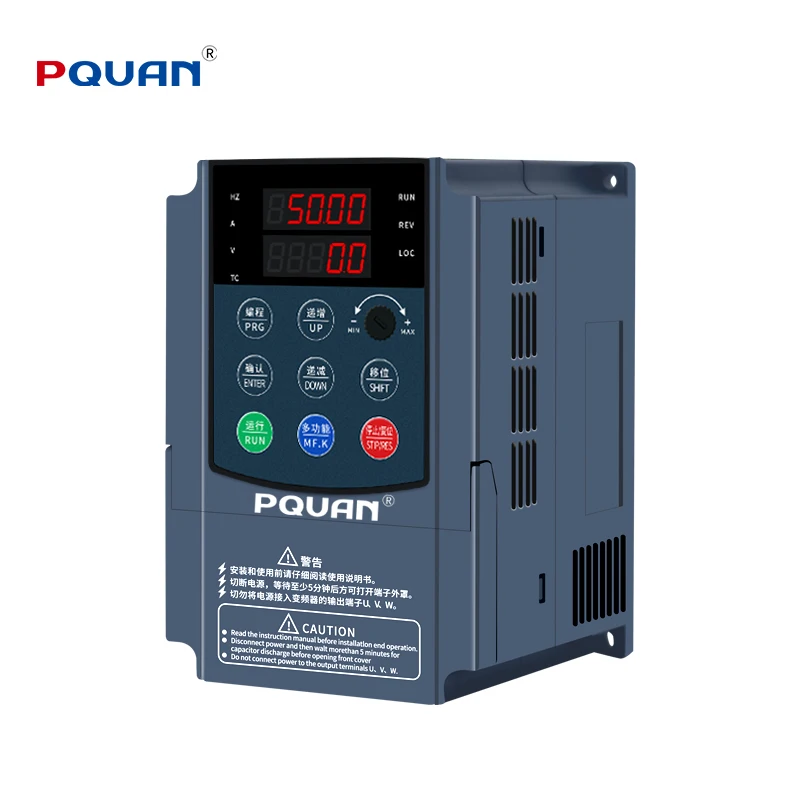
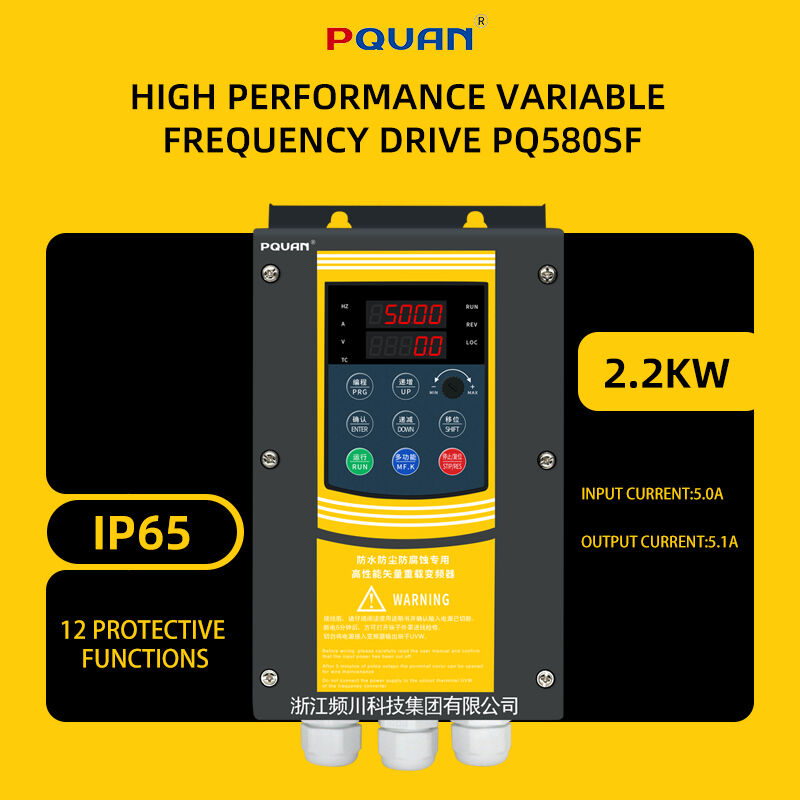
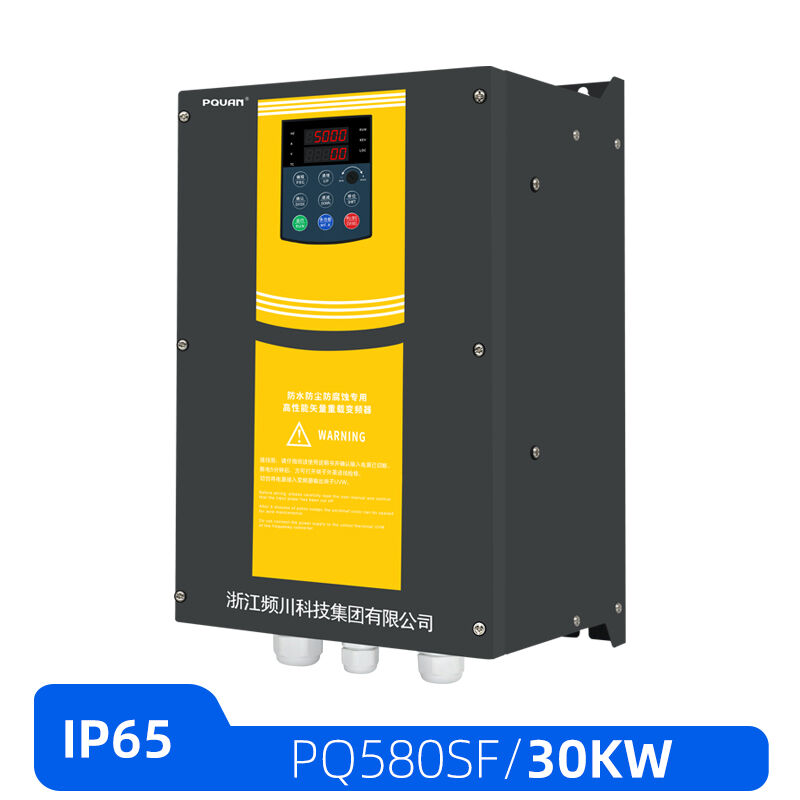
Mechanical and electrical components in pumping systems experience significantly less stress when controlled by a VFD for water pump control, resulting in extended service life and decreased maintenance demands. Conventional direct-online starting subjects motors to inrush currents six to eight times normal operating levels, generating intense magnetic forces that stress windings and mechanical connections. This violent starting process repeats multiple times daily in typical applications, accumulating wear that eventually causes failures. The VFD for water pump control eliminates this destructive cycle through programmable soft-start functions that gradually accelerate the motor over several seconds. This gentle acceleration reduces mechanical shock to pumps, coupling systems, and driven equipment while simultaneously limiting electrical stress on motor windings. Bearing life increases substantially because the gradual speed changes prevent the impact forces that cause premature bearing degradation. Seal assemblies benefit similarly as pressure builds gradually rather than spiking instantaneously. Water hammer, one of the most destructive forces in piping systems, occurs when flow velocity changes rapidly causing pressure waves that propagate through the distribution network. These shock waves can burst pipes, damage valves, and destroy pressure sensors. The VFD for water pump control prevents water hammer through controlled acceleration and deceleration rates that maintain stable flow conditions. Pump impellers and volutes experience less erosion and cavitation damage because operating points remain within optimal efficiency zones rather than forcing the pump to operate at extreme ends of its performance curve. Maintenance personnel spend less time responding to emergency repairs and more time on planned preventive activities. The VFD for water pump control provides diagnostic information that identifies developing problems before catastrophic failures occur. Built-in sensors monitor parameters including motor temperature, vibration patterns, and power consumption anomalies. Trending this data over time reveals gradual changes that indicate bearing wear, impeller damage, or seal degradation. Scheduling repairs during planned maintenance windows costs significantly less than emergency responses requiring overtime labor and expedited parts procurement. The overall reliability improvement translates to higher system availability and fewer disruptions to building occupants or production processes.
 EN
EN