Kapsamlı Sistem Koruma ve Güvenilirlik Artırımı
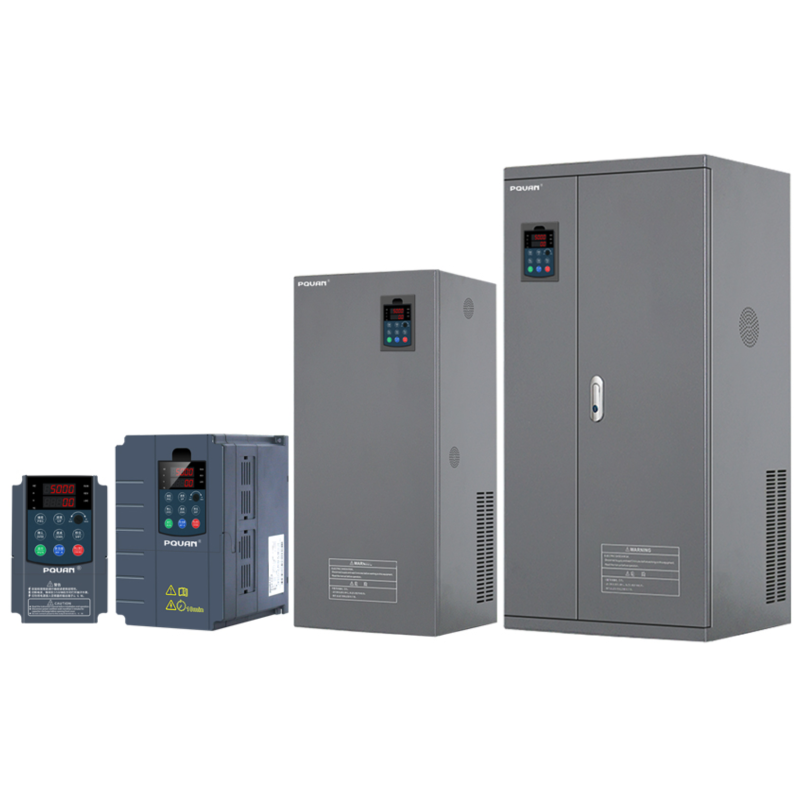
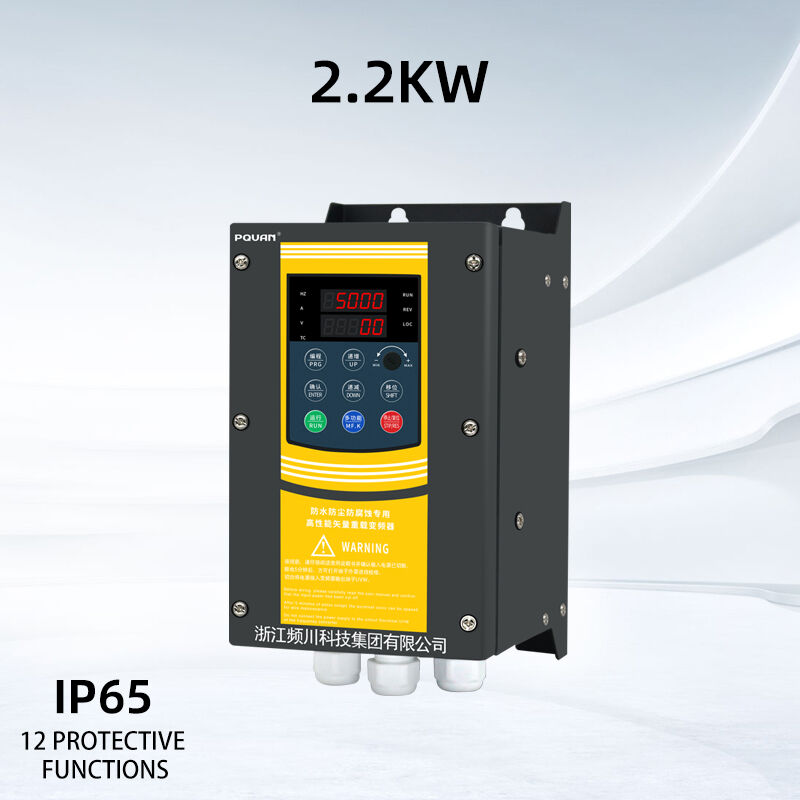
Endüstriyel fan VFD sistemleri, maliyetli arızaları önleyen ve ekipman ömrünü önemli ölçüde uzatan gelişmiş izleme ve teşhis yetenekleri sayesinde eşsiz bir ekipman koruması sağlar. Entegre koruma paketi, motor sıcaklığı, akım çekimi, gerilim seviyeleri ve titreşim karakteristikleri dahil olmak üzere kritik parametreleri sürekli izler ve kalıcı hasarlara neden olabilecek anormal koşulları anında tespit eder. Aşırı akım koruması, faz akımlarını izleyerek motorun yanmasını önler ve güvenli sınırlar aşıldığında otomatik olarak çıkış gücünü azaltır veya sistemi kapatır. Isıl koruma, yük koşullarına ve ortam sıcaklığına dayalı olarak motor ısınmasını hesaplayan karmaşık algoritmalar kullanır ve bu sayede yalıtım bozulması ile sargı hasarları önlenir. Yumuşak başlangıç işlevi, doğrudan şebekeye bağlanmaya bağlı mekanik şoka son verir; fan pervaneleri, motor yatakları, tahrik kayışları ve bağlantı sistemleri üzerindeki stresi, programlanabilir süreler boyunca çalışma hızına yavaşça ulaşarak azaltır. Bu yumuşak ivmelenme, yatak ömrünü uzatır, bakım gereksinimlerini azaltır ve kapsamlı duruş süreleri ve onarım maliyetlerine yol açabilecek felaket niteliğinde mekanik arızaların riskini en aza indirir. Faz izleme yetenekleri, hassas motor bileşenlerine zarar verebilecek gerilim dengesizlikleri, faz kaybı ve harmonik bozulma gibi güç kaynağı düzensizliklerini tespit eder. Toprak hatası koruması, elektriksel tehlikelere karşı güvenlik sağlar ve yalıtım bozulması veya nem girişi nedeniyle ekipman hasarlarını önler. Modern endüstriyel fan VFD sistemlerinin teşhis yetenekleri arasında, operasyonel eğilimleri analiz eden ve gelişmekte olan sorunlara erken uyarı veren tahmine dayalı bakım özellikleri yer alır; bu da bakım ekiplerinin acil arızalara müdahale etmek yerine planlı duruş süreleri sırasında onarımları zamanlamasını sağlar. Detaylı arıza günlüğü, operasyonel olayların ayrıntılı kayıtlarını tutar ve teknisyenlerin tekrarlayan sorunları tanımlamasını ve önleyici çözümler uygulamasını sağlar. İletişim yetenekleri, sistem sağlığının uzaktan izlenmesine olanak tanır; bu da proaktif bakım planlamasını destekler ve rutin saha ziyaretlerine duyulan ihtiyacı azaltır. Endüstriyel sınıf VFD muhafazalarının sağlam yapısı, toz, nem, aşırı sıcaklık ve titreşim gibi çevresel tehlikelere karşı koruma sağlar ve zorlu endüstriyel ortamlarda güvenilir çalışmayı garanti eder.

 EN
EN