All Categories
Get a Quote
%}

Get a Free Quote

Our representative will contact you soon.
Email
Name
Company Name
Message
0/1000

How Does a Voltage Stabilizer Work? A Complete Guide for Beginners

2026-04-21 10:57:00
How Does a Voltage Stabilizer Work? A Complete Guide for Beginners

Understanding how a voltage stabilizer works is essential for anyone looking to protect their electrical equipment from power fluctuations. A voltage stabilizer is an electrical device designed to automatically maintain a constant voltage level by regulating fluctuations in the input voltage supply. When electrical power from the grid experiences variations due to load changes, switching operations, or grid instability, the voltage stabilizer detects these changes and compensates accordingly to deliver stable output voltage to connected equipment.

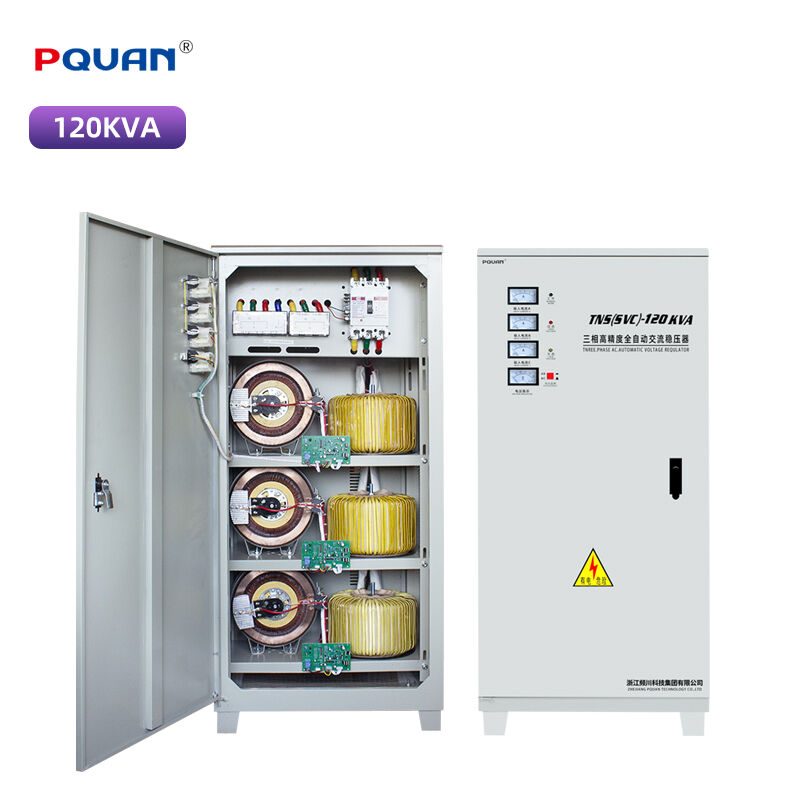
voltage stabilizer

The fundamental working principle of a voltage stabilizer involves continuous monitoring of input voltage levels and making real-time adjustments to ensure that the output remains within acceptable limits. This process involves several key components working together, including transformers, control circuits, switching mechanisms, and feedback systems. For beginners, grasping these basic concepts provides a foundation for understanding why voltage stabilizers are crucial in protecting sensitive electronic equipment, industrial machinery, and household appliances from damage caused by voltage variations.

Basic Components and Their Functions

Primary Transformer Assembly

The primary transformer in a voltage stabilizer serves as the main voltage conversion element that enables the device to adjust output voltage levels. This transformer typically features multiple taps or windings that allow for different voltage ratios, providing the flexibility needed to accommodate various input voltage conditions. When input voltage fluctuates, the control system selects the appropriate transformer tap to maintain stable output voltage. The transformer assembly also includes step-up and step-down windings that work in conjunction with the control circuit to provide precise voltage regulation.

Modern voltage stabilizer designs incorporate high-quality transformer cores made from silicon steel or other magnetic materials that minimize energy losses and improve efficiency. The transformer assembly must be properly sized to handle the maximum load current while maintaining voltage regulation accuracy. The design also considers factors such as temperature rise, insulation requirements, and mechanical stress to ensure reliable long-term operation under varying load conditions.

Control Circuit and Sensing Mechanism

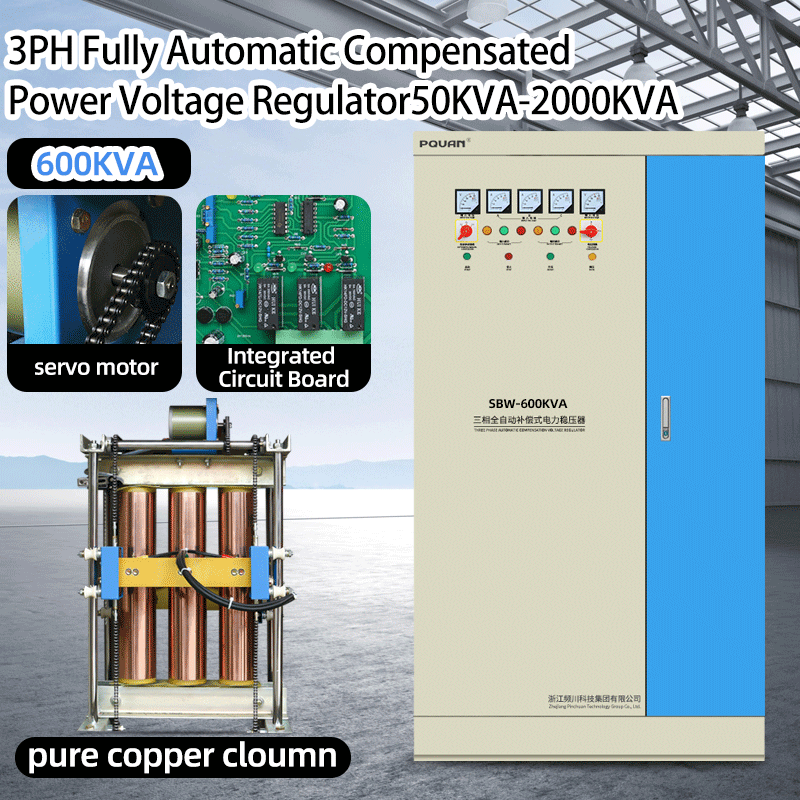
The control circuit represents the intelligence of a voltage stabilizer, continuously monitoring input voltage levels and making decisions about necessary adjustments. This circuit typically includes voltage sensing elements, comparators, and switching control logic that work together to maintain output voltage within specified limits. The sensing mechanism measures input voltage in real-time and compares it against reference values to determine when corrective action is needed.

Advanced voltage stabilizer control circuits incorporate microprocessor-based systems that provide enhanced accuracy and faster response times compared to traditional analog circuits. These digital control systems can store multiple voltage regulation parameters, provide diagnostic information, and offer communication interfaces for remote monitoring. The control circuit also includes protection features such as overvoltage protection, undervoltage protection, and overcurrent protection to safeguard both the voltage stabilizer and connected equipment.

Switching and Relay Systems

The switching mechanism in a voltage stabilizer enables the rapid selection of appropriate transformer taps or switching circuits to achieve desired output voltage levels. Traditional voltage stabilizer designs use electromagnetic relays or contactors to switch between different voltage taps, while more advanced systems employ solid-state switching devices such as thyristors or power semiconductors. The switching system must operate quickly and reliably to minimize voltage regulation delay and ensure smooth power delivery.

Modern voltage stabilizer switching systems are designed for high-speed operation with switching times typically measured in milliseconds. The switching mechanism must also handle the electrical stresses associated with making and breaking electrical circuits under load conditions. Proper arc suppression, contact protection, and switching sequence control are essential features that ensure reliable operation and extend the service life of the switching components.

Operating Principles and Voltage Regulation Process

Voltage Detection and Measurement

The voltage regulation process begins with accurate detection and measurement of input voltage levels using precision sensing circuits. These sensing circuits typically employ voltage dividers, instrument transformers, or dedicated voltage measurement integrated circuits to obtain accurate representations of input voltage magnitude and phase. The measurement system must provide fast response to voltage changes while filtering out noise and transient disturbances that could cause unnecessary switching operations.

The voltage detection system in a voltage stabilizer also monitors additional parameters such as frequency, phase sequence, and harmonic content to ensure comprehensive power quality assessment. This information helps the control system make informed decisions about voltage regulation strategies and protection actions. Advanced voltage stabilizer designs include multiple voltage measurement points to monitor both input and output conditions, enabling more precise regulation and system diagnostics.

Comparison and Decision Logic

Once input voltage is measured, the control system compares these values against predetermined reference levels to determine if voltage correction is needed. This comparison process involves establishing voltage tolerance bands or windows within which no corrective action is required, preventing unnecessary switching that could reduce system efficiency and component life. The decision logic considers factors such as rate of voltage change, load conditions, and system stability to optimize regulation performance.

The comparison and decision logic in modern voltage stabilizer systems incorporates sophisticated algorithms that predict voltage trends and anticipate regulation requirements. These predictive control strategies help minimize voltage regulation delay and improve overall system response. The decision logic also includes hysteresis functions that prevent oscillatory switching when input voltage fluctuates near regulation thresholds, ensuring stable and efficient operation.

Automatic Correction Mechanism

When the control system determines that voltage correction is necessary, the automatic correction mechanism initiates the appropriate switching sequence to adjust output voltage levels. This process involves selecting the correct transformer tap, activating switching devices, and monitoring the resulting output voltage to verify proper regulation. The correction mechanism must operate smoothly to avoid voltage interruptions or transients that could affect connected equipment.

The automatic correction process in a voltage stabilizer includes feedback control loops that continuously verify regulation accuracy and make fine adjustments as needed. This closed-loop control ensures that output voltage remains stable even when input voltage continues to fluctuate or when load conditions change. The correction mechanism also coordinates with protection systems to ensure safe operation during abnormal conditions such as short circuits, overloads, or component failures.

Types of Voltage Regulation Technologies

Step Voltage Regulation

Step voltage regulation represents the most common approach used in voltage stabilizer designs, employing discrete voltage adjustment steps to achieve output regulation. This technology uses multiple transformer taps or autotransformer windings to provide selectable voltage ratios that correspond to different input voltage conditions. The step size typically ranges from one to five percent of nominal voltage, allowing for reasonable regulation accuracy while maintaining system simplicity and reliability.

Step voltage regulation systems offer several advantages including robust construction, high efficiency, and proven reliability in industrial applications. The discrete nature of step regulation means that voltage adjustments occur in predetermined increments, which can result in small residual voltage variations but generally provides acceptable performance for most applications. Modern step voltage regulation designs incorporate optimized tap selection algorithms that minimize switching frequency and maximize regulation accuracy.

Continuous Voltage Regulation

Continuous voltage regulation technology provides smooth, stepless voltage adjustment by using variable transformer principles or electronic control methods. This approach typically employs motorized variable transformers, magnetic amplifiers, or power electronic converters to achieve precise voltage control without discrete switching steps. Continuous regulation offers superior voltage regulation accuracy and eliminates the small voltage jumps associated with step regulation systems.

The implementation of continuous voltage regulation in voltage stabilizer systems often involves more complex control mechanisms and higher component costs compared to step regulation approaches. However, the improved regulation performance and reduced electrical stress on connected equipment can justify the additional investment in critical applications. Continuous regulation systems also provide better harmonic performance and reduced electromagnetic interference compared to switching-based regulation methods.

Electronic and Digital Control Methods

Modern voltage stabilizer designs increasingly incorporate electronic and digital control methods that leverage power semiconductor devices and microprocessor-based control systems. These approaches can implement various regulation strategies including pulse width modulation, phase angle control, and sophisticated feedback algorithms that optimize voltage regulation performance. Electronic control methods offer fast response times, high accuracy, and flexible programming capabilities that enable customization for specific applications.

Digital control methods in voltage stabilizer systems provide enhanced diagnostic capabilities, communication interfaces, and adaptive control algorithms that can learn from operating conditions and optimize performance over time. These systems can also integrate with building management systems or industrial control networks to provide remote monitoring and control capabilities. The flexibility of digital control enables implementation of advanced features such as power factor correction, harmonic filtering, and predictive maintenance functions.

Performance Characteristics and Application Considerations

Regulation Accuracy and Response Time

The regulation accuracy of a voltage stabilizer determines how closely the output voltage matches the desired setpoint under varying input and load conditions. Typical voltage stabilizer systems achieve regulation accuracy between ±1% to ±5% of nominal voltage, depending on the regulation technology and application requirements. Higher accuracy systems are available for critical applications but generally require more sophisticated control systems and higher component costs.

Response time represents another critical performance characteristic that determines how quickly a voltage stabilizer can react to input voltage changes and restore proper output regulation. Fast response times are essential for protecting sensitive electronic equipment from voltage transients and ensuring continuous operation of critical loads. Modern voltage stabilizer designs achieve response times ranging from milliseconds to several seconds, depending on the regulation technology and system complexity.

Efficiency and Power Quality Impact

The efficiency of a voltage stabilizer affects both operating costs and heat generation, making it an important consideration for most applications. High-efficiency voltage stabilizer designs typically achieve efficiency levels above 95% at full load, with efficiency remaining relatively constant across a wide load range. Factors affecting efficiency include transformer losses, switching losses, control circuit power consumption, and harmonic distortion levels.

Power quality impact refers to how a voltage stabilizer affects the electrical characteristics of the power supply beyond basic voltage regulation. Well-designed voltage stabilizer systems minimize introduction of harmonic distortion, improve power factor, and reduce voltage fluctuations that could affect other equipment connected to the same electrical system. Some advanced voltage stabilizer designs include active power quality improvement features that can actually enhance overall power system performance.

Load Compatibility and Protection Features

Different types of electrical loads place varying demands on voltage stabilizer systems, requiring careful consideration of load compatibility when selecting and applying voltage regulation equipment. Resistive loads such as heating elements present relatively simple requirements, while reactive loads including motors and transformers create more complex regulation challenges due to their dynamic characteristics and inrush current requirements.

Protection features in voltage stabilizer systems safeguard both the regulation equipment and connected loads from various fault conditions and abnormal operating situations. Common protection functions include input overvoltage and undervoltage protection, output overcurrent protection, overtemperature protection, and phase sequence protection for three-phase systems. Advanced protection systems also provide selective coordination with upstream protective devices and include communication capabilities for integration with overall facility protection schemes.

FAQ

What is the main difference between a voltage stabilizer and a UPS system?

A voltage stabilizer regulates voltage fluctuations from the main power supply but does not provide backup power during outages, while a UPS system provides both voltage regulation and battery backup power during power failures. Voltage stabilizers are designed primarily for voltage regulation under normal power conditions, whereas UPS systems include energy storage capabilities and can maintain power supply during complete power interruptions. The choice between these systems depends on whether backup power is required in addition to voltage regulation.

How do I determine the correct capacity rating for a voltage stabilizer?

The capacity rating of a voltage stabilizer should be determined based on the total connected load power consumption, including consideration for startup currents and future load growth. Calculate the total power requirement of all equipment that will be connected, then add a safety margin of 20-30% to account for motor starting currents and system inefficiencies. For three-phase systems, ensure that the voltage stabilizer can handle unbalanced loads if present. It is also important to consider the power factor of connected loads when sizing the voltage stabilizer capacity.

Can a voltage stabilizer work with different types of electrical equipment?

Most voltage stabilizers are compatible with a wide range of electrical equipment including motors, lighting systems, computers, and household appliances, but compatibility should be verified for specific applications. Some sensitive electronic equipment may require voltage stabilizers with very low harmonic distortion and fast response times, while motor loads may need voltage stabilizers designed to handle high inrush currents. Industrial applications often require voltage stabilizers with specific features such as phase sequence correction or harmonic filtering to ensure proper equipment operation.

How often does a voltage stabilizer require maintenance?

Voltage stabilizer maintenance requirements depend on the technology used and operating environment, but typical maintenance intervals range from six months to two years. Step-type voltage stabilizers with mechanical switching components may require more frequent maintenance to check relay contacts and switching mechanisms, while solid-state voltage stabilizers generally require less maintenance but benefit from periodic cleaning and inspection. Regular maintenance should include checking connections, measuring regulation accuracy, testing protection systems, and cleaning cooling systems to ensure reliable operation and extend equipment life.