Heavy Duty AC Drive Solutions - Industrial Motor Control & Energy Efficiency

All Categories
Get a Quote
%}

Get a Free Quote

Our representative will contact you soon.
Email
Mobile/WhatsApp
Name
Message
0/1000

heavy duty ac drive

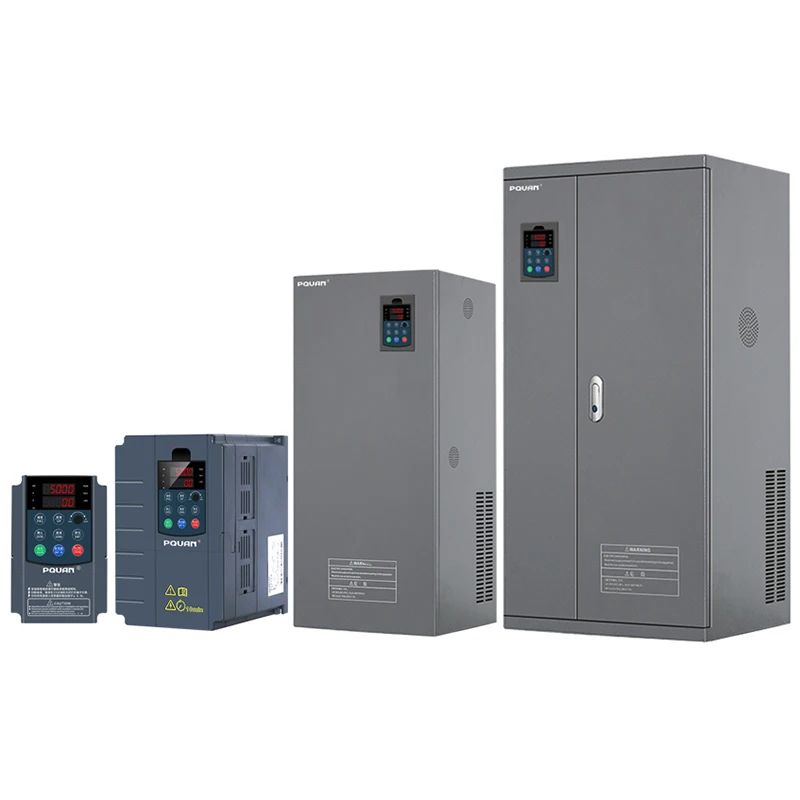
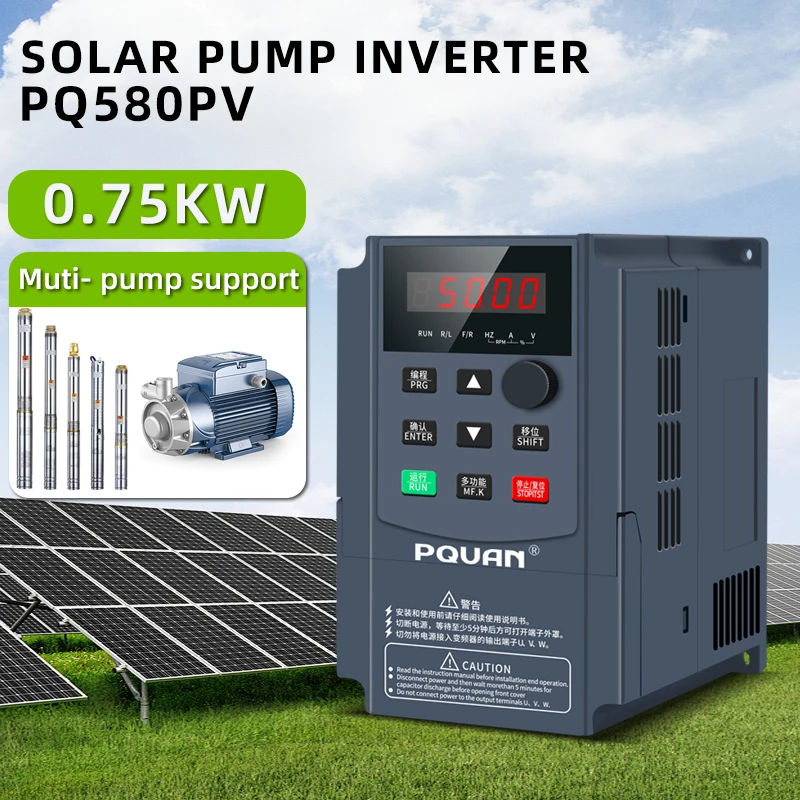
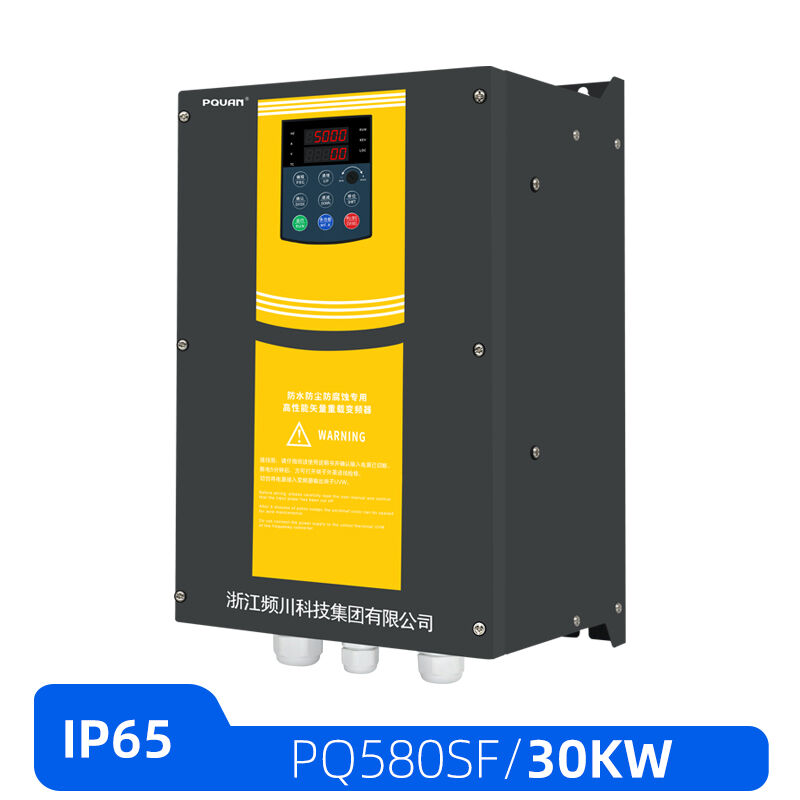
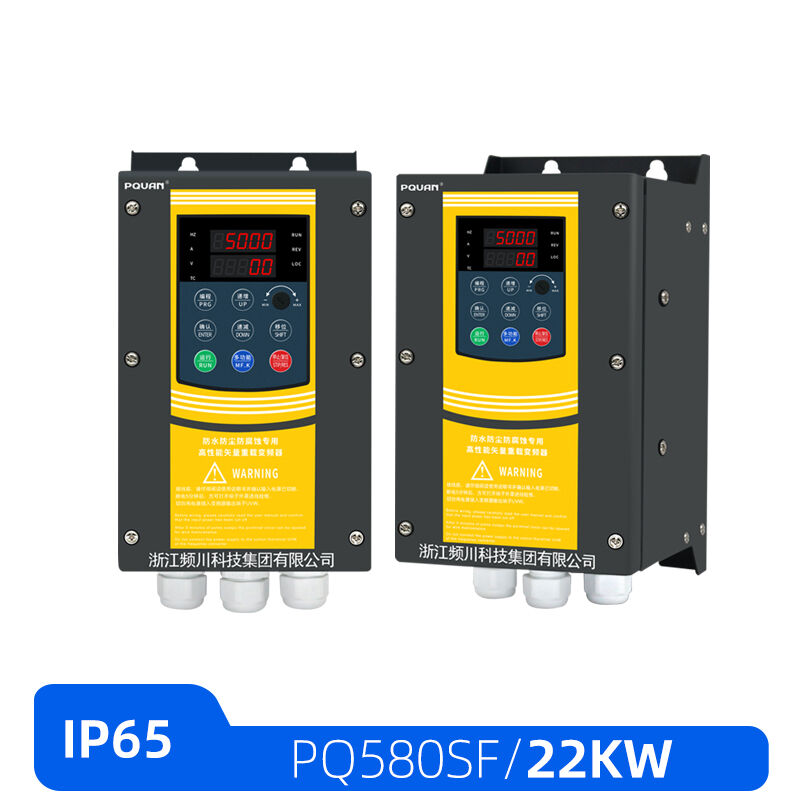
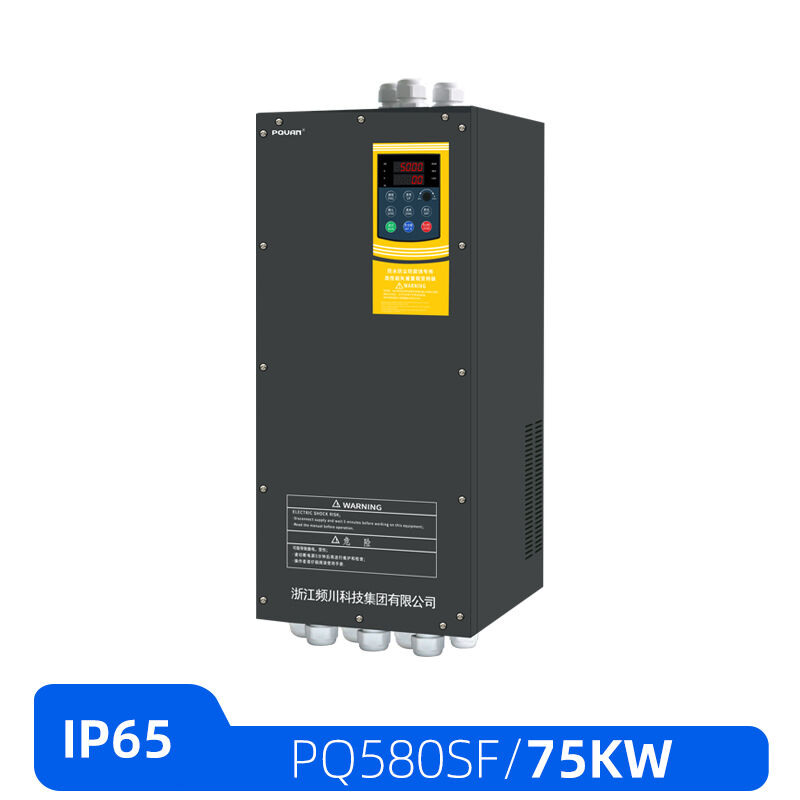
A heavy duty ac drive represents a sophisticated power conversion system engineered to control the speed, torque, and operational efficiency of alternating current motors in demanding industrial environments. These drives serve as the critical interface between electrical power sources and motor-driven equipment, converting incoming AC power to a variable frequency and voltage output that precisely matches application requirements. The primary functions encompass motor speed regulation across wide operating ranges, torque control for consistent performance under varying loads, energy optimization through intelligent power management, and comprehensive motor protection against electrical and mechanical stress. Modern heavy duty ac drive systems incorporate advanced technological features including microprocessor-based control algorithms, real-time monitoring capabilities, integrated communication protocols, and adaptive response mechanisms. The drives utilize pulse width modulation techniques to generate smooth, adjustable output waveforms that minimize harmonic distortion and reduce mechanical stress on connected equipment. Built with industrial-grade components, these systems withstand harsh operating conditions including extreme temperatures, humidity, vibration, and electrical noise. Applications span numerous sectors where reliable motor control proves essential for operational success. Manufacturing facilities deploy these drives to regulate conveyor systems, processing equipment, and material handling machinery. Mining operations rely on them for crusher motors, grinding mills, and ventilation systems. Water treatment plants use them to control pumps and blowers with precision. The oil and gas industry depends on heavy duty ac drives for compressors, pumps, and drilling equipment. Cement plants, steel mills, and power generation facilities incorporate these systems throughout their operations. The versatility of heavy duty ac drives extends to HVAC systems in commercial buildings, agricultural processing equipment, and marine propulsion systems. Each application benefits from the drive's ability to match motor performance to process demands, reducing energy waste while extending equipment service life through controlled acceleration, deceleration, and steady-state operation.

Popular Products

Heavy duty ac drives deliver substantial cost savings by reducing energy consumption through precise motor speed matching to actual process requirements rather than running motors at fixed speeds with mechanical throttling. This intelligent power management can decrease electrical bills by twenty to fifty percent in typical applications, with payback periods often under two years. The drives eliminate the need for mechanical speed control devices such as gearboxes, clutches, and throttle valves, reducing both initial equipment costs and ongoing maintenance expenses. Operational flexibility increases dramatically as users can adjust motor speeds instantly through simple parameter changes without mechanical modifications, enabling quick response to changing production demands and process optimization. Equipment longevity improves significantly because the drives provide controlled starting and stopping that eliminates mechanical shock loads, reducing wear on motors, couplings, belts, and driven machinery. The soft start capability prevents the sudden current surges associated with across-the-line motor starting, protecting electrical infrastructure and reducing stress on mechanical components. Process quality improves through precise speed regulation that maintains consistent production rates regardless of load variations, voltage fluctuations, or ambient conditions. Manufacturing operations achieve tighter tolerances and reduced product variation when motor speeds remain stable throughout production runs. The drives offer comprehensive motor protection features including overload detection, phase loss monitoring, ground fault protection, and thermal management, preventing costly motor failures and unplanned downtime. Diagnostic capabilities built into modern heavy duty ac drives provide real-time performance data, fault logging, and predictive maintenance indicators that help maintenance teams identify potential problems before they cause equipment failures. Integration capabilities allow these drives to communicate with plant control systems using standard industrial protocols, enabling coordinated control strategies and remote monitoring that improve overall facility efficiency. Environmental benefits emerge from reduced energy consumption and lower carbon footprints, helping companies meet sustainability goals while complying with increasingly stringent environmental regulations. Noise reduction occurs in applications like fans and pumps where variable speed operation eliminates the loud mechanical noise associated with dampers and throttling valves. Installation simplicity has improved with compact designs, clear documentation, and intuitive programming interfaces that reduce commissioning time and training requirements. Safety features including emergency stop inputs, safe torque-off functions, and controlled braking enhance workplace safety by providing multiple layers of protection for operators and equipment.

Practical Tips

Voltage Regulator Maintenance: Tips to Keep It Running Smoothly

06

Mar

Voltage Regulator Maintenance: Tips to Keep It Running Smoothly

In the world of industrial automation and power distribution, equipment reliability is the foundation of profitability. Facilities invest heavily in sensitive machinery, automated production lines, and advanced control systems, all of which require a...
View More
Voltage Regulator Types: Which One Is Right for Your Application?

17

Mar

Voltage Regulator Types: Which One Is Right for Your Application?

In the industrial sector, maintaining a steady, reliable power supply is essential to safeguarding sophisticated automated machinery, high-precision laboratory instruments, and data infrastructures. A voltage regulator serves as a vital safeguard aga...
View More
Voltage Stabilizer: Reliable Protection for Your Low-Voltage Electrical System

30

Apr

Voltage Stabilizer: Reliable Protection for Your Low-Voltage Electrical System

Maintaining stable power quality within low-voltage distribution networks is one of the most critical challenges faced by modern industrial facilities. Fluctuations in grid voltage, such as sudden voltage sags or high-energy surges, can severely comp...
View More
How to Choose the Right AC Drive for Your Industrial Needs

01

Jun

How to Choose the Right AC Drive for Your Industrial Needs

In modern industrial automation, optimizing energy efficiency and maintaining precise control over motor speeds are critical for operational success. An AC Drive (Alternating Current Drive), also commonly known as a Variable Frequency Drive (VFD), pl...
View More

Get a Free Quote

Our representative will contact you soon.
Email
Mobile/WhatsApp
Name
Message
0/1000

heavy duty ac drive

Advanced Motor Protection and Diagnostic Capabilities

Advanced Motor Protection and Diagnostic Capabilities

The heavy duty ac drive incorporates comprehensive protection mechanisms that safeguard both the drive itself and connected motors from a wide range of electrical and mechanical faults, representing a significant advancement over traditional motor control methods. These protection features monitor dozens of operating parameters continuously, responding within milliseconds to abnormal conditions before they can cause equipment damage. Overcurrent protection detects excessive current flow that might result from motor overloads, locked rotors, or short circuits, immediately reducing output or shutting down to prevent motor winding damage. Thermal monitoring tracks motor temperature through mathematical models or direct sensor feedback, preventing insulation degradation and premature motor failure. Phase loss detection identifies missing input or output phases that would otherwise cause motor overheating and torque pulsation. Ground fault protection recognizes insulation breakdowns that pose safety hazards and equipment damage risks. Overvoltage and undervoltage monitoring ensures the drive operates only within safe electrical parameters, protecting against power quality issues. Beyond basic protection, modern heavy duty ac drives provide sophisticated diagnostic capabilities that transform maintenance approaches from reactive to predictive. The drives log fault histories with timestamps, allowing maintenance teams to identify recurring problems and underlying causes. Real-time monitoring displays provide immediate visibility into motor current, voltage, frequency, power consumption, and operating temperature, enabling operators to recognize performance degradation before failures occur. Trend analysis capabilities track parameters over time, highlighting gradual changes that indicate bearing wear, insulation deterioration, or mechanical misalignment. Communication interfaces transmit this diagnostic data to plant control systems and maintenance management software, enabling centralized monitoring of multiple drives across large facilities. Some advanced heavy duty ac drives incorporate vibration monitoring and analysis features that detect mechanical problems in connected equipment, extending predictive maintenance capabilities beyond electrical parameters. The economic impact of these protection and diagnostic features proves substantial, as unplanned downtime in industrial facilities can cost thousands of dollars per hour. By preventing motor failures and enabling condition-based maintenance scheduling, heavy duty ac drives reduce maintenance costs while improving equipment availability and production reliability.
Energy Efficiency Through Intelligent Speed Control

Energy Efficiency Through Intelligent Speed Control

Heavy duty ac drives achieve remarkable energy savings by matching motor speed precisely to process requirements, eliminating the waste inherent in traditional fixed-speed motor systems that use mechanical throttling or bypassing to control flow and pressure. In applications such as pumps, fans, and compressors, the relationship between speed and power consumption follows the affinity laws, where power varies with the cube of speed. Reducing motor speed by twenty percent can decrease energy consumption by nearly fifty percent, creating immediate and substantial operating cost reductions. The drive accomplishes this by converting fixed-frequency AC power to variable frequency output, allowing motors to operate at optimal speeds for current demands rather than running continuously at full speed. This intelligent control extends beyond simple speed adjustment to include advanced energy optimization algorithms that automatically tune motor operation for maximum efficiency across varying load conditions. The drives continuously monitor power consumption and adjust control parameters to minimize losses in both the drive and motor, adapting to changes in supply voltage, motor temperature, and load characteristics. Regenerative braking capabilities in some heavy duty ac drive models capture kinetic energy during deceleration and return it to the power supply, further reducing net energy consumption in applications with frequent speed changes or load cycling. The environmental impact of these energy savings extends beyond reduced operating costs to decreased carbon emissions and smaller facility power infrastructure requirements. Facilities can often defer electrical service upgrades or reduce transformer capacity when implementing heavy duty ac drives across multiple motors, as the drives eliminate starting current surges and reduce overall power demand. Power factor correction features built into many drives reduce reactive power consumption, potentially eliminating power factor penalties from utilities while freeing up electrical system capacity. The cumulative effect of these energy efficiency features makes heavy duty ac drives one of the highest-return investments available for industrial facilities, with documented payback periods ranging from several months to two years depending on application duty cycles and local energy costs. Companies pursuing sustainability certifications or carbon reduction goals find that deploying heavy duty ac drives provides measurable, verifiable energy savings that contribute directly to environmental performance metrics.
Operational Flexibility and Process Optimization

Operational Flexibility and Process Optimization

The heavy duty ac drive transforms rigid, fixed-speed motor systems into flexible, responsive control platforms that adapt instantly to changing production requirements and enable sophisticated process optimization strategies impossible with conventional motor starters. This flexibility begins with the ability to adjust motor speeds across wide ranges through simple parameter changes, eliminating the need for mechanical modifications such as pulley changes, gearbox replacements, or motor swaps. Operators can fine-tune speeds to match specific product requirements, optimize throughput, or adjust for varying material characteristics without stopping production or involving maintenance personnel. Multiple speed presets allow quick switching between common operating points, while ramping functions ensure smooth transitions that prevent product damage or process upsets. The drives support various control modes including volts-per-hertz for general purpose applications, sensorless vector control for improved torque performance, and closed-loop vector control for precise speed regulation regardless of load variations. Process integration capabilities enable heavy duty ac drives to respond automatically to feedback from temperature sensors, pressure transducers, flow meters, and other instrumentation, creating closed-loop control systems that maintain process variables at setpoints despite disturbances. In pumping applications, the drive can maintain constant pressure by automatically adjusting pump speed as demand changes, eliminating pressure fluctuations and reducing stress on piping systems. Fan systems benefit from demand-based ventilation control that varies airflow in response to actual requirements rather than running continuously at maximum capacity. Material handling systems use the drive's torque control capabilities to maintain proper tension in web processing, prevent belt slippage in conveyors, and coordinate multiple motors for synchronized operation. The ability to program complex motion profiles enables precise positioning, controlled acceleration and deceleration profiles, and repeatable motion sequences that improve product quality and reduce cycle times. Communication protocols including Modbus, Profibus, EtherNet/IP, and others allow heavy duty ac drives to integrate seamlessly with programmable logic controllers, supervisory control systems, and enterprise management software, enabling coordinated control strategies across entire production lines. Remote monitoring and control capabilities permit operators to adjust drive parameters, monitor performance, and respond to alarms from centralized control rooms or even mobile devices, improving response times and enabling expert support regardless of physical location. This operational flexibility reduces the need for oversized motors and mechanical complexity, as a single motor with a heavy duty ac drive can serve applications with widely varying speed requirements that would otherwise demand multiple motors or complex mechanical systems.

Heavy Duty AC Drive Solutions - Industrial Motor Control & Energy Efficiency

Get a Free Quote

Our representative will contact you soon.
Email
Mobile/WhatsApp
Name
Message
0/1000