AC Drive Inverter: Advanced Motor Control for Energy Efficiency and Precision Performance

All Categories
Get a Quote
%}

Get a Free Quote

Our representative will contact you soon.
Email
Mobile/WhatsApp
Name
Message
0/1000

ac drive inverter

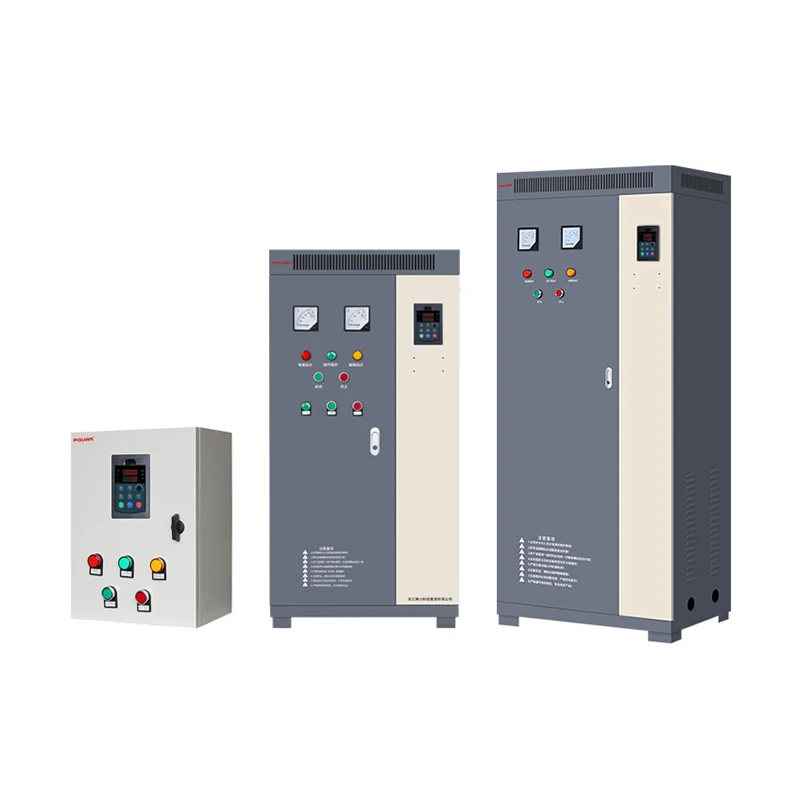
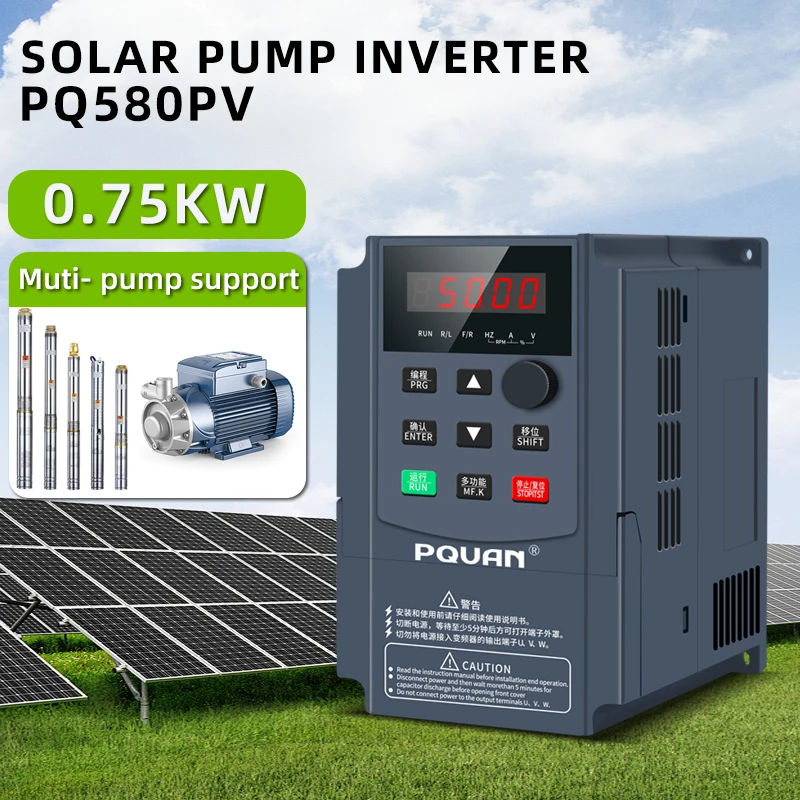
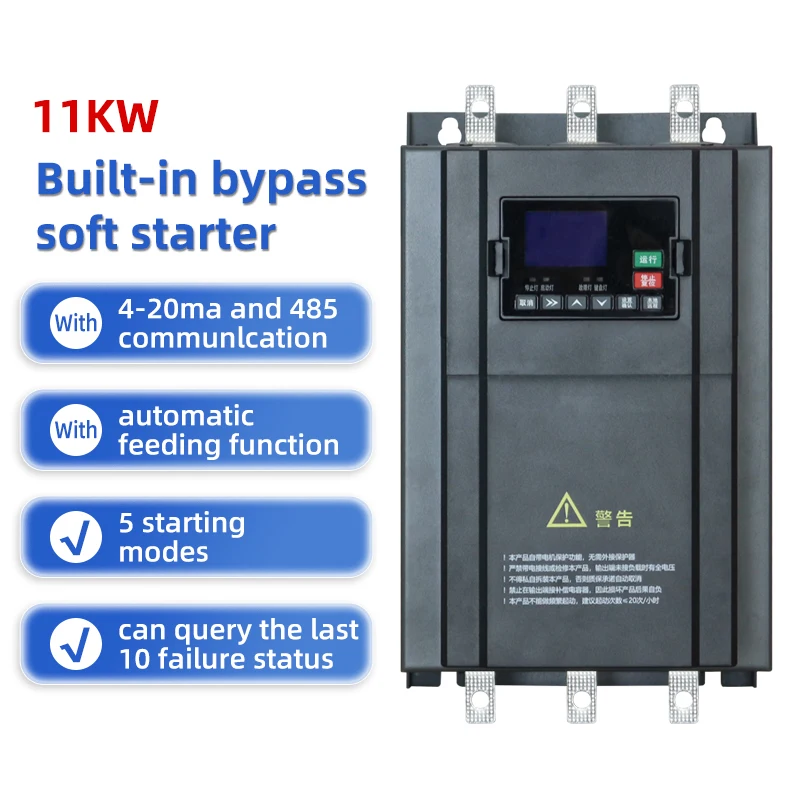
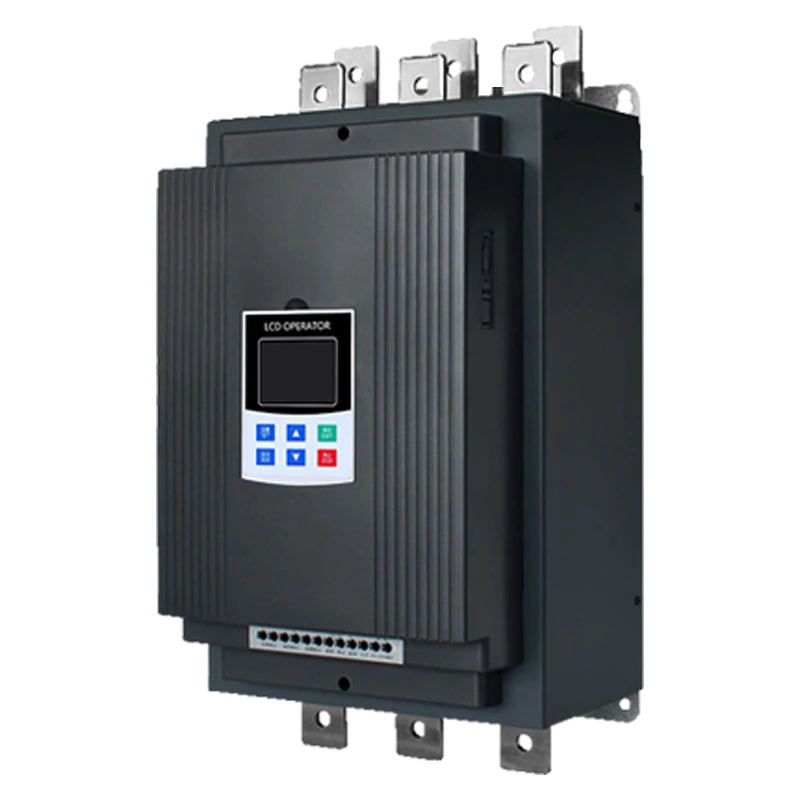
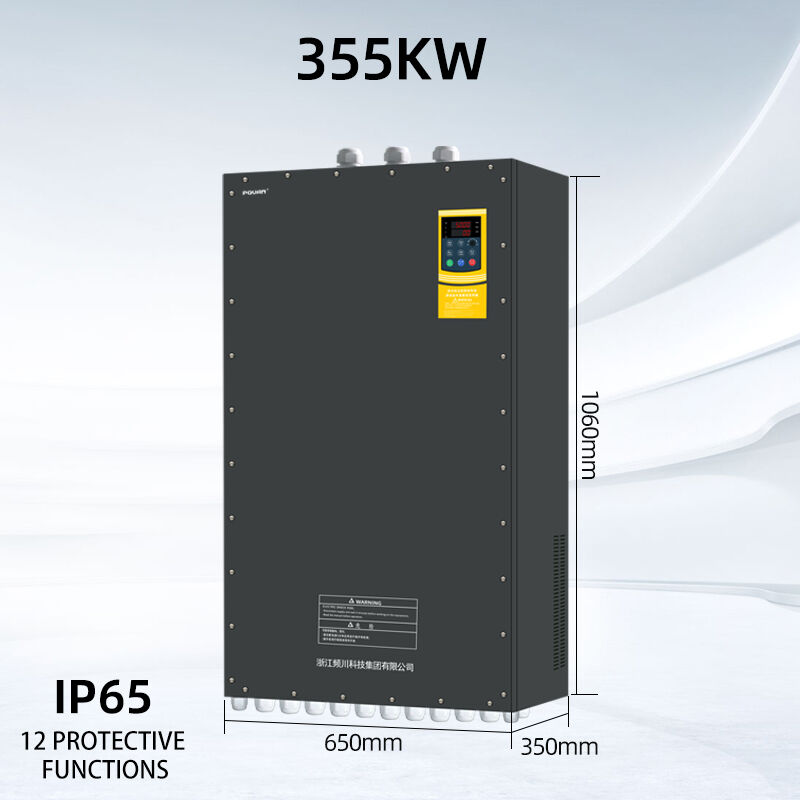
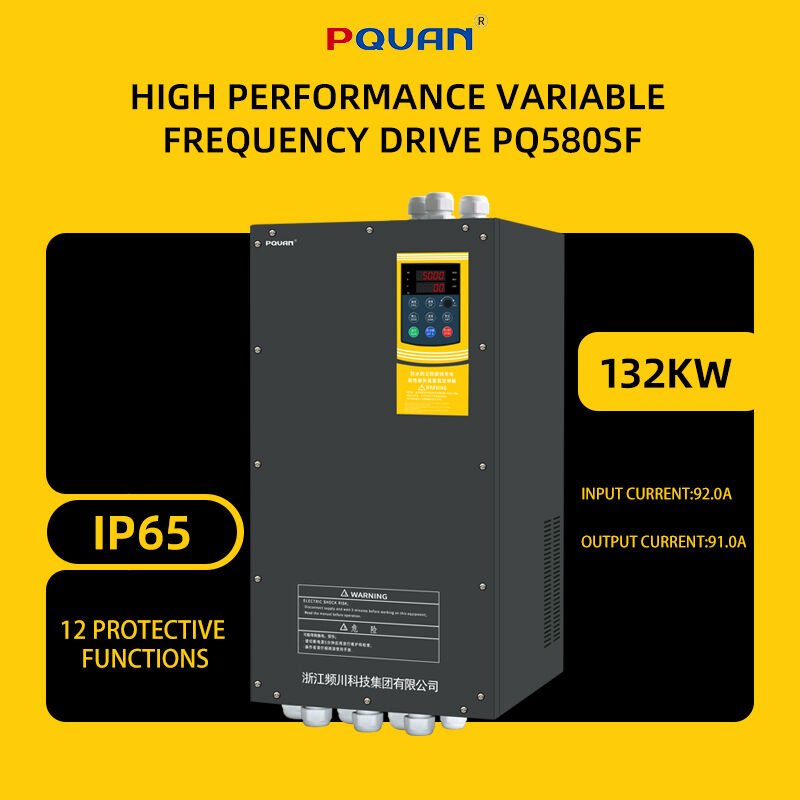
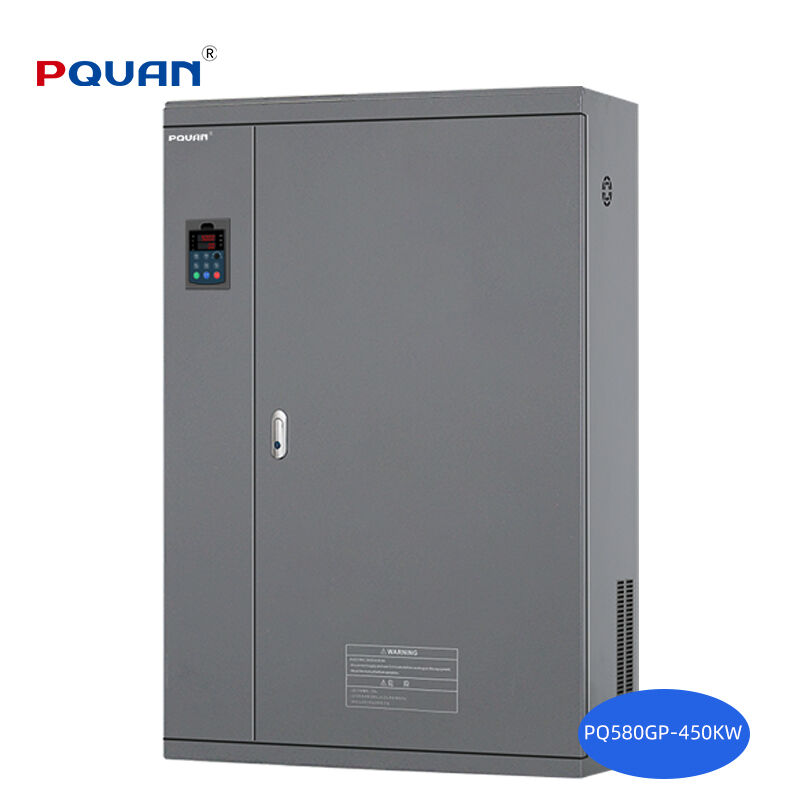
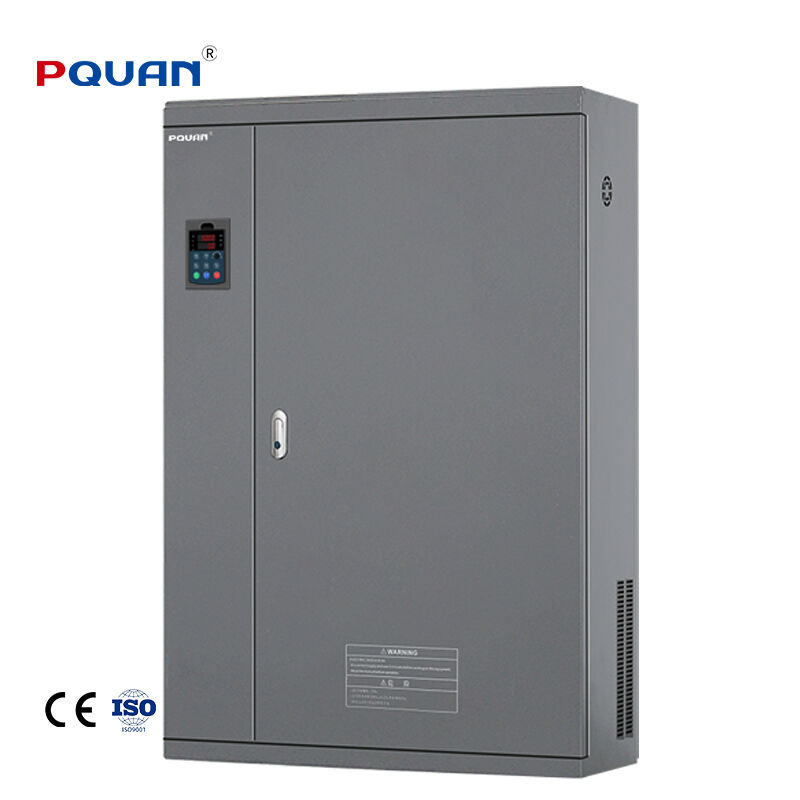
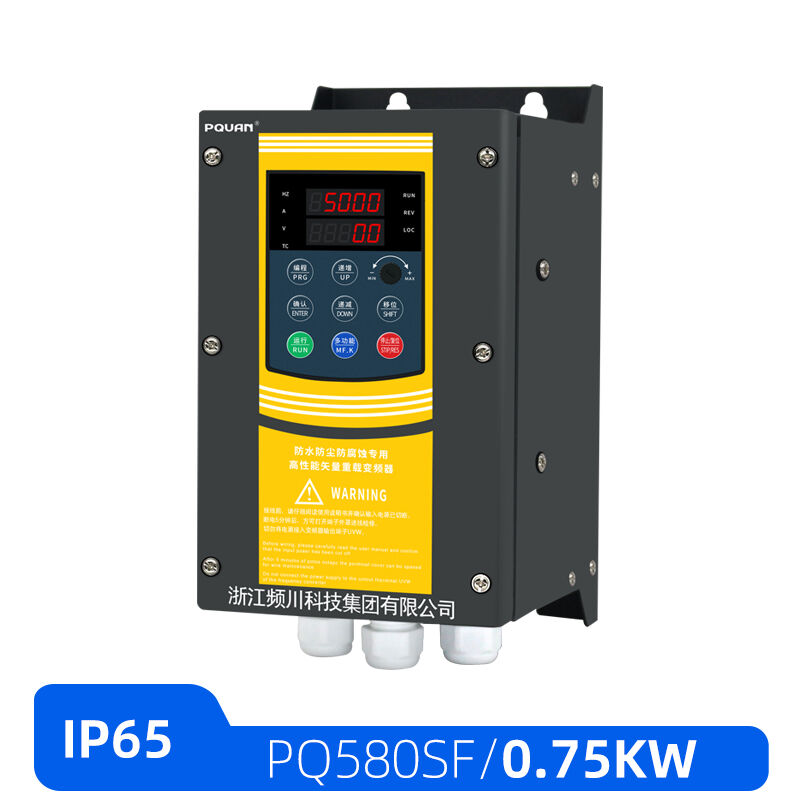
An ac drive inverter represents a sophisticated power conversion device that transforms fixed-frequency, fixed-voltage alternating current into variable-frequency, variable-voltage output to control electric motor speed and torque. This technology serves as the cornerstone of modern motor control systems across industrial, commercial, and residential applications. The primary function of an ac drive inverter involves converting incoming AC power to DC power through a rectifier circuit, then inverting it back to AC power at the desired frequency and voltage through an inverter section controlled by advanced microprocessors. This precise control mechanism enables motors to operate at optimal speeds for specific tasks rather than running constantly at full capacity. The technological architecture incorporates intelligent control algorithms, power electronics components including IGBTs or MOSFETs, and sophisticated filtering systems that ensure clean, stable output power. Modern ac drive inverter units feature built-in protection mechanisms against overcurrent, overvoltage, undervoltage, overheating, and short circuits, safeguarding both the drive and connected equipment. Applications span manufacturing facilities where conveyor systems, pumps, fans, and compressors benefit from variable speed operation, HVAC systems in buildings requiring temperature and airflow adjustments, water treatment plants managing pump operations, and renewable energy installations converting power from solar panels or wind turbines. The ac drive inverter technology has evolved to include communication protocols such as Modbus, Profibus, and Ethernet/IP, allowing seamless integration with building management systems and industrial automation networks. Energy efficiency stands as a defining characteristic, with modern units achieving efficiency ratings exceeding 97 percent under optimal conditions, translating to substantial cost savings over equipment lifetime. The compact design of contemporary ac drive inverter models facilitates installation in space-constrained environments while maintaining robust performance standards across demanding operational conditions.

Popular Products

The ac drive inverter delivers transformative benefits that directly impact operational efficiency and financial performance for businesses and facilities of all sizes. Energy conservation emerges as the most compelling advantage, with typical installations reducing electricity consumption by 20 to 60 percent compared to fixed-speed motor operations. This reduction stems from matching motor speed precisely to load requirements rather than wasting energy through mechanical throttling or bypass methods. Consider a pump system serving a building where demand fluctuates throughout the day: an ac drive inverter adjusts pump speed to meet actual needs, eliminating the waste inherent in running pumps at full speed with valves partially closed to control flow. Equipment longevity increases significantly because soft-start capabilities eliminate mechanical stress and electrical surges that occur during direct-online motor starting. Traditional starting methods subject motors, belts, gears, and driven equipment to sudden acceleration forces that cause wear and premature failure. The ac drive inverter gradually ramps motor speed from zero to operating speed over adjustable time periods, extending maintenance intervals and reducing replacement part expenses. Process control precision improves dramatically as operators gain the ability to fine-tune motor speeds to exact requirements. Manufacturing operations achieve consistent product quality when conveyor speeds, mixing speeds, or feed rates remain stable and adjustable in real-time. Climate control systems maintain comfort levels more effectively when fan speeds adjust smoothly in response to temperature sensors rather than cycling on and off abruptly. Noise reduction benefits occupants and workers as motors running at reduced speeds generate substantially less acoustic output than full-speed operation. A facility running HVAC fans at 70 percent speed during moderate weather experiences significantly quieter conditions while still meeting ventilation requirements. Power factor correction occurs automatically within most ac drive inverter designs, reducing reactive power charges from utilities and improving overall electrical system efficiency. The regenerative braking capability present in advanced models captures energy during motor deceleration and returns it to the power supply, further enhancing efficiency in applications with frequent speed changes. Installation flexibility accommodates various motor types including induction motors, permanent magnet motors, and synchronous reluctance motors across voltage ranges from 208 to 690 volts for industrial applications. Remote monitoring and diagnostic capabilities through digital interfaces enable predictive maintenance strategies, allowing facilities teams to address potential issues before equipment failures disrupt operations. The return on investment for ac drive inverter installations typically ranges from 12 to 36 months depending on application duty cycles and energy costs, making the technology economically attractive across diverse sectors.

Tips And Tricks

Variable Frequency Drive (VFD): What It Is and How It Saves Energy

09

Mar

Variable Frequency Drive (VFD): What It Is and How It Saves Energy

Industrial facilities worldwide are increasingly turning to advanced motor control technologies to optimize their energy consumption and operational efficiency. Among these technologies, a variable frequency drive stands out as one of the most effect...
View More
What Size Automatic Voltage Regulator Do You Need for Your Equipment?

12

Mar

What Size Automatic Voltage Regulator Do You Need for Your Equipment?

Choosing the wrong size automatic voltage regulator is one of the most common — and costly — mistakes in power protection planning. An undersized unit will overload under normal operating conditions, while an oversized one wastes capital ...
View More
How to Install an Automatic Voltage Regulator: Step-by-Step Guide

14

May

How to Install an Automatic Voltage Regulator: Step-by-Step Guide

Fluctuations within low-voltage electrical distribution networks present a continuous hazard to high-value industrial machinery. Deploying an Automatic Voltage Regulator is the most effective strategy for neutralizing voltage sags, surges, and transi...
View More
Benefits of Using VFD Drives for Pump and Fan Applications

26

May

Benefits of Using VFD Drives for Pump and Fan Applications

In modern industrial facilities, fluid and air handling systems represent a massive portion of total energy expenditure. Traditionally, centrifugal pumps and ventilation fans operated at a constant, fixed speed, utilizing mechanical throttling valves...
View More

Get a Free Quote

Our representative will contact you soon.
Email
Mobile/WhatsApp
Name
Message
0/1000

ac drive inverter

Advanced Energy Optimization Through Intelligent Motor Control

Advanced Energy Optimization Through Intelligent Motor Control

The ac drive inverter revolutionizes energy consumption patterns in motor-driven systems by implementing intelligent control strategies that align power delivery with actual demand requirements. Traditional motor control methods operate on binary principles where motors run at full capacity or remain completely off, creating enormous inefficiency in applications where load varies throughout operational cycles. An ac drive inverter eliminates this waste through precise frequency modulation that adjusts motor speed continuously across the entire operating range. The relationship between motor speed and power consumption follows cubic law in centrifugal applications such as fans and pumps, meaning that reducing speed by 20 percent cuts power consumption by approximately 50 percent. This mathematical relationship creates extraordinary savings opportunities in facilities where motors represent 60 to 70 percent of total electrical consumption. The technology incorporates sophisticated algorithms that optimize voltage-to-frequency ratios automatically, ensuring motors operate at peak efficiency points across varying load conditions. Sensorless vector control methods calculate rotor position and speed without physical feedback devices, reducing installation complexity while maintaining precise torque control from zero speed through maximum rated speed. Energy monitoring functions built into modern ac drive inverter units provide real-time visibility into consumption patterns, power factor, voltage levels, current draw, and cumulative kilowatt-hours, enabling data-driven decisions about operational strategies. Facilities implementing ac drive inverter technology across multiple motors create compounding savings effects as each controlled motor contributes to reduced demand charges, lower cooling requirements from decreased waste heat, and extended transformer life from reduced harmonic distortion. The environmental impact extends beyond direct energy savings as reduced consumption translates to decreased carbon emissions from power generation, supporting corporate sustainability initiatives and regulatory compliance objectives. Automatic energy optimization modes analyze load patterns and adjust operating parameters dynamically, learning from historical data to predict optimal settings for recurring operational scenarios. Sleep mode functionality shuts down motors during extended idle periods while maintaining drive readiness for instant restart when demand resumes, eliminating standby losses that accumulate over time. The ability to program multiple speed presets allows operators to standardize efficient operating points for common scenarios, preventing energy waste from manual speed selection errors or operator inexperience.
Comprehensive Equipment Protection and Operational Reliability

Comprehensive Equipment Protection and Operational Reliability

The ac drive inverter functions as an intelligent guardian for connected motors and driven equipment, implementing multiple protection layers that prevent damage from electrical anomalies, mechanical issues, and environmental factors. Built-in monitoring systems continuously evaluate dozens of parameters including input voltage, output current, DC bus voltage, heat sink temperature, motor temperature through thermistor inputs, and ground fault conditions. When any parameter exceeds safe thresholds, the drive responds with programmable actions ranging from warnings and alarms to controlled shutdowns that prevent catastrophic failures. Overcurrent protection responds within microseconds to detect conditions that could damage power semiconductors or motor windings, implementing current limiting or emergency stops as appropriate for the severity of the condition. Phase loss detection identifies supply voltage problems before they cause motor overheating or erratic operation, particularly critical for three-phase motors that suffer severe damage when operating on single-phase power. Undervoltage and overvoltage protection safeguards against utility power fluctuations that could otherwise destroy sensitive electronics or cause unpredictable motor behavior. Thermal management systems within the ac drive inverter monitor component temperatures continuously, reducing output capacity if necessary to prevent overheating while maintaining operation rather than shutting down completely. This thermal derating capability keeps processes running during high ambient temperature conditions or when cooling airflow becomes partially restricted. Ground fault detection identifies insulation failures in motor cables or windings before they escalate to dangerous short circuits or electrical fires. Short circuit protection responds instantaneously to protect drive components and prevent arc flash hazards. Motor overload protection implements sophisticated thermal models that calculate accumulated heat in motor windings based on current, speed, and duty cycle, providing protection superior to traditional thermal overload relays. Stall prevention monitors motor current and speed to detect jamming or excessive load conditions, taking corrective action before mechanical damage occurs. The ac drive inverter stores fault history with timestamps and operating conditions at the moment of each event, facilitating rapid diagnosis and resolution of recurring problems. Communication diagnostics monitor fieldbus connections and report network errors before they impact control functionality. Self-diagnostic routines verify internal component health during power-up sequences and can schedule periodic testing during operation. Redundancy options including bypass contactors allow critical processes to continue on utility power if drive failures occur, maximizing uptime in mission-critical applications.
Flexible Integration and Future-Ready Scalability for Evolving Operations

Flexible Integration and Future-Ready Scalability for Evolving Operations

The ac drive inverter delivers exceptional adaptability for diverse application requirements through comprehensive configuration options, communication capabilities, and expansion possibilities that protect technology investments as operational needs evolve. Modular hardware architecture allows facilities to select base drive models matched to current motor requirements, then add option cards for expanded I/O, specialized communication protocols, or advanced control features as needs develop. This approach avoids over-specification and excessive initial costs while maintaining upgrade pathways for future capabilities. Parameter programming through intuitive interfaces accommodates simple installations requiring only basic speed control and complex applications demanding custom logic, multi-motor coordination, or process-specific algorithms. Copyable parameter sets enable rapid commissioning of multiple identical installations, reducing engineering time and ensuring consistency across facilities. The ac drive inverter supports industry-standard communication protocols including Modbus RTU, Modbus TCP, EtherNet/IP, Profinet, and BACnet, facilitating integration with existing automation systems, building management platforms, and SCADA networks. Real-time data exchange enables supervisory systems to monitor drive status, adjust setpoints remotely, and collect operational data for analysis and optimization. Analog and digital I/O terminals provide flexible interfacing with sensors, switches, and indicators, supporting traditional hardwired control schemes alongside modern networked architectures. Pulse train inputs accommodate encoder feedback for precision positioning applications, while high-speed counter functions enable length-based or count-based process control. Safety integration features including Safe Torque Off meet international safety standards for machinery guarding compliance without requiring external safety relays. Multi-motor control from a single ac drive inverter supports applications where several motors must operate in coordination, reducing hardware costs and simplifying system architecture. PID control loops built into drive firmware eliminate separate controllers for applications requiring closed-loop regulation of pressure, temperature, flow, or level. Custom programming capabilities through logic function blocks or scripting languages allow engineers to implement specialized control strategies unique to specific processes. Simulation modes facilitate operator training and system testing without energizing motors or moving equipment. The ac drive inverter technology roadmap incorporates emerging capabilities including artificial intelligence for predictive maintenance, cybersecurity enhancements for connected operations, and increased power density for space-constrained installations, ensuring compatibility with future industrial and commercial requirements.

AC Drive Inverter: Advanced Motor Control for Energy Efficiency and Precision Performance

Get a Free Quote

Our representative will contact you soon.
Email
Mobile/WhatsApp
Name
Message
0/1000