Three Phase AC Drive Solutions - Advanced Motor Control for Industrial Efficiency

All Categories
Get a Quote
%}

Get a Free Quote

Our representative will contact you soon.
Email
Mobile/WhatsApp
Name
Message
0/1000

three phase ac drive

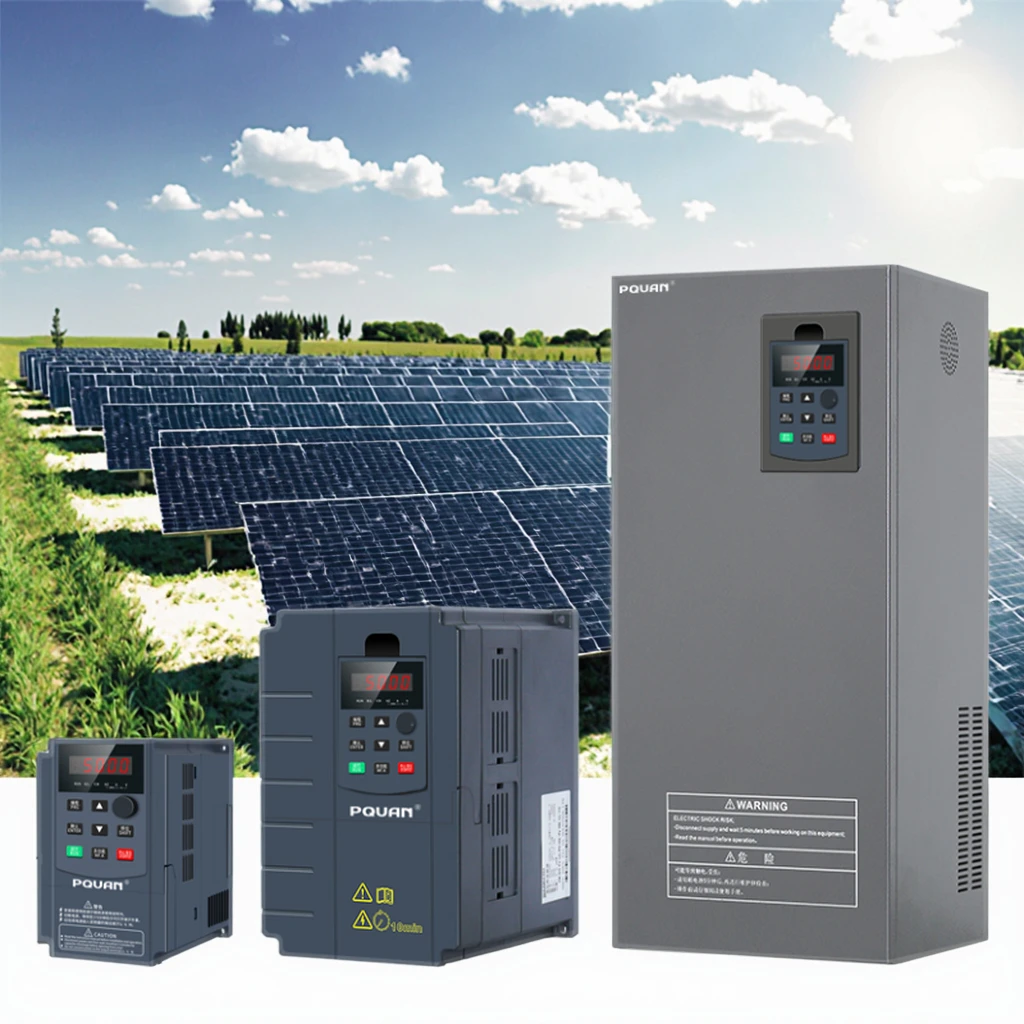
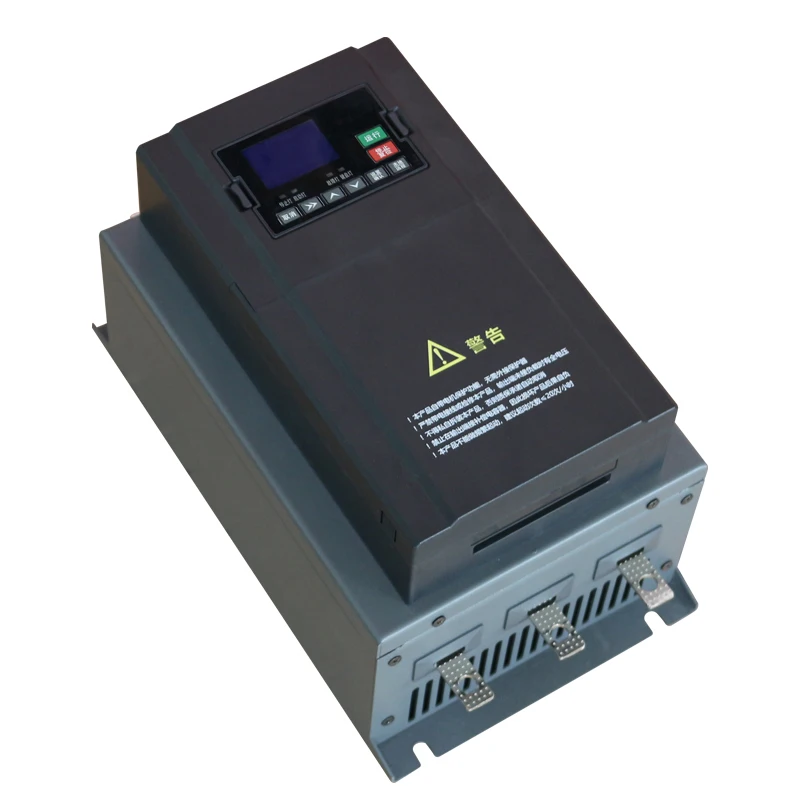
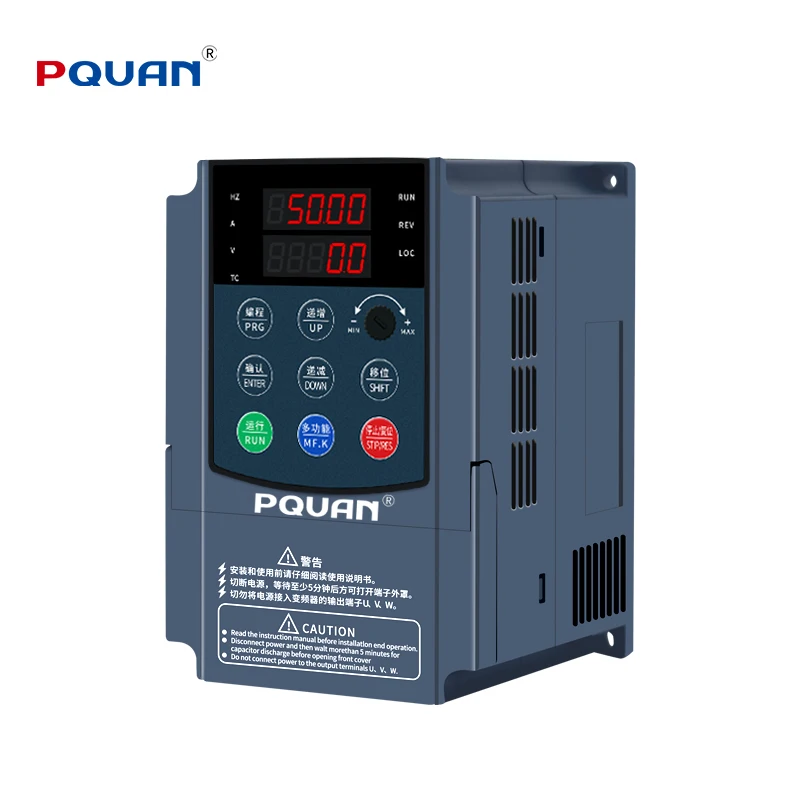
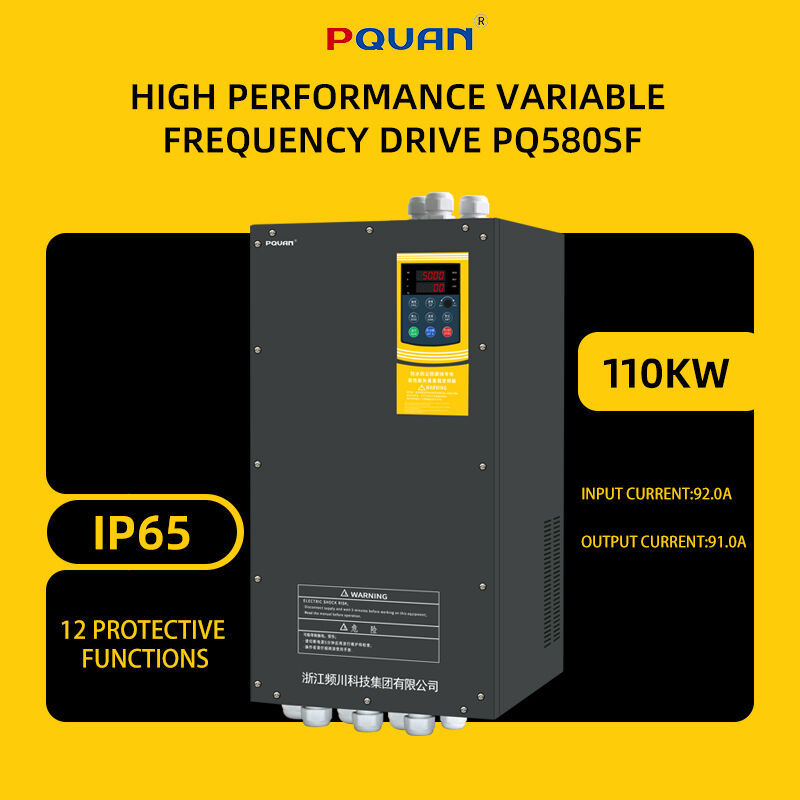
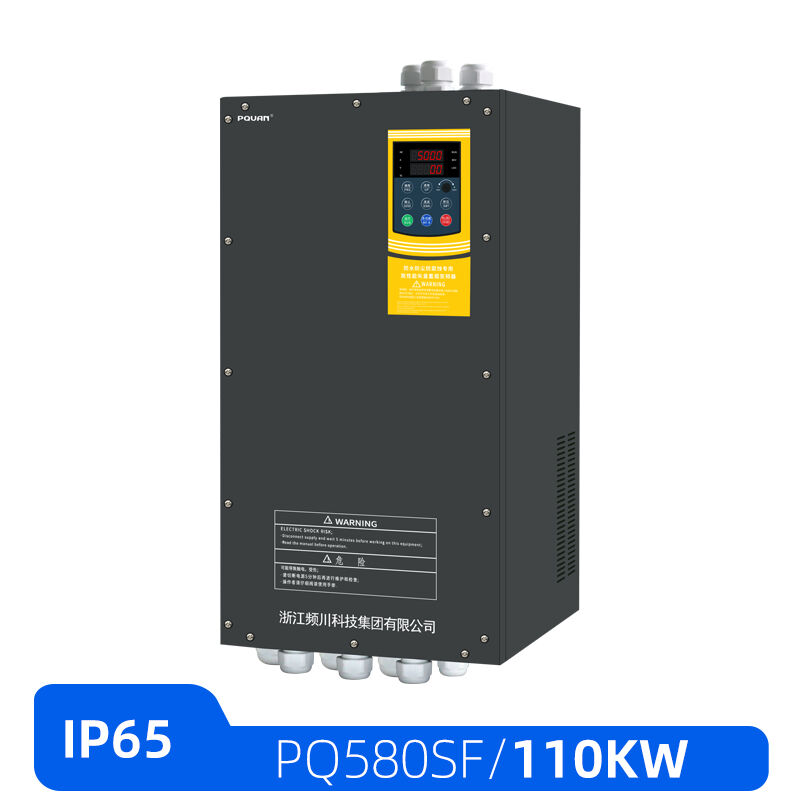
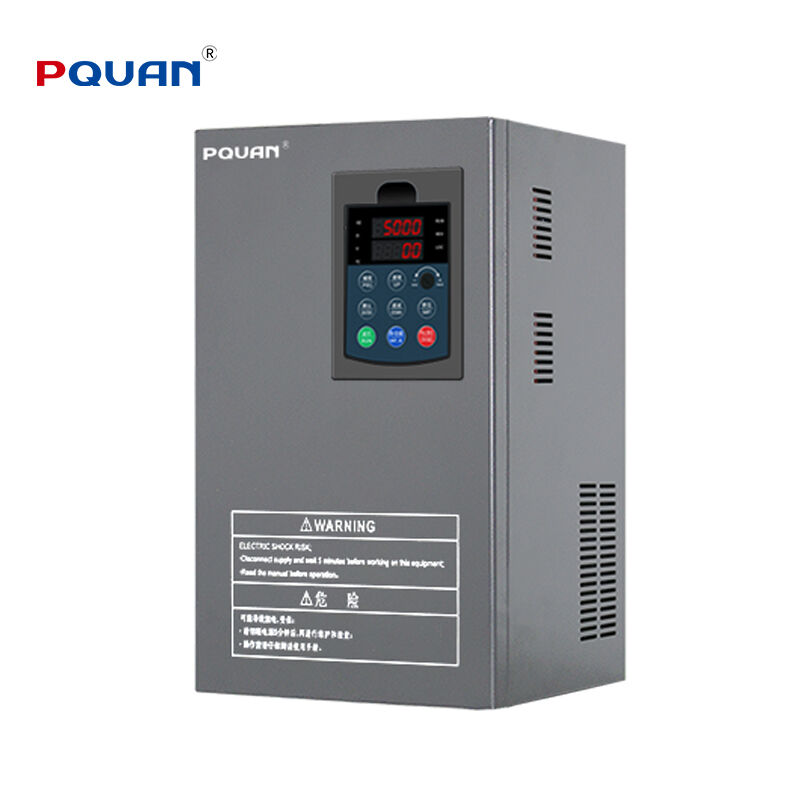
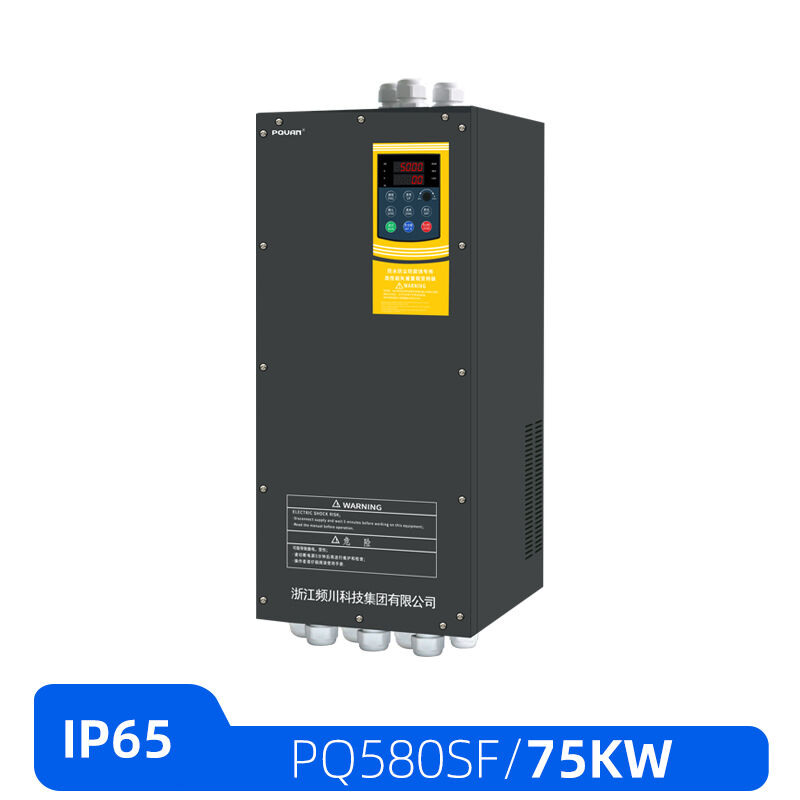
A three phase ac drive represents a sophisticated power conversion system designed to control the speed, torque, and operational characteristics of three phase alternating current motors. This essential industrial equipment converts incoming electrical power into variable frequency and voltage output, enabling precise motor control across diverse applications. The three phase ac drive operates by first rectifying the incoming AC power into DC power through a rectifier stage, then inverting it back to AC power with adjustable frequency and voltage through an inverter section. This conversion process allows operators to regulate motor performance with exceptional accuracy. Modern three phase ac drive systems incorporate advanced microprocessor technology and intelligent algorithms that monitor operational parameters in real-time, ensuring optimal performance while protecting connected equipment from electrical faults and overload conditions. The technological architecture includes power electronics components such as insulated gate bipolar transistors, capacitor banks for DC bus stabilization, and sophisticated control circuits that execute complex mathematical models for precise motor management. These drives find widespread implementation across manufacturing facilities, HVAC systems, water treatment plants, material handling operations, and automated production lines. The three phase ac drive delivers substantial energy savings by matching motor speed precisely to load requirements, eliminating the inefficiency associated with mechanical throttling methods or constant-speed operation. Installation flexibility represents another significant characteristic, as these drives accommodate various motor types including induction motors, permanent magnet synchronous motors, and specialized industrial motors. Advanced communication capabilities enable integration with supervisory control systems, programmable logic controllers, and industrial networks, facilitating comprehensive automation strategies. The three phase ac drive supports multiple control modes including scalar control for simple applications and vector control for demanding positioning tasks requiring high dynamic response. Protection features encompass overcurrent detection, overvoltage safeguards, thermal monitoring, ground fault protection, and phase loss detection, ensuring reliable operation under challenging industrial conditions while extending equipment lifespan through intelligent operational management.

Popular Products

Implementing a three phase ac drive delivers remarkable energy efficiency improvements that directly reduce operational expenses and environmental impact. By precisely matching motor speed to actual process requirements, these drives eliminate wasted energy consumption associated with running motors at full speed continuously. Many industrial facilities report energy savings ranging from twenty to fifty percent after installing three phase ac drive systems, translating to significant cost reductions over the equipment lifecycle. The soft start capability prevents mechanical stress on connected equipment by gradually accelerating motors rather than subjecting them to sudden full-voltage starts that cause wear and premature failure. This gentle acceleration extends bearing life, reduces maintenance requirements, and minimizes downtime associated with equipment repairs. Process control precision represents another compelling advantage, as operators gain the ability to adjust motor speed infinitely within the operating range rather than being limited to fixed speed options. This granular control enables optimization of production processes, improvement of product quality, and adaptation to varying operational demands without complex mechanical modifications. The three phase ac drive eliminates the need for mechanical speed control devices such as gearboxes, belt drives, or throttling valves, simplifying system architecture while reducing installation costs and maintenance complexity. Noise reduction emerges as an important benefit in workplace environments, since motors operating at reduced speeds generate substantially less acoustic output compared to constant full-speed operation. This creates more comfortable working conditions and helps facilities comply with occupational safety regulations regarding noise exposure. Power factor correction functionality built into modern three phase ac drive systems improves electrical efficiency and may reduce utility demand charges that penalize facilities for poor power quality. The reversing capability allows bidirectional motor operation without additional contactors or switching equipment, simplifying control panel design and reducing electrical component costs. Torque control features enable precise management of mechanical force delivery, critical for applications involving tension control, positioning accuracy, or synchronized multi-motor operations. Diagnostic capabilities provide valuable operational insights through parameter monitoring, fault logging, and performance trending that support predictive maintenance strategies. The three phase ac drive protects connected motors from voltage fluctuations, phase imbalances, and electrical anomalies that would otherwise cause premature failure or reduced performance. Starting current limitation prevents electrical system disruption and allows the installation of larger motors without requiring expensive electrical infrastructure upgrades. Remote monitoring and control capabilities enable centralized management of distributed motor systems, reducing the need for local operator presence and facilitating rapid response to operational issues. The scalability of three phase ac drive technology accommodates applications ranging from fractional horsepower to multi-megawatt motors, providing consistent benefits across the power spectrum while utilizing familiar programming and interface conventions that minimize training requirements.

Practical Tips

Voltage Regulator Types: Which One Is Right for Your Application?

17

Mar

Voltage Regulator Types: Which One Is Right for Your Application?

In the industrial sector, maintaining a steady, reliable power supply is essential to safeguarding sophisticated automated machinery, high-precision laboratory instruments, and data infrastructures. A voltage regulator serves as a vital safeguard aga...
View More
How Does a Voltage Stabilizer Work? A Complete Guide for Beginners

21

Apr

How Does a Voltage Stabilizer Work? A Complete Guide for Beginners

The electrical power delivered to our homes and industrial facilities is rarely as stable as it should be. Power grids constantly experience fluctuations, resulting in voltage sags, sudden surges, and brownouts that can permanently damage sensitive e...
View More
Long-Lasting Voltage Stabilizer: Maintenance Tips to Extend Service Life

28

Apr

Long-Lasting Voltage Stabilizer: Maintenance Tips to Extend Service Life

Unstable electrical grids present a constant hazard to expensive machinery and sophisticated production lines. A high-performance voltage stabilizer serves as your primary line of defense, correcting under-voltage, over-voltage, and transient surges ...
View More
Top Features to Look for in a High-Quality VFD Drive

06

May

Top Features to Look for in a High-Quality VFD Drive

Selecting the right industrial automation components is crucial for maintaining operational efficiency, minimizing energy expenditure, and extending the lifespan of your mechanical systems. A Variable Frequency Drive (VFD) serves as the core controll...
View More

Get a Free Quote

Our representative will contact you soon.
Email
Mobile/WhatsApp
Name
Message
0/1000

three phase ac drive

Exceptional Energy Management and Operational Cost Reduction

Exceptional Energy Management and Operational Cost Reduction

The energy management capabilities of a three phase ac drive fundamentally transform how industrial facilities approach motor control and operational efficiency. Traditional motor control methods operate equipment at constant full speed regardless of actual process requirements, consuming maximum power continuously even when reduced output would suffice. This approach wastes tremendous amounts of electrical energy, particularly in applications with variable load profiles such as fans, pumps, and compressors that rarely require full capacity operation. The three phase ac drive addresses this inefficiency by dynamically adjusting motor speed to match real-time demand, ensuring that energy consumption aligns precisely with productive work output. The relationship between motor speed and power consumption follows a cubic law for centrifugal loads, meaning that reducing speed by twenty percent decreases power consumption by approximately fifty percent. This dramatic reduction creates immediate financial benefits through lower electricity costs while simultaneously reducing carbon emissions and supporting corporate sustainability objectives. The three phase ac drive achieves these savings without compromising process performance or requiring operators to manually intervene, as intelligent control algorithms continuously optimize operating parameters based on feedback signals from pressure sensors, flow meters, temperature probes, or other process instrumentation. Energy monitoring features built into modern three phase ac drive systems provide detailed consumption analytics that help facility managers identify optimization opportunities and quantify the return on investment from drive installations. The soft start functionality contributes additional savings by eliminating the high inrush current associated with across-the-line motor starting, which can reach six to eight times normal operating current and stress electrical distribution infrastructure. By gradually ramping up motor speed over a programmable time period, the three phase ac drive reduces peak demand charges that utilities impose based on the highest instantaneous power draw during billing periods. This demand management capability can generate substantial savings for facilities with multiple large motors or frequent starting cycles. The elimination of mechanical speed control devices represents another cost advantage, as variable pitch drives, gear reducers, and throttling valves require regular maintenance, consume energy through mechanical losses, and eventually need replacement. The three phase ac drive delivers speed variation electronically with minimal maintenance requirements and no mechanical wear, reducing lifecycle costs while improving system reliability and availability for production operations.
Superior Motor Protection and Extended Equipment Lifespan

Superior Motor Protection and Extended Equipment Lifespan

Equipment longevity and reliability represent critical concerns for industrial operations where unexpected failures cause production disruptions, emergency repair expenses, and missed delivery commitments. The three phase ac drive incorporates comprehensive protection mechanisms that safeguard connected motors and mechanical equipment from numerous failure modes that commonly plague industrial systems. Traditional motor starters provide only basic overload protection, leaving equipment vulnerable to voltage imbalances, single phasing conditions, ground faults, and other electrical anomalies that progressively damage insulation systems and shorten motor life. The three phase ac drive continuously monitors multiple electrical parameters including voltage, current, frequency, and power factor across all three phases, detecting abnormal conditions within milliseconds and taking protective action before damage occurs. Overcurrent protection prevents thermal damage from excessive load conditions by reducing output or initiating controlled shutdown procedures that avoid sudden mechanical stress. Overvoltage and undervoltage detection safeguards sensitive electronic components and motor windings from electrical transients and power quality issues that commonly exist in industrial electrical systems. The controlled acceleration profile generated by a three phase ac drive eliminates mechanical shock loads that occur during conventional across-the-line starting, where instantaneous torque application stresses couplings, gearboxes, belts, and driven equipment. This gentle starting extends the operational life of mechanical components substantially, often doubling or tripling the service intervals for bearings, seals, and transmission elements. Thermal modeling algorithms within the three phase ac drive track motor temperature based on operating current and duty cycle, preventing overheating conditions that degrade insulation materials and lead to premature winding failures. Phase loss detection immediately identifies supply voltage problems and prevents single-phase operation that would quickly destroy three phase motors through excessive current draw in the remaining phases. Ground fault monitoring protects personnel safety while detecting insulation deterioration before it progresses to catastrophic failure. The three phase ac drive maintains comprehensive fault logs that record the nature, timing, and operating conditions associated with protective trips, providing valuable diagnostic information that helps maintenance personnel identify root causes and implement corrective actions. Programmable acceleration and deceleration rates allow operators to optimize mechanical stress based on specific application requirements, balancing production speed requirements against equipment longevity considerations. Stall prevention features detect excessive load conditions and automatically adjust operating parameters to maintain motor rotation, preventing locked rotor conditions that generate extreme heat and cause rapid damage. The three phase ac drive enables predictive maintenance strategies through trend analysis of operating parameters such as current consumption, which increases gradually as mechanical wear progresses, providing early warning of developing problems before catastrophic failure occurs.
Advanced Control Precision and Process Optimization Capabilities

Advanced Control Precision and Process Optimization Capabilities

Manufacturing competitiveness and product quality increasingly depend on precise process control that maintains consistent operating parameters despite varying conditions and disturbances. The three phase ac drive delivers exceptional control accuracy through sophisticated algorithms that regulate motor speed, torque, and position with precision unattainable through conventional motor control approaches. Scalar control methods provide straightforward voltage-to-frequency ratio management suitable for applications requiring basic speed regulation without demanding dynamic response characteristics. Vector control technology represents a significant advancement, implementing complex mathematical transformations that enable independent control of motor flux and torque components, delivering rapid response to speed commands and excellent speed regulation under changing load conditions. This advanced control methodology supports demanding applications such as precision positioning, tension control in web processing, synchronized multi-motor coordination, and high-performance machine tool operations. The three phase ac drive accepts multiple feedback signals including encoder inputs for closed-loop speed control, analog process signals for automatic setpoint adjustment, and digital commands from supervisory control systems for integration with comprehensive automation architectures. Programmable logic functionality built into many three phase ac drive models eliminates the need for separate control devices, consolidating system intelligence while reducing panel space requirements and simplifying troubleshooting procedures. Multi-speed operation allows programming of preset operating points accessible through digital inputs, enabling rapid switching between production modes without analog signal processing or complex external controls. PID control loops integrated within the three phase ac drive support direct process regulation such as pressure control, flow control, or temperature control by automatically adjusting motor speed to maintain process variables at desired setpoints despite load variations or system disturbances. Communication capabilities including Modbus, Profibus, EtherNet IP, and other industrial protocols enable comprehensive integration with plant-wide control systems, supporting centralized monitoring, remote parameter adjustment, and coordinated operation of multiple drives within complex production processes. Custom programming environments available for advanced three phase ac drive models allow implementation of specialized control strategies, mathematical functions, and application-specific algorithms that address unique process requirements without external programming devices. The precision speed regulation delivered by three phase ac drive systems typically maintains actual motor speed within one percent of commanded setpoint across the operating range, ensuring consistent process outcomes and uniform product quality. Torque limiting features protect mechanical equipment from overload while enabling controlled force application in tensioning, winding, and material handling applications where excessive torque would damage products or equipment. Flying start capability allows the three phase ac drive to seamlessly assume control of already-rotating motors, supporting transfer between power sources or recovery from momentary power interruptions without process disruption. The flexibility and sophistication of modern three phase ac drive control capabilities enable optimization of virtually any motor-driven process, delivering improvements in productivity, quality, efficiency, and operational flexibility that provide compelling competitive advantages.

Three Phase AC Drive Solutions - Advanced Motor Control for Industrial Efficiency

Get a Free Quote

Our representative will contact you soon.
Email
Mobile/WhatsApp
Name
Message
0/1000