Comprehensive Motor Protection and Extended Equipment Lifespan
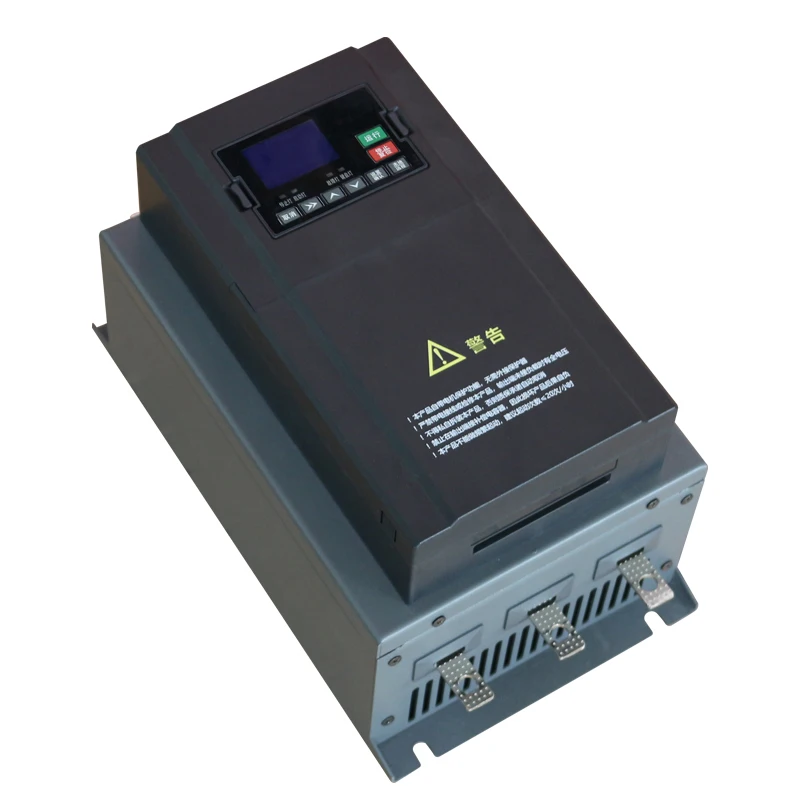
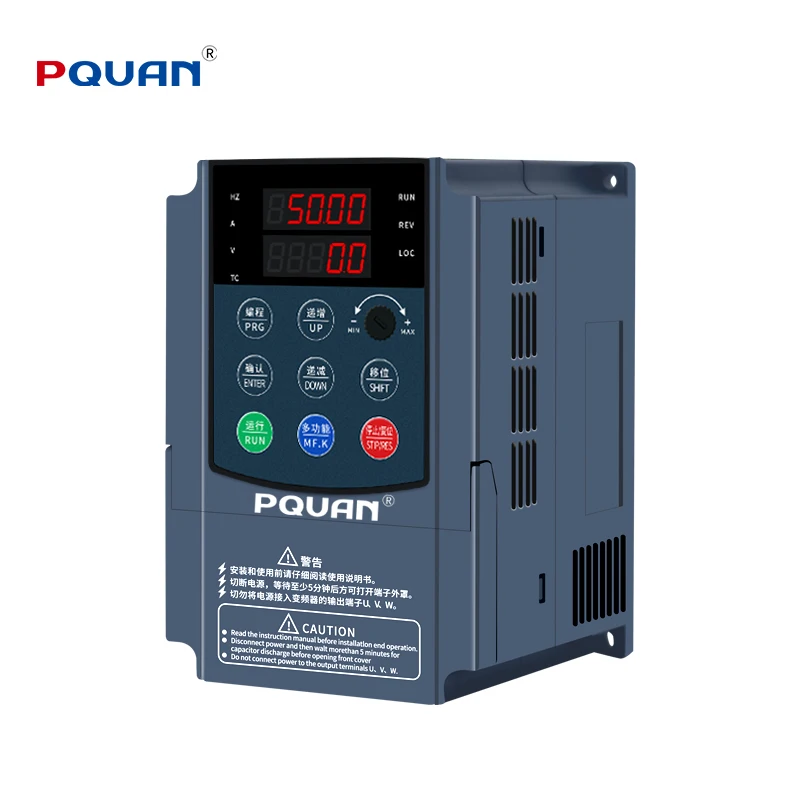
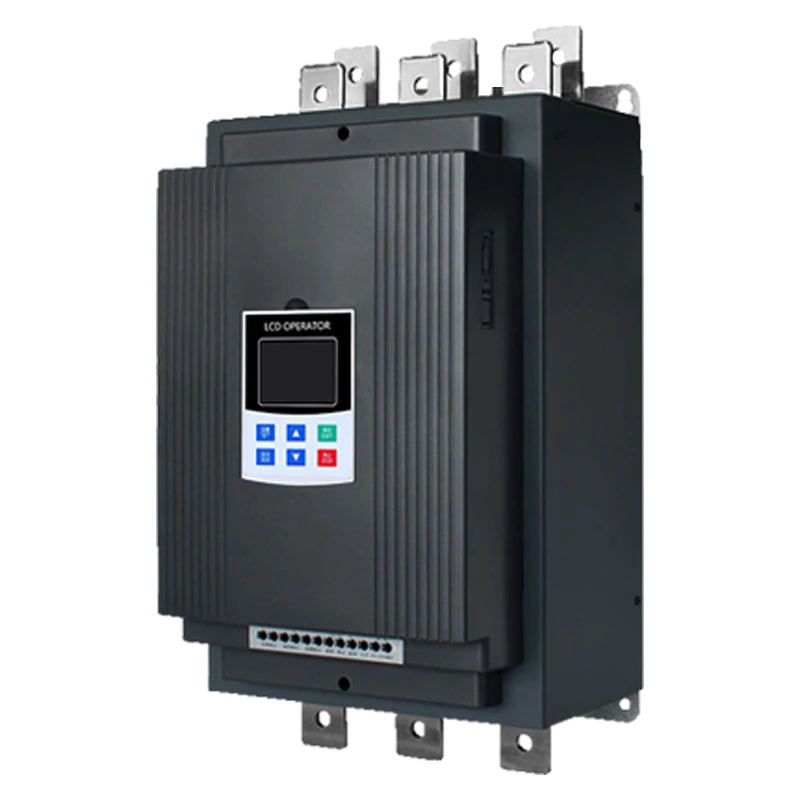
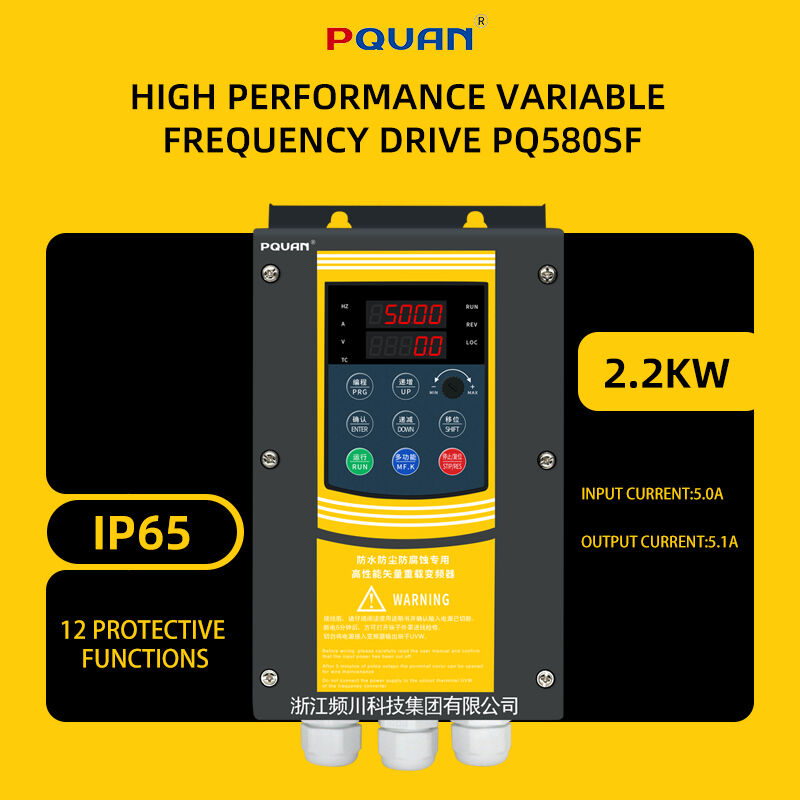
Protecting valuable motor assets and driven machinery represents a critical function where ac drive and dc drive technologies deliver exceptional value beyond their primary speed control capabilities. Motors constitute significant capital investments, and premature failures result in costly replacement expenses, production downtime, and emergency repair situations that disrupt operations and strain maintenance resources. The ac drive provides multi-layered protection monitoring that continuously tracks motor current, voltage, temperature, and operating conditions, instantly responding to abnormal situations before damage occurs. Overload protection prevents excessive current draw that overheats motor windings, automatically reducing speed or shutting down operations when thermal limits approach. Phase loss detection identifies supply problems that would otherwise cause single-phasing conditions leading to catastrophic motor failure within minutes. The dc drive offers equally comprehensive protection for armature and field circuits, monitoring for ground faults, overvoltage conditions, and excessive armature current that could damage commutators or brushes. Undervoltage protection prevents motor operation during supply voltage sags that produce insufficient torque and excessive current draw. Both ac drive and dc drive systems incorporate short circuit protection that responds within microseconds, protecting power semiconductors and motor windings from destructive fault currents. Soft-start functionality eliminates the mechanical shock associated with across-the-line motor starting, where instantaneous full-voltage application generates torque spikes six to eight times normal running torque. These violent mechanical transients stress couplings, gearboxes, belts, and driven equipment, causing premature wear and unexpected failures. The ac drive enables controlled acceleration with adjustable ramp times, smoothly bringing motors and loads up to speed while limiting starting current to manageable levels. The dc drive provides similar soft-start benefits with even finer control granularity, proving particularly valuable for delicate processes or mechanically sensitive equipment. Controlled deceleration proves equally important, as the ac drive and dc drive prevent sudden stops that damage products, packaging, or machinery through inertial forces. Stall prevention algorithms detect loss of motor speed despite continued drive output, indicating mechanical problems like seized bearings or jammed conveyors, automatically shutting down before serious damage occurs. Thermal modeling within modern drives tracks motor temperature rise based on current, speed, and duty cycle, providing early warning when motors approach thermal limits despite not yet exceeding instantaneous current thresholds. This intelligent protection proves particularly valuable for motors in challenging environmental conditions or experiencing unusual loading patterns. Maintenance scheduling benefits from diagnostic data logging that records fault events, operating hours, and performance trends, enabling condition-based maintenance strategies that replace time-based preventive maintenance routines. The ac drive and dc drive communicate detailed status information to supervisory systems, supporting predictive maintenance programs that identify developing problems before they cause failures. Equipment lifespan extensions of thirty to fifty percent commonly result from implementing proper drive controls, as reduced mechanical stress, optimized operating conditions, and comprehensive protection minimize wear and damage accumulation over time.
 EN
EN