Seamless Integration and Future-Ready Flexibility
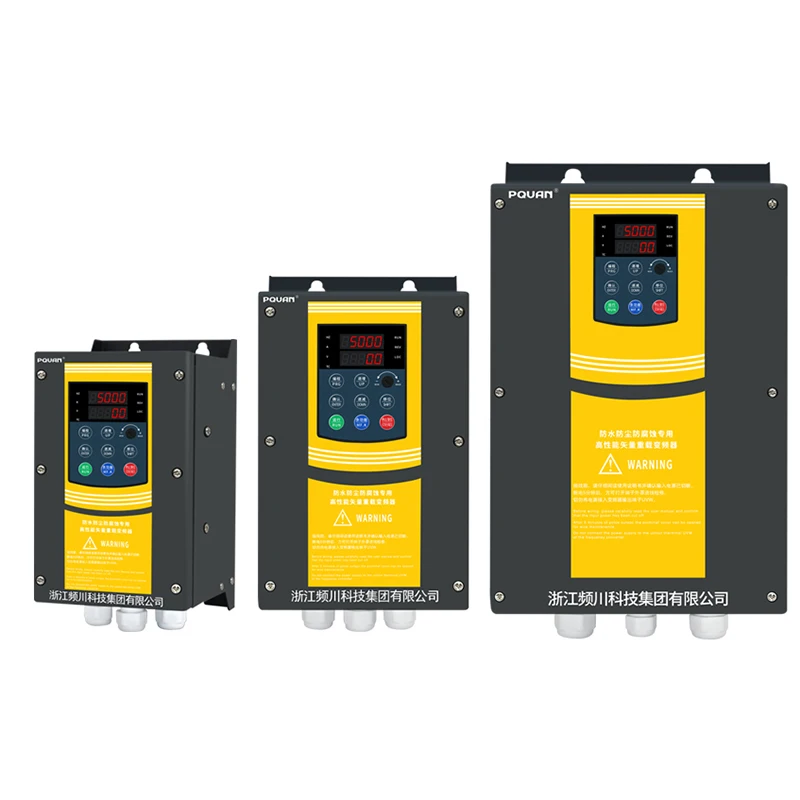
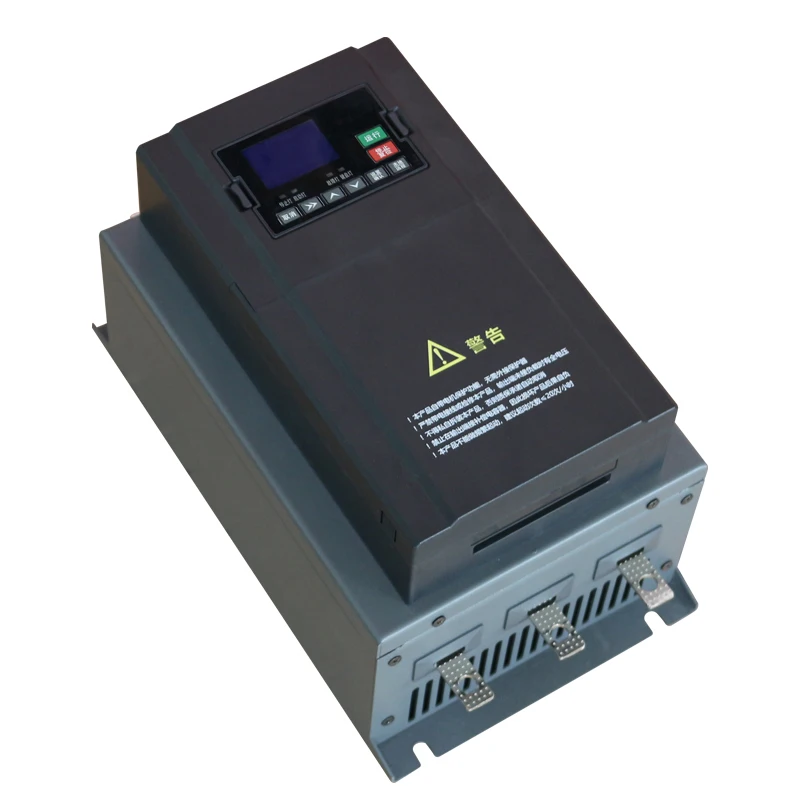
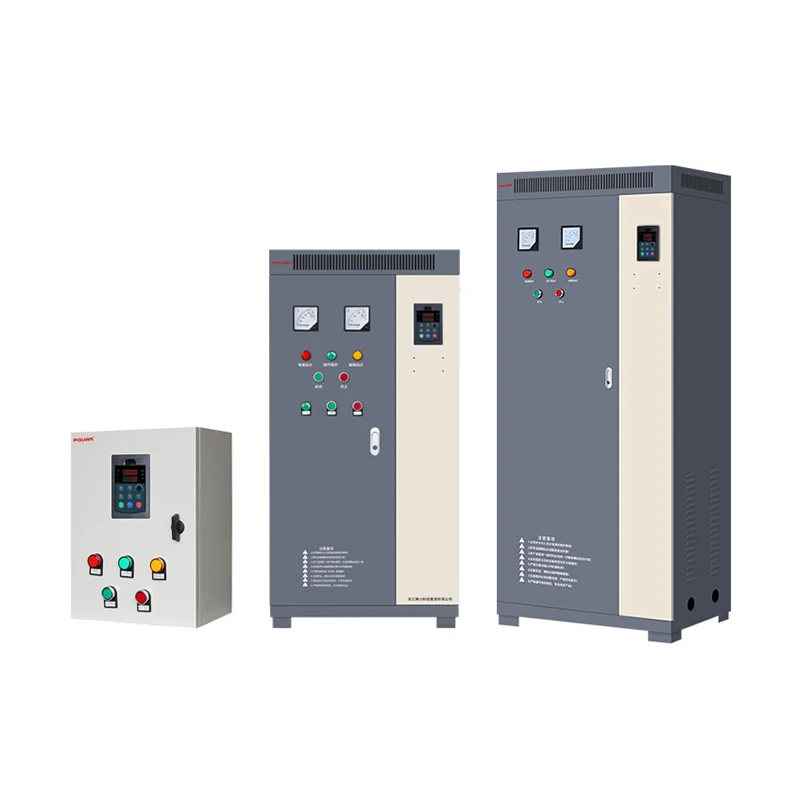
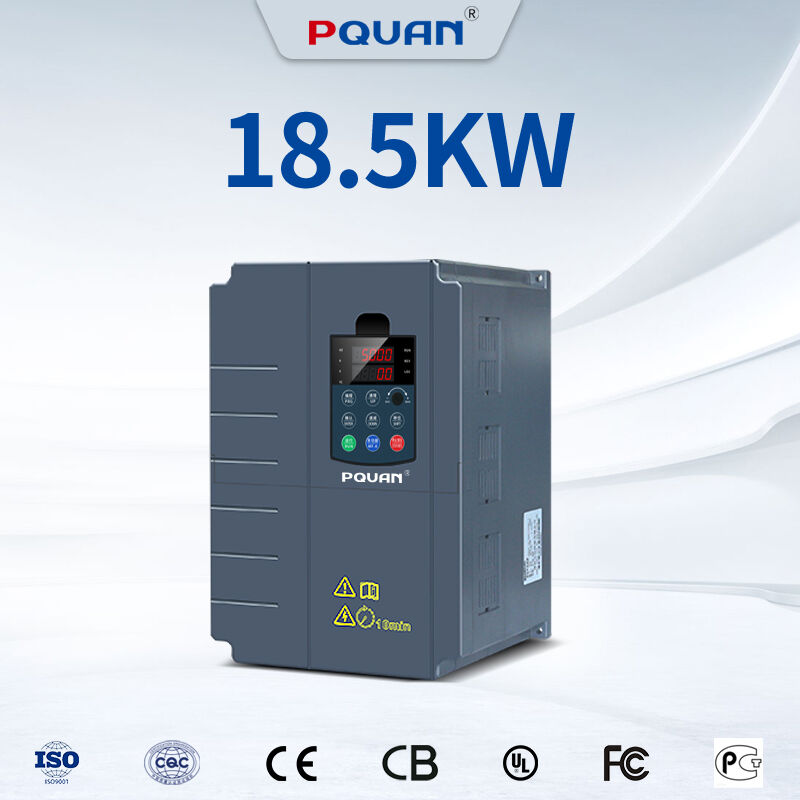
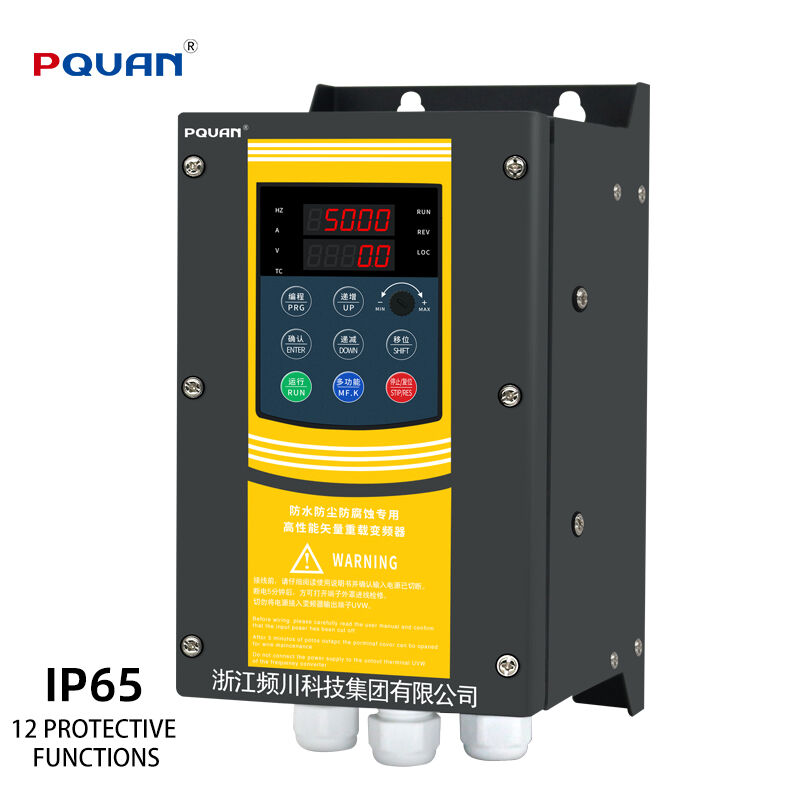
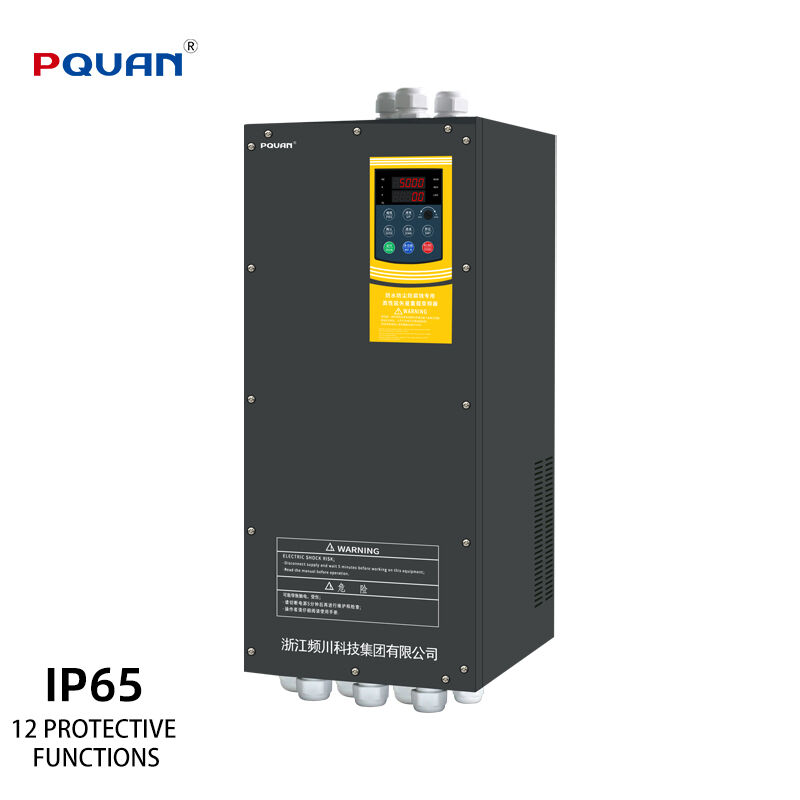
Modern building management demands that all systems work together harmoniously, and the frequency inverter for escalator excels at integration with diverse control platforms and communication protocols. Standard industrial communication interfaces including Modbus, BACnet, and Ethernet allow the frequency inverter to exchange data with building automation systems, providing centralized visibility and control across entire facilities or multiple buildings in a campus environment. Integration capabilities enable sophisticated operational strategies such as coordinating escalator speed with HVAC systems to optimize overall building energy consumption, or synchronizing multiple escalators in a bank to maintain consistent speed and spacing for optimal passenger flow. The frequency inverter for escalator supports both analog and digital input/output connections that interface with infrared sensors, motion detectors, and emergency stop buttons, creating a comprehensive safety and control network. Programmable logic capabilities built into advanced frequency inverter models allow customization of operational parameters and automated responses without requiring external controllers, simplifying installation and reducing component count. The frequency inverter for escalator accommodates various motor types including induction motors, permanent magnet synchronous motors, and gearless designs, providing flexibility to select the most appropriate drive technology for specific applications and retrofit scenarios. Modular hardware design allows capacity expansion or feature upgrades without replacing the entire frequency inverter, protecting your investment as requirements evolve and new capabilities become available. Parameter backup and restore functions simplify commissioning of multiple identical installations and enable rapid recovery if component replacement becomes necessary, minimizing the specialized technical knowledge required for maintenance activities. The frequency inverter for escalator supports both metric and imperial measurement systems, multiple languages for operator interfaces, and regional electrical standards, facilitating deployment in international facilities and multinational organizations. Firmware updates delivered through USB connections or network interfaces ensure that the frequency inverter remains current with the latest features and security patches throughout its operational lifetime. Open architecture design allows third-party integration and custom application development, ensuring that the frequency inverter for escalator adapts to unique requirements and specialized applications that proprietary closed systems cannot accommodate effectively.
 EN
EN