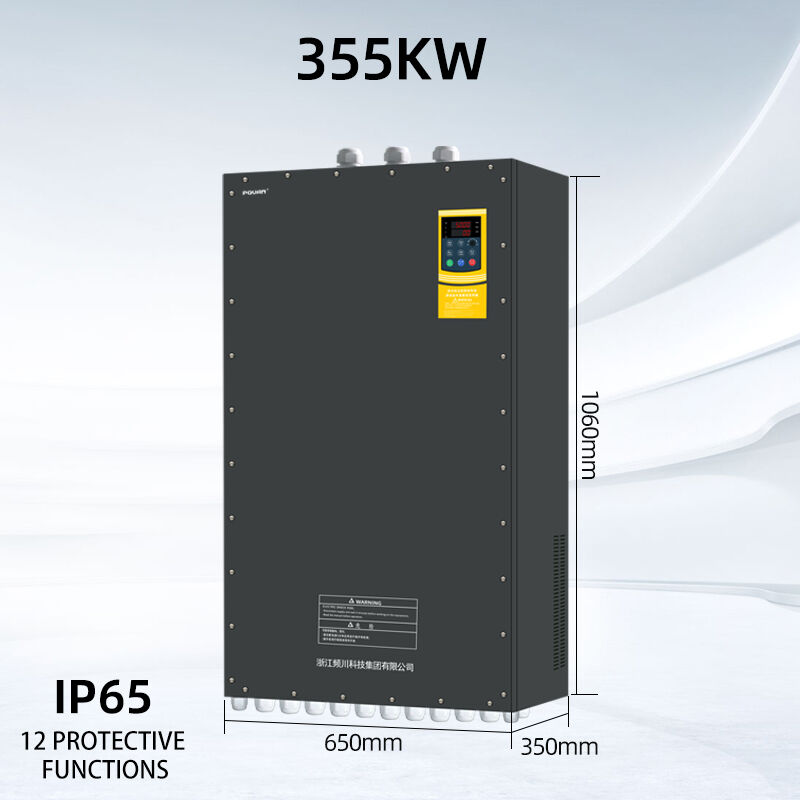
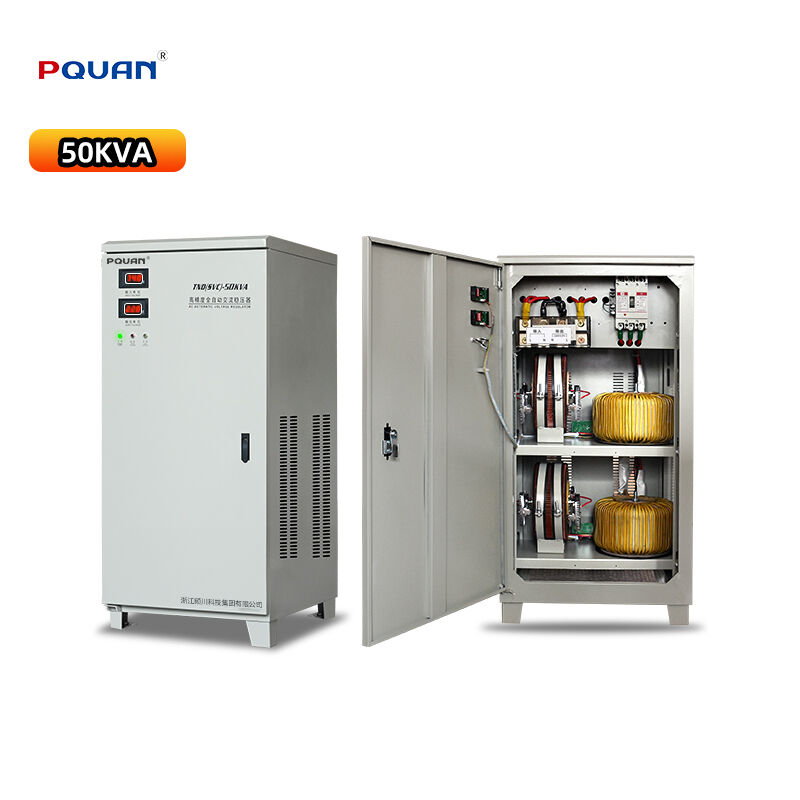
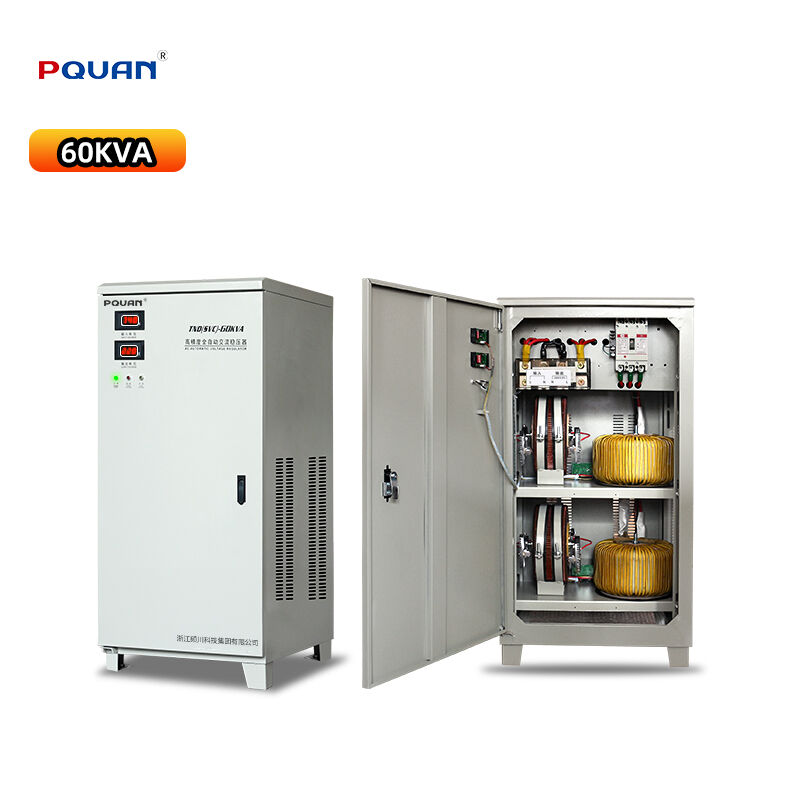
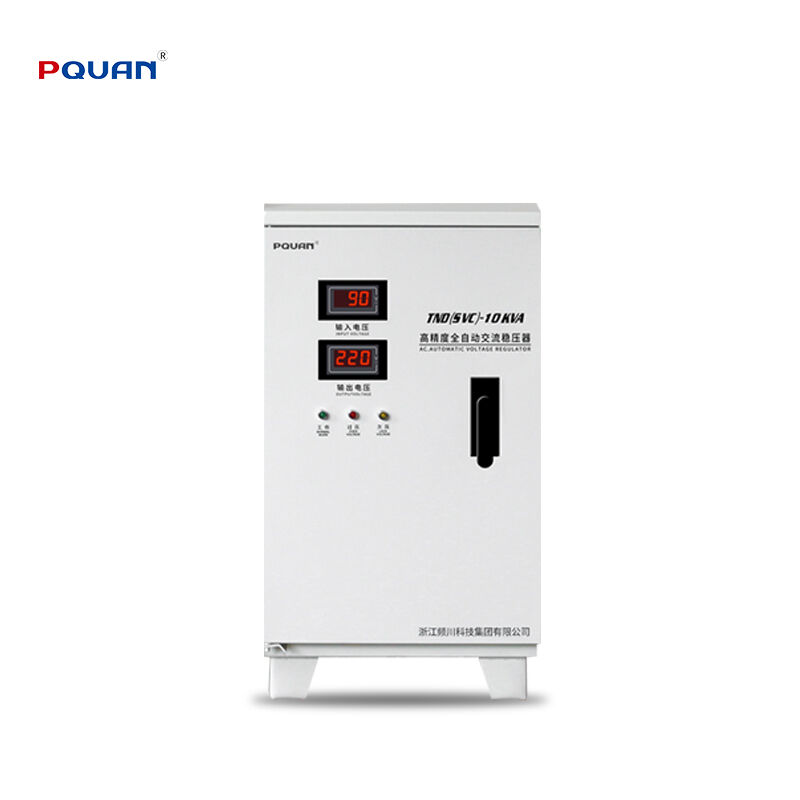
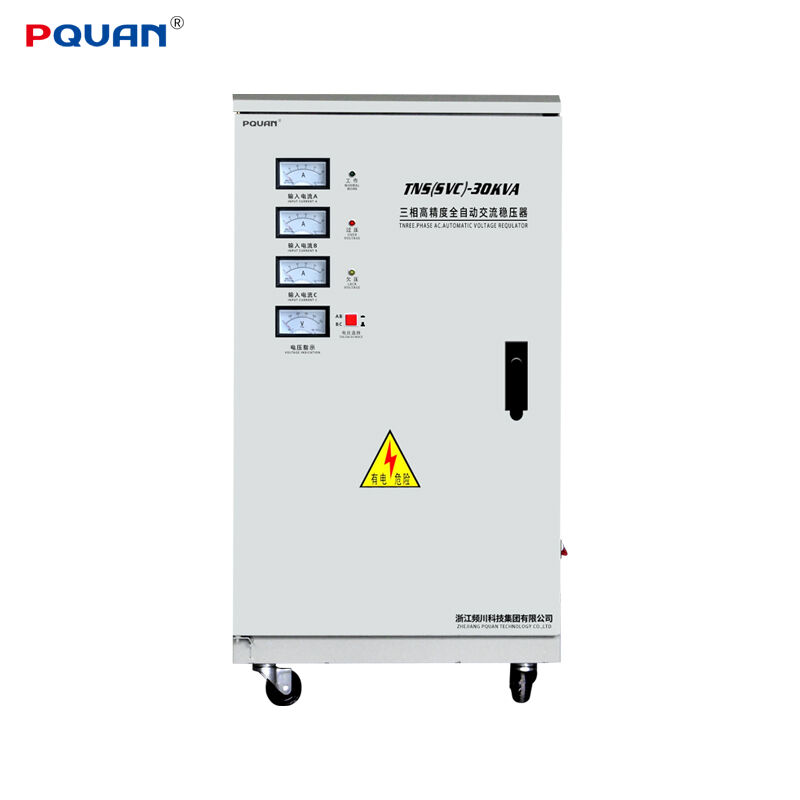
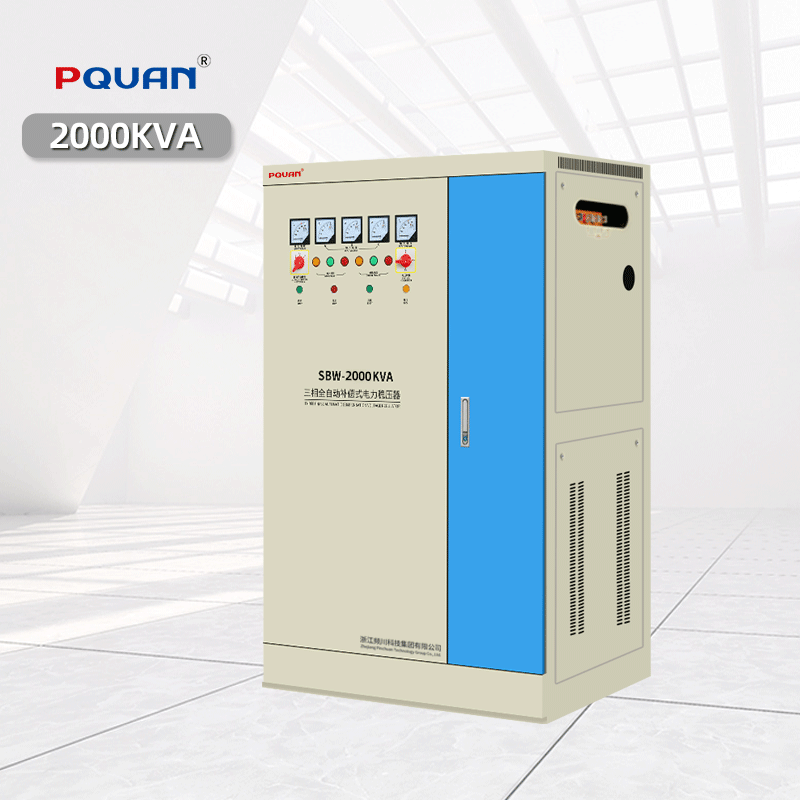
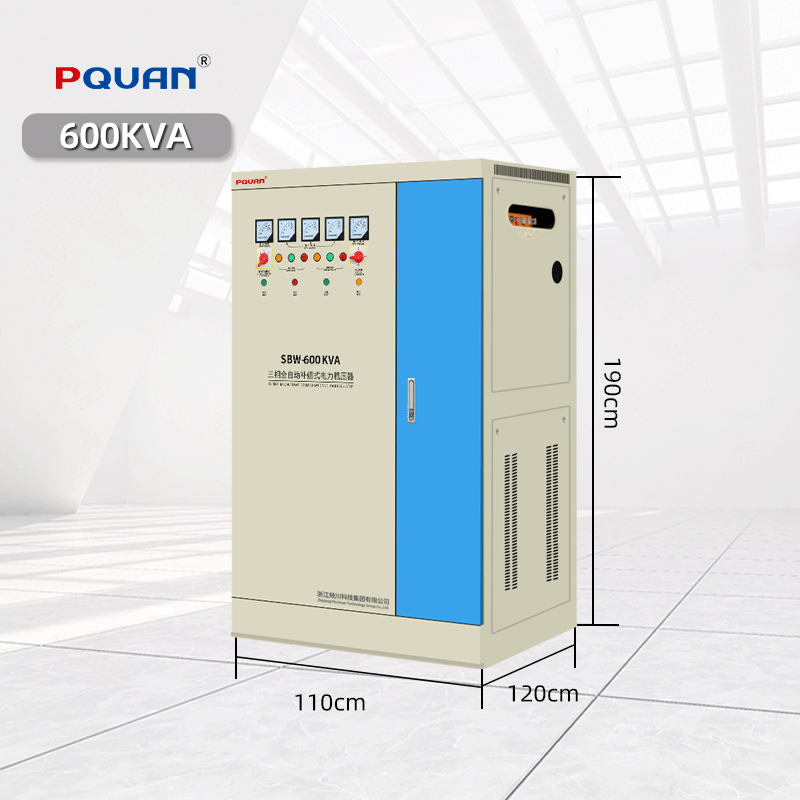
Industrial Automatic Voltage Stabilizer - Premium Power Protection Solutions for Manufacturing

All Categories
Get a Quote
%}

Get a Free Quote

Our representative will contact you soon.
Email
Mobile/WhatsApp
Name
Message
0/1000

automatic voltage stabilizer industrial

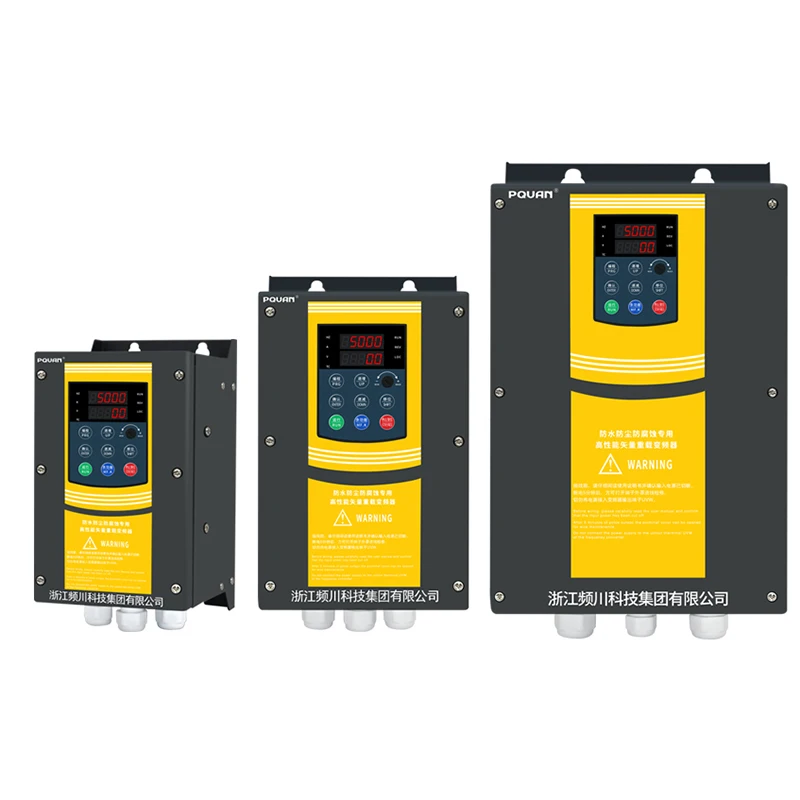
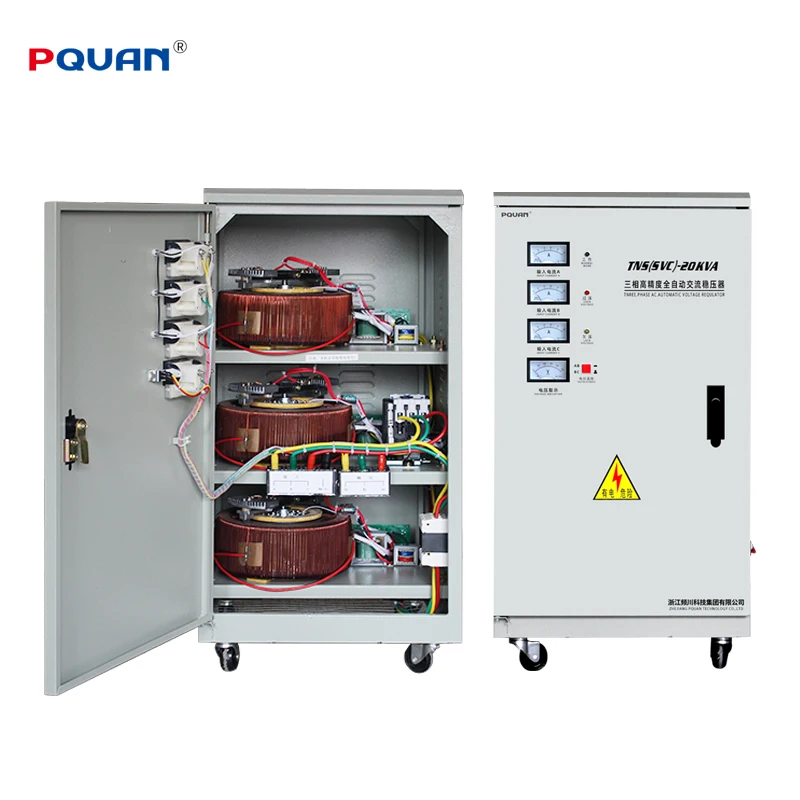
An automatic voltage stabilizer industrial represents a critical power protection solution designed to maintain consistent electrical output despite fluctuations in incoming voltage. This sophisticated electrical device serves as a protective barrier between the main power supply and sensitive industrial equipment, ensuring that machinery receives a steady, regulated voltage at all times. Industrial environments face numerous power quality challenges including voltage sags, surges, brownouts, and electrical noise that can damage expensive equipment and disrupt production processes. The automatic voltage stabilizer industrial addresses these concerns through advanced electronic circuitry and precision control mechanisms that continuously monitor incoming voltage and make instantaneous adjustments to deliver stable power output. The main functions of this equipment include voltage regulation, power conditioning, surge protection, and load balancing across multiple phases. Technologically, these stabilizers employ either servo motor-driven systems, static electronic components, or hybrid configurations that combine both approaches for optimal performance. Modern automatic voltage stabilizer industrial units feature microprocessor-based control systems that provide real-time monitoring, automatic correction, and diagnostic capabilities. They typically operate across wide input voltage ranges, handling variations from negative forty percent to positive fifteen percent of nominal voltage while maintaining output within plus or minus one percent accuracy. Applications span diverse industrial sectors including manufacturing plants, textile mills, pharmaceutical production facilities, chemical processing units, printing presses, metal fabrication workshops, food processing plants, and research laboratories. These stabilizers protect critical equipment such as CNC machines, injection molding systems, industrial robots, conveyor systems, packaging machinery, and computerized control systems. The automatic voltage stabilizer industrial proves indispensable for businesses requiring uninterrupted operations and protection of capital-intensive equipment investments, ultimately contributing to enhanced productivity, reduced downtime, and extended equipment lifespan.

New Product Releases

Investing in an automatic voltage stabilizer industrial delivers substantial practical benefits that directly impact your bottom line and operational efficiency. First and foremost, this equipment protects your expensive machinery from voltage-related damage, potentially saving hundreds of thousands in repair and replacement costs. When voltage fluctuates unpredictably, it creates stress on motors, transformers, and electronic components, leading to premature failures and unexpected breakdowns. By maintaining consistent voltage levels, the stabilizer extends equipment lifespan significantly, often adding years of productive service to your machinery investments. Production continuity represents another major advantage, as voltage instabilities frequently cause sudden shutdowns that halt manufacturing processes, resulting in missed deadlines, wasted materials, and lost revenue. The automatic voltage stabilizer industrial eliminates these disruptions by providing uninterrupted power conditioning, allowing your operations to run smoothly regardless of external power quality issues. Energy efficiency improves considerably when equipment operates at optimal voltage levels, as motors and other electrical devices consume less power and generate less heat when receiving stable voltage supply. This translates to reduced electricity bills and lower cooling requirements for your facility. Product quality consistency becomes easier to achieve because manufacturing processes dependent on precise electrical parameters can maintain their specifications without voltage-induced variations that compromise finished goods. The stabilizer operates automatically without requiring manual intervention, freeing your maintenance staff to focus on other critical tasks rather than constantly monitoring power quality or adjusting equipment settings. Installation flexibility allows these units to protect individual machines or entire production lines depending on your specific requirements and budget considerations. Modern automatic voltage stabilizer industrial systems provide diagnostic information and performance data that help identify power quality trends and potential issues before they escalate into serious problems. The peace of mind knowing your operations are protected against unpredictable power conditions enables better business planning and reduces stress associated with unexpected equipment failures. Return on investment typically occurs within months as the combination of prevented damage, reduced downtime, lower energy consumption, and improved productivity quickly offsets the initial equipment cost. For businesses operating in regions with unreliable electrical infrastructure, the automatic voltage stabilizer industrial becomes not just beneficial but essential for maintaining competitive operations and meeting customer commitments reliably.

Practical Tips

Variable Frequency Drive Installation: Key Steps and Best Practices

20

Mar

Variable Frequency Drive Installation: Key Steps and Best Practices

Installing a Variable Frequency Drive correctly is just as important as selecting the right one. A drive that is improperly wired, poorly mounted, or inadequately configured will underperform, trip on faults, and wear out far sooner than its rated se...
View More
Long-Lasting Voltage Stabilizer: Maintenance Tips to Extend Service Life

28

Apr

Long-Lasting Voltage Stabilizer: Maintenance Tips to Extend Service Life

Unstable electrical grids present a constant hazard to expensive machinery and sophisticated production lines. A high-performance voltage stabilizer serves as your primary line of defense, correcting under-voltage, over-voltage, and transient surges ...
View More
Voltage Stabilizer: Reliable Protection for Your Low-Voltage Electrical System

30

Apr

Voltage Stabilizer: Reliable Protection for Your Low-Voltage Electrical System

Maintaining stable power quality within low-voltage distribution networks is one of the most critical challenges faced by modern industrial facilities. Fluctuations in grid voltage, such as sudden voltage sags or high-energy surges, can severely comp...
View More
How to Install an Automatic Voltage Regulator: Step-by-Step Guide

14

May

How to Install an Automatic Voltage Regulator: Step-by-Step Guide

Fluctuations within low-voltage electrical distribution networks present a continuous hazard to high-value industrial machinery. Deploying an Automatic Voltage Regulator is the most effective strategy for neutralizing voltage sags, surges, and transi...
View More

Get a Free Quote

Our representative will contact you soon.
Email
Mobile/WhatsApp
Name
Message
0/1000

automatic voltage stabilizer industrial

Advanced Servo Motor Technology for Precision Voltage Control

Advanced Servo Motor Technology for Precision Voltage Control

The automatic voltage stabilizer industrial employing servo motor technology represents the pinnacle of mechanical voltage regulation, offering unmatched precision and reliability for demanding industrial applications. This sophisticated system utilizes a servo motor coupled to a variable autotransformer, creating a robust mechanism that physically adjusts the transformer position to compensate for voltage variations. The servo motor responds to electronic control signals derived from continuous voltage monitoring circuits, making microscopic adjustments dozens of times per second to maintain output voltage within extraordinarily tight tolerances. This mechanical approach provides several distinct advantages over purely electronic alternatives, particularly in handling high power loads common in industrial settings. The servo-based automatic voltage stabilizer industrial can manage substantial current flows ranging from tens to hundreds of amperes without generating excessive heat or requiring extensive cooling infrastructure. The physical nature of the voltage adjustment mechanism creates inherent immunity to electromagnetic interference and electrical noise that might affect purely electronic systems, ensuring consistent performance even in electrically hostile industrial environments filled with welding equipment, large motors, and switching devices. Maintenance requirements remain minimal due to the simple, proven mechanical design with few components subject to wear, typically limited to motor brushes and transformer contacts that can be easily inspected and replaced during scheduled maintenance intervals. The servo motor system provides visual and audible feedback of its operation, allowing maintenance personnel to assess stabilizer function at a glance and detect potential issues before they affect performance. Response time, while measured in milliseconds rather than microseconds, proves entirely adequate for industrial applications where load changes occur gradually compared to the stabilizer's correction speed. The automatic voltage stabilizer industrial with servo technology handles both inductive and capacitive loads effectively, accommodating the diverse equipment mix found in modern manufacturing facilities without requiring special configuration or derating. Overload capacity built into servo-based designs allows temporary current surges during motor starting or other transient conditions without triggering protection circuits or compromising voltage regulation. The technology scales efficiently from small units protecting individual machines to massive installations regulating power for entire factory complexes, maintaining the same operational principles and reliability across the entire range. Long-term stability characterizes servo motor stabilizers, as their performance remains consistent over decades of operation without the drift or degradation sometimes observed in electronic components subjected to continuous thermal cycling and electrical stress.
Comprehensive Protection Features Safeguarding Industrial Operations

Comprehensive Protection Features Safeguarding Industrial Operations

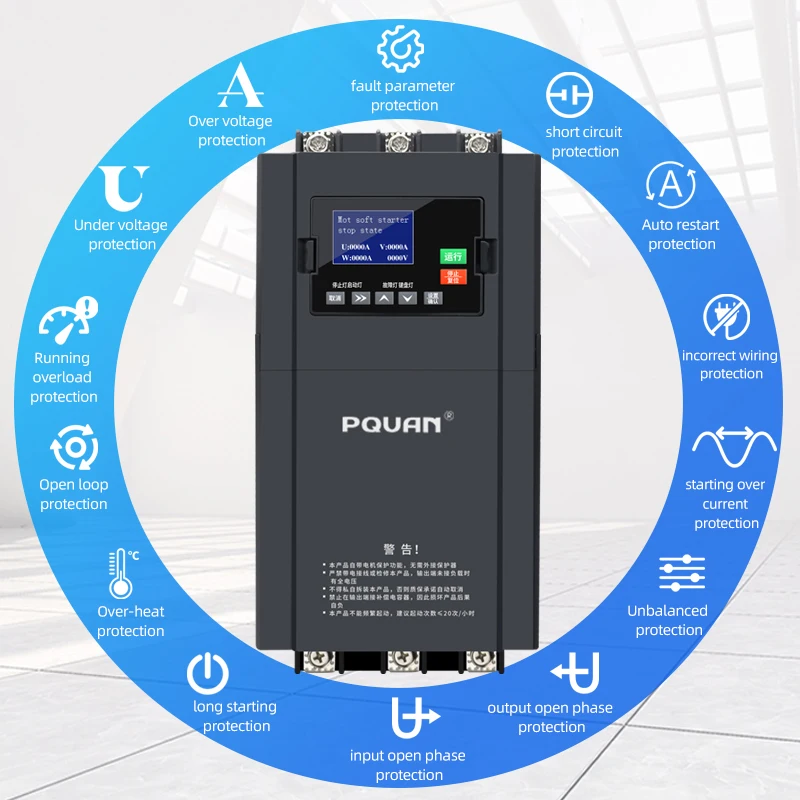
Modern automatic voltage stabilizer industrial equipment incorporates multiple layers of protective features that work synergistically to safeguard both the stabilizer itself and the connected equipment from various electrical hazards and operating conditions. Overvoltage protection activates instantly when input voltage exceeds safe thresholds, disconnecting the load before dangerous voltage levels reach sensitive equipment, preventing insulation breakdown, component failure, and potential fire hazards. Undervoltage protection similarly monitors for voltage levels that drop below equipment operating requirements, preventing motors from overheating due to excessive current draw at low voltage and protecting electronic controls from erratic behavior or data corruption. The automatic voltage stabilizer industrial features intelligent time-delay circuits that distinguish between momentary voltage dips and sustained low-voltage conditions, avoiding unnecessary disconnections for brief disturbances while protecting against prolonged brownout situations. Overcurrent protection monitors load current continuously, detecting abnormal conditions such as short circuits or equipment malfunctions and isolating the fault before damage propagates through the system or affects the stabilizer components. Phase sequence and phase loss protection becomes critical for three-phase automatic voltage stabilizer industrial units, as incorrect phase rotation or missing phase conditions can destroy motors and other three-phase equipment within seconds; these protection circuits verify proper phase relationships before allowing connection and continuously monitor for phase loss during operation. Thermal protection sensors embedded throughout the stabilizer monitor component temperatures, triggering alarms when temperatures approach critical levels and initiating shutdown sequences if cooling proves inadequate, preventing thermal damage to transformers, semiconductors, and other temperature-sensitive components. Circuit breakers and isolation switches provide manual disconnection capability for maintenance procedures and emergency situations, ensuring personnel safety during servicing operations. Surge suppression components integrated into the automatic voltage stabilizer industrial absorb transient voltage spikes caused by lightning strikes, switching operations, or other disturbances, protecting both the stabilizer circuitry and downstream equipment from these high-energy events. Electromagnetic compatibility features including filtering and shielding prevent the stabilizer from generating interference that might affect nearby electronic equipment while also protecting its control circuits from external interference sources. Bypass circuits, either manual or automatic, allow direct connection of the load to input power if the stabilizer requires service or experiences a fault, providing continuity of operations even when the stabilizer cannot function, though without voltage regulation during bypass mode. Status indication systems including lights, displays, and alarm outputs provide continuous feedback about operating conditions, protection status, and any fault conditions, enabling rapid diagnosis and response to problems while documenting power quality history for analysis and planning purposes.
Microprocessor Intelligence Enabling Smart Power Management

Microprocessor Intelligence Enabling Smart Power Management

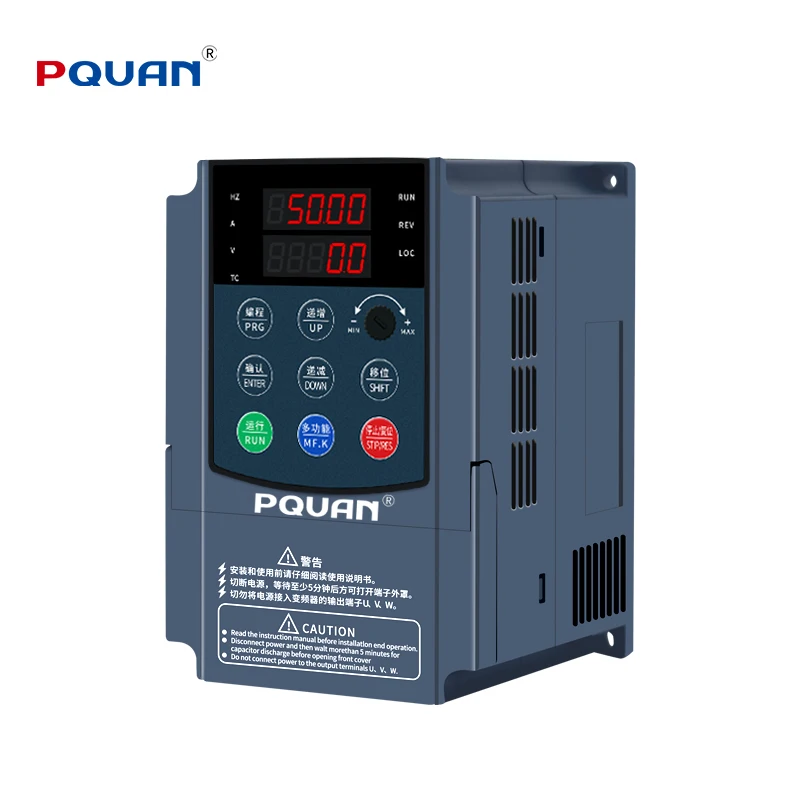
Contemporary automatic voltage stabilizer industrial systems leverage microprocessor-based control technology that transforms these devices from simple voltage regulators into intelligent power management systems capable of sophisticated monitoring, control, and communication functions. The embedded microprocessor continuously samples input and output voltages at kilohertz frequencies, processing this data through advanced algorithms that predict voltage trends and preemptively adjust correction mechanisms for optimal response characteristics. This predictive control approach minimizes voltage deviation during transient conditions, maintaining tighter regulation than reactive systems that only respond after voltage changes occur. The microprocessor manages complex control sequences including soft-start functions that gradually energize the automatic voltage stabilizer industrial and connected loads, preventing inrush currents that stress components and may trigger upstream circuit breakers. Adaptive algorithms adjust control parameters based on load characteristics and operating patterns learned over time, optimizing performance for specific installation conditions without requiring manual configuration or expert knowledge. Digital displays present real-time information including input voltage, output voltage, load current, power factor, frequency, and operating mode in easily interpreted formats that enable operators to assess system status at a glance. Historical data logging capabilities record voltage events, protection activations, operating hours, and performance metrics in non-volatile memory, creating valuable records for maintenance planning, power quality analysis, and regulatory compliance documentation. Communication interfaces built into modern automatic voltage stabilizer industrial equipment support multiple protocols including Modbus, Ethernet, and wireless connectivity, enabling integration with building management systems, SCADA networks, and remote monitoring platforms. This connectivity allows facility managers to monitor power quality across multiple locations from centralized control rooms, receive instant notifications of voltage events or alarm conditions via email or text messages, and analyze trends that might indicate developing problems with utility power or facility electrical systems. Programmable parameters accessible through the microprocessor interface allow customization of voltage set points, correction ranges, time delays, and alarm thresholds to match specific application requirements without hardware modifications. Self-diagnostic routines executed automatically during startup and periodically during operation verify proper functioning of sensors, control circuits, and protective systems, alerting maintenance personnel to potential issues before they compromise stabilizer performance. The microprocessor implements sophisticated protection coordination that sequences multiple protective functions according to fault severity and type, ensuring appropriate response to various abnormal conditions while minimizing nuisance trips. Energy metering functions integrated into advanced automatic voltage stabilizer industrial systems measure and record power consumption, enabling energy management initiatives and providing data for cost allocation or billing purposes. Firmware update capability allows enhancement of stabilizer functionality and correction of operational issues through software updates rather than hardware replacement, protecting equipment investment and extending useful life as requirements evolve.

Industrial Automatic Voltage Stabilizer - Premium Power Protection Solutions for Manufacturing

Get a Free Quote

Our representative will contact you soon.
Email
Mobile/WhatsApp
Name
Message
0/1000