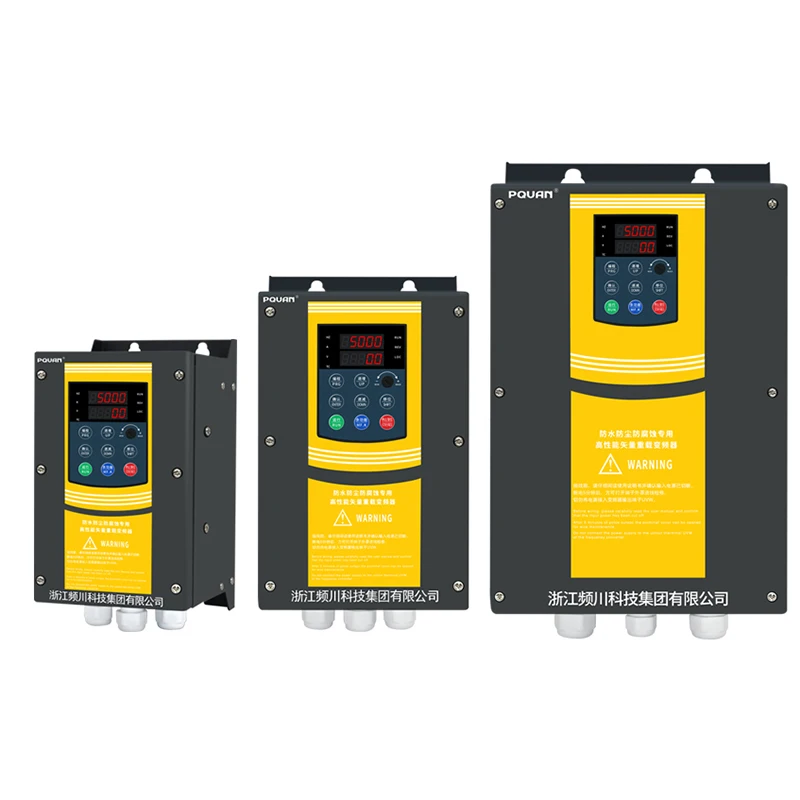
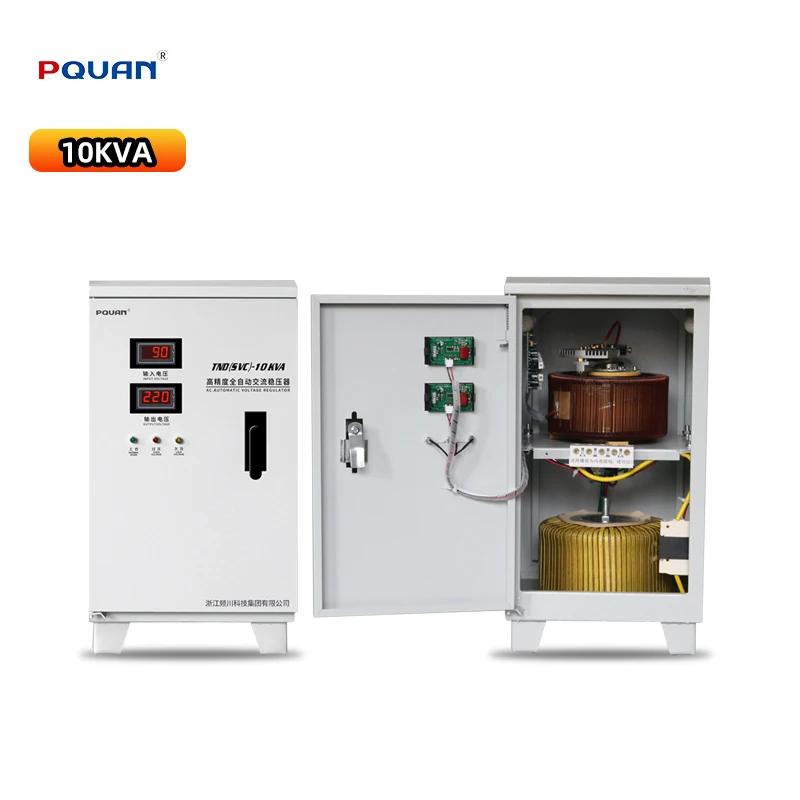
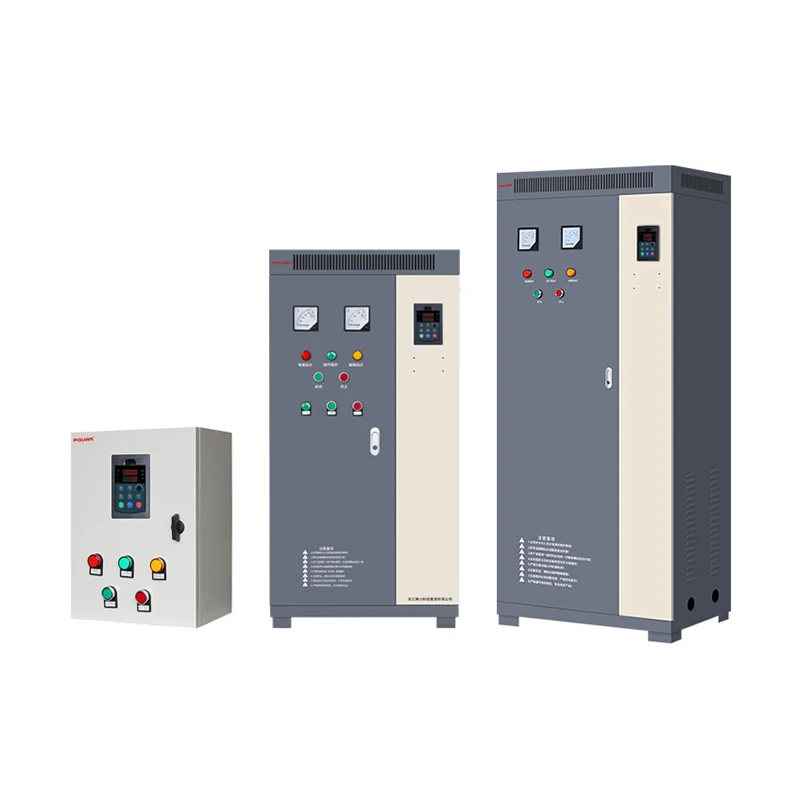
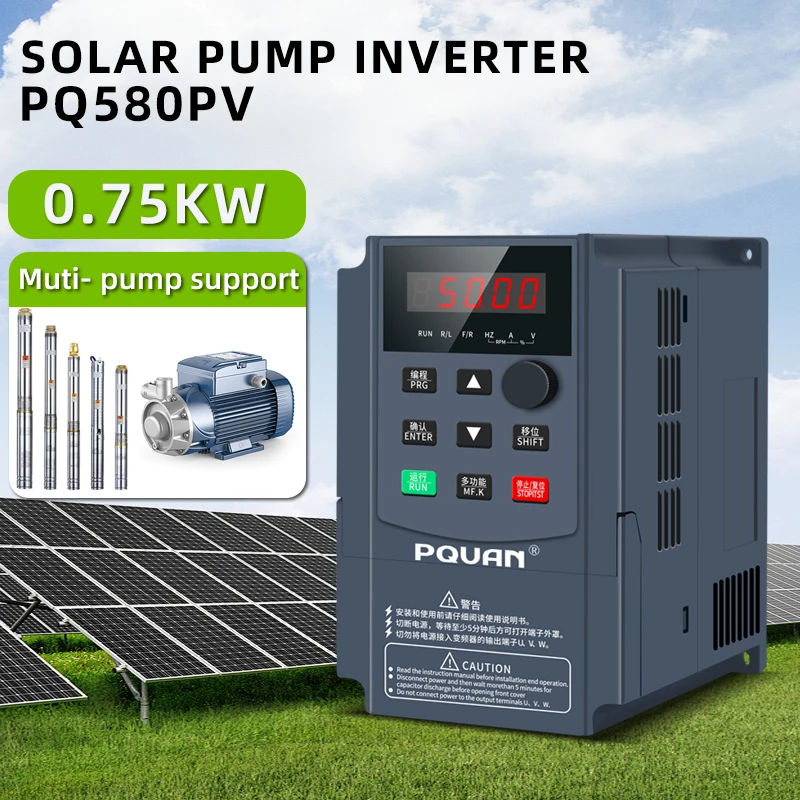
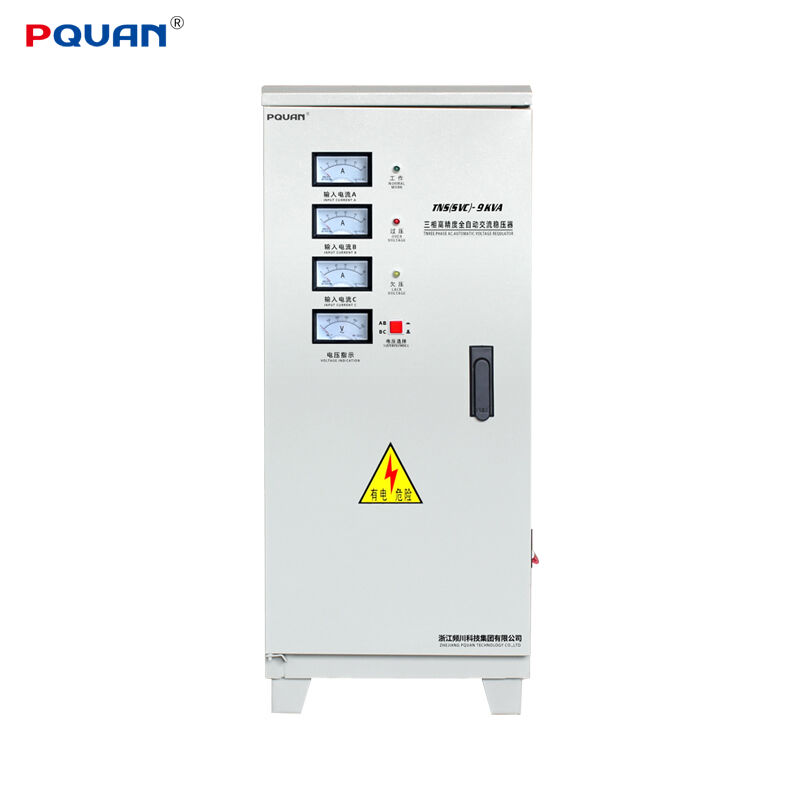
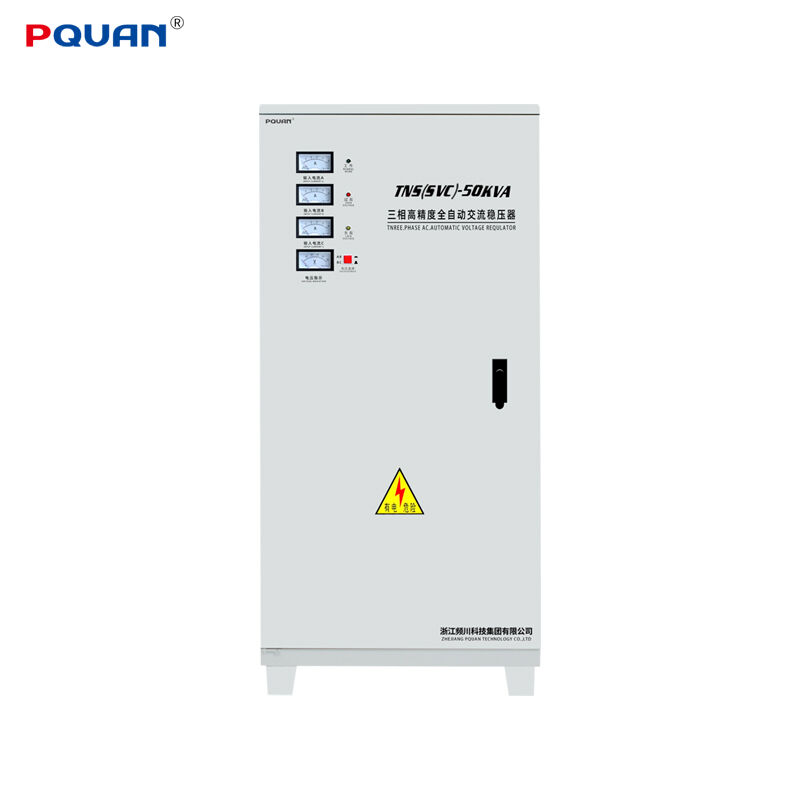
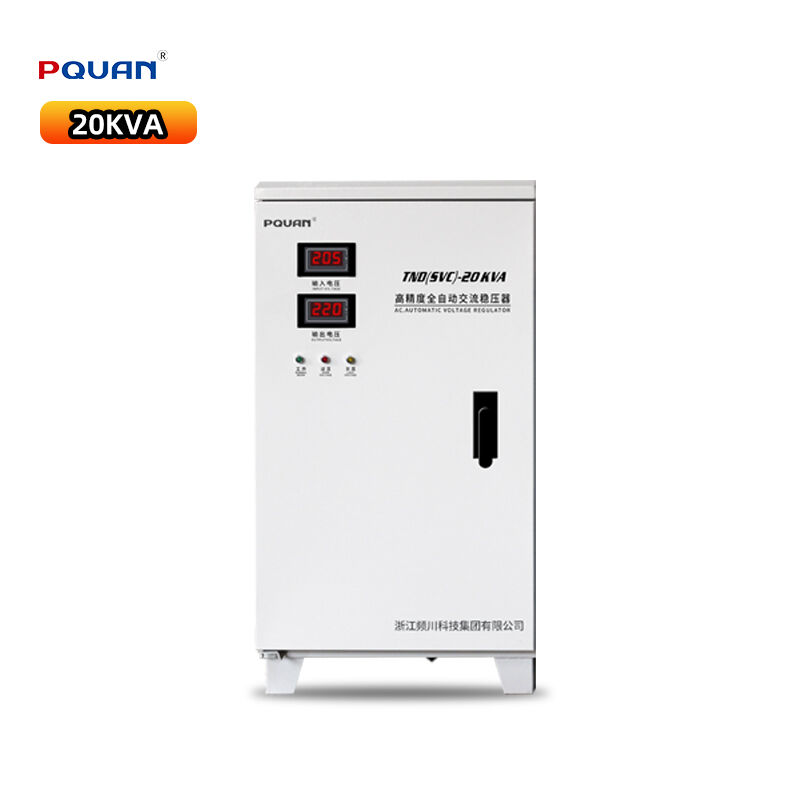
industrial voltage regulator
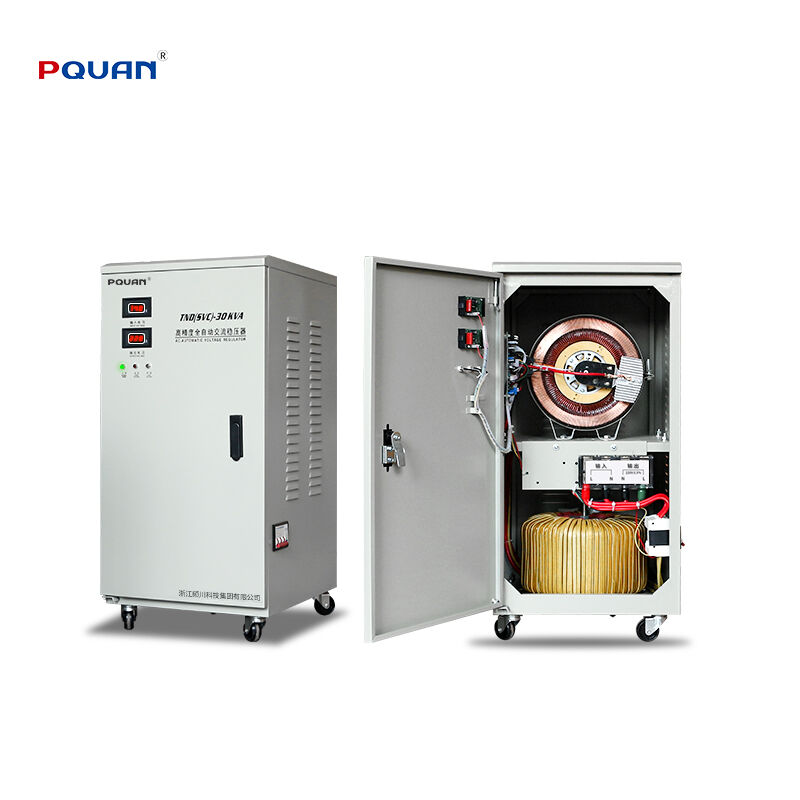
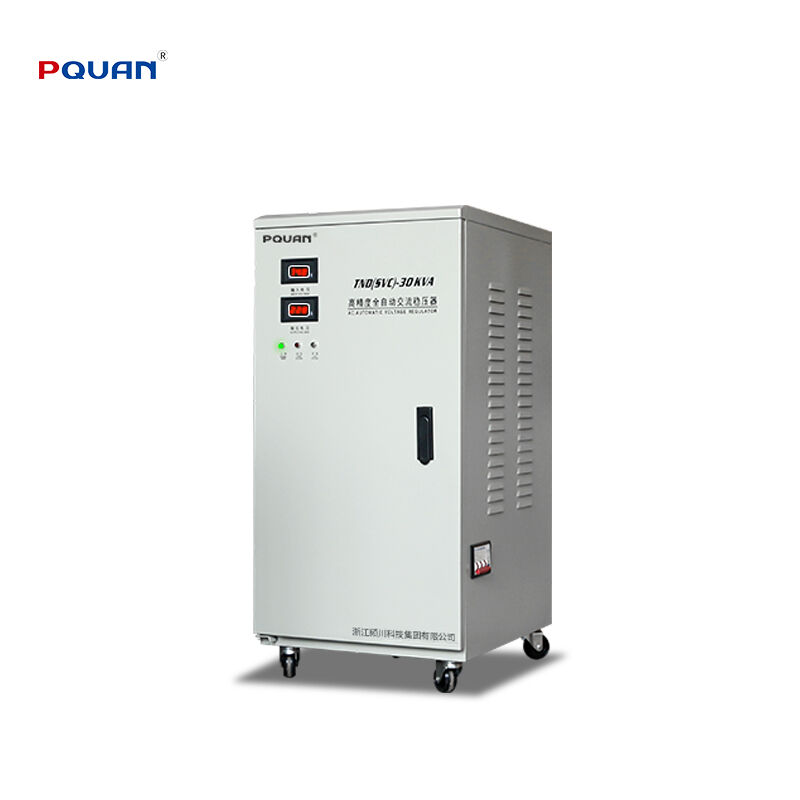
An industrial voltage regulator serves as a critical protective device designed to maintain consistent electrical output regardless of input fluctuations or load variations in manufacturing and production environments. This sophisticated equipment automatically adjusts voltage levels to ensure connected machinery and electronic systems receive stable power supply within predetermined parameters. Modern industrial voltage regulators utilize advanced circuitry and microprocessor controls to monitor incoming power continuously, making instantaneous corrections to compensate for voltage sags, surges, or brownouts that commonly occur in industrial settings. These devices handle substantial power loads ranging from several kilowatts to megawatts, making them indispensable for heavy-duty applications. The primary function centers on voltage stabilization, transforming unreliable grid power into clean, regulated electricity that protects sensitive equipment from damage and prevents costly downtime. Industrial voltage regulators employ various technologies including servo-controlled transformers, solid-state switching mechanisms, or hybrid systems combining multiple approaches for optimal performance. Key technological features include rapid response times measured in milliseconds, high efficiency ratings exceeding ninety-five percent, and comprehensive protection against overvoltage, undervoltage, short circuits, and thermal overload conditions. These regulators accommodate wide input voltage ranges, typically handling variations of plus or minus twenty to forty percent from nominal values while maintaining output stability within one to two percent tolerance. Applications span diverse sectors including manufacturing plants, chemical processing facilities, pharmaceutical production lines, food processing operations, data centers, hospitals, telecommunications infrastructure, and automated assembly systems. Integration capabilities allow seamless connection with building management systems and remote monitoring platforms, enabling predictive maintenance and real-time performance tracking. The robust construction features industrial-grade components rated for continuous operation in harsh environments with temperature extremes, humidity, dust, and electromagnetic interference, ensuring reliable long-term performance under demanding conditions.
 EN
EN