Versatile Applications and Seamless Integration Across Diverse Industries
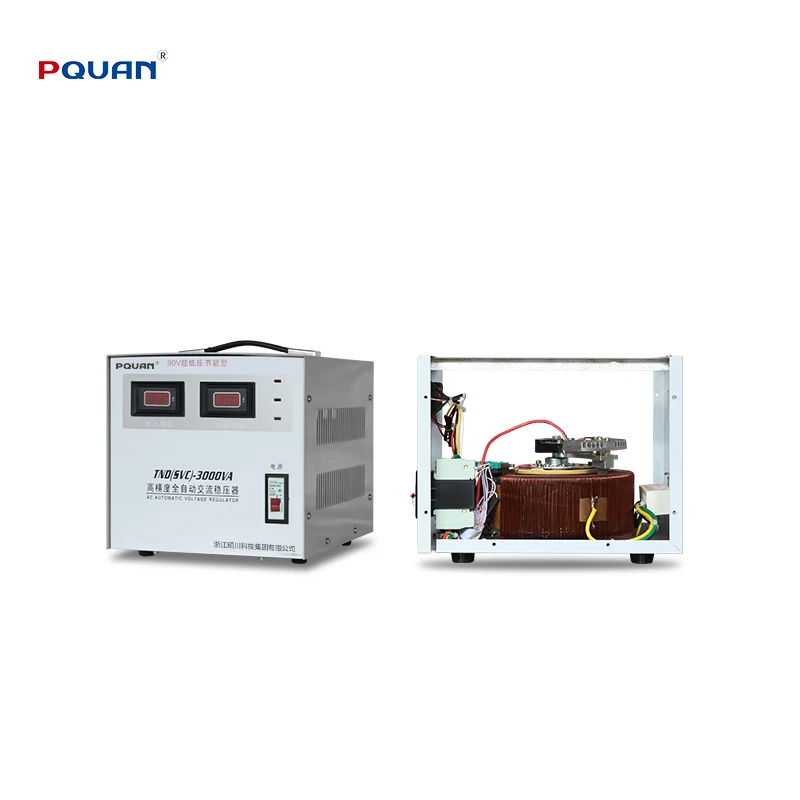
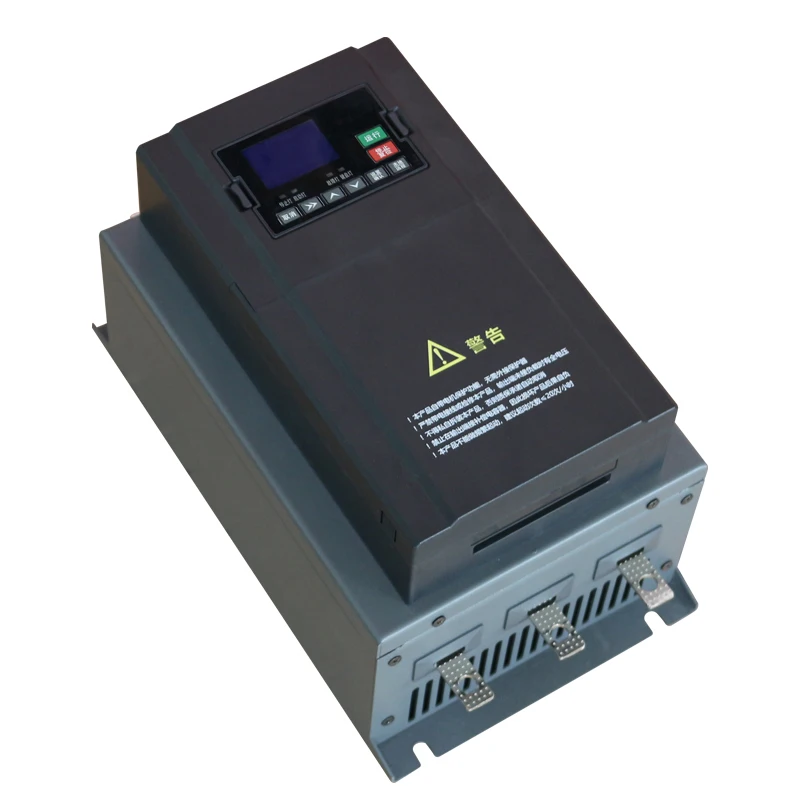
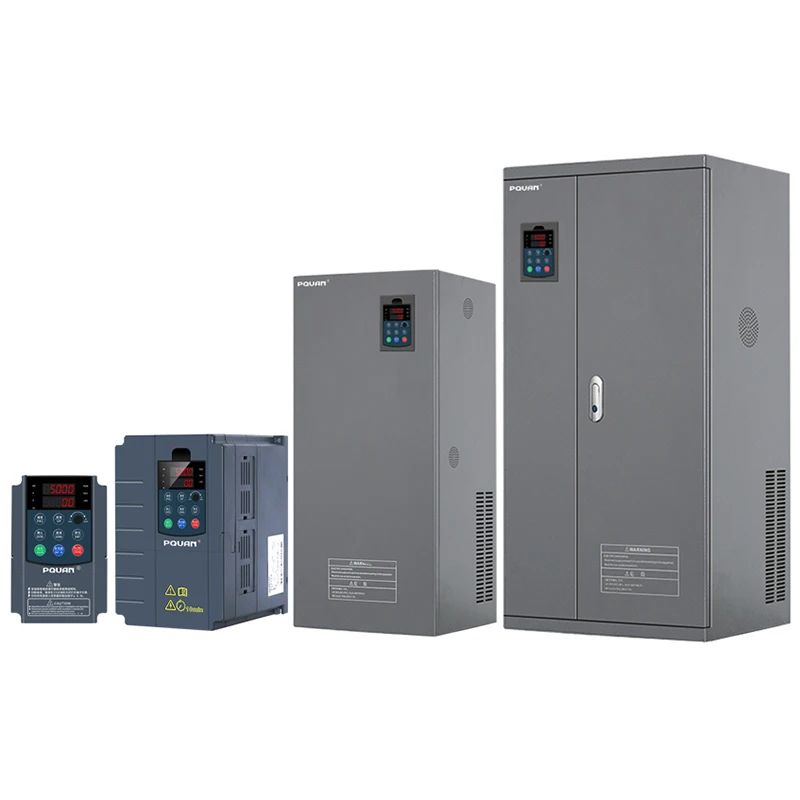
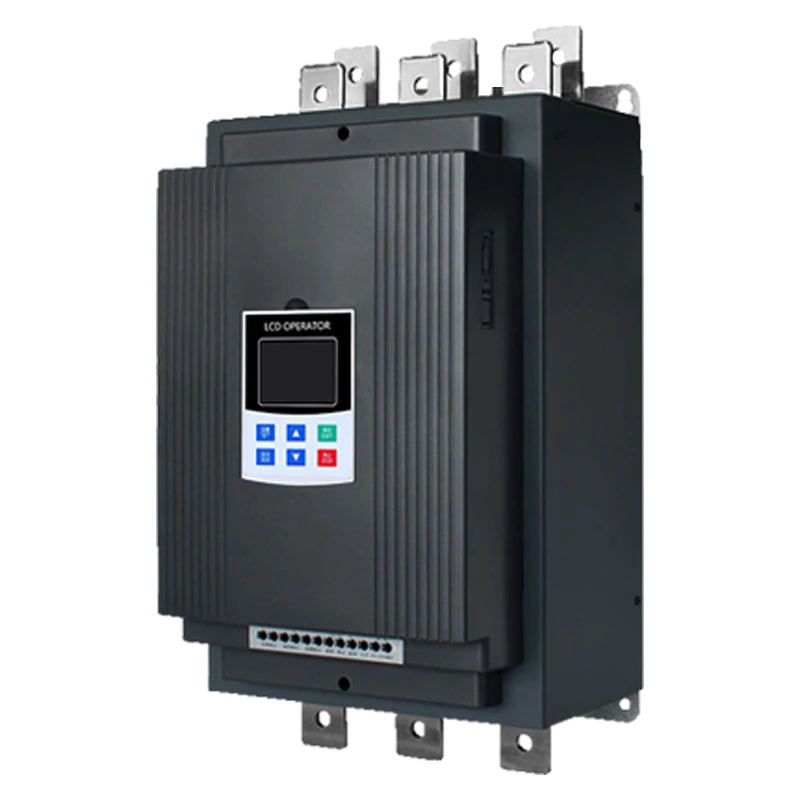
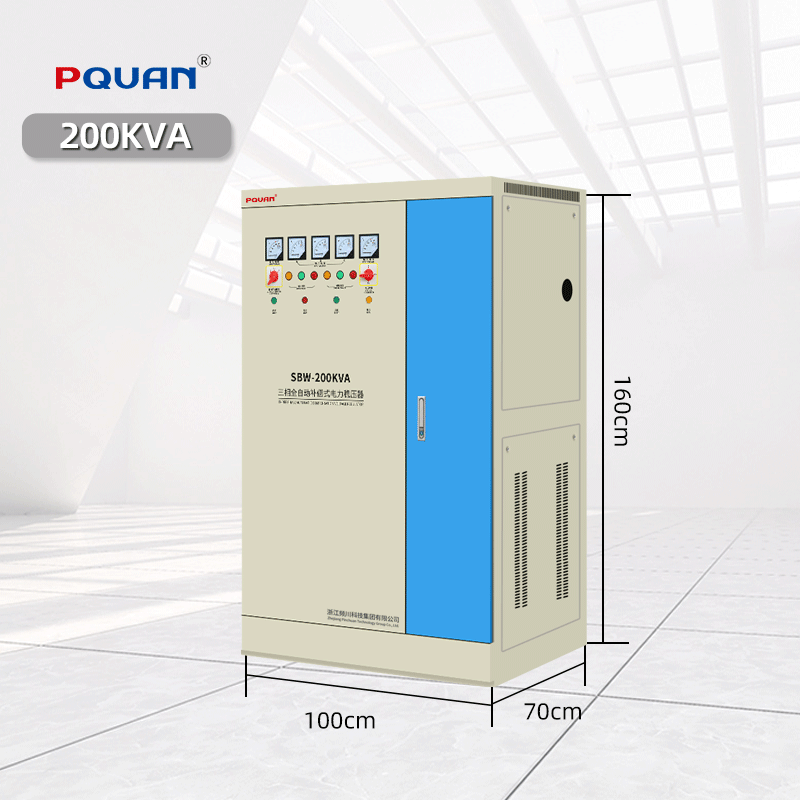
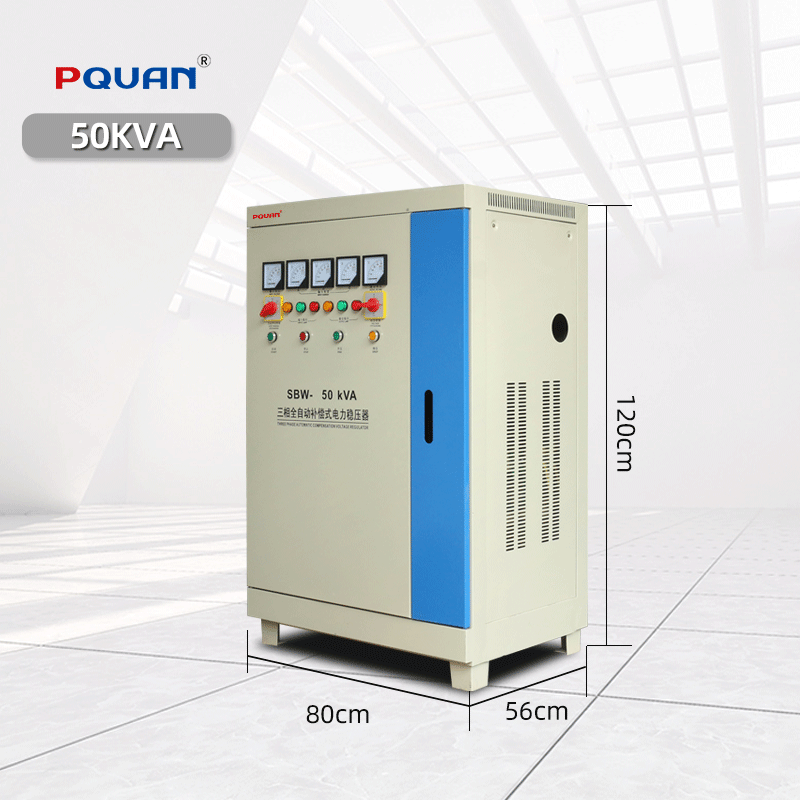
The remarkable versatility of AC regulators enables their successful deployment across an extraordinarily diverse range of applications and industries, with seamless integration capabilities that accommodate virtually any electrical system configuration or operational requirement. Industrial manufacturing represents one of the largest application sectors for AC regulators, where they protect expensive production machinery, CNC equipment, injection molding machines, and automated assembly systems from voltage variations that could compromise product quality or cause costly equipment damage. These facilities often contain hundreds of motors and control systems operating simultaneously, creating complex electrical environments where AC regulators provide the stability necessary for consistent operations. The healthcare industry relies heavily on AC regulators to ensure medical equipment receives clean, stable power essential for accurate diagnostics and safe patient care, with installations ranging from individual imaging systems to whole-facility power conditioning solutions. Research laboratories and educational institutions utilize AC regulators to create controlled electrical environments necessary for scientific experiments, testing procedures, and sensitive analytical equipment that demands precise power conditions. The information technology sector depends on AC regulators to protect servers, data centers, telecommunications equipment, and network infrastructure from power quality issues that could cause data loss, system crashes, or equipment failures. Commercial buildings employ AC regulators to safeguard elevators, HVAC systems, lighting controls, and office equipment, ensuring comfortable, productive environments for occupants and tenants. The broadcast and entertainment industries use AC regulators to protect audio and video production equipment, transmission systems, and performance venues where power quality directly affects output quality and audience experience. Agricultural applications benefit from AC regulators protecting irrigation systems, climate control equipment in greenhouses, and automated feeding systems where reliability is essential for crop and livestock management. The adaptability of AC regulators extends to mobile and temporary installations, with portable units available for construction sites, outdoor events, and emergency response situations. Integration proves straightforward regardless of existing electrical infrastructure, as AC regulators accommodate various input voltage ranges, frequency standards, and phase configurations found worldwide. Installation typically requires only basic electrical connections without extensive modifications to existing systems, minimizing disruption and implementation costs. The modular design of many AC regulator systems allows capacity expansion as facility needs grow, protecting the initial investment while providing scalability for future requirements.
 EN
EN