voltage stabilizer for elevator
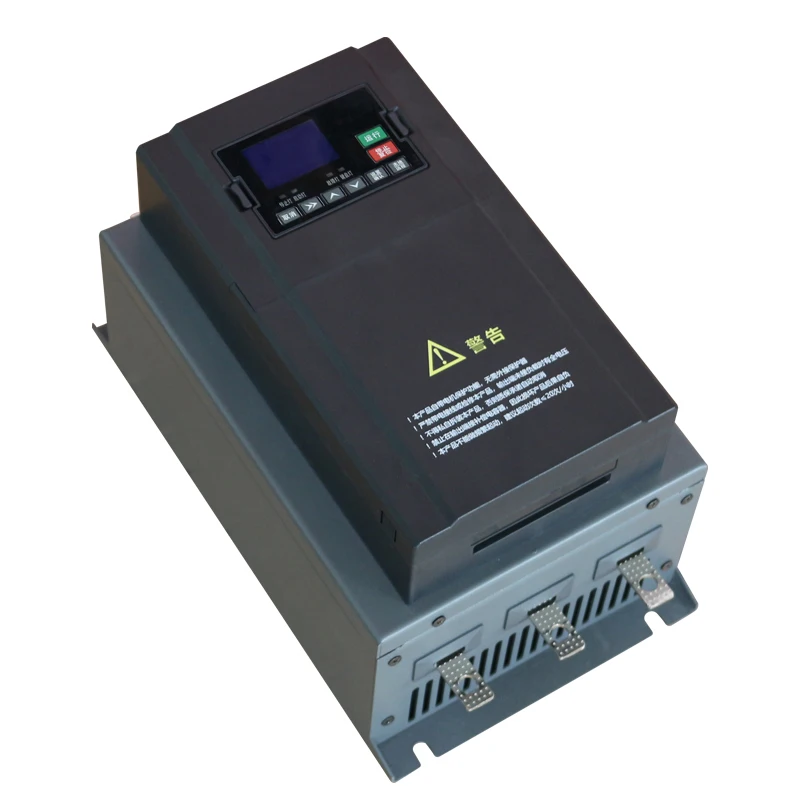
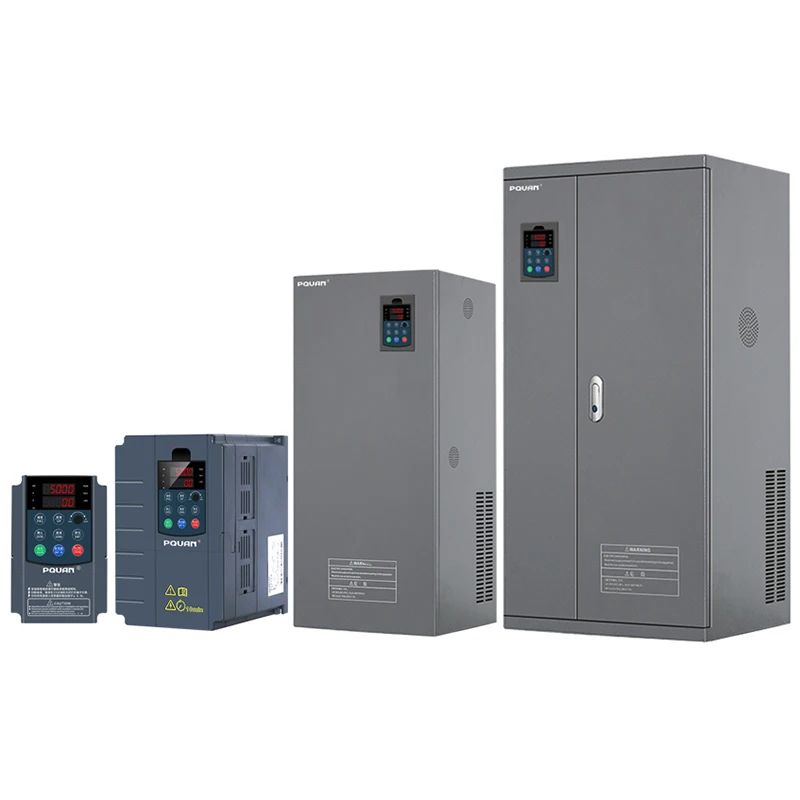
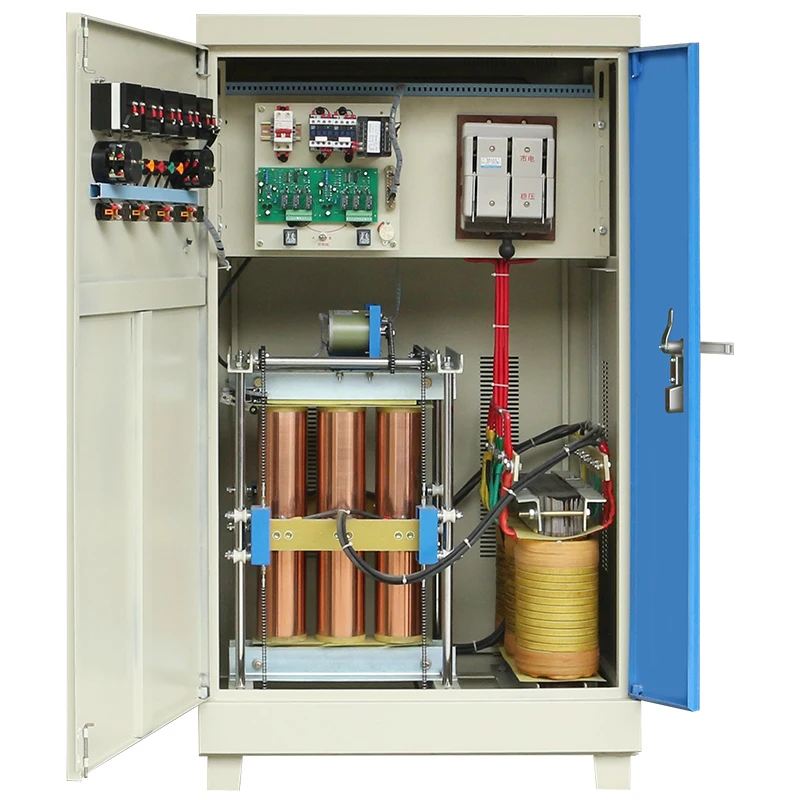
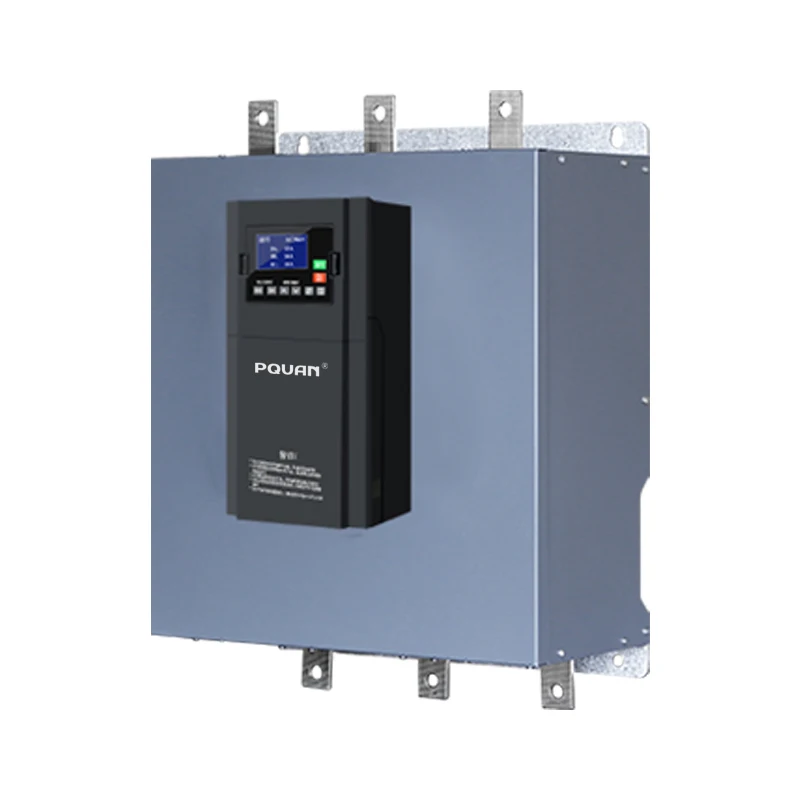
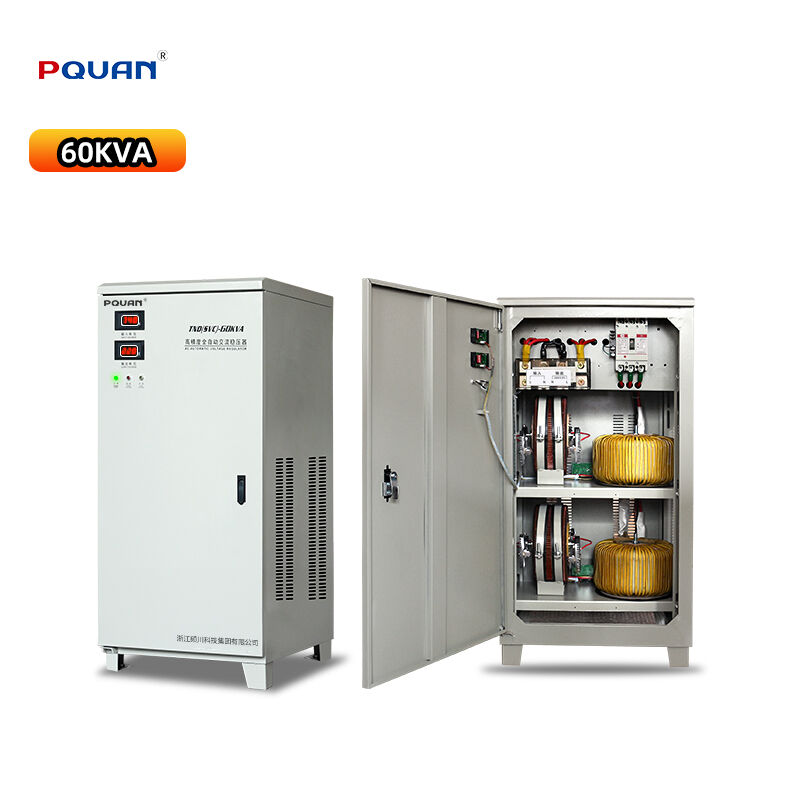
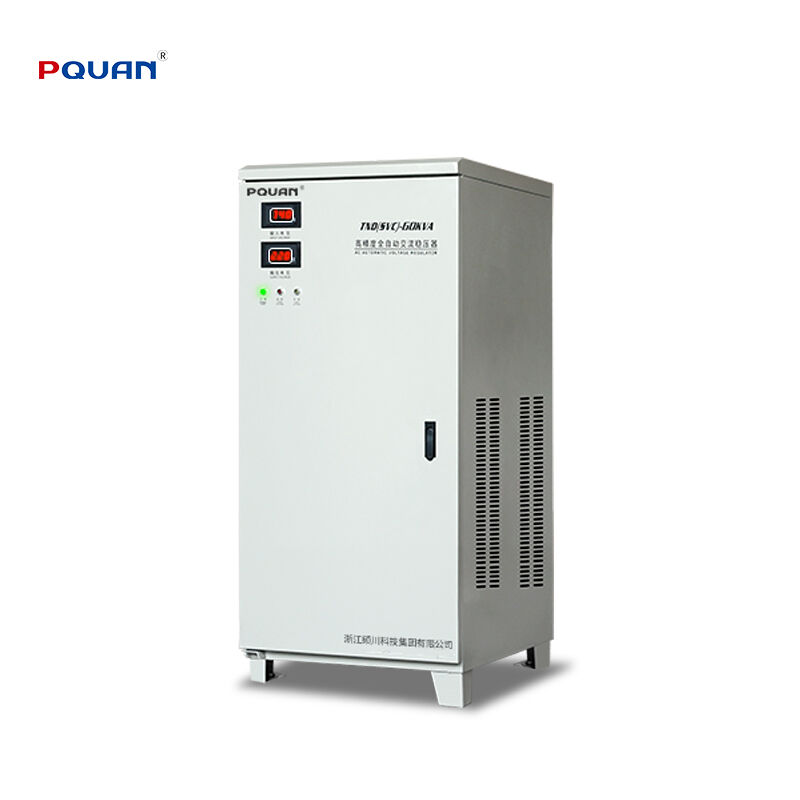
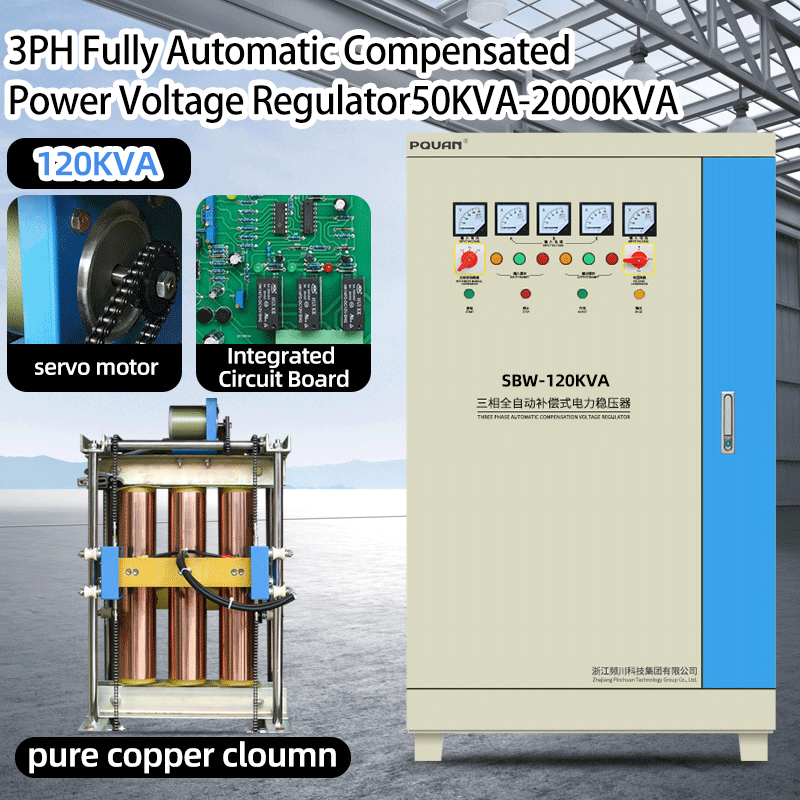
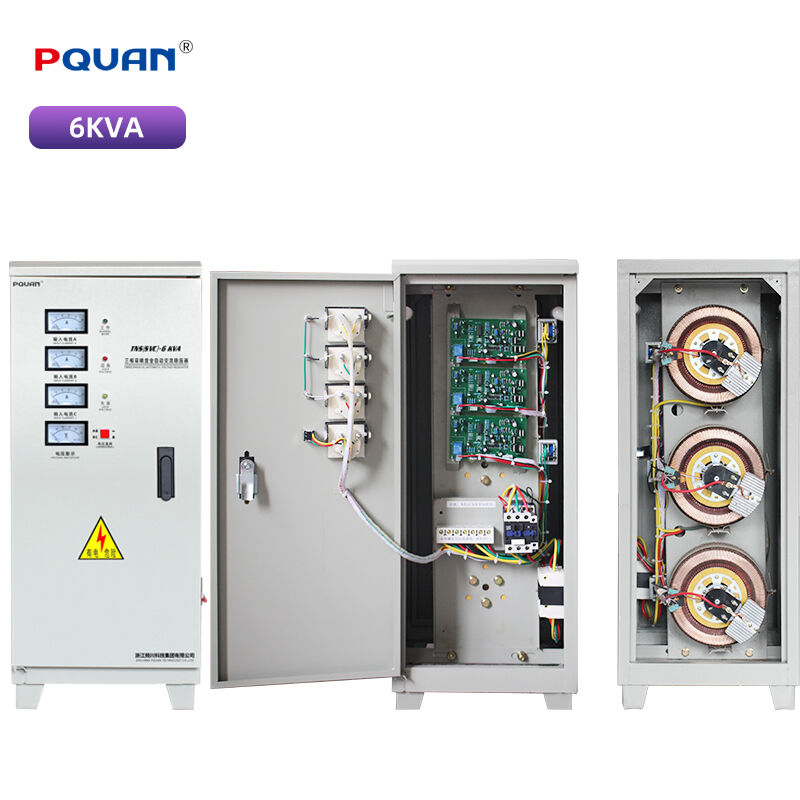
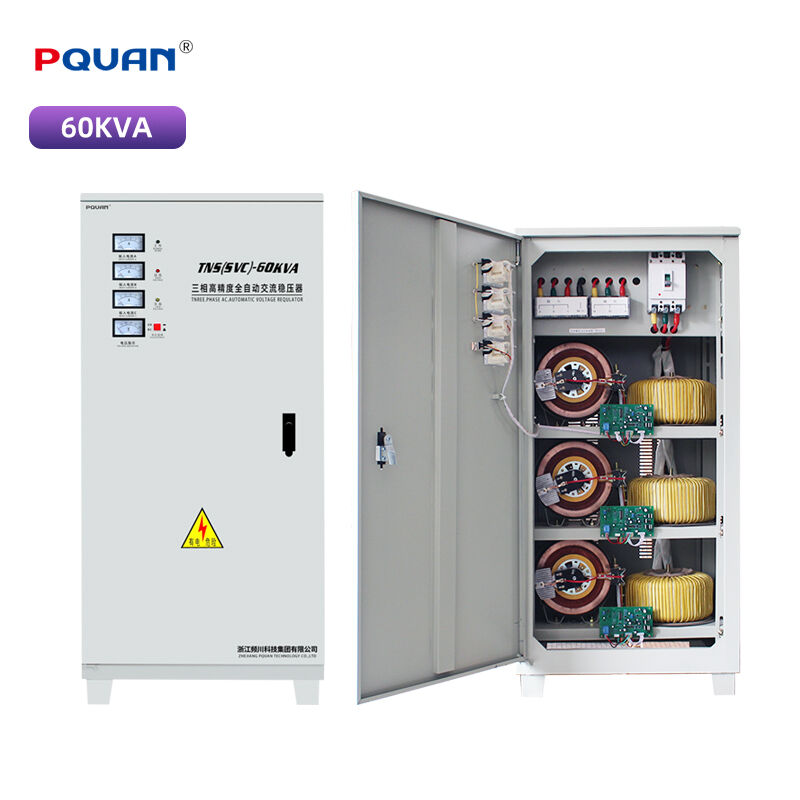
A voltage stabilizer for elevator represents a critical electrical device designed to maintain consistent and reliable power supply to elevator systems, ensuring safe and smooth operation regardless of fluctuations in the incoming electrical supply. Modern elevator installations demand precision electrical control, and this specialized equipment serves as a protective barrier between unstable mains power and sensitive elevator components. The primary function involves automatically regulating voltage levels, transforming erratic input voltage into a steady, predetermined output that matches the exact requirements of elevator machinery. This stabilization process protects motors, control panels, electronic circuits, and computerized systems from potential damage caused by voltage surges, sags, or complete power interruptions. Technological features incorporated into contemporary voltage stabilizers include advanced servo motor mechanisms, microprocessor-based control systems, and real-time monitoring capabilities that continuously assess power quality. These devices employ sophisticated circuitry to detect voltage variations within milliseconds, initiating immediate corrective action to maintain output within acceptable parameters. The application scope extends across residential buildings, commercial complexes, hospitals, hotels, industrial facilities, and any structure utilizing elevator transportation systems. Installation typically occurs between the main power supply and the elevator control room, where it functions as a dedicated power conditioning unit. Modern units feature compact designs, allowing integration into existing electrical infrastructure without requiring extensive modifications. The voltage stabilizer for elevator also incorporates multiple safety features including overload protection, short circuit prevention, and thermal cutoff mechanisms that automatically disconnect power during abnormal conditions. Digital displays provide real-time information about input voltage, output voltage, load percentage, and operational status, enabling maintenance personnel to monitor performance and identify potential issues before they escalate into system failures. This proactive approach significantly reduces unexpected downtime and extends the operational lifespan of expensive elevator equipment.
 EN
EN